REVIEW · TBILISI
17 Day Private Tour through Georgia
Book on Viator →Operated by Georgian Holidays · Bookable on Viator
Tbilisi to the Caucasus is a big sweep. I like how this route stitches together cathedrals, cave towns, and UNESCO sites with a real guide/driver handling the big logistics. I also love that you get 16 overnights with breakfast plus water, so you can spend more brainpower on what’s outside the van. The one possible drawback: you’ll be on mountain roads and long drives often, so this isn’t the “sleep in every day” kind of trip.
In This Review
- Key highlights you’ll feel fast
- Pricing and what makes this route worth it
- Landing in Tbilisi: Sameba, Metekhi, Narikala, and the sulfur baths
- David Gareja caves and Signagi’s fortress views
- Kakheti wine country: cellars, museums, and medieval towns
- Mtskheta and Ananuri: UNESCO monuments plus river junction drama
- Kazbegi highlands: Gergeti Trinity Church and glacier-sized views
- Gori and Uplistsikhe: Stalin museum then cave city complexity
- Imereti to Samegrelo: Sataplia nature reserve and the Dadiani palaces
- Svaneti’s medieval living: Ushguli, Margiani Museum, and glacier foothills
- Mestia villages and the Svaneti Museum: frescos in Latali and Lemjeri
- Batumi on the Black Sea: boulevard time, Roman Gonio, and botanical gardens
- Borjomi park walks and Rabati Castle’s multi-faith layers
- Vardzia’s rock monastery, then the long return through volcanic lakes
- Who this tour suits best (and who should think twice)
- Booking notes that matter in the real world
- Should you book this 17-day Georgia tour?
- FAQ
- How long is the Georgia tour?
- Where does the tour start and end?
- What time does the tour start each day?
- What’s included in the tour price?
- What isn’t included?
- Does this tour have a group limit?
- Are attraction tickets included?
- How does cancellation for a refund work?
Key highlights you’ll feel fast
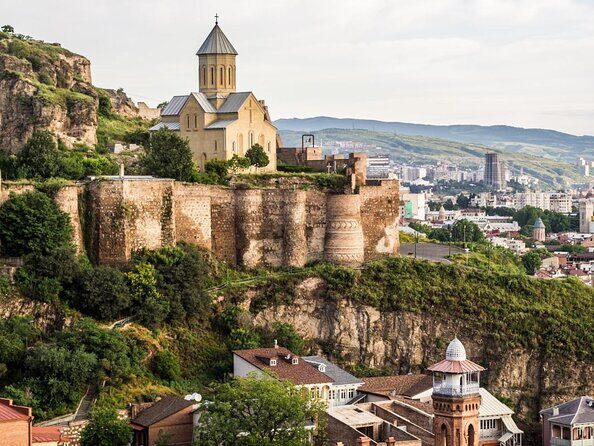
- Sameba to Narikala cable ride: quick Tbilisi hits, plus the sulfur-bath neighborhood of Abanotubani
- David Gareja is part cave complex, part border reality (it stretches into Azerbaijan)
- Kakheti wine visits aren’t just storefront stops: cellar museums tied to traditional production
- Svaneti works best with good walking shoes: Ushguli and glacier foothills come with real altitude and slopes
- Batumi mixes Black Sea leisure with Roman history at Gonio and the botanical gardens
- Vardzia feels like a whole cliff-city built into the rock above the Mtkvari River
Pricing and what makes this route worth it
This 17-day private Georgia tour costs $4,219 per person and runs out of Tbilisi. For a trip like this, the price isn’t just for “sightseeing.” It’s for moving you across a huge variety of regions—Tbilisi, Kakheti wine country, the Caucasus highlands, Kutaisi and Imereti, Svaneti, Batumi, Borjomi, Samtskhe-Javakheti, and back through the volcanic plateau areas—without you trying to figure out timing, transfers, or where to go next.
What helps the value case is what’s included: 16 overnights, 16 breakfasts, three dinners, water, and all fees and taxes. You also get a professional guide and driver, which matters most on a route this spread out. When the itinerary asks for several hours of driving in a day, it’s the guide and driver who keep the plan realistic.
The trade-off is energy. You’ll be changing regions constantly, and the walking you do has variety—from short church stops to longer stretches like the drive-to-hike-to-church day in the Kazbegi area.
If you’re choosing between doing things on your own and doing it “all set up,” this is best for you if you want strong coverage and fewer stress points. It’s less ideal if you want a slow, beach-first rhythm or you get worn out by frequent transit.
Other multi-day Georgia tours we've reviewed in Tbilisi

Landing in Tbilisi: Sameba, Metekhi, Narikala, and the sulfur baths
Your trip starts with a meeting at Tbilisi National Airport, then a transfer to the hotel. That’s a smart start if you’re arriving at your own schedule. From there, you get a full Tbilisi day that covers both the grand and the quirky.
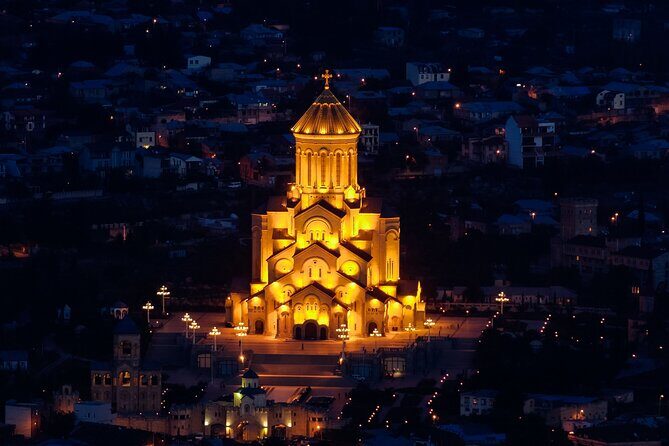
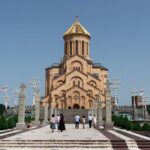
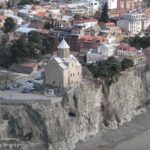
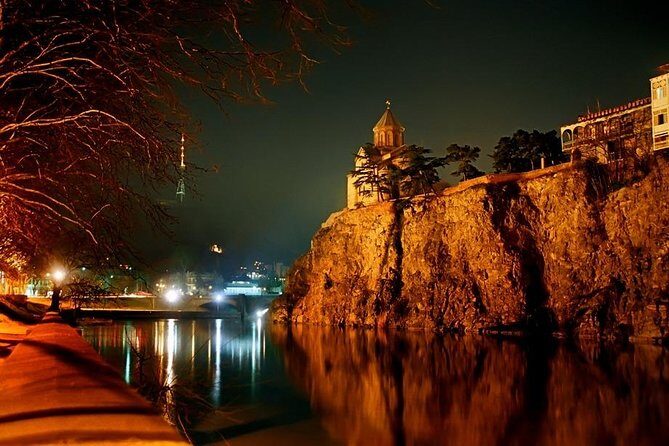
You begin at Tbilisi Holy Trinity Cathedral (Sameba). It’s a major Orthodox landmark and also one of the tallest Orthodox churches in the world. Even if you’re not into church architecture, it’s a strong “sense of place” moment. Next is Metekhi Cathedral, a 13th-century church on the river Mtkvari bank and plateau area—good for photos and for understanding how Tbilisi sits between water, hills, and old routes.
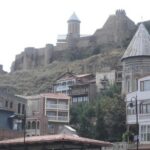
Then comes Narikala Fortress via the aerial cableway from Rike Park. This is a practical choice: you get the view without turning the day into a long uphill hike. Narikala itself traces back to early fortifications and gives you that classic city-overlook feeling. The timing works well because you can pair views with easy walking afterward.
The afternoon shifts into the older districts at Abanotubani, the sulfur bathhouse area, with Legvtakhevi canyon features like a small river and waterfall. You also pass Shardeni Street and Meidan Square—the kind of streets where cafes and galleries mix with souvenir shops. The mix is great for easing into the trip.
Two museums round out the day: Tbilisi History Museum (a large collection spanning archaeology to applied arts) and Georgian National Museum, which covers periods from the Paleolithic era onward. If you like understanding the country beyond monuments, these help you make sense of what you’ll see later.
Practical note: this is a full day with several stops. Wear shoes you’re comfortable with on uneven old-district sidewalks.
David Gareja caves and Signagi’s fortress views
After breakfast, you drive to David Gareja Monastery in the semi-desert area of Gareja hill. This is one of those places that feels different from standard “church stop” travel because so much is literally carved into cave cells, churches, and chapels. It began in the 6th century and the complex includes hundreds of cave spaces.
One detail that matters for context: part of the complex lies on the territory of Azerbaijan. Even if you don’t spend time thinking about borders every minute, it’s useful to know why the site feels like it spans more than one imagination of a single location.
From there you head to Kakheti, arriving at Signagi. Signagi sits in the eastern foothills of the Gombori mountain range, overlooking the Alazani Valley, and is surrounded by medieval curtain walls. The town itself is small, so you get a sense of being in a real regional settlement, not just a tourist checkpoint.
If you want your trip to feel “local Georgia” rather than only monumental Georgia, the Gareja-to-Signagi pairing works. It gives you spiritual cave architecture and then wine-country-town walls and valley views.
Kakheti wine country: cellars, museums, and medieval towns
Kakheti is where this tour starts getting hands-on with Georgian food and production culture.
You begin with Bodbe Monastery of St. Nino, a pilgrimage site linked to Georgia’s Christian heritage. It’s originally from the 9th century and renovated in the 17th. If you like travel that mixes faith with landscape, this stop is a good calm moment before wine days.
Then you move into wine-learning mode with several cellar visits:
- Numisi Wine Cellar Museum in Velistsikhe: described as one of the oldest wine cellars in Kakheti.
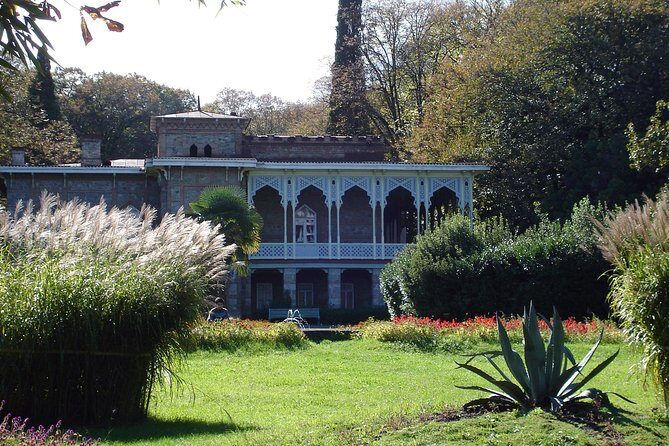
- House Museum of Alexander Chavchavadze in Tsinandali: a noble residence with garden and a wine cellar museum setup. It’s also tied to a 19th-century Georgian figure known as a poet and public figure.
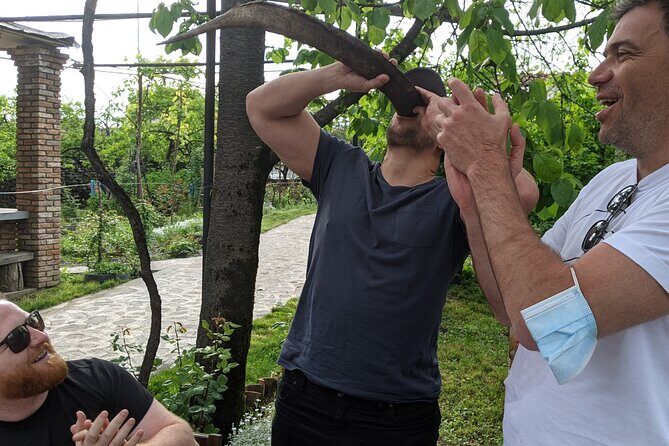
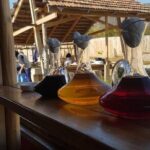
- Twins Wine Cellar Museum in Napareuli: you’ll see the process in transparent 500-liter pitchers, with described steps like pressing, boiling, and natural filtration.
You’ll also see Gremi, the Royal Citadel and Church of Archangels complex, which functioned as the capital of the Kingdom of Kakheti in the 16th–17th centuries. It’s a medieval town remnant with a castle, bell tower, wine cellar, and a walled layout.
What I like here is that the stops aren’t only “taste and leave.” You get built-in context through museums and production spaces. That’s the difference between buying a souvenir bottle and understanding the process behind it.
Worth considering: Kakheti days tend to include multiple sites close enough to keep you moving, but the overall pace is still active. If you’re easily tired by tasting-oriented days, pace yourself and save energy for later highland segments.
Mtskheta and Ananuri: UNESCO monuments plus river junction drama
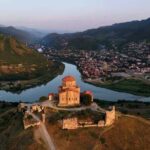
Next, you head to Mtskheta, a town at the confluence of the Aragvi and Mtkvari rivers. This is a strong UNESCO duo territory: Jvari Monastery and Svetitskhoveli Cathedral, both recognized as World Heritage Sites.
The setting here matters. Rivers meeting often shaped medieval power and pilgrimage routes, and you can feel that logic as you move between monuments. Even on a tight schedule, you’re seeing why these sites are placed where they are.
Then comes Ananuri Fortified Castle Ensemble. It’s a fortified complex tied to the idea of river trade and defense, and it sits in the route north toward the mountains. This stop gives you a bridge between UNESCO spiritual sites and the later highland fort-and-view days.
From Ananuri you continue toward Gudauri and the Cross Pass area where you’ll have a stop to taste local natural mineral waters. That little pause is more than a snack. It helps mark the shift from “cities and monasteries” into “Caucasus travel.”
Other private tours in Tbilisi


Kazbegi highlands: Gergeti Trinity Church and glacier-sized views
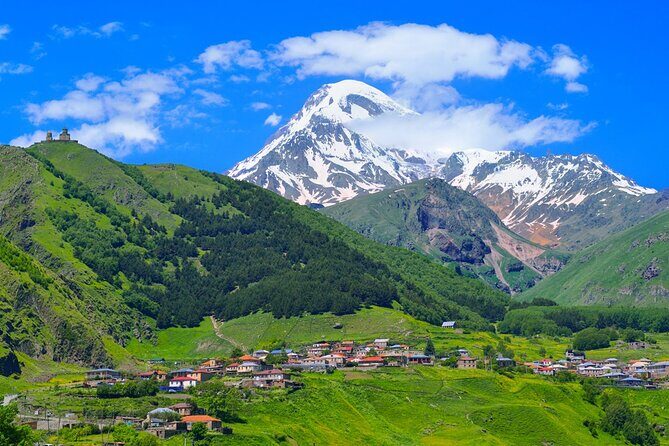
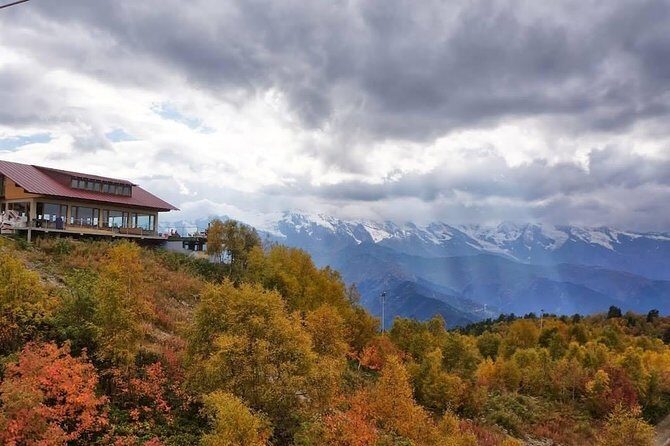
This part of the tour is built for mountain views, and it starts with Kazbegi (Stepantsminda). You’ll pass Cross Pass (2395 m) where you can taste local mineral waters.
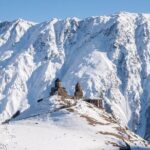
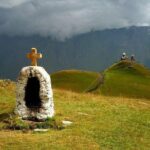
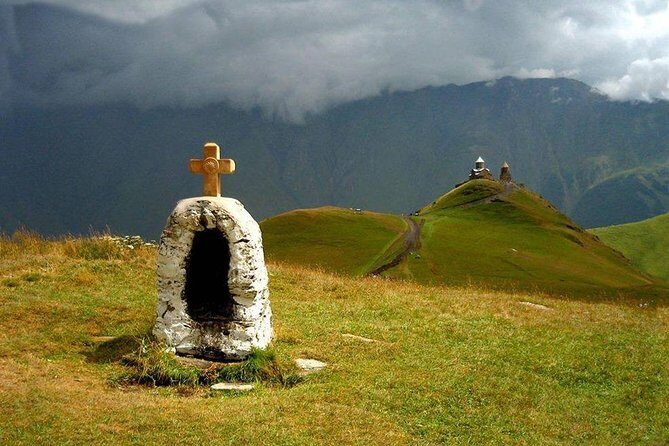
Then the day’s main walking is Gergeti Trinity Church. You take an easy walk of about two hours to the 14th-century church on a mountain top. From there you get panoramic views over Kazbegi town and the Kazbegi Glacier (listed at 5047 m). The walk back down resets you for the rest of the day.
Afterwards, you head toward Dariali Gorge and Gveleti waterfalls. Even if you don’t consider yourself a “waterfall person,” the gorge-and-water rhythm changes the day’s texture after the long view from Gergeti.
One consideration: altitude can hit people differently. Keep your pace steady and don’t treat the “easy walk” as a reason to sprint.
Gori and Uplistsikhe: Stalin museum then cave city complexity
Moving from the mountains to Kartli region, you stop first in Gori. You’ll visit the House Museum of Joseph Stalin, which is included and tied to Gori being the Soviet leader’s birthplace. This is a very specific kind of history stop. If you don’t like political museums, you may find it heavy. If you do like understanding how nations used storytelling and power, it’s an interesting contrast to religious and medieval sites you’ve seen earlier.
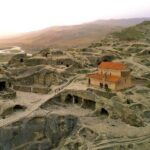
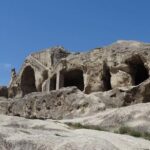
Next is Uplistsikhe Cave Town, described as dating back as early as the 1st millennium BC. It’s an ancient rock-hewn complex with chambers, tunnels, and streets—used as a political, economic, and religious center before Christianity. This is one of those stops where you can understand how early communities used geology as infrastructure.
From there, you drive into western Georgia and arrive in Kutaisi in Imereti. Along the way you stop at the Rikoti Pass and also visit pottery and farmers’ markets. That’s a nice palate cleanser: markets connect the country’s “big monuments” to everyday life and local products.
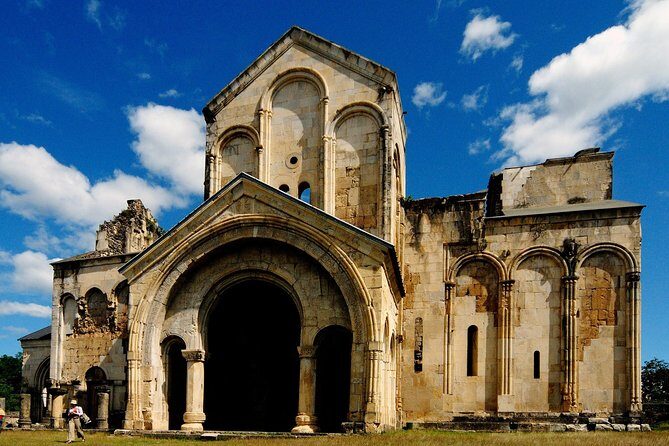
In Kutaisi, you’ll have excursions to two UNESCO-listed Golden Age sites: Gelati Academy and Monastery and Bagrati Cathedral.
If you’re the kind of traveler who likes to compare eras—Soviet power, pre-Christian cave life, and medieval religious institutions—this is a strong segment.
Imereti to Samegrelo: Sataplia nature reserve and the Dadiani palaces
The day after arriving in Kutaisi includes Sataplia Cave and Natural Reserve. You’ll also visit a market in Kutaisi with farmers selling fruit, vegetables, and local Imeretian cheese. Sataplia is known for its relict deciduous forests, karst caves, and well-preserved dinosaur footprints. The footprints are a memorable hook because it turns “nature stop” into a science-meets-scenery visit.
Then you continue toward Samegrelo and Zugdidi. You visit the Dadiani Palaces Historical and Architectural Museum. The focus here is on regional elites and local architecture rather than monuments from Georgia’s central religious axis.
You’ll then drive north into mountainous Svaneti province, with an Enguri Dam stop on the way. This is practical because it breaks the driving and also gives you an impressive view of modern infrastructure in a dramatic setting, before you switch back to medieval-era culture.
Svaneti’s medieval living: Ushguli, Margiani Museum, and glacier foothills
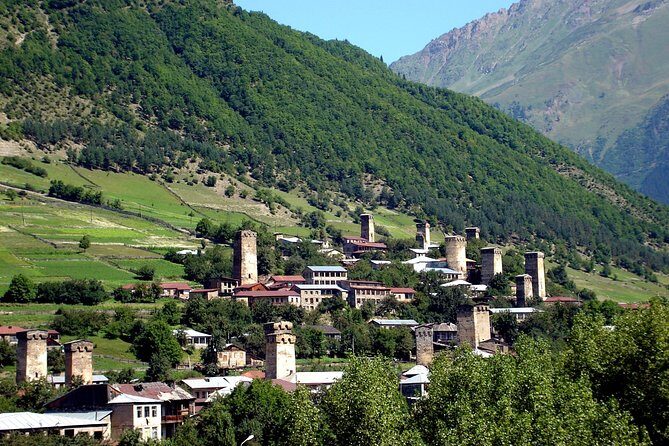
Svaneti is the cultural payoff region of this trip. It’s mountainous, surrounded by Greater Caucasus peaks and glaciers, and known for well-preserved authentic architecture and lifestyle.
Your anchor stop is Ushguli, one of the highest continuously inhabited places in Europe. It’s composed of four villages and is included on UNESCO’s list. You can expect medieval churches and village life rather than just a sightseeing walk.
On the way to Ushguli, you stop at the villages of Ipari and Kala and take a look at churches with medieval frescoes and murals. You can also make an easy hike toward the foothills of the Shkhara Glacier, which the route lists as Georgia’s highest mountain peak.
In the evening, you return to Mestia and visit Margiani Museum, set in an ancient Svan housing estate. It’s designed to show authentic Svan lifestyle and dwelling design.
This is where the trip becomes less about ticking sites and more about feeling how communities lived. Svaneti’s distance and altitude also mean you’re more likely to notice details: the way buildings hold the hillside, the church art, and the daily rhythm outside the main streets.
Mestia villages and the Svaneti Museum: frescos in Latali and Lemjeri
A follow-up day in Svaneti is lighter but still cultural: you visit the villages of Latali and Lemjeri near Mestia, known for churches with medieval decorations, frescoes, and murals.
Then you visit the Svaneti Museum of History and Ethnography. The museum collection includes ethnographic and archaeological artifacts, old Georgian manuscripts, and Orthodox icons painted in the Svan style. If you want a way to connect what you saw in village churches to a broader cultural picture, this museum helps close that loop.
Practical note: museum time is a good buffer after mountain walking. It also gives you a break from altitude.
Batumi on the Black Sea: boulevard time, Roman Gonio, and botanical gardens
After leaving Svaneti, the tour heads south to Batumi, the capital of Adjara and Georgia’s second largest city, located on the Black Sea. The vibe changes quickly. You get a short city tour with Piazza Square and a walk on the boulevards.
If you’ve been in mountain villages, Batumi is a reset day. It’s more city and sea air than stone churches and glacier foothills.
The next morning you visit Gonio Fortress, 10 km from Batumi. It’s an archaeological site dating to the 1st century AD, described as a well-fortified Roman city in Colchis, later under Byzantine rule.
Then you drive to the Batumi Botanical Gardens on the Green Cape. The garden opened in 1912 and expanded during Soviet times. You’ll see plants and trees from different climate zones.
This mix is smart: history plus greenery plus a sea-side city stroll later. If you like to break up a long driving trip with a slower, relaxed city moment, this is the day segment that delivers.
Borjomi park walks and Rabati Castle’s multi-faith layers
From Batumi, you head to Borjomi, a spa resort. You’ll walk in the Borjomi Park and taste mineral waters from springs known since the early 19th century. It’s also described as being exported to more than 40 countries, which gives you context for why people still talk about it.
Then the tour moves to Akhaltsikhe, the regional administrative center in South Georgia.
You explore Rabati Castle, which includes a 14th-century castle, several churches, a mosque, a synagogue, and a museum. The museum includes manuscript, book, photo, archaeological, and numismatic collections. This is one of those stops where the layout signals how the region shifted over time.
Next you visit Khertvisi Fortress ruins on the way to Vardzia. It’s included and offers a quick look at the remnants along the route.
Vardzia’s rock monastery, then the long return through volcanic lakes
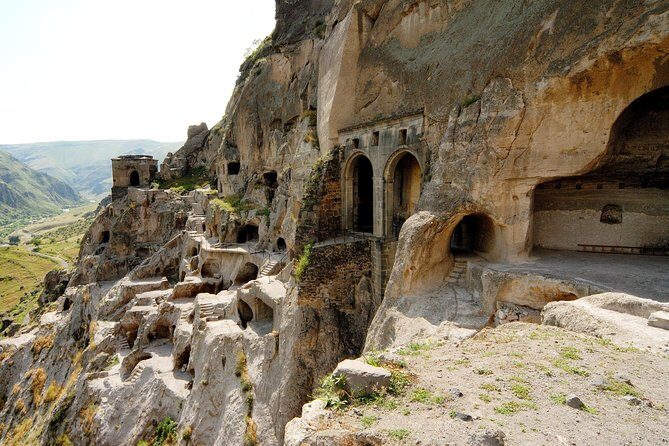
Vardzia is the big finale monument in this section. It’s a medieval rock-cut monastery founded in the 12th century during Queen Tamar’s reign. The complex is cut into rock above the Mtkvari River, with multiple chambers and cave dwellings at different floors and tiers, plus churches and chapels.
If you like architecture that explains how people adapted to terrain, Vardzia delivers. It’s less about one photo angle and more about walking through the whole cliff-city logic.
After that, you head back toward Tbilisi. The route passes the Javakheti volcanic plateau and includes stops at Sagamo and Paravani alpine lakes, plus Tsalka reservoir, described as Georgia’s largest artificial lake. This is a scenic shift that helps the ending feel like more than just “driving back.”
Finally, you arrive in Tbilisi for a free day, then transfer to Tbilisi International Airport on the last morning after breakfast and checkout.
Who this tour suits best (and who should think twice)
This tour fits best if you want a structured, high-coverage Georgia experience across very different regions—Tbilisi monuments, Kakheti wine culture, highland mountain sights, Svaneti village life, Batumi by the sea, and Vardzia.
It’s also a good match if you value having a professional guide and driver because many stops include walking times and you’ll be managing long drives. The maximum group size is 15, which can help keep things feeling personal.
Think twice if:
- you dislike altitude walking (there are longer walks like the Gergeti route and Ushguli hike option)
- you prefer slow travel and lots of downtime
- you’re sensitive to frequent change in scenery and hotel locations
Booking notes that matter in the real world
A couple of details from the tour setup are worth planning around:
- Meeting starts in the morning (listed start time 9:00 am), so plan for an early start mindset.
- Many key sights show up with admission included at least for certain stops, while others are listed as free. Either way, you won’t spend as much time negotiating tickets on your own.
- You get a mobile ticket, which is handy for museum or fortress entrances.
On the human side, the operator’s planning and guiding team can be excellent. In prior experiences with this company, people have praised travel expert Dali for planning care and guide Lasha for on-the-ground information. If you’re booking and can choose preferences, it’s worth asking who your guide will be, because that can make a big difference in how stories connect across regions.
Should you book this 17-day Georgia tour?
If your goal is to see a lot of Georgia—Tbilisi, wine country, mountain churches, Svaneti villages, Black Sea Batumi, and Vardzia—this is a strong choice. You’re not doing it by juggling transfers or building an itinerary from scratch. You’re trading flexibility for momentum, and the package includes a lot that would otherwise cost time and energy.
I’d book it if you’re excited by variety and you don’t mind an active pace. I’d hesitate if you want lots of quiet, slow afternoons or you’re trying to avoid long road days.
FAQ
How long is the Georgia tour?
It runs for about 17 days.
Where does the tour start and end?
It starts in Tbilisi, Georgia with a meeting at Tbilisi National Airport, and it ends with a transfer to Tbilisi International Airport.
What time does the tour start each day?
The tour start time is listed as 9:00 am.
What’s included in the tour price?
The included items are all fees and taxes, water, 16 overnights, breakfast (16), and dinner (3). You also have access to pickup and a mobile ticket.
What isn’t included?
Flight tickets, insurance, visa fees, and meals unless mentioned are not included.
Does this tour have a group limit?
Yes. The maximum group size is listed as 15 travelers.
Are attraction tickets included?
Some stops list admission ticket included, while others are listed as free. Either way, major admissions on the itinerary are handled as part of the visit plan.
How does cancellation for a refund work?
You can cancel up to 6 days in advance for a full refund. A 50% refund is available if you cancel 2–6 days before the experience start time, and no refund is available if you cancel less than 2 days before start time.
If you want, tell me your travel month and your walking comfort level (short walks vs. longer hikes). I’ll help you judge whether the mountain days fit your pace.