REVIEW · TBILISI
Old Tbilisi Tour: Private Walking Tour With Wine Tasting
Book on Viator →Operated by We Are Georgia Tours · Bookable on Viator
Old Tbilisi is best seen with a local in your pocket. This private walk strings together the city’s headline scenes and small details, starting with a cable car ride to Narikala Fortress and finishing with a Georgian wine tasting along the way. I like the pace for a short visit and the way the guide can tailor the walk to your interests. One thing to keep in mind: it’s still a walking tour on uneven old-town streets and hills, so plan for moderate effort in 2–3 hours.
You’ll get a real sense of how Tbilisi layers eras on top of each other, from fortress walls to cathedral interiors to the Peace Bridge’s modern lights. Guides such as Luka, Lela, Mirian, and Mariam come up repeatedly in the feedback for balancing story, speed, and flexibility. If you want the easiest, flat stroll possible, this is not that kind of tour.
In This Review
- Key highlights you actually feel on the ground
- Old Tbilisi in 2–3 hours, with a cable car view
- Narikala Fortress: architecture plus two totally different viewpoints
- Kartlis Deda on Sololaki Hill: the statue that explains Georgia’s symbolism
- Abanotubani: sulfur water, legend, and a very real geothermal feature
- Leghvtakhevi Gorge waterfall: a cool pocket in the middle of the city
- Chardin Street (Jan Shardeni): color, late nights, and people-watching
- Sioni Cathedral and Metekhi Cathedral: churches that give you context fast
- Peace Bridge: the modern counterpoint with 10,000 lamps
- Wine tasting in Tbilisi: what’s included and why it matters
- Price and logistics: value for $39, and what to watch for
- Who should book this and who might skip it
- Should you book this private Old Tbilisi wine tour?
- FAQ
- How long is the Old Tbilisi private walking tour with wine tasting?
- What’s the price per person?
- Is it a private tour?
- What language is the tour offered in?
- Where does the tour start and where does it end?
- What’s included in the tour?
- Is hotel pickup or drop-off included?
- Does the tour require physical fitness?
- What if the weather is bad?
- Can I bring a service animal?
Key highlights you actually feel on the ground
- Cable car included for the Narikala viewpoint so you’re not guessing how to get the best angles
- Narikala Fortress views in two directions: city energy on one side, calmer greenery on the other
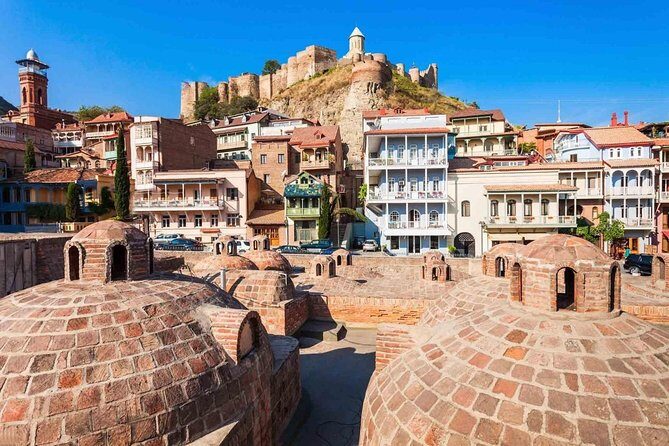
- Abanotubani sulfur baths area: a place tied to legend and fueled by naturally flowing hot sulfur water
- Peace Bridge photo moment with its 10,000 lamps when evening light hits
- Wine tasting as part of the route, with guides like Luka often described as pointing you to more great Georgian food afterward
- Flexible pacing with a private guide, including adjustments if the cable car is closed
Old Tbilisi in 2–3 hours, with a cable car view

This is a private walking tour in the Old Tbilisi core, offered in English, usually lasting about 2 to 3 hours. The ticket is mobile, and your group stays together with your guide the whole time, so you’re not stuck moving at someone else’s speed. You’ll start at Metekhi church of the Nativity of the Mother of God on Metekhi St (the tour ends back at the same meeting point).
The value is how the day’s structure is built around “smart stops,” not just a checklist. You begin with height (Narikala) for context, then descend into the historic heart (Abanotubani, Sioni, and the pedestrian lanes), and you finish with a modern, photogenic landmark (Peace Bridge) before circling back via Metekhi and Rike Park.
If you’re visiting for the first time, this kind of route is a shortcut to orientation. Old Tbilisi is easy to get turned around in. Here, the guide handles the direction changes and keeps you on the most interesting streets for the time you have.
Other wine tasting tours we've reviewed in Tbilisi


Narikala Fortress: architecture plus two totally different viewpoints
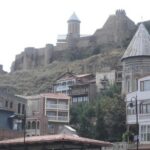
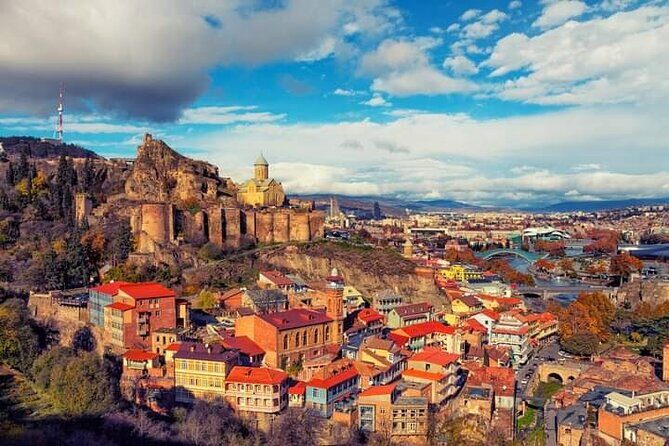
The tour kicks off at Narikala Fortress, reached by the included cable car ticket. Fortress history here is thick and tangled: a 4th-century Sasanian citadel called Shuris-tsikhe, expanded later by the Umayyads, then worked on again under King David the Builder. The Mongols even gave it a new name, Narin Qala, and many of the visible fortifications date from the 16th and 17th centuries.
What you’ll remember most, though, is what the walls let you see. From Narikala, you get two extremes: one side shows a busy, active city; the other opens toward a quieter, wooded area connected to the Botanical Garden. That contrast makes the viewpoint feel more than just scenic. It helps you understand why Old Tbilisi developed where it did.
A practical tip: cable cars run on schedules that can vary by season and operations. One guide recommendation that shows up in the experience feedback is timing it for softer evening light in summer—around 7:30 pm. Even if you don’t match the exact time, it’s worth asking your guide what time window gives the best views on your day.
Kartlis Deda on Sololaki Hill: the statue that explains Georgia’s symbolism
Next comes Kartlis Deda, the 20-meter aluminium statue on Sololaki hill. It was erected in 1958 for Tbilisi’s 1500th anniversary, designed by sculptor Elguja Amashukeli. The figure is dressed in Georgian national clothing and uses a simple message language: a bowl of wine in the left hand for welcoming friends, and a sword in the right hand for confronting enemies.
This is a quick stop, but it’s not filler. A symbol like this works well early in the tour because it gives you a framework for interpreting what you’re seeing later—cathedrals, fortifications, and even the city’s public spaces. If you’ve ever wished a tour explained why a place feels the way it does, this sort of symbolic marker is the answer.
The statue itself is fixed. What’s dynamic is how your guide ties it to local character and historical messaging. If you like storytelling that stays grounded instead of getting overly academic, this stop is a good match.
Abanotubani: sulfur water, legend, and a very real geothermal feature

From Narikala, you walk down to Abanotubani, the famous area known for its natural sulfur baths. There’s even a founding legend tied to the site, and you don’t need the folklore to enjoy the atmosphere because the geology is right there.
Sulfur water flows naturally from the soil here and supplies about 3,000,000 liters daily, with an average temperature around 47°C. That’s the kind of fact that makes this neighborhood feel specific, not generic. You’re standing in a place where the city’s heat is literally part of everyday life.
This stop also works as a break in the route. It’s not a long climb; it’s a descending stroll that lets you absorb the architecture and the street rhythm. If you’re sensitive to heat or strong odors, you might want to pace yourself and take your time at the edges rather than pushing deep into every lane.
Leghvtakhevi Gorge waterfall: a cool pocket in the middle of the city
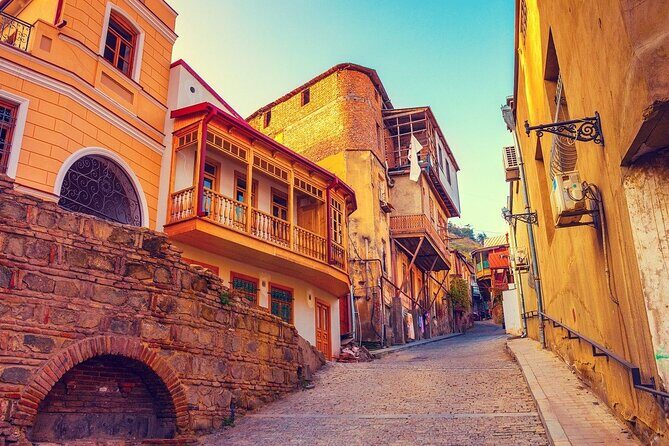
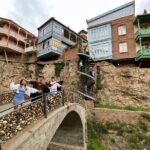
In the center of Tbilisi, you’ll reach Leghvtakhevi Gorge and the Leghvtakhevi Waterfall. This is one of those city surprises: a small inner-city waterfall tucked into the gorge, reachable via good pathways, including ones that cross Tbilisi’s lock bridge.
What I like about this stop is the seasonal logic. In hot weather, it gives you a real temperature break, even if it’s not a long stay. You’ll also get a sense of how Old Tbilisi isn’t only churches and streets—there’s nature woven right into the walking plan.
The downside is simple: it can be brief. If you want a long “sit and enjoy” waterfall break, don’t expect a half-day nature stop here. Think of it as a refreshing interlude that keeps the tour moving.
Other Tbilisi walking tours we've reviewed in Tbilisi




Chardin Street (Jan Shardeni): color, late nights, and people-watching
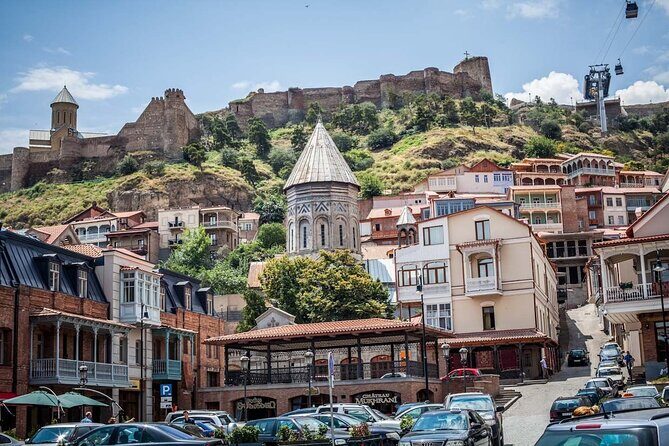
After the waterfall, you head toward Jan Shardeni Street, also known as Chardin Street. It’s named for the French traveler Jean Chardin, who visited Georgia in the 18th century. This street is one of the most colorful parts of Old Tbilisi and is especially famous for nightlife that can run until around 5 a.m.
Even if you’re not planning a late evening, the street’s reputation helps you understand the neighborhood. It’s not just a corridor of sights; it’s where locals and visitors mix. This is a great spot for quick photos, browsing the scene, and getting a feel for where you might want to return later.
A practical point: since nightlife is the theme, the exact vibe you get will depend on the time of day. If you’re doing this tour early, you’ll see the “set-up” energy. If you’re doing it later, you may catch more of the after-dark atmosphere.
Sioni Cathedral and Metekhi Cathedral: churches that give you context fast

The tour includes two church stops that bookend different parts of the story.
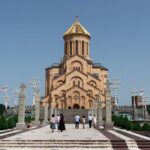
First, you’ll visit Sioni Cathedral Church. It’s described as one of the holiest places in Georgia. The first church on the spot dates to the 5th century ordered by Vakhtang Gorgasali, and the present temple is a 17th-century building that keeps the fourth-century St. Nino’s original cross. That’s a lot of time packed into one place, and your guide’s job is to make it make sense without turning it into a lecture.
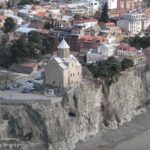
Later, you’ll visit Metekhi Cathedral on the left bank of the river Mtkvari, passing through Rike Park to reach it. There’s a legend connecting the remains of St. Shushanik to this area, plus a statue of Vakhtang Gorgasali in the cathedral yard. Like Sioni, this stop is short on your timeline but meaningful for your understanding of who’s been shaping Tbilisi for centuries.
If you care about religious architecture, bring patience. These are typically brief “see it, learn the key idea” moments rather than long museum-style visits.
Peace Bridge: the modern counterpoint with 10,000 lamps
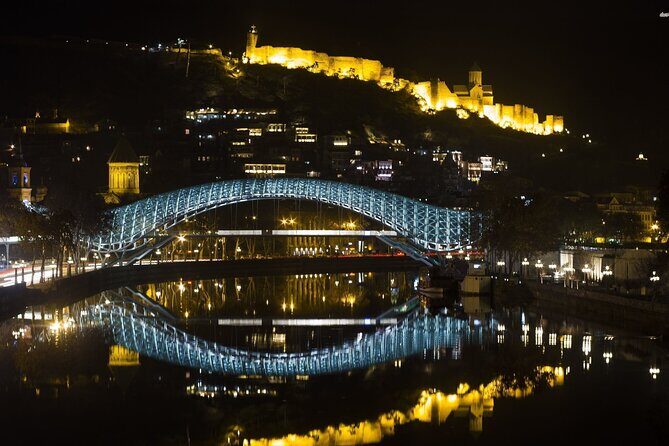
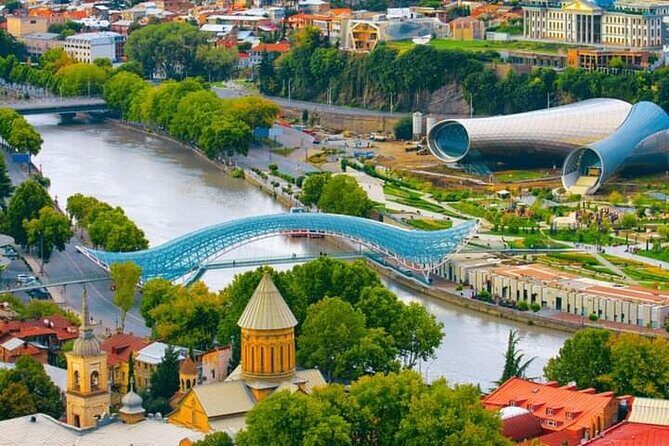
One of the best photo moments on the route is the Bridge of Peace, officially opened in 2010. It’s a glass walking bridge about 156 meters long and is famous for its 10,000 lamps. Even during daylight, it has that clean modern look that makes the older streets around it feel even older.
This is also a good “reset stop” for your legs. You’re moving between zones anyway, and the bridge gives you a wide view while you walk, not just a single pointed landmark.
If you time your tour near evening, the lamps can add drama. If not, it still works because it’s a strong contrast: fortress stone and sulfur baths on one side, lighting and river views on the other.
Wine tasting in Tbilisi: what’s included and why it matters
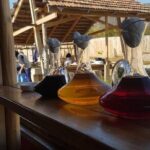
Wine tasting is the heart of why this tour feels more like a local experience than a standard sightseeing walk. The price includes wine tasting, plus the cable car ticket and guide service.
The best part about including wine in the route is that it stops the tour from feeling like only standing and reading plaques. After you’ve walked through history, you’re rewarded with something Georgian culture keeps returning to: fermented grapes, shared glasses, and conversation.
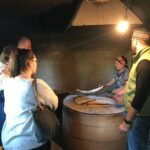
From the experience feedback, wine tastings often land at a cool, local-feeling spot, and some guides add extra Georgian flavor beyond just wine. In at least one case, the tasting ended with chacha, and the guide also guided the group toward a chimney cake afterward. That kind of pairing is the difference between tasting as a line item and tasting as a doorway to what to do next.
If you’re the type who wants to keep learning after the tour, ask your guide for food recommendations right then. Several guides (Luka and Lela show up here) are specifically praised for suggesting places to eat at reasonable prices.
Price and logistics: value for $39, and what to watch for
At $39 per person, you’re paying for more than “a few stops.” You’re also paying for:
- a private guide (so the pacing can match your interests)
- wine tasting
- the cable car ticket to Narikala
For a short Tbilisi visit, that combination is what makes the math work. The cable car alone can be a planning headache if you’re trying to do it on your own. Here, it’s wrapped into the route, so you aren’t wasting time figuring out timing.
Logistics are fairly simple. You’ll meet at Metekhi church and return there. The tour is private, with only your group participating. It’s offered in English. Service animals are allowed.
The main “watch-outs” are physical and timing-based:
- You should have moderate physical fitness for the walking and hills.
- Weather matters. The experience requires good weather, and if it’s canceled due to poor conditions, you’ll be offered another date or a full refund.
- If the cable car is closed, your guide may adapt the schedule. One guide was praised for reorganizing smoothly when the cable car situation changed.
Who should book this and who might skip it
Book this if you want:
- an easy way to get your bearings fast in Old Tbilisi
- a route that mixes major landmarks with practical “this is why the city works” explanations
- wine tasting without turning it into a separate detour
You might want to choose a different style of tour if you:
- want long time in fewer places instead of quick hits across several key sights
- prefer flat, stroller-like walking routes
- are sensitive to stairs and uneven old-town steps
One more note on guides: when people rave about this tour, it’s often about the guide’s balance of detail and brevity and their flexibility. If you’re lucky enough to get Luka, Lela, Mirian, or Mariam, the feedback suggests you’ll get a friendly, story-driven walk that doesn’t feel rushed.
Should you book this private Old Tbilisi wine tour?
Yes, if your goal is a short, high-impact introduction to Old Tbilisi with a real local touch. The included cable car ticket and wine tasting are the big reasons the tour feels like value instead of just another walking route. Plus, the itinerary is built around viewpoints and “why this place exists,” not only pretty backdrops.
If your priorities are slow pacing, deep museum-style visits, or minimal walking, then this might feel a bit fast. But for most first-timers, it’s a strong first-day or late-afternoon option that helps you plan the rest of your trip with confidence.
FAQ
How long is the Old Tbilisi private walking tour with wine tasting?
It lasts about 2 to 3 hours.
What’s the price per person?
The price is $39.00 per person.
Is it a private tour?
Yes. It’s private, so only your group participates.
What language is the tour offered in?
The tour is offered in English.
Where does the tour start and where does it end?
It starts at Metekhi church of the Nativity of the Mother of God on Metekhi St, Tbilisi, Georgia, and it ends back at the same meeting point.
What’s included in the tour?
Included are the guide service, wine tasting, and a cable car ticket.
Is hotel pickup or drop-off included?
No, hotel pickup/drop-off is not included.
Does the tour require physical fitness?
Yes, you should have a moderate physical fitness level.
What if the weather is bad?
This experience requires good weather. If it’s canceled due to poor weather, you’ll be offered a different date or a full refund.
Can I bring a service animal?
Yes, service animals are allowed.