REVIEW · TBILISI
Day Trip to Mtskheta Gori and Uplistsikhe
Book on Viator →Operated by Gamarjoba Georgia Tours · Bookable on Viator
Big history, one day. That’s the deal. This trip mixes UNESCO Mtskheta with the rock-hewn world of Uplistsikhe, then pivots to Soviet-era Gori. You’ll go from carved stone streets to church viewpoints, all on an organized route that keeps the day moving.
What I like most is the range: Uplistsikhe gives you an ancient, physical sense of how people lived, and Svetitskhoveli shows Georgia’s religious power in stone. Add in the option to choose what you do in Gori, and you can steer the day toward museums or street-level exploration.
One thing to consider: this is a long day with real walking and steps, especially at the cave town. If you’re not steady on uneven ground, you’ll want good shoes and a slower pace, and you may prefer more time for breaks in Gori.
In This Review
- Key things you’ll notice on this day trip
- Meeting point, timing, and how the day actually flows
- Getting your hands on the UNESCO highlights: Jvari and Svetitskhoveli
- Jvari Monastery: the viewpoint you’ll remember
- Svetitskhoveli Cathedral: the Living Pillar
- Uplistsikhe Cave Town: walking through a carved timeline
- Gori lunch and free time: choose your comfort level
- What Gori is when you’re not inside a museum
- Stalin Museum in Gori: how to decide without turning the day political
- How the guides shape what you take away
- Transportation and group size: what to expect on the bus
- Price and value: is $29 really fair here?
- What to wear, bring, and watch for
- Who should book this trip (and who might skip it)
- Should you book Day Trip to Mtskheta, Gori, and Uplistsikhe?
- FAQ
- How long is the day trip?
- Where does the tour start and end?
- Is transportation included in the price?
- Are lunch and entrance fees included?
- What language is the tour offered in?
- What is the dress code for churches?
- How physically demanding is it?
Key things you’ll notice on this day trip
- Uplistsikhe: a rock-carved town with layers from the Iron Age to the Middle Ages
- Mtskheta UNESCO pair: Jvari Monastery plus Svetitskhoveli Cathedral
- Gori choice points: lunch upgrade or free time, plus an optional Stalin Museum visit
- Guides who tell the story well: names you may meet include Nini, Metroman, Dimitri, Tota, Tako, and Nene
- Comfort-focused transport: the ride is organized for a full day out of Tbilisi
Meeting point, timing, and how the day actually flows
This tour starts at 9:00 am from the area around M/S Avlabari in Tbilisi. There’s also a “meet and mingle” stop where you can wait with music, board games, and a glass of wine. That’s not a throwaway detail. It helps when you’re traveling solo or new to Georgia and want the day to feel friendly before you ever board the vehicle.
Expect a full schedule with a drive in between historic sites. The itinerary is designed in a practical order: you hit Uplistsikhe first, then work your way back toward Mtskheta later in the afternoon. That’s one of the reasons this day trip feels efficient instead of chaotic.
In terms of pace, it’s not a sit-on-a-bench kind of tour. You’ll spend time outdoors, climb steps (more than you might expect), and move between several key stops. The good news is that the stops are timed so you see the highlights without feeling like you’re on a long bus ride the entire day.
Other Mtskheta tours we've reviewed in Tbilisi

Getting your hands on the UNESCO highlights: Jvari and Svetitskhoveli
Your day ends in Mtskheta, and it’s a strong finale. Two churches anchor the UNESCO story here, and together they show how Georgia’s identity formed around faith, kingship, and place.
Jvari Monastery: the viewpoint you’ll remember
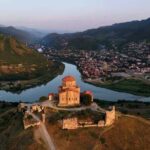
You arrive at Jvari Monastery around 16:35 for about 30 minutes. The name means Monastery of the Cross, and it dates back to the 6th century. It sits on a rocky mountaintop at the confluence of the Mtkvari and Aragvi rivers, with the town of Mtskheta below.
Even if you’re not a “church architecture” person, Jvari works because it’s a viewpoint first. The whole site makes sense as soon as you see how the rivers meet and where the monastery sits relative to Mtskheta.
Practical note: the ground around viewpoints can be uneven. Wear shoes that won’t betray you on stone paths.
Svetitskhoveli Cathedral: the Living Pillar
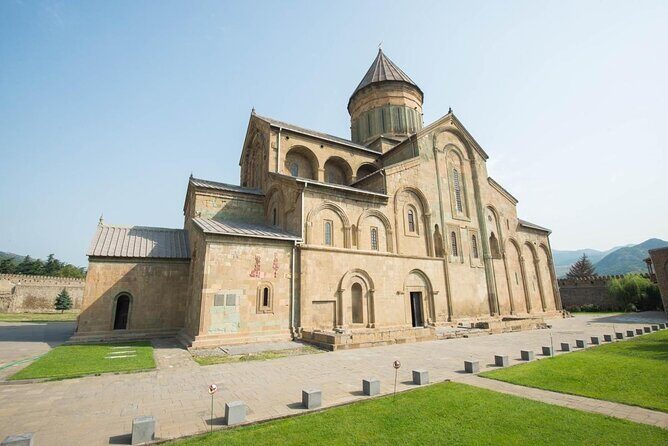
Next comes Svetitskhoveli Cathedral, arriving around 17:25. Mtskheta is one of Georgia’s oldest cities and served as the capital of the early Kingdom of Iberia for centuries. The cathedral you visit is tied to major religious tradition, including the belief it’s the burial place of Christ’s robe.
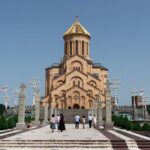
Svetitskhoveli is also described as the second-largest church in Georgia, after the Holy Trinity Cathedral. If Jvari gives you the view, Svetitskhoveli gives you the “this matters” feeling. It’s one of the principal Georgian Orthodox churches, and the scale alone makes it hard to treat as a quick stop.
Dress matters here. For entering churches, shorts aren’t allowed, and women need to cover their heads. If you forget, you might end up stuck outside or improvising with what you have on hand.
Uplistsikhe Cave Town: walking through a carved timeline
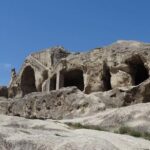
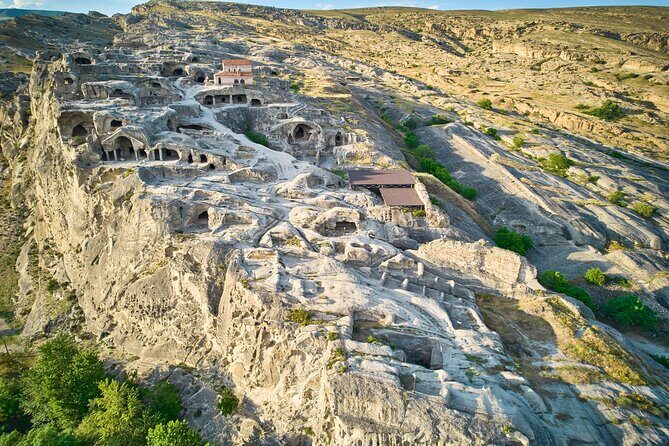
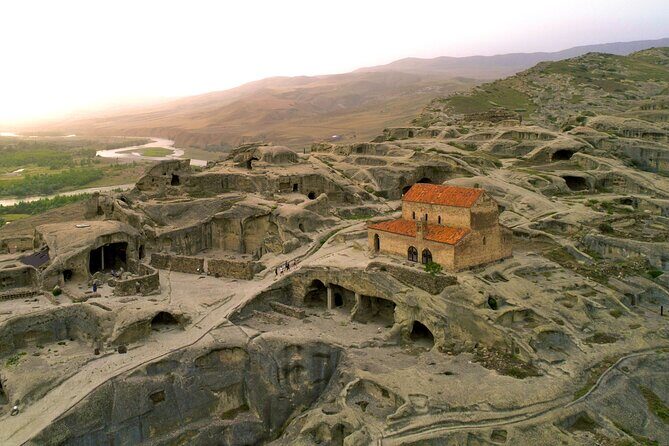
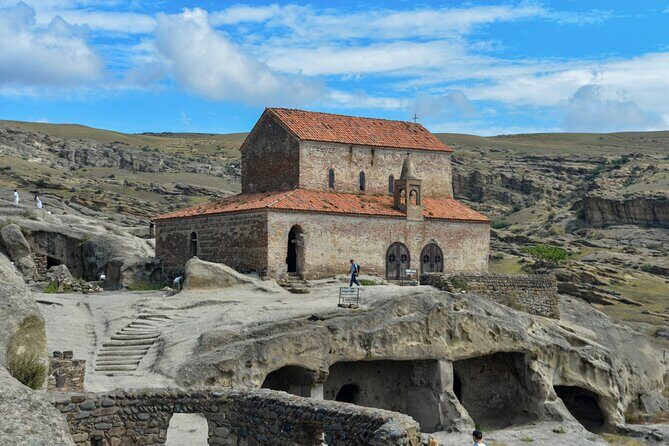
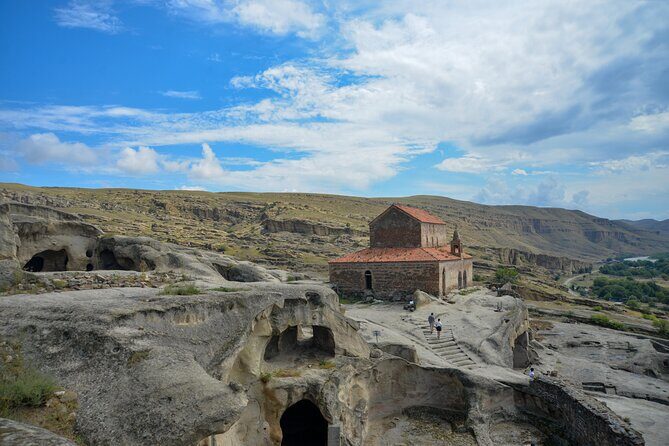
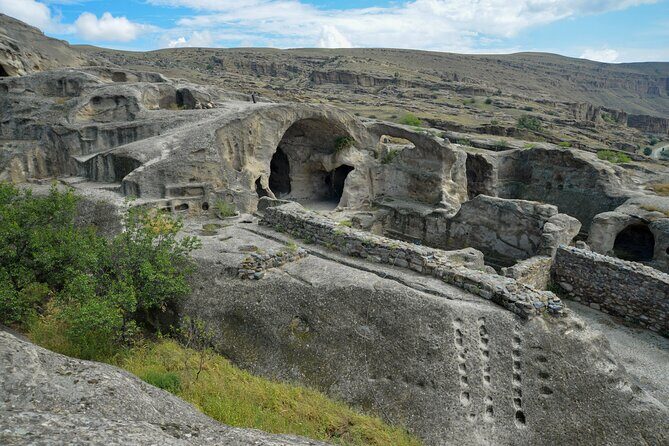
Uplistsikhe is the star stop for a lot of people, and I get why. You arrive around 11:00 for about 1 hour 30 minutes, and what you’re stepping into is an ancient rock-hewn town on the left bank of the Mtkvari River.
The big idea: Uplistsikhe isn’t just a single-era site. It includes structures from the Early Iron Age through the Late Middle Ages, with a mix of architectural influences. The rock-cut culture here reflects connections across Anatolia and Iran, plus both pagan and Christian elements. That combination is rare, and it’s part of what makes the place feel layered instead of repetitive.
What to expect on the ground
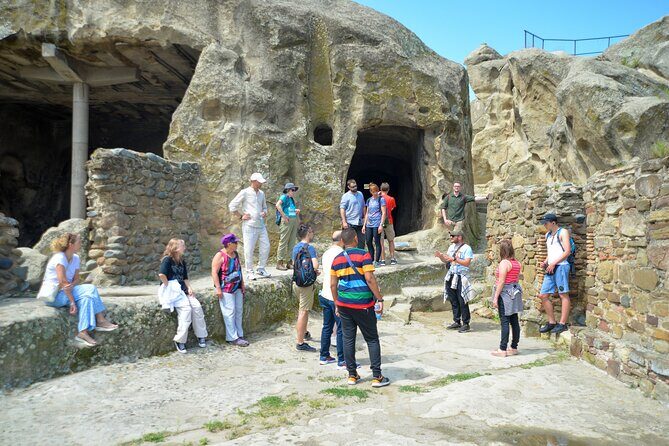
You’ll walk through rock-carved spaces and see how people adapted to the terrain. This is not museum glass. It’s real stone unevenness, stairs, and tight passageways.
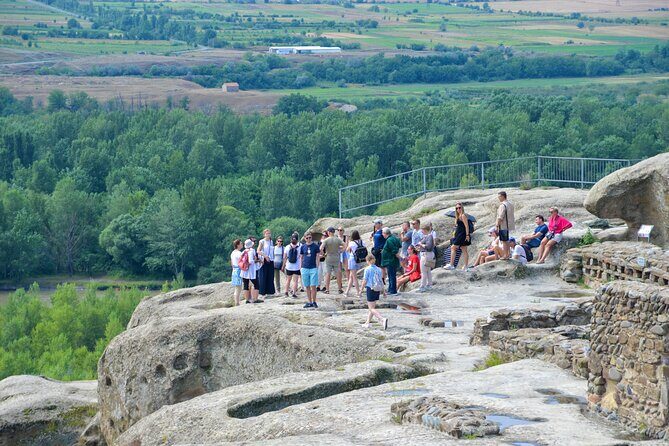
One practical tip: bring a hat and use sensible footwear with grip. The town can involve uneven ground and lots of steps. If you’re sensitive to walking, slow down on the first ramp and save energy for the middle sections.
Entrance fee note: Uplistsikhe admission isn’t included, so you’ll pay on site (15 GEL).
Other Uplistsikhe cave tours we've reviewed in Tbilisi

Gori lunch and free time: choose your comfort level
Around 13:00 you’ll arrive in Gori for lunch time (about 1 hour 30 minutes). Lunch is optional. If you upgrade, you’re looking at a set meal at a local restaurant, listed at 45 GEL (about $17). The tour also offers the chance to use free time in Gori instead.
This is a genuinely useful choice. If you want an easy sit-down break, pick the lunch option. If you’d rather walk and explore at your own pace, use the free time and skip the restaurant plan.
What Gori is when you’re not inside a museum
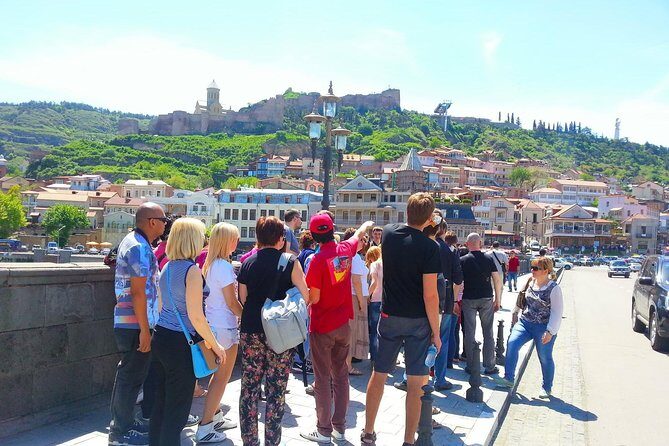
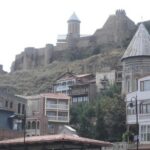
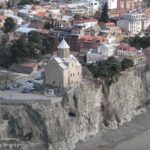
If you go free-time style, you’re in a town with a deep timeline. Gori has been populated since the early Bronze Age. Medieval Georgian annals attribute the founding of Gori to King David IV, and the fortress of Gori (Goris Tsikhe) is said to have been in use by the 7th century. Archaeology also points to an urban community in Classical Antiquity.
And there’s more modern history here too. During the 2008 Russo-Georgian war, the town came under aerial attack from the outset.
If you’re a person who likes context, Gori’s streets can feel more meaningful than you’d expect for a quick stop between big sites.
Stalin Museum in Gori: how to decide without turning the day political
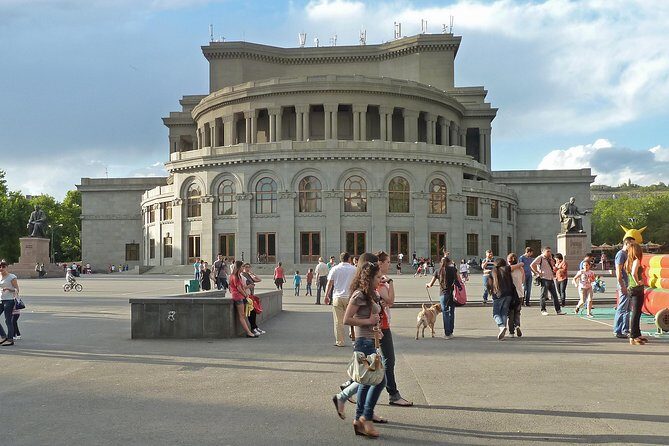
You’ll arrive at the Stalin Museum around 14:45. The museum focuses on Joseph Stalin’s life, including the fact that he was born in Gori. The museum keeps Soviet-era characteristics, including Stalin’s original house and his railway carriage.
Entrance fee note: the museum is optional and not included. The listed cost is 15 GEL.
Should you go inside?
If you’re curious about how regimes shape everyday life and how history is curated, it’s worth it. Even if your feelings about Stalin are complicated (they will be), the museum is still a place where you can watch how a powerful narrative is built and maintained.
If you’d rather keep the day lighter or avoid the emotional weight, don’t feel trapped. The itinerary allows for free time in Gori, and you can swap the museum for something else like the fortress area (if time and your energy allow).
The key is that this stop gives you a choice, and your guide can help you decide on the spot based on what the day needs.
How the guides shape what you take away
The tour depends on your guide, and the good news is this experience has a strong track record of guides who can connect facts to place. Names you may run into include Nini, Metroman, Dimitri, Tota, Tako, Paata, Nene, and Maria. Across these guides, the consistent theme is clear, story-driven explanations of Georgian culture and the “why” behind the sites.
I also like how the itinerary supports different personalities:
- If you want lots of historical context, you’ll get it.
- If you prefer a more relaxed rhythm, you still get enough structure to not feel lost.
A good guide also affects how you handle the toughest physical parts, like the cave town steps. You’ll move smarter, not just faster.
Transportation and group size: what to expect on the bus
You’re getting round-trip transportation from Tbilisi, plus a professional guide. Duration is about 10 hours on average, which is a long day by any standard. Still, the route is planned so you’re not constantly turning back and forth.
Group size is capped at 100 travelers. In real life, that number matters less than how the day feels. When the schedule is tight, it helps if the guide can herd the group efficiently and keep everyone coordinated, and that’s a common strength of this tour format.
Expect a lot of “move, see, walk, move again.” Bring patience for logistics and wear layers. Weather can change quickly, and the tour runs in all weather, so you’re not getting a rain check.
Price and value: is $29 really fair here?
The base price is $29 per person, and that includes professional guide service plus transportation. That’s a big part of the value, since getting between Uplistsikhe, Gori, and Mtskheta efficiently is the hard part for independent travel.
What’s not included matters:
- Lunch upgrade in Gori: 45 GEL (about $17)
- Uplistsikhe entrance: 15 GEL (about $6)
- Stalin Museum entrance: 15 GEL (about $6)
So you’re paying for access to major sights on top of the base tour. The smart way to look at the price is this: the $29 buys you a guided route that stitches together multiple destinations you’d otherwise need separate plans for.
If you skip the optional fees (like the museum and lunch) and focus on the UNESCO churches plus the cave town, you can keep costs down while still seeing the core highlights. If you do pay for the optional bits, you’re basically buying convenience plus guided context in multiple locations.
What to wear, bring, and watch for
A few practical rules will make the day smoother.
- Church dress code: no shorts; women need to cover their heads for entry.
- Cave town footing: bring shoes with good grip. Expect uneven ground and many steps.
- Weather: the tour operates in all conditions, so dress for rain or heat.
- Water: you might want to plan for hydration during outdoor walking, especially with lots of steps around Uplistsikhe.
Also, this is a long day. Build in a mindset for breaks. If you’re not the kind of traveler who enjoys constant motion, you might feel the timeline more than others.
Who should book this trip (and who might skip it)
This day trip fits you best if you:
- want a single day packed with major Georgian sites near Tbilisi
- care about history across time periods, from ancient rock-cut towns to medieval churches to Soviet-era storytelling
- like structured itineraries with enough flexibility at lunch and in Gori
You might skip or adjust expectations if you:
- have mobility limits that make uneven steps hard
- prefer fewer stops and more time per location
- want to avoid Soviet history completely (you can skip the Stalin Museum, but you’ll still pass through Gori)
Should you book Day Trip to Mtskheta, Gori, and Uplistsikhe?
Yes, if you want maximum signal for one day. The pairing of Uplistsikhe with Jvari and Svetitskhoveli gives you a strong “Georgia identity in three acts” story: ancient survival in stone, medieval faith and viewpoint drama, then a modern lens through Soviet history in Gori.
I’d book it with one decision in mind: how you want to handle Gori. If you’re curious about the Stalin Museum, pay the optional entry and go. If you want something lighter, use the free time and keep the day focused on the places that feel most inspiring to you.
FAQ
How long is the day trip?
The tour is about 10 hours on average.
Where does the tour start and end?
It starts at the meeting point near M/S Avlabari in Tbilisi and ends back at the same meeting point (around 50 meters from Avlabari metro station).
Is transportation included in the price?
Yes. The price includes transportation and a professional guide service.
Are lunch and entrance fees included?
Lunch in a local restaurant is optional (45 GEL). Entrance fees are not included for Uplistsikhe (15 GEL) or the Stalin Museum (15 GEL).
What language is the tour offered in?
The tour is offered in English.
What is the dress code for churches?
No shorts are allowed for anyone entering a church, and women need to cover their heads.
How physically demanding is it?
Expect walking and steps, especially at Uplistsikhe, which is a rock-carved site.