REVIEW · TBILISI
Tbilisi and Mtskheta walking Tour – Old Capital of Georgia
Book on Viator →Operated by Private Multi-Day Tours in Georgia · Bookable on Viator
Georgia’s capitals in one long, walkable day. You get a smart mix of new-vs-old Tbilisi and the UNESCO sites of Mtskheta, starting right at 10:00 with hotel pickup and a day plan that’s easy to follow. This is a private group tour (up to 6), so the pace stays human and the story can actually fit what you’re seeing.
I especially like the way this tour builds from Narikala Fortress and classic Old Town stops into big-city icons like the Holy Trinity Cathedral. You also get solid coverage in Mtskheta, including the Jvari Church area and the UNESCO-listed church sites—so the old capital isn’t just a quick photo stop.
One thing to consider: it’s a full day with a lot of walking on hills and stairs, plus the dress code is listed as formal. And even though many viewpoints and churches are free, you may still want to budget for cable car or funicular tickets since those aren’t included.
In This Review
- Key points that make this tour worth your time
- How the Tbilisi-to-Mtskheta flow stays logical
- Meeting at 10:00: a private plan that respects your time
- Narikala Fortress: your first big view, no entry fee stress
- Sioni Cathedral: small time, specific church details
- Old Town Tbilisi walk: where the day becomes real
- Anchiskhati Basilica: the oldest stop gives context fast
- Holy Trinity Cathedral: new, big, and worth the stop
- Bridge of Peace: a design stop that’s quick and fun
- Mtatsminda amusement park: views, plus a built-in break
- Then Mtskheta: UNESCO sites with a clear purpose
- Price and logistics: what $140 covers (and what you’ll pay extra)
- Getting the most from a day this full
- The guide factor: energy, professionalism, and real kindness
- Who should book this tour
- Should you book this Tbilisi and Mtskheta walking tour?
- FAQ
- What time does the tour start?
- Is hotel pickup and drop-off included?
- How much does the tour cost and how big is the group?
- What’s included in the price?
- Are entrance fees included?
- What is the cancellation policy?
Key points that make this tour worth your time
- Private group size (up to 6) keeps it flexible, not rushed.
- Hotel pickup and drop-off saves time in a city where hills can eat your day.
- Narikala Fortress + Old Town Tbilisi gives you both views and the street-level feel.
- Mtskheta UNESCO stops connect Georgian Christianity and royal-era stories in one sweep.
- Bridge of Peace is a fun design moment (glass bridge with an Italian link).
- Guide energy and hospitality are repeatedly praised, including kindness toward families.
How the Tbilisi-to-Mtskheta flow stays logical
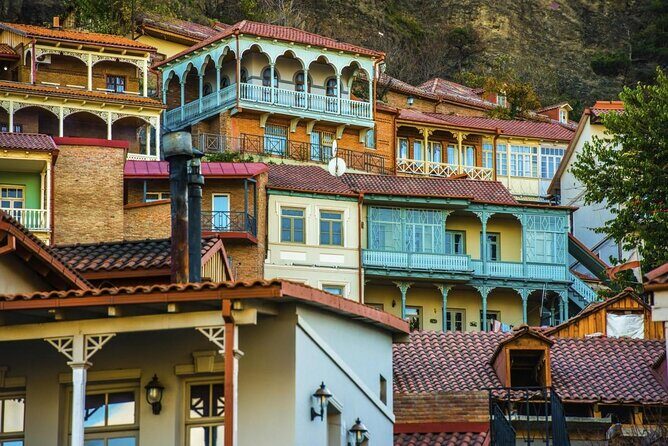
This tour is built around a simple idea: see the modern capital first, then step into the older power center. Tbilisi is where you’ll get the contrast—churches, fortress viewpoints, cable cars, and the modern Holy Trinity Cathedral—all while walking through the streets of Old Town. Then Mtskheta shifts the mood. You’re not just sightseeing; you’re moving into a place tied closely to Georgia’s early Christian story and royal era.
The best part is that the route feels like a progression. You start higher up in the city with Narikala-area viewpoints, then head into Old Town where everything is close enough to connect by foot. After that, the day turns toward Mtskheta’s UNESCO sites, so the time you spend isn’t scattered.
Other Mtskheta tours we've reviewed in Tbilisi

Meeting at 10:00: a private plan that respects your time
The start time is 10:00 am, and you’ll have hotel pickup and drop-off. That matters in Tbilisi, where getting around efficiently can be its own mini-adventure. Because it’s private (only your group), you’re not stuck waiting for other people to wander in the wrong direction or debate every photo.
The tour price is $140 per group up to 6, which can be a good deal if you fill the group slots. Even if you’re a smaller group, you’re still paying for a private driver/guide and private vehicle, plus bottled water and a clear day plan.
You’ll also receive a mobile ticket, which is usually easier than juggling paper tickets mid-day.
Narikala Fortress: your first big view, no entry fee stress
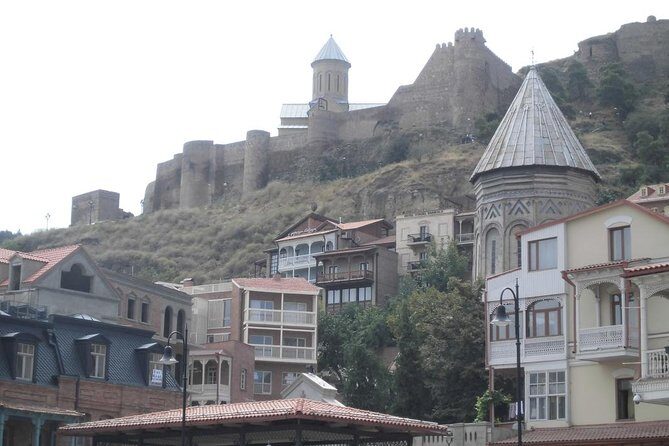
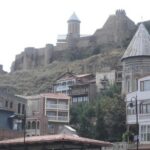
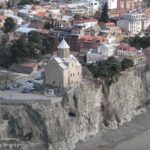
Stop 1 is Narikala Fortress, described as a 5th-century fortress in Tbilisi. Even if you don’t go deep into the stones, this is the right opening act. The fortress area naturally frames the city, and it helps you understand Tbilisi’s layout—where the steep slopes and old walls influenced how people built and traveled.
The stop is listed as 30 minutes, and admission is free. That’s a nice combo: you get a meaningful viewpoint moment without eating hours that you’ll want later for Old Town walking.
Practical note: you’ll likely feel it in your legs. If you know you’re sensitive to steep climbs, plan to go slow and lean on the guide’s pacing.
Sioni Cathedral: small time, specific church details
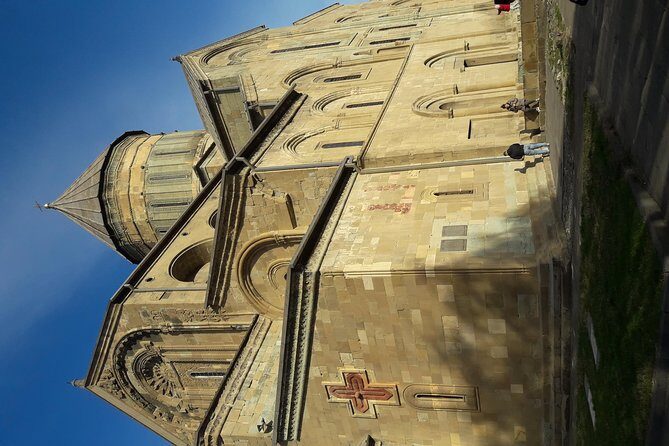
Next up is Sioni Cathedral Church, listed as a 19th-century church with Georgian and Russian frescoes. This is the kind of stop that works well inside a longer day, because it adds depth without turning into a long museum detour.
It’s scheduled for about 15 minutes, and entry is free. So you can absorb the frescos and architecture without losing momentum.
If churches aren’t usually your thing, this one is still worth the time because the fresco note gives you something concrete to look for instead of just staring at walls.
Old Town Tbilisi walk: where the day becomes real
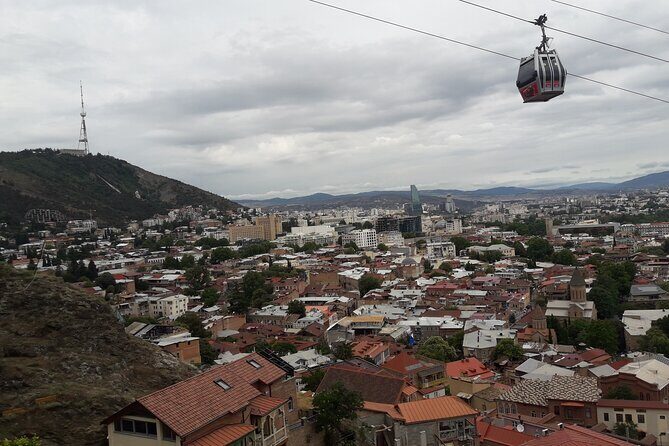
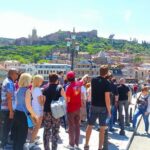
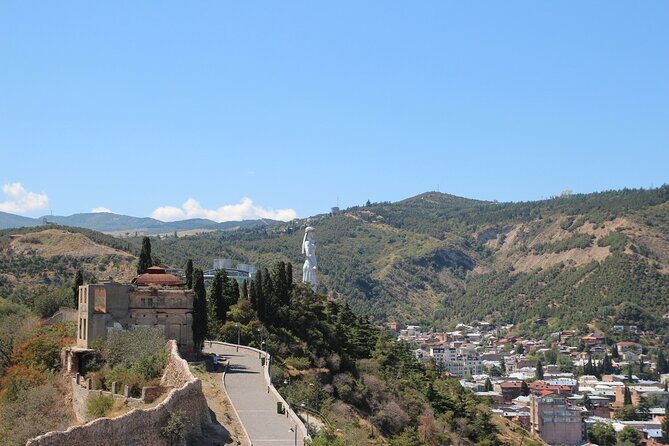
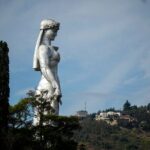
The heart of the itinerary is the Old Town walking block—about 2 to 3 hours. The plan focuses on major sights in the center: monuments, attractions, sculptures, churches, and even the royal district feel. You’ll also be guided past the sulfur baths, the Peace Bridge, the Mother of Georgians sculpture, and the areas around cable cars. There are mentions of hidden paths too, which is a polite way of saying your guide will steer you toward interesting street-level corners instead of only the obvious routes.
You’ll spend time around Meidan Square, plus other main sightseeing points. This is the moment when the tour stops feeling like a list and starts feeling like a walk through how Tbilisi actually lives.
A key practical detail: some things in this zone (like cable cars) are not included. The tour says entrance fees, including cable and funicular, aren’t included. So if you want to ride, you’ll likely pay that separately. Still, you’ll see the features even if you skip the ride.
Also, the itinerary mentions a Botanical garden belonged to the kings, known in earlier times as Kings garden. That’s the kind of pause that helps a walking day feel less like nonstop motion. Even if you don’t treat it as a deep botanical stop, the garden angle breaks the pattern.
Other Tbilisi walking tours we've reviewed in Tbilisi




Anchiskhati Basilica: the oldest stop gives context fast
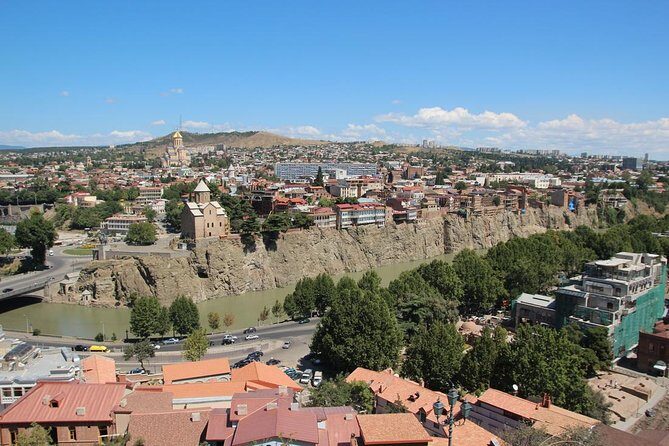
Stop 6 is Anchiskhati Basilica, described as the oldest church in Tbilisi from the 6th century. This is one of those stops that can reframe everything you’ve already seen. If you’ve been looking at Old Town churches mostly as architecture, this pushes the story deeper: you’re not only in the present-day city—you’re standing in a spot that connects to very early Georgian Christian traditions.
This is a short stop (about 10 minutes) and admission is free. It’s designed for quick context, not a long sit-down. If you like to take photos, I’d treat this as a strong one for quick interior viewing if allowed, then move on.
Holy Trinity Cathedral: new, big, and worth the stop
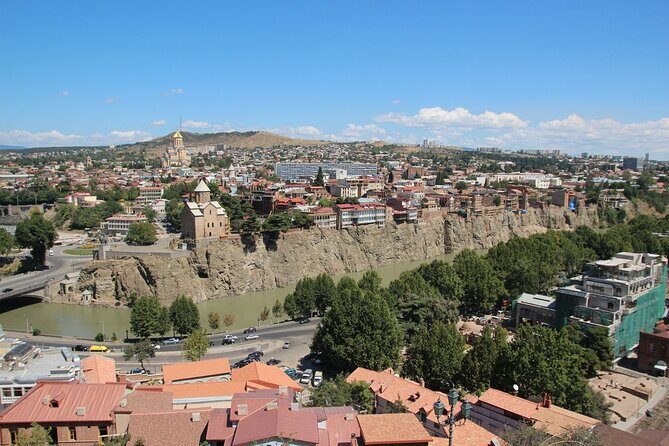
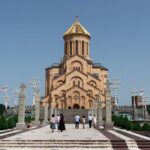
Stop 4 is Tbilisi Holy Trinity Cathedral, described as a new and the highest Orthodox church in Georgia. Even if modern churches aren’t your usual preference, this is a useful contrast point. Narikala and Old Town are all about older layers—fortress history, early church roots, and street-level heritage. Holy Trinity shifts you into the Georgia of today and the monumental scale of modern Orthodox architecture.
It’s on the schedule for about 30 minutes, with free admission listed. That’s enough time to look around, orient yourself in the space, and get a few strong photos before moving on.
Bridge of Peace: a design stop that’s quick and fun
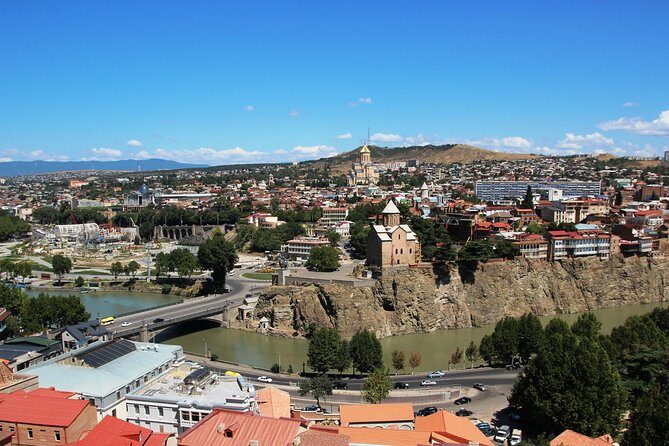
Stop 7 is The Bridge of Peace—a glass bridge in Old Tbilisi built by an Italian architect as a copy of an old wooden bridge. It’s brief (15 minutes), and admission is free.
Why I like this stop: it’s not just a photo bridge. You get a small architectural story—modern materials and a nod to the older bridge concept. It’s also a visual breather between church stops and the longer walking stretches.
If your feet are tired, this is the kind of segment that still feels worthwhile without being a slog.
Mtatsminda amusement park: views, plus a built-in break
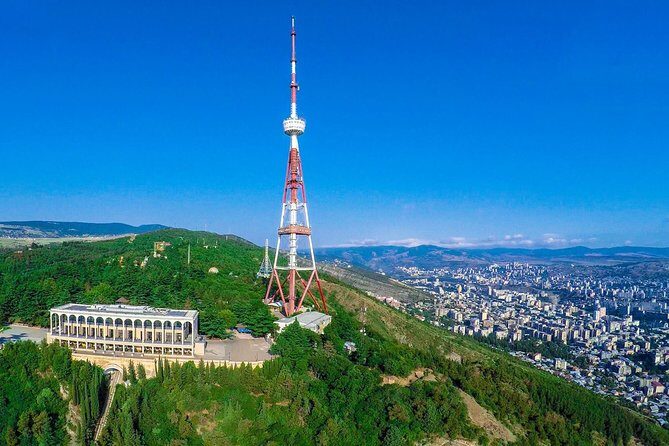
Stop 8 includes Mtatsminda Amusement Park, with the option to reach the area via funicular or by car. The scheduled time is about 1 hour, and admission is listed as free.
This is a good place for a reset. The route up helps you see the city from above, and the top is known for Tbilisi views. If you’re traveling with kids, this can turn the day from mostly churches into something lighter.
One caution: the funicular ticket isn’t included, since cable and funicular entries are listed as not included. So if you want the classic ride up, budget a bit more. You still might choose car if you’d rather save time or money, depending on what’s available that day.
Then Mtskheta: UNESCO sites with a clear purpose
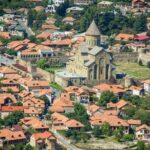
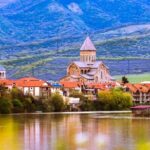
After the Tbilisi day portion, the tour shifts to Mtskheta, the old capital area. Here the focus is history you can actually connect to place: you’ll explore UNESCO-listed sites such as the Jvari Monastery and the Svetiskhoveli Cathedral area (both called out in the tour overview).
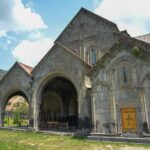
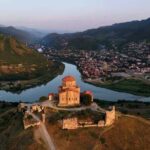
Stop 5 is Jvari Church, listed as a 6th-century monastery and church. It gets 30 minutes and free admission. Jvari is one of those stops where time feels well used because the setting and the age of the site naturally draw attention. If you’ve spent the morning learning the city’s layers, Mtskheta feels like the next chapter—older, more grounded, and tied closely to early Christian Georgia.
The big value here is not just the monuments; it’s the way the tour connects them. You’ll learn how the geography and faith story shaped where power and pilgrimage developed.
Price and logistics: what $140 covers (and what you’ll pay extra)
At $140 per group (up to 6), the math can work well. If you fill the group slots, you’re effectively splitting the cost of private vehicle + hotel transfers + local driver/guide + bottled water. That’s often cheaper than piecing together taxis for a full day and paying separately for a private guide.
What’s not included is also important for planning:
- Food and drinks (you can buy along the way)
- Entrance fees at museums
- Cable and funicular tickets
So your total spend depends on how much you use the rides and how your group likes to snack during the day.
If you’re a couple, you’ll still get the private service value, but you may feel the per-person price more than a full group.
Getting the most from a day this full
This is a walk-heavy itinerary with hills, fortress areas, and church stops. To make it feel good instead of tiring, I’d plan like this:
- Wear comfortable shoes with good grip. You’ll be doing serious walking and likely stairs.
- Bring a light layer. Church interiors and time spent in shaded areas can feel cooler than the street.
- Respect the formal dress code. In practice, choose something that looks formal enough but still works for walking.
- Carry a little cash or card for cable car/funicular if you want those experiences.
- Bring your questions. This is the type of tour where the guide’s explanations can turn a quick stop into something you’ll remember.
And one more practical point: confirmation is sent within 48 hours of booking (subject to availability). If you’re traveling in a busy season, it’s worth booking early so your date locks in smoothly.
The guide factor: energy, professionalism, and real kindness
This tour leans on your guide. Based on guide feedback, George (including George Zardiashvili) is known for strong energy and clear explanations, plus a very human, kind approach. One family-style experience stood out for being accommodating for a toddler, which tells me the tour can flex when you’re traveling with small kids.
That matters. A full-day route with a lot of walking can become stressful if the guide keeps pushing. Here, the service reputation points toward a guide who slows down when needed, keeps the day moving, and still gives you meaningful context at each stop.
Who should book this tour
I’d point you toward this tour if you want:
- A structured full day that covers both Tbilisi and Mtskheta highlights
- Church and fortress sightseeing with practical time limits (not endless wandering)
- A private-group feel where the guide can adapt to your pace
- A mix of views, bridges, and UNESCO sites in one plan
You might skip it if:
- You hate walking on hills and steps
- You prefer loose, self-paced touring with lots of free time
- You strongly dislike formal dress expectations
Should you book this Tbilisi and Mtskheta walking tour?
If you’re trying to make the most of a single day and you like your sightseeing organized, this is a strong choice. The Tbilisi-to-Mtskheta structure makes sense, and the free stops (like Narikala and key churches) help keep costs from ballooning. The private-group setup and the guide’s reputation for kindness and energy are also real selling points.
Book it if you want history + viewpoints without spending your vacation coordinating transport. Pass if you want a slow day with minimal walking, or if your group can’t meet the formal dress code.
If you do book, show up with good shoes, plan for a few small extras like cable or funicular tickets, and let the guide’s route help you see more than just the main postcard spots.
FAQ
What time does the tour start?
The start time is 10:00 am.
Is hotel pickup and drop-off included?
Yes. The tour includes hotel pick-up and drop-off.
How much does the tour cost and how big is the group?
It costs $140.00 per group for up to 6 people.
What’s included in the price?
Included: a local driver/guide, hotel pick-up and drop-off, transport by private vehicle, and bottled water.
Are entrance fees included?
No. Entrance fees at museums, and cable and funicular tickets are not included.
What is the cancellation policy?
You can cancel for free. For a full refund, cancel up to 24 hours in advance of the experience’s start time.