REVIEW · TBILISI
From Tbilisi: Vardzia, Rabati Castle & Borjomi Tour with Guide
Book on Viator →Operated by Dream Tours · Bookable on Viator
A single day, three very different Georgian legends. This tour strings together Borjomi’s mineral-water ritual, Rabati Castle in Akhaltsikhe, and the cave churches of Vardzia, with a guide who keeps the story clear from stop to stop (our guide was George). I especially liked the chance to see how the monastery was built to function like a whole community, not just a viewpoint. One thing to plan for: it’s a long drive day, and the ride can feel tight depending on the vehicle.
The value is strong if you want guided context and don’t want to figure out routes yourself. You get transport, a guide, and space for 40KG luggage, plus free time in Borjomi for optional add-ons like cable car time or active extras. The main drawback to weigh is that the tour timing can run longer than the rough estimate, so start the day rested.
In This Review
- Quick hits before you go
- The 7:00 am start: what your morning actually feels like
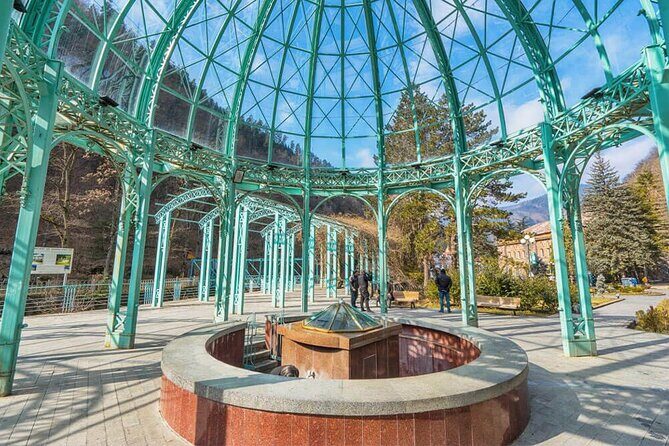
- Borjomi Central Park and the blue-dome mineral water
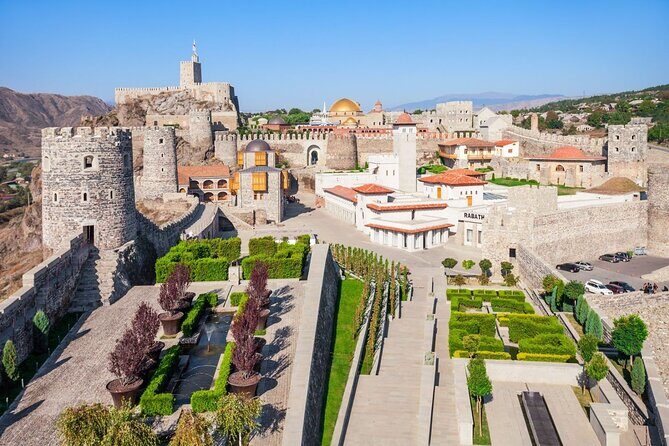
- Rabati Castle in Akhaltsikhe: fortress, ruin, and renovation
- Vardzia cave monastery: built as a fortress, designed as a monastery
- Assumption of Mary Church and the mural scene
- What the guide actually adds (and why it matters)
- Transportation, luggage, and comfort on a 10-hour-ish ride
- Lunch break and the money math for this day
- Best-fit travel style: who will like this tour most
- Should you book the Borjomi, Rabati Castle & Vardzia tour?
Quick hits before you go
- Early 7:00 am start from the Opera and Ballet Theater area, so plan for a proper wake-up
- Borjomi mineral water under the park’s blue dome, with time to explore on your own
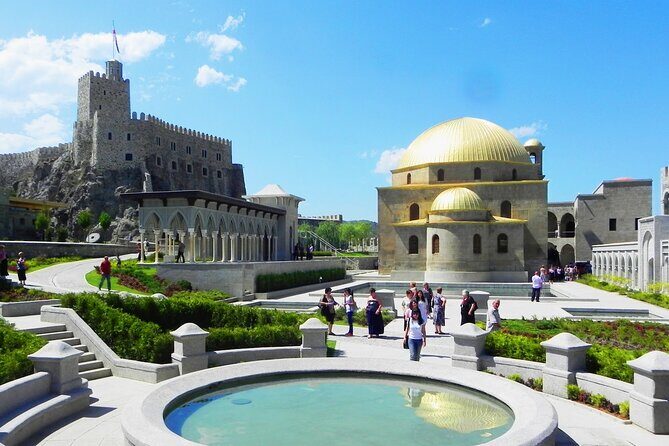
- Rabati Castle’s layered story, from fortress roots to later Russian-era decline and 2011–2012 renovation
- Vardzia is a whole system, with 15 churches plus storage, wine cellars, and jars
- Lunch is at your expense, so bring a realistic budget and appetite
- Small group size (max 18) helps keep the day feeling manageable
The 7:00 am start: what your morning actually feels like
Pick-up is at the Opera and Ballet Theater of Tbilisi, starting at 7:00 am. That early departure is the only way this route works, because you’ll be crisscrossing the countryside toward Borjomi, then Akhaltsikhe, then Vardzia before heading back.
I like tours that respect your time by compressing the geography into one plan. Just don’t treat the listed duration as guaranteed. Road conditions and traffic can stretch the day, and you should expect a schedule built around multiple stops, not a smooth, nonstop run.
Other Vardzia cave city tours we've reviewed in Tbilisi
Borjomi Central Park and the blue-dome mineral water
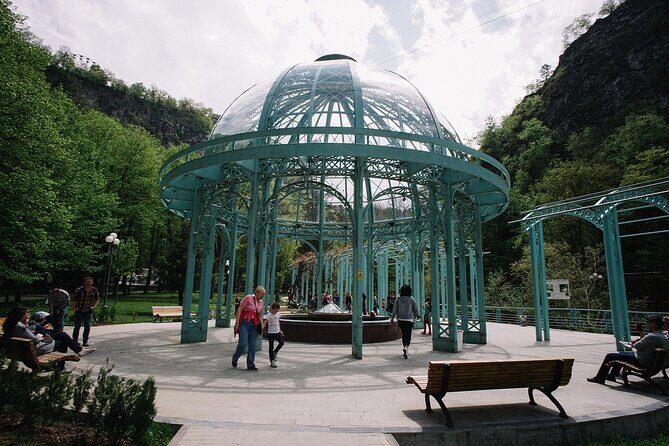
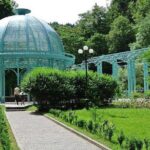
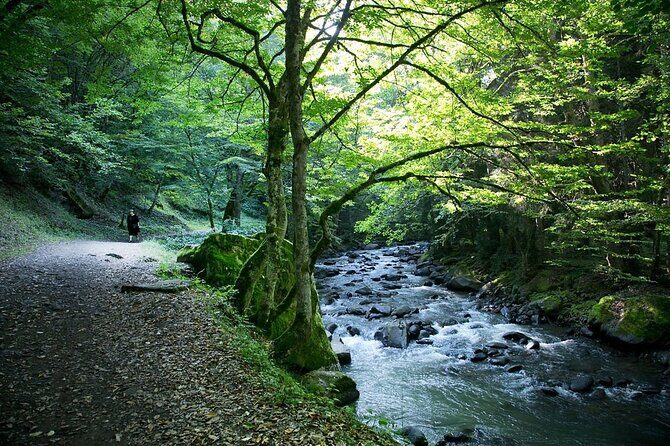
This stop hits one of Georgia’s easiest “small but meaningful” experiences: tasting the local mineral water right in the park. You’ll visit Borjomi Central Park, then try the water under the park’s blue dome, famous for its healing properties.
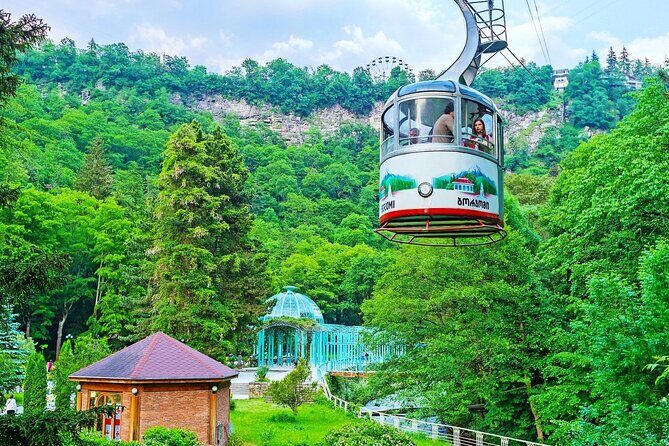
What I like here is that Borjomi isn’t just a photo break. You get real free time, so you can choose your pace. If you want to keep it simple, walk the park area, try the water, and enjoy a slower rhythm before more driving.
If you want movement, there are optional activities you can arrange at your own expense, like:
- taking the cable car
- horse riding
- rafting
- a quadricycle tour
If you’re the type who likes a plan but still wants choices, this is a good balance.
Rabati Castle in Akhaltsikhe: fortress, ruin, and renovation
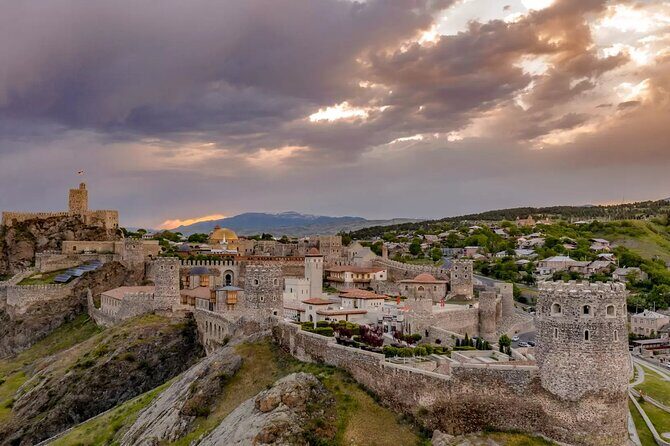
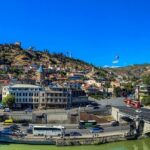
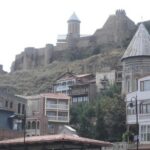
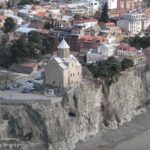
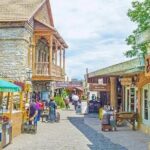
After Borjomi, the tour heads to Rabati Castle, perched at the highest point in Akhaltsikhe. Even without reading anything, you’ll feel why people built here: control, visibility, and defensibility.
The key story your guide will bring is how the castle’s role changed over time. It slowly fell to ruin after being taken by the Russian Imperial Army during the Russo-Turkish War of 1828–1829. Then came the modern turning point: Rabati was renovated in 2011–2012.
I find renovated historical sites tricky in general, but Rabati is worth your attention because the transformation helps you understand the “before and after” story in one place. You’re not just seeing a wall—you’re seeing how power and policy can reshape architecture.
Practical tip: wear something comfortable for walking on uneven ground. You’ll be doing short stretches of uphill and downhill as you explore viewpoints and courtyards.
Vardzia cave monastery: built as a fortress, designed as a monastery
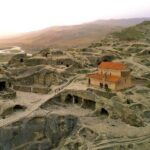
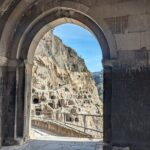
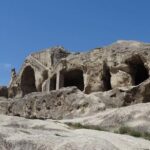
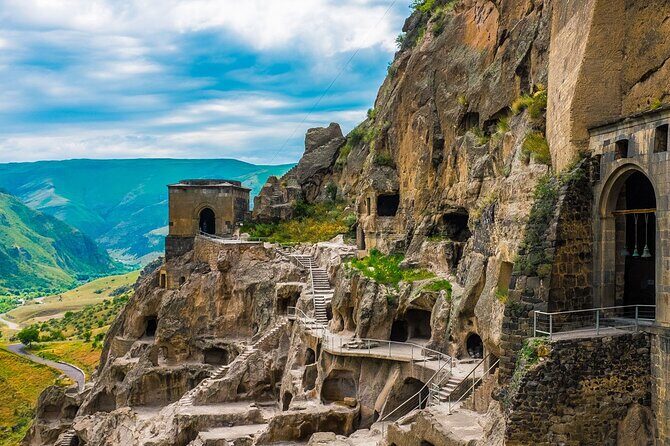
Then comes the highlight for most people: Vardzia, a cave monastery complex carved into rock and built in the 12th–13th centuries. The place started as a fortress, but it was later designated a fortified monastery under Queen Tamar. That single detail changes how you look at the site, because it explains why the complex is so organized and functional.
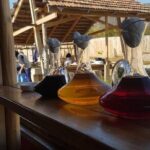
One reason I rate this stop so highly is scale. You’re not just visiting one church. The complex includes 15 churches, plus about 600 storage facilities and refectories, along with structures like shacks and pantries, backup storages, and serious wine infrastructure: 25 wine cellars and 185 wine jars. That’s how you get the sense this monastery wasn’t only for worship—it was built to last, store food and supplies, and keep life running.
Assumption of Mary Church and the mural scene
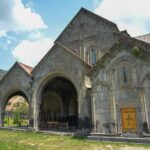
Inside Vardzia, you’ll visit the Assumption of Mary Church, one of the 15 churches. It’s also where you’ll see a mural depicting Giorgi III, Queen Tamar, and other nobles from the monastery’s construction period.
I like stops where the artwork ties directly to the people and politics behind the stones. This mural does that job: it turns the site from “ancient ruins” into a specific moment in Georgian history—names, rulers, and the era that shaped what was built.
If you’re expecting Vardzia to be mostly cave corridors, you’ll still be right—but don’t underestimate the viewpoints and open areas. The site works because your eyes keep moving between carved spaces and the broader rock formations.
Other Borjomi and Rabati tours we've reviewed in Tbilisi
What the guide actually adds (and why it matters)
This tour is built around a guide service, and that’s not just a nice extra. The real payoff comes when a guide connects the stops so you feel the “why” behind each one.
Our guide George was praised for detailed, informative explanations throughout the day. That kind of commentary is especially valuable at Vardzia, where the numbers (church count, storage spaces, wine jars) can otherwise feel overwhelming.
One caution from real-world experience: the tour is offered in English, but some explanations may land differently depending on language depth. If you’re fluent in Russian, you might catch more nuance. If you’re not, you can still have a great time—just treat the day as guided sightseeing with key historical anchors, not a word-for-word lecture.
Transportation, luggage, and comfort on a 10-hour-ish ride
Transportation is included, with a stated space for up to 40KG luggage. That’s helpful if you’re traveling with more than a small daypack, since you won’t have to drag bags around while you explore.
Still, comfort on long road days can vary. One past comment pointed out that the vehicle may be packed, especially in the front rows, and that can make the ride less pleasant. Operators may follow safety and capacity standards, but “legal” comfort and “you’ll love this” comfort are not the same thing.
My practical advice:
- Bring a layer for the car ride, even in warmer months.
- If you get motion discomfort, sit where you feel least bothered (usually middle/back is better than front, but it’s personal).
- Assume you’ll want toilet stops and do not plan anything tightly timed before or after.
The good news: the day is set up with regular stops, and the long-drive structure is part of how the tour stays workable.
Lunch break and the money math for this day
Lunch happens mid-day at a restaurant stop, and it’s at your own expense. The listing gives an average estimate for food and drink around USD 8.00 per person, depending on what you order.
That estimate is useful for budgeting, but I’d think of it as a guideline for a basic meal rather than a “guaranteed cap.” If you want a drink, dessert, or something more filling, you’ll likely pay more—especially in a day where you’re walking and driving all day.
If you’re trying to keep costs predictable, eat something simple at lunch and save your spending for optional Borjomi activities (like cable car time or the more active add-ons).
Best-fit travel style: who will like this tour most
I think this tour suits you if you want:
- a single guided day that covers Borjomi + Rabati + Vardzia
- the convenience of transport and a guide handling the timing
- structured stops with optional free time in Borjomi
It’s especially good if you like variety. Borjomi is relaxing and sensory (mineral water under the blue dome). Rabati is built for history and views. Vardzia is for big-picture thinking—monastery life as infrastructure, not just a set of ruins.
It may feel less ideal if you’re very sensitive to cramped seating or you hate long road days. This is still a “day tour,” but it behaves like a full excursion.
Should you book the Borjomi, Rabati Castle & Vardzia tour?
Yes, I’d book it if your priority is a guided hit list of three Georgia highlights in one go. The value is strongest when you want context you can’t easily get on your own, and when you like the idea of tasting the mineral water and then spending real time at Vardzia’s cave churches.
I’d pause and reconsider if you know you’ll struggle with long driving, tight seating, or a day that can run longer than the rough duration. If that’s you, decide based on how you handle road time, not on the itinerary on paper.
If you book: go in with the right mindset. This isn’t about sprinting through stops—it’s about letting Borjomi reset you, Rabati frame the region’s political shifts, and Vardzia show you how people once built entire livelihoods into rock.