REVIEW · TBILISI
Full Day Tour of Tbilisi and Mtskheta
Book on Viator →Operated by Georgian Holidays · Bookable on Viator
Tbilisi history in a single packed day. This full-day small-group tour strings together UNESCO Mtskheta with the best classic stops in Tbilisi, with a guide who gives the stories behind the churches and viewpoints. I especially like the pacing: you get big sights like Jvari Monastery and Svetitskhoveli Cathedral without feeling like you’re racing a clock. I also like that transport, a professional guide/driver, bottled water, and entrance fees are handled for you.
One thing to consider: the itinerary includes visiting churches and there are rules about entering during services. On the relevant days, the order can change, so don’t expect the inside access to be identical every day.
In This Review
- Key Highlights You’ll Feel Right Away
- Meeting the Guide: Rose Revolution Square at 10:00
- Price and What You’re Actually Paying For
- Mtskheta Morning: Jvari Monastery and the River Confluence
- Svetitskhoveli Cathedral: Sacred Georgia in Real Stone
- Walking Through Mtskheta’s City-Museum Reserve (and a Wine Stop)
- Samtavro Church: A Short Medieval Detour
- Narikala Fortress by Cable Car: Panoramas, Then a Downhill Wander
- Abanotubani: Sulfur Baths District and the Falcon Legend
- Meidan Square and Shardeni Street: Easy Browsing With Real Tbilisi Energy
- Metekhi Cathedral Plateau: Back to Tbilisi’s Historic Heart
- The Guides Make or Break the Day
- Practical Tips Before You Go
- Is This Tour Worth Booking?
- Should You Book This Full Day Tbilisi and Mtskheta Tour?
- FAQ
- What time does the tour start?
- How long is the Full Day Tour of Tbilisi and Mtskheta?
- Where do we meet the guide and driver?
- What’s included in the tour price?
- Are meals included?
- Is this tour private or small-group?
- What language is the tour offered in?
- What happens if churches have services on the day of the tour?
- Can I cancel for a full refund?
Key Highlights You’ll Feel Right Away
- UNESCO Mtskheta in one morning: Jvari Monastery and Svetitskhoveli Cathedral in a tightly logical route
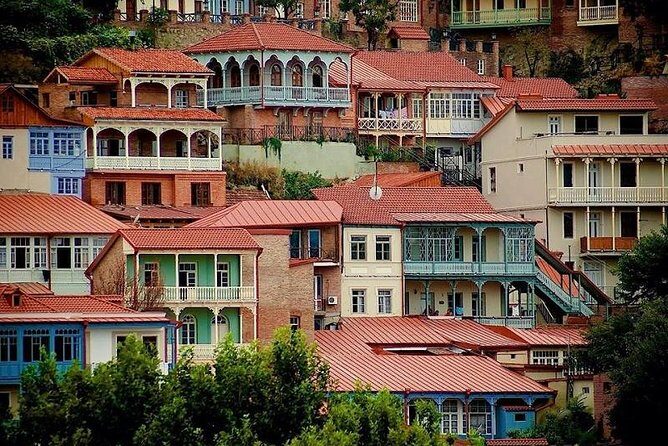
- Views with a shortcut: Narikala Fortress via aerial cable car, then a downhill stroll through the old-town vibe
- Proper context, not just photos: guides explain the religious and historical meaning behind each stop
- Tbilisi’s sulfur-bath district: Abanotubani comes with legend and atmosphere, not just a quick stop
- Local shopping energy: Meidan Square and Shardeni Street area for souvenirs, cafes, and browsing
Meeting the Guide: Rose Revolution Square at 10:00
Your day starts at 10:00 am near the Giant Bicycle monument by Rose Revolution Square. It’s an easy landmark to find, and the meeting point is near public transportation, which helps if you’re arriving from elsewhere in the city.
This is designed as a private outing for your group (not a public bus shuffle), with English offered. The day runs about 7 hours 40 minutes and finishes back at the same meeting point, so you don’t have to think about a second “end location.”
Other Mtskheta tours we've reviewed in Tbilisi

Price and What You’re Actually Paying For
At $158 per person, this isn’t a bargain-basement option. But it’s also not just a ticket to a bus ride. You’re paying for a professional guide/driver, transportation, bottled water, and entrance fees handled as part of the program.
A few costs that matter for planning:
- Meals aren’t included, so you’ll want to budget for lunch/snacks on your own.
- Alcoholic drinks aren’t included either.
- The big “paid experience” moment is Narikala Fortress reached by aerial cable car, and that stop is marked as included.
If you’re the type who hates collecting tickets, locating viewpoints, and translating signage, this kind of pricing starts to look more reasonable. If you’re the type who enjoys doing everything independently, you may question the value—but you’re still paying for someone to keep you moving intelligently through both cities.
Mtskheta Morning: Jvari Monastery and the River Confluence
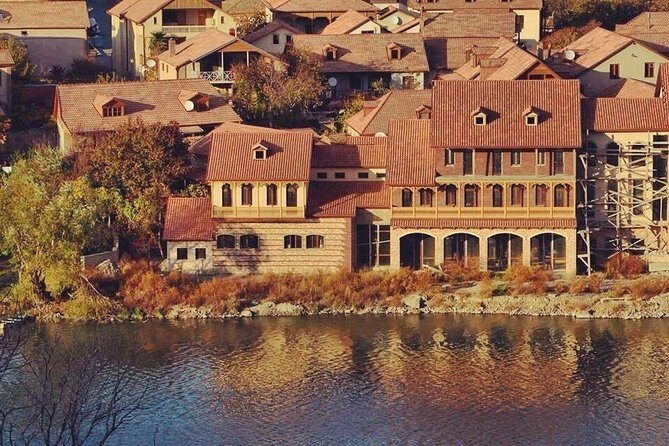
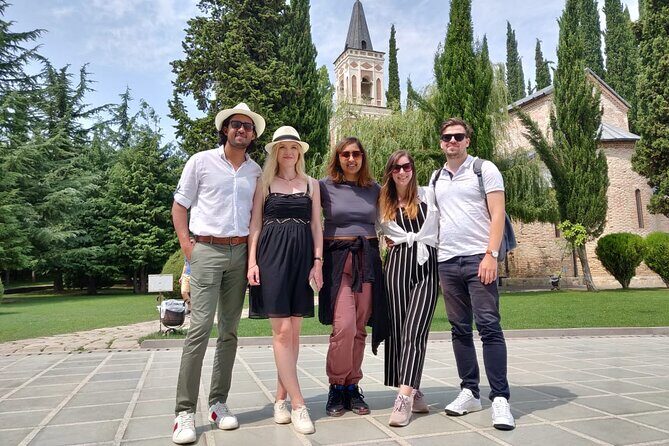
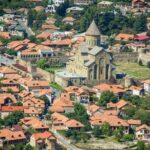
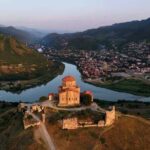
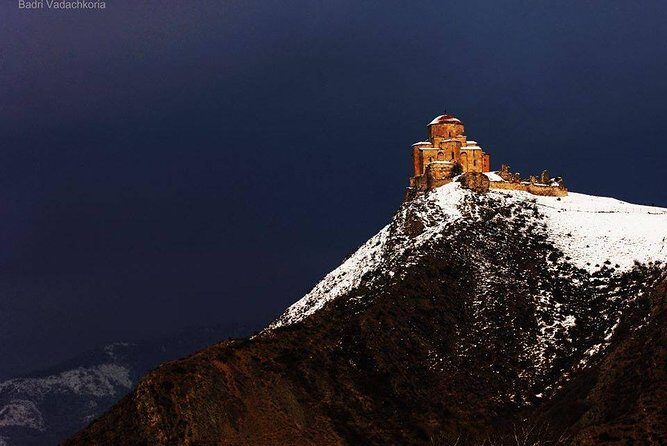
From Tbilisi you drive to Mtskheta, the ancient capital of Georgia. The first major stop is Jvari Monastery, dating back to the 6th century AD, and it’s free to visit by ticket policy listed for the stop.
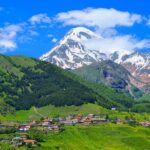
Jvari sits high on a hill. You’re there for the setting as much as the church itself. From the viewpoint you can see Mtskheta below and the confluence of two rivers: Aragvi and Mtkvari. That combination—stone church, hilltop wind, and river geography—is exactly why this stop feels worth the journey.
Practical note: the hilltop position usually means stairs and uneven ground. I’d plan on comfortable shoes, even if you don’t expect a heavy hike.
Svetitskhoveli Cathedral: Sacred Georgia in Real Stone
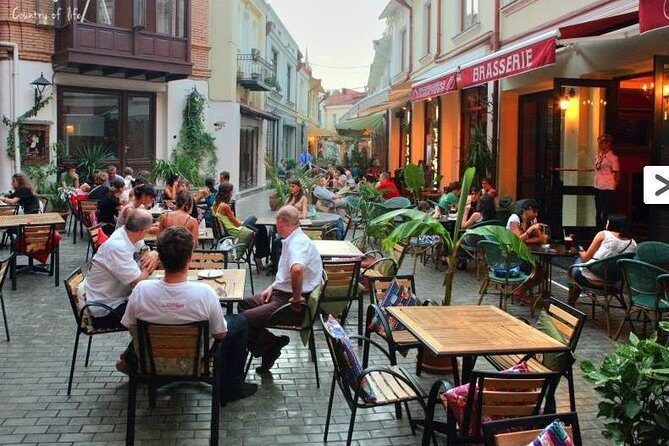
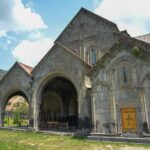
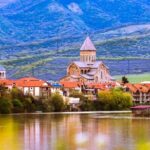
Next you go down to Svetitskhoveli Cathedral, one of Georgia’s most sacred sites. This stop is also listed as free in terms of admission tickets.
The standout here is the story tied to the cathedral. It’s said to preserve Christ’s robe, which is the kind of detail that changes how you look at the building. Even if you’re not steeped in Christian relic history, having a guide explain what the cathedral means locally helps the architecture land with more impact than just seeing a pretty church.
How long you’ll spend is about an hour. That’s enough time to take it in, ask questions, and still keep the day from feeling like one long line.
Walking Through Mtskheta’s City-Museum Reserve (and a Wine Stop)
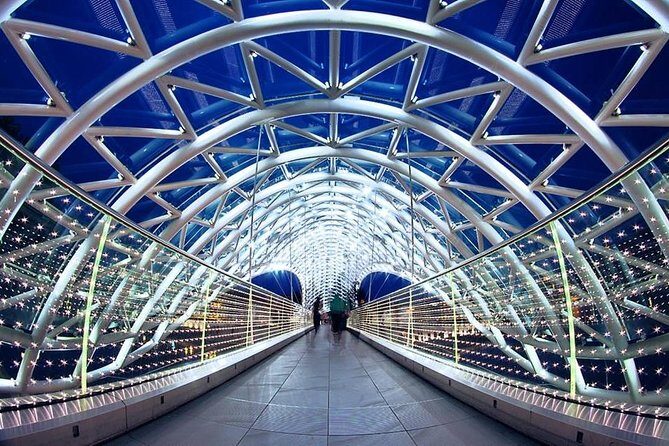
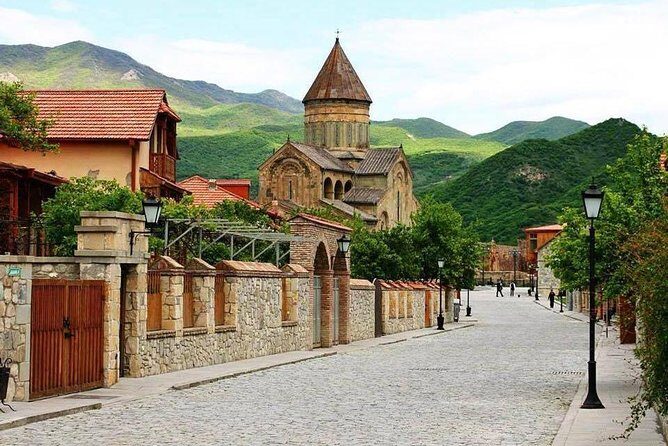
After the cathedrals, the tour turns more relaxed. You’ll walk in the City-Museum Reserve of Mtskheta, taking in the town atmosphere. This stop is built for an easy stroll rather than strict site-hopping.
Then comes a local wine shop stop where you can buy Georgian wines. This isn’t framed as a required tasting; it’s a chance to pick up bottles if you want a souvenir that actually tastes like the place you visited.
If you want value here, think ahead: plan to buy only what you can realistically carry. Many people treat this as their “last easy purchase” before returning to Tbilisi.
A few more Tbilisi tours and experiences worth a look


Samtavro Church: A Short Medieval Detour
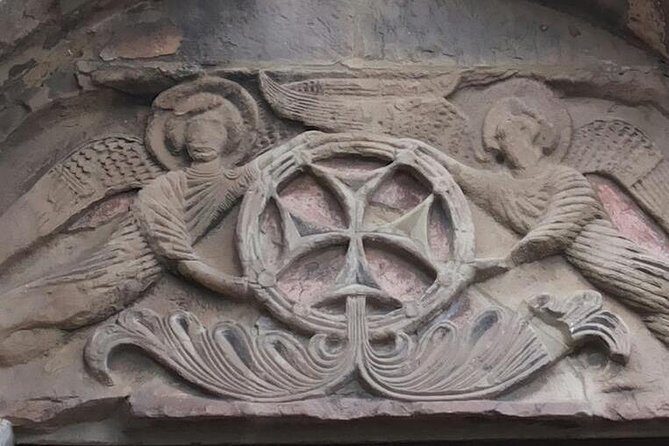
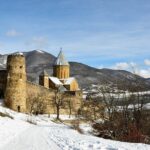
You’ll continue with Samtavro Church and the medieval Samtavro Monastery in the historical part of Mtskheta. Time here is about 40 minutes, and it’s listed as free.
This stop works well as a breather after the big-ticket cathedral moments. It’s smaller in feel, which can make it easier to connect with the atmosphere—less crowd pressure, more quiet looking and listening.
Narikala Fortress by Cable Car: Panoramas, Then a Downhill Wander
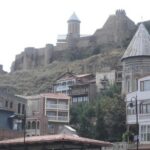
Back in Tbilisi you head for Narikala Fortress. Here’s the smart move: you take a ride via aerial cable car to reach the fortress area, then explore the ruins.
Narikala is one of the best ways to get city panoramas without wasting your energy fighting stairs before you’ve even started sightseeing. The cable car ride is included, and the time allotted is about an hour.
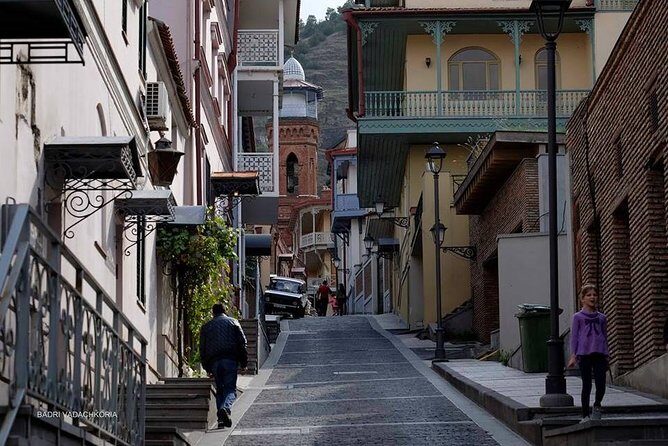
From the fortress area, you stroll down through the sulfur bathhouse district into the Legtakhevi area and toward Meidan Square and the Shardeni Street neighborhood. That downhill flow matters. It turns what could be a stressful climb into a smooth sightseeing sequence.
If the cable car is down on the day you go, the plan can change. One example from this tour type included shifting to a city funicular option, so don’t panic if operations don’t match the itinerary exactly—your guide will typically keep the visit moving.
Abanotubani: Sulfur Baths District and the Falcon Legend
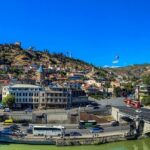
Abanotubani is the historic core known for sulfuric baths. It’s located at the eastern bank of the Mtkvari River, beneath Narikala and across from Metekhisubani.
This stop is about an hour and it’s free to visit by the stop’s admission listing. The area’s big draw is atmosphere: old-town textures, the bathhouse reputation, and the stories attached to why the hot springs are here. One key legend involves Vakhtang Gorgasali and a falcon—its fall is said to have led to the discovery of the hot springs and the founding of the new capital.
You can treat Abanotubani as a photo and people-watching moment, even if you don’t plan to soak. If you do want a bath session, just remember meals and alcohol aren’t included—nothing here says bathing packages are included either.
Meidan Square and Shardeni Street: Easy Browsing With Real Tbilisi Energy
After Abanotubani, the route includes a small waterfall in Legvtakhevi, then it heads to Meidan Square and nearby streets like Shardeni, Cotton Row, and Iron Row.
This part of the day is built for browsing. You’ll find souvenir shops, art galleries, and cafes, and the pace is typically more flexible because you’re not locked into a timed church visit. The stop time is about an hour.
If you’re trying to buy gifts, this is where you’ll make decisions. I like that the tour puts shopping where it feels natural—near the old-town core—so you’re not chasing stores later with tired legs.
Metekhi Cathedral Plateau: Back to Tbilisi’s Historic Heart
To finish, you drive back to Tbilisi and visit Metekhi plateau and church, a 13th-century monument. This is listed as a free admission stop with about an hour.
This part of the day is useful because it reanchors you in Tbilisi’s historic geography. If you’ve spent the morning focusing on Mtskheta’s sacred sites and viewpoints, Metekhi gives you a different angle: old Tbilisi’s architecture and river-side presence.
The Guides Make or Break the Day
The strongest repeated theme in the experience is the human one: guides who can explain Georgia in plain language. Names that come up include Maia, Tamara, Anna, Eka, and Ana. Different guides, same general talent—making churches and history feel understandable, not like a lecture you’re trapped in.
In a couple of cases, guides are also described as thoughtful and flexible. For example, one guide helped with going up hills for attractions, which matters because this route mixes viewpoints, stairs, and uneven ground.
If you want the day to feel smooth, you’ll benefit from asking questions early. The more you engage your guide, the more the sites start clicking into place.
Practical Tips Before You Go
Here are the things I’d pack and plan around, based on what this route demands:
- Comfortable shoes for hills, stairs, and old-street walking.
- Weather-ready clothing. This tour runs in all weather conditions, so you need to dress appropriately.
- Have realistic expectations about church access. Entrance to places of worship is prohibited during services on Sunday mornings, Saturday evenings, and religious holidays. On those days, the tour order can be adjusted—starting in Tbilisi sights first, then continuing to Mtskheta.
If you’re traveling with someone who has mobility limits, tell yourself the “hard part” isn’t the long distance—it’s the vertical bits at viewpoints. That’s where you’ll feel the day.
Is This Tour Worth Booking?
I’d book this tour if you want:
- A guided UNESCO day that hits Jvari and Svetitskhoveli without you needing to plan transport between cities.
- A balanced mix of big sites plus old-town wandering in Tbilisi.
- English commentary that adds meaning to what you’re seeing—especially around religion and the local storylines tied to the churches.
I’d think twice if you:
- Prefer total independence and don’t mind arranging your own transport and tickets.
- Want a lot of free time in each place. This day is structured, not slow travel.
- Are sensitive to religious access rules. Even with reordering, church entry may be limited on service days.
If you like your sightseeing efficient, story-rich, and well organized, this is the kind of day that can make both cities feel like they belong together.
Should You Book This Full Day Tbilisi and Mtskheta Tour?
Yes—if your goal is a high-value, guided hit list of Mtskheta and Tbilisi with minimal stress. The pricing makes sense when you factor in guide/driver, transportation, bottled water, and entrance fees, plus the included Narikala cable car ride.
It’s also a smart choice if you want help understanding Georgia’s religious landmarks instead of just admiring them from the outside. Just plan for walking and potential church-service access changes, and you’ll get a day that’s full without feeling chaotic.
FAQ
What time does the tour start?
The tour starts at 10:00 am.
How long is the Full Day Tour of Tbilisi and Mtskheta?
It runs about 7 hours 40 minutes (approx.).
Where do we meet the guide and driver?
You meet near the Giant Bicycle monument (Rose Revolution Square, Tbilisi, Georgia).
What’s included in the tour price?
Included items are a professional guide/driver service, transportation, bottled water, and all entrance fees.
Are meals included?
No. Meals are not included, and you’ll be able to purchase alcohol separately if you want it.
Is this tour private or small-group?
It’s described as a private tour/activity where only your group participates, and it’s also framed as a small-group day tour.
What language is the tour offered in?
The tour is offered in English.
What happens if churches have services on the day of the tour?
Entrance to places of worship is prohibited during church services (Sunday mornings, Saturday evenings, and religious holidays). If the tour falls on those dates, the order may be switched so the itinerary starts in Tbilisi sights first, then continues to Mtskheta.
Can I cancel for a full refund?
Yes, you can cancel for a full refund up to 24 hours before the experience’s start time.
If you want, tell me your travel dates and whether you’re more into churches, views, food, or shopping—and I’ll help you decide if this exact day flow fits your priorities.