REVIEW · TBILISI
Mtskheta, Jvari, gori, uflistsikhe, history and panorama (group tours)
Book on Viator →Operated by ushba travel · Bookable on Viator
A good Georgian day trip starts with big views and ends with heavy history. This one pairs hilltop monasteries, major Orthodox relic stories in Mtskheta, and the cave-city world of Uplistsikhe—plus an optional stop in Gori. You get a driver-guide and a steady route that pulls you outside Tbilisi for a full day.
I love that the tour hits two top Christian sites in Mtskheta and Jvari, with tickets included and enough time to actually walk and look. I also like the contrast: pagan stone corridors in Uplistsikhe, then back to cathedral walls in Mtskheta.
One thing to consider: the experience is listed in English, but the quality and length of English explanations can vary by guide, and a few guests felt the pacing for certain stops was rushed. If English depth matters to you, plan to ask who will guide you.
In This Review
- Key points to know before you go
- Why this route works: Christianity meets cave-city Georgia
- Meeting, timing, and how the day actually feels
- Jvari Monastery: the hilltop view over Mtskheta
- Svetitskhoveli Cathedral: the Holy Cross story you can feel
- Uplistsikhe cave city: pagan stone corridors and Kura Valley views
- Gori’s Stalin Museum: optional, sometimes emotionally heavy
- Lunch at the restaurant stop: what to expect and how to plan
- Guides make the difference: Luca, Paata, Emilia, Tornike, George
- Price and value: where the $19 goes and what costs extra
- Who should book this Mtskheta–Jvari–Uplistsikhe day trip
- Should you book? My honest call
- FAQ
- What time does the tour start?
- Where is the meeting point?
- How long is the tour?
- Is the tour in English?
- What sites are included in the basic tour?
- Are tickets included for Uplistsikhe and the Stalin Museum?
- Is lunch included?
- Is dinner included?
- How big is the group?
- What if the weather is bad?
Key points to know before you go
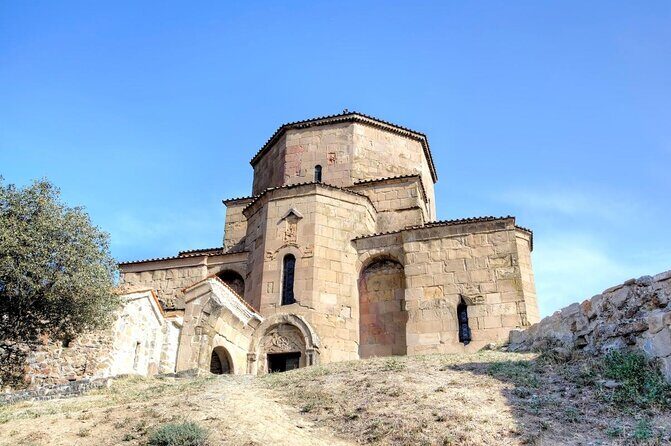
- Hilltop Jvari Monastery for wide views over Mtskheta and the Aragvi–Kura confluence
- Svetitskhoveli Cathedral with major Georgian Orthodox relics and a strong sense of place
- Uplistsikhe cave city: stone labyrinths, pagan-era life, and Kura Valley panoramas
- Small group size (up to 15) helps the day feel manageable
- Uplistsikhe and Stalin Museum cost extra even though some site tickets are included
- English quality depends on the guide, so set your expectations accordingly
Why this route works: Christianity meets cave-city Georgia
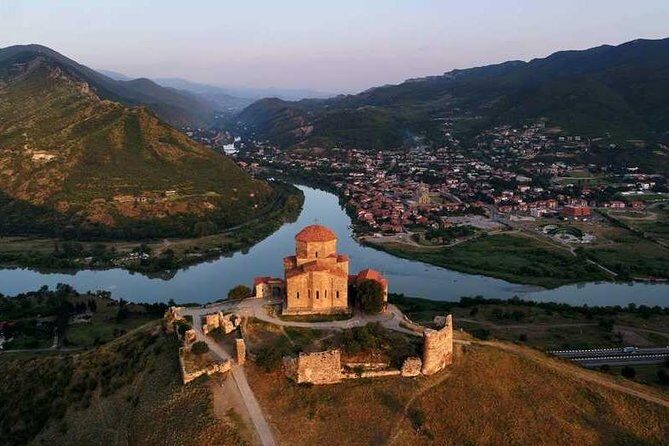
This tour is built around a simple idea: one day, you can see how Georgia explains its past two different ways—through faith and through archaeology. You start with the Christian story in Mtskheta and Jvari, then shift into the deep-time world of Uplistsikhe, where pagan-era caves and trade networks shaped life long before the churches.
That mix is the real value. If you only did churches, you’d miss the scale of Georgia’s long timeline. If you only did caves, you’d miss why Mtskheta still feels like the spiritual center of the region.
Other Mtskheta tours we've reviewed in Tbilisi

Meeting, timing, and how the day actually feels
The tour starts at 9:00 am and meets at 3 Vakhtang Gorgasali St, Tbilisi 0105. It returns back to the same general meeting point at the end of the day, so plan on a full commitment.
The schedule is listed at about 9 hours, and the sites themselves are time-boxed. A couple of comments suggested the day can feel shorter depending on how the group moves, but the important part is this: there’s walking on hills and stairs, and you’ll spend a meaningful chunk of time outside Tbilisi.
I strongly recommend comfortable shoes. Even when the stops are not huge in distance, you’re on uneven ground, and Jvari’s viewing area involves a climb. Also: the itinerary depends on weather, so bring a light layer and be ready for a hot or cool hilltop.
Jvari Monastery: the hilltop view over Mtskheta
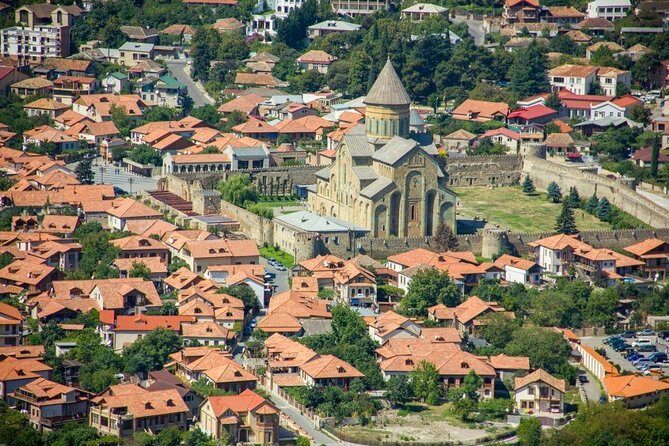
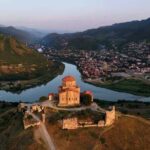
Jvari Monastery is the first big moment. You begin your walk from streets named after famous writers and composers—A. Pushkin, M. Lermontov, P. Tchaikovsky, A. Dumas-father, and L. Tolstoy—then turn off onto the path that connects to the famous literary mood of the area. The route is described as passing places linked to the events in Lermontov’s poem Mtsyri, which adds a fun layer if you like linking stories to landscapes.
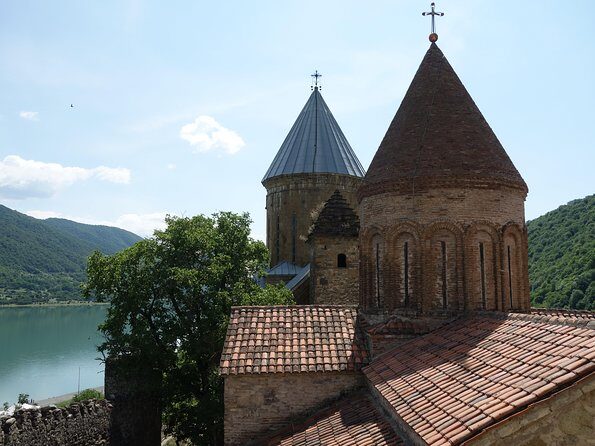
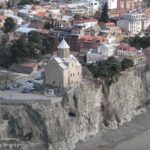
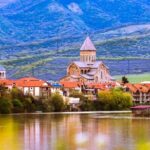
The monastery itself dates to the 6th century, and the payoff comes from the outlook. From here, you can see the view that describes the Aragvi and Kura rivers meeting—part scenic geography, part emotional poetry. It’s the kind of stop where the guide’s narration matters, because the visuals are already strong.
Expect about 1 hour here, and the admission ticket is included. This is a good time to slow down, take photos, and just watch how the valley looks from different angles. If it’s sunny, Jvari is very rewarding; if it’s misty or rainy, you might still enjoy it, but visibility can drop.
Svetitskhoveli Cathedral: the Holy Cross story you can feel
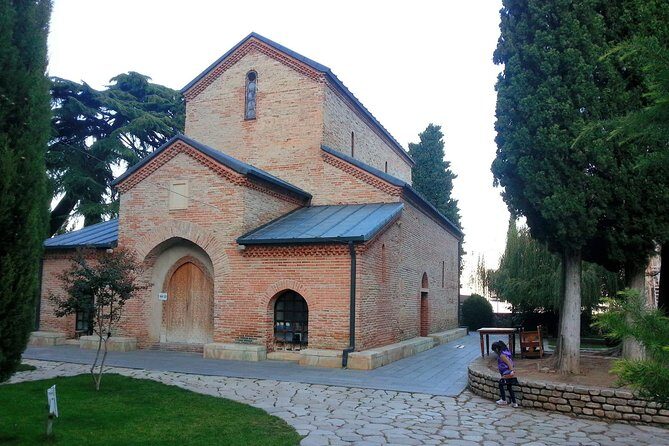
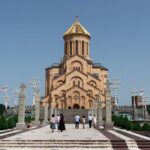
Next you go to Mtskheta’s most famous church stop: Svetitskhoveli Cathedral, often called the Pillar of Life-Giving. This is the patriarchal cathedral of the Georgian Orthodox Church, so it’s not just a pretty building. It’s a statement of identity, with layers of national and religious meaning.
You’ll hear the history of the cathedral and the events tied to the site. The tour framing also highlights why Svetitskhoveli is revered: it’s described as the burial place of Christian shrines such as the tunic of Jesus Christ, the mantle of Elijah the Prophet, and the relics of St. Andrew the First-Called.
Time here is about 1 hour, and again, the admission ticket is included. Practical tip: give yourself a minute to look both at the outside details and inside space, even if you’re not the type who reads every inscription. The experience works best when you treat it like a living place, not a museum stop.
Uplistsikhe cave city: pagan stone corridors and Kura Valley views
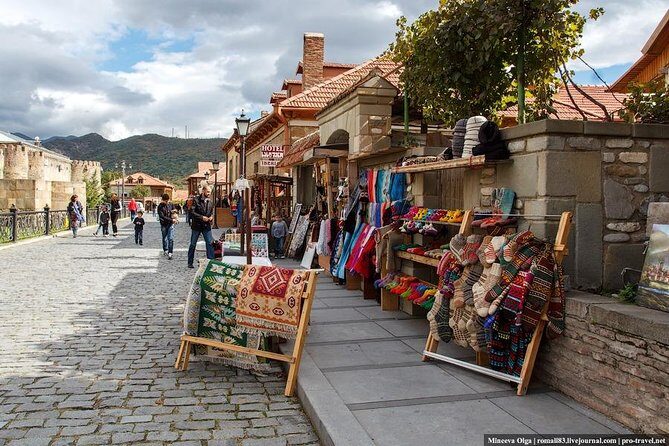
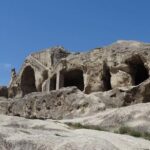
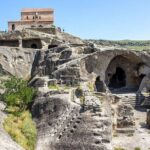
Then you switch worlds. Uplistsikhe is a cave city from the late 2nd millennium BC into the early 1st millennium BC, which means you’re looking at architecture from a time far beyond the churches. You’ll walk through stone corridors and rooms that were used for daily living and practical purposes, then you get a guided explanation of how pagan cult life may have worked inside this landscape.
What makes this stop memorable isn’t only the caves—it’s the story around them. You’re told about Uplistsikhe’s connections and trade with ancient powers such as Urartu and Media, along with the site’s rise and later decline. That context gives the caves a timeline, not just a cool shape.
You also get panoramic views over the Kura Valley, which is a nice balance after the darker interiors. Those views help you understand why people built here in the first place.
Budget note: the Uplistsikhe ticket is not included. The extra price is listed in the details as 15 GEL and also as 17 GEL in the cost notes, so expect it to land around that range.
The stop is paired with a lunch break at a local restaurant. The tour includes time for it, but the restaurant itself is paid. In one of the more critical comments, the food was described as heavy with oil, so if you’re sensitive to that, plan to order carefully and drink water.
If rain hits, your experience can change fast. Bring a rain layer or umbrella if you can, because uneven rock + wet conditions is not a fun combo.
Other Uplistsikhe cave tours we've reviewed in Tbilisi
Gori’s Stalin Museum: optional, sometimes emotionally heavy
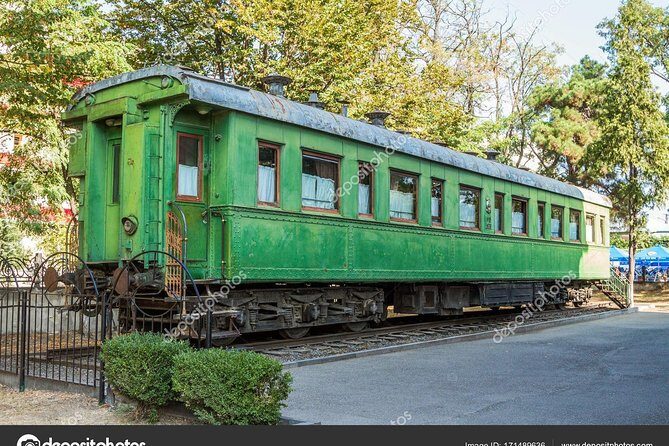
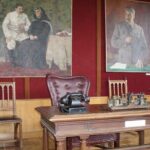
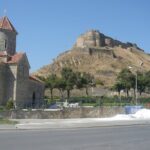
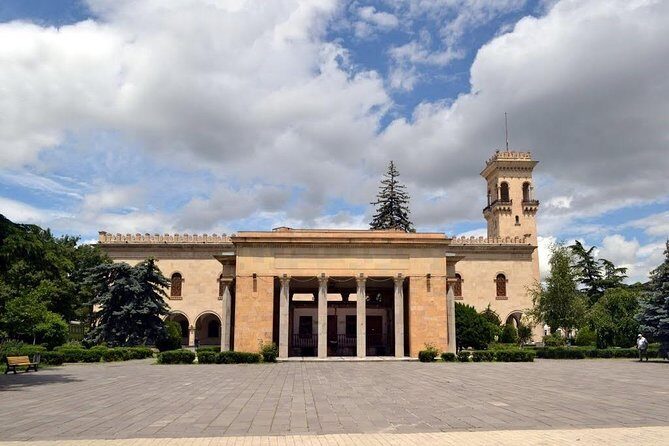
In the second part of the trip, the itinerary says you can visit the Stalin Museum in Gori depending on the group request. It’s about 1 hour, and the museum ticket is extra (listed as 15 GEL and also as 17 GEL).
This stop is the most polarizing part of the day. Some people found the museum confusing or unsettling because it presents the dictator as part of Georgian history, while others were okay with it as a historical artifact. I’ll put it plainly: if you come hoping for a neutral museum about Georgian culture only, this may not match your expectations.
So decide based on your tolerance for 20th-century political material. If you’d rather spend the energy on Uplistsikhe’s caves and Mtskheta’s church details, you may prefer to skip it when the group asks.
Lunch at the restaurant stop: what to expect and how to plan
The tour schedules a local restaurant stop after Uplistsikhe time. The experience provides time for it, but the restaurant is paid separately, and dinner is not included.
From reviews, the food can be tasty but may lean into oil-forward Georgian cooking. The practical move: go in ready to try local products, but keep expectations realistic. If you’ve got dietary limits, ask questions before ordering.
If you want to keep the day flowing, carry a bit of cash (GEL) for food and the extra tickets. Your biggest add-ons are the Uplistsikhe ticket and the possible Stalin Museum entry.
Guides make the difference: Luca, Paata, Emilia, Tornike, George
This tour lives and dies by its narration. When it’s done well, it turns plain sightseeing into a story you can follow easily.
Several names came up with strong praise:
- Luca: singled out as making the day the best experience, with history tied to each site so you actually understand what you’re seeing.
- Paata: praised for warm, clear explanations and smooth pacing from start to finish.
- Emilia: called out as the best guide by one group.
- Tornike: praised for easy-to-follow information and helpfulness.
- George: also noted for a great tour ending with exploration and wine tasting elements.
At the same time, a few guests complained about English explanations being very short or that Russian narration dominated. Here’s my practical advice: if you care about English depth, confirm the guide in advance if the operator can tell you. On a day like this, 10 extra minutes of clear English at Jvari and Svetitskhoveli is worth more than extra time sitting on a bus.
Also, expect group movement. That means you’ll have to keep up, not disappear to wander alone for long stretches.
Price and value: where the $19 goes and what costs extra
On paper, the tour price is $19 per person, which is a low base for a full day outside Tbilisi. The key value point is that tickets for Jvari Monastery and Svetitskhoveli Cathedral are included, so you’re not paying entry fees for the two main religious landmarks.
Your likely extras:
- Uplistsikhe ticket: listed around 15–17 GEL
- Stalin Museum (optional): listed around 15–17 GEL
- Lunch: not included
- Dinner: not included
Even with those adds, the overall cost can still feel reasonable because you’re getting transport plus guided time at multiple major sites, not just one. The main risk to value is English quality and pacing. If you get a guide who gives short explanations in English, you may feel like you paid for motion rather than understanding.
Who should book this Mtskheta–Jvari–Uplistsikhe day trip
This works best if you want:
- A focused Christian Georgia day (Jvari + Svetitskhoveli)
- A second stop that’s not church-only: Uplistsikhe and its cave-city scale
- A small group outing (max 15 travelers) that doesn’t feel like cattle herding
- A guided route that saves you from doing all the planning yourself
It might be less ideal if:
- You want long, detailed English narration no matter who your guide is
- You dislike politically heavy content (the Stalin Museum stop can be optional, but the group may request it)
- You prefer fully free time for wandering, since the day is structured around stops
Should you book? My honest call
I’d book this tour if you want a compact way to understand Georgia’s big contrasts in one day: Jvari and Svetitskhoveli for Christian heritage, then Uplistsikhe for ancient stone life and valley views. The core sites are strong, and the added context from well-regarded guides like Luca and Paata can make the difference between seeing places and actually understanding them.
But I’d also go in with a clear expectation: the tour is offered in English, yet English depth can vary by guide, and the extra costs for Uplistsikhe and possible Stalin Museum are part of the real budget. If you’re careful about planning and you’re flexible about pacing, this can be a great use of a day in Tbilisi.
FAQ
What time does the tour start?
It starts at 9:00 am.
Where is the meeting point?
The ticket redemption/meeting point is 3 Vakhtang Gorgasali St, Tbilisi 0105, Georgia.
How long is the tour?
The duration is listed as approximately 9 hours.
Is the tour in English?
Yes, it is offered in English.
What sites are included in the basic tour?
You visit Jvari Monastery and Svetitskhoveli Cathedral with admission tickets included, plus Uplistsikhe, where an additional ticket is required. The Stalin Museum in Gori can be included at the group’s request.
Are tickets included for Uplistsikhe and the Stalin Museum?
No. Uplistsikhe tickets are an additional cost, and the Stalin Museum ticket is also additional.
Is lunch included?
There is a local restaurant stop, but the restaurant is paid, so lunch is not fully included.
Is dinner included?
No, dinner is not included.
How big is the group?
The tour has a maximum of 15 travelers.
What if the weather is bad?
The experience requires good weather. If it’s canceled due to poor weather, you’ll be offered a different date or a full refund.