REVIEW · TBILISI
Wine promenade in hospitable Tbilisi
Book on Viator →Operated by Georgian Promenade · Bookable on Viator
Tbilisi tastes like history. This small-group wine promenade blends two traditional tasting cellars in Old Tbilisi with a guided walk that turns the streets into a story, not just a photo stop. The whole pace feels friendly and focused, with time to ask questions and learn what you’re actually drinking.
I love that you’ll taste over 15 Georgian wines during the tour, not just a couple of samples. You also get guided explanations of both traditional Georgian winemaking in cone-shaped clay vessels and wines made using European technology, plus real chacha from +50° grapes. One thing to consider: you’ll be on your feet for much of the 3 hours because the experience mixes cellars and walking.
If you want a tasting that also gives you a real sense of Tbilisi’s neighborhoods and traditions, this is a smart way to spend an afternoon. It starts at 2 Freedom Square and ends back there, so you’re not stuck figuring out how to get home after you’ve done the smart thing and drank responsibly.
In This Review
- Quick hits before you go
- The 3-hour flow: Old Tbilisi on foot, wine in hand
- Two cellars in the heart of Old Tbilisi
- Cone-shaped clay vessels and European technology: what you’re really learning
- The tasting lineup: 6–8 portions per stop, 15+ wines overall
- Meet your guide: why Valeri’s style fits a wine promenade
- The Old Tbilisi walking tour you’ll actually remember
- Price and value: what $100 buys in a small-group wine walk
- What to expect at the wineries: hospitality, explanations, and pace
- Getting the most out of your wine promenade
- Who this tour is best for (and who should think twice)
- Should you book Georgian Promenade’s Wine Promenade in Tbilisi?
- FAQ
- How long is the Wine Promenade in hospitable Tbilisi?
- What’s the group size limit?
- Where does the tour start and end?
- How much does it cost?
- How many wines will I taste?
- Do I taste chacha on this tour?
- What’s included with the tour?
- Is dinner included?
- Does the tour include transportation?
- Is the tour cancellable for a refund?
Quick hits before you go
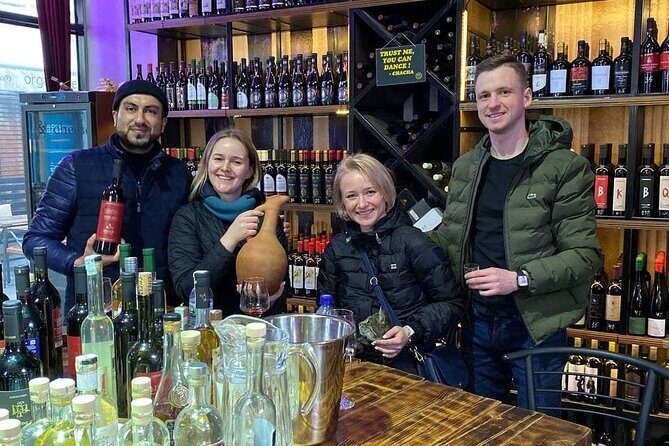
- Small group (max 8): more conversation, less crowd noise.
- Two Old Tbilisi wine cellars: each stop includes multiple tastings (about 6–8 portions per cellar).
- 15+ wines total: you get range across Georgian producers and styles.
- Traditional + European methods: cone-shaped clay vessels alongside European technology.
- Chacha stop: made from +50° grapes, often a standout moment.
- Dessert and appetizers: included, so you’re not only tasting wine.
The 3-hour flow: Old Tbilisi on foot, wine in hand

This experience is built around a simple rhythm: meet, walk through Old Tbilisi, stop in two traditional wine cellars, taste repeatedly, then wrap back near where you started. It runs about 3 hours, which is long enough to learn a lot but short enough that you’ll still have energy for dinner plans afterward.
You’ll meet at 2 Freedom Square, a central point that’s easy to find and close to public transport. From there, your guide takes you into Old Tbilisi, keeping the walking part practical and tied to what you’re seeing and tasting. The best part is that the city talk isn’t just random facts—it’s aimed at helping you connect the wine history to the streets you’re standing on.
The tour ends back at the meeting point, so you don’t have to solve a logistics puzzle right after tasting strong Georgian spirits.
Other wine tasting tours we've reviewed in Tbilisi



Two cellars in the heart of Old Tbilisi
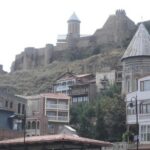
The tour visits two small wineries located in the heart of old Tbilisi. That detail matters. Big commercial tours can feel like a tasting factory. Here, you’re in older spaces where the people running the cellars clearly care about showing you how Georgian wine culture works in real life.
At each winery, you get guided tastings of several portions—enough variety that you can start building taste memory instead of just “sampling everything.” The setup is intentionally educational: you’re not only being served wine, you’re learning how and why it’s made.
One reviewer specifically mentions a chacha stop with a balcony view over the river and down onto the town. That’s the kind of moment that makes a tour feel like a place, not a schedule.
Cone-shaped clay vessels and European technology: what you’re really learning
Georgia’s winemaking story isn’t a single method. It’s a mix of ancient practice and more modern approaches. This tour highlights both.
You’ll taste Georgian wines made using the traditional Georgian way in cone-shaped clay vessels. You’ll also try wines made according to European technology. Your guide and sommeliers use these differences to help you see wine as a craft, not just a label.
Here’s why I like this approach for beginners: it gives you a framework you can use later. Once you understand that winemaking style and process can shape taste, you start noticing things in your glass—texture, aroma intensity, how dry it feels, and how it finishes. And since you’re doing it while you’re walking around Old Tbilisi, the learning feels connected instead of stuck in a classroom.
The tasting lineup: 6–8 portions per stop, 15+ wines overall

You can expect multiple tasting portions at each cellar, for a total of over 15 Georgian wines across the tour. The pacing is designed so you’re tasting enough to notice patterns, without turning it into a full-day wine marathon.
In practical terms, that means you’ll likely go through a sequence where your guide explains what you’re tasting, you try it, then you move to the next pour. You’ll also have real chacha from +50° grapes as part of the tasting experience. Chacha is strong by nature, so I recommend you slow down and taste it like you mean it—small sips, pay attention, then reset with water.
Included bottled water helps a lot. You’ll also have traditional Georgian dessert and appetizers during the stops, which is smart because wine tastes better when your stomach isn’t empty and your palate isn’t overwhelmed.
Meet your guide: why Valeri’s style fits a wine promenade

A big reason this tour gets such strong marks is how well the guides connect the wine to the city. The name Valeri comes up repeatedly in feedback, including thanks for his knowledge of Tbilisi’s history and hidden places where you can understand Georgian hospitality beyond standard sightseeing. Another name mentioned for tastings is ZuraB, credited for a great tasting experience.
What does that mean for you? It means you’re likely to get explanations with personality—someone who can answer questions and keep things moving without rushing. One of the best signals from the comments: people mention the guide as accommodating and friendly, including responding quickly before the tour when travelers were late from another plan.
Also, your guide is supported by the tasting team. The experience is set up so sommeliers help you take a fresh look at wine, and not just the usual talk about sweetness and tannins. They focus on Georgian methods and heritage, which is where a lot of first-timers get a real education.
Other wine tours in Tbilisi





The Old Tbilisi walking tour you’ll actually remember

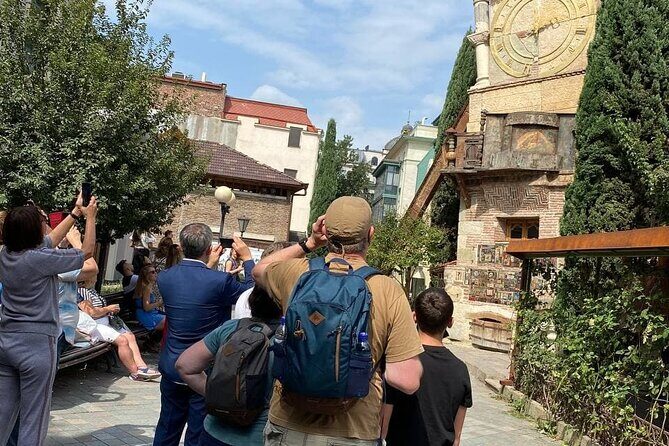
Between tastings, you’ll get a walking tour of Old Tbilisi. This is where the promenade concept earns its name: you’re not only drinking wine; you’re learning what makes Tbilisi feel like Tbilisi.
The guide shares history, culture, and traditions of the Georgian people, and you’ll hear the story as you move through the old city. For me, this is the difference between a tasting tour and a memory tour. You can taste something in any city, but you remember the taste more when you can place it in context—where you are, what surrounds you, and why it matters.
You’ll also be with a small group of up to 8 travelers, so questions don’t get swallowed by a megaphone. If you’re the type who likes to know what you’re ordering, this format makes it easy to ask.
Price and value: what $100 buys in a small-group wine walk
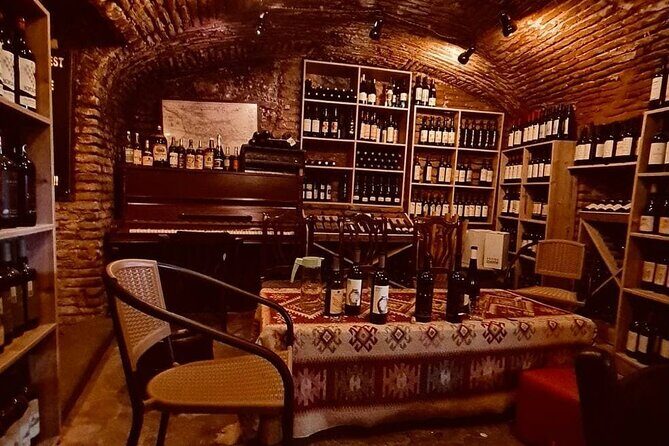
At $100 per person, this isn’t a budget tasting. It’s not trying to be. The value comes from the combination of things that normally cost extra when purchased separately:
- Two separate wine cellar experiences in Old Tbilisi
- Multiple tastings per stop, adding up to 15+ wines
- Chacha made from +50° grapes
- A guided walk with history, culture, and traditions
- Bottled water plus traditional dessert and appetizers
You’re also getting a small-group setup (max 8). That matters more than people think. In a bigger group, you lose time, questions, and attention. Here, the structure supports learning and pacing.
One more practical value point: the tour includes wine tasting plus guide services (listed as German, French, Russian). That means you’re not shopping for language support or trying to translate winemaking terms on the fly. You can focus on taste and understanding.
If you’ve only done generic tastings where you get two pours and a brochure summary, this will feel like a step up in depth.
What to expect at the wineries: hospitality, explanations, and pace
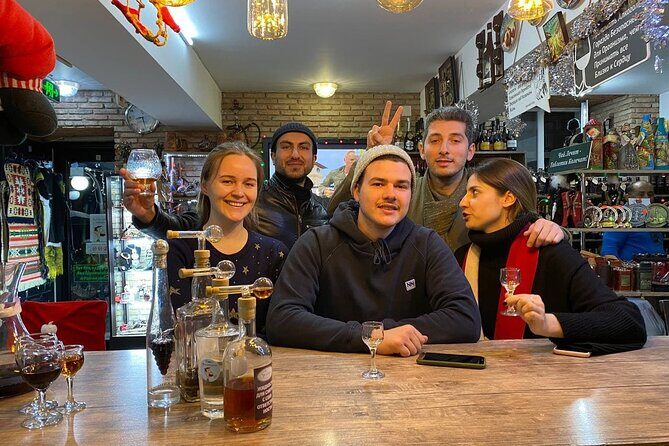
These are not glossy tasting rooms. They’re traditional cellars in the old city, and they function like places where people host friends. Expect experts to guide you through what you’re drinking and how it connects to Georgian winemaking heritage.
You’ll likely notice that the team is attentive and willing to tailor the experience to your interest. Several comments praise how personal preferences can be taken into account during tastings. That’s exactly what you want from a wine promenade—less rigid script, more conversation.
Also, because the tour includes both tastings and city walking, the timing usually works as a gentle rhythm rather than a single long sitting session. Still, plan for standing and slow walking as part of the experience since it combines cellars and street-level touring.
Getting the most out of your wine promenade
Here’s how I’d set yourself up for success.
First, pace yourself. You’re tasting 15+ wines and likely a strong chacha portion, so small sips and water between pours will keep your palate clearer and your evening happier.
Second, come with one or two questions. Good options include what method changes the most flavor, what to taste for in traditional wines from cone-shaped clay vessels, or what to expect when Georgian wine is made with European technology. The tour is friendly to questions, and your guide will answer.
Third, pick a start time that gives you breathing room afterward. The tour ends back at Freedom Square, but you’ll still want time to recover your sense of balance before dinner.
And finally, if you’re traveling as a family or with a friend group, this small size helps it feel social without becoming chaotic. One review notes doing the tour as a family setup, and the format worked well because it combines city walking with structured tastings.
Who this tour is best for (and who should think twice)
This is a great choice if you want:
- A small-group wine experience with real guidance
- Georgian wine explained through both traditional and more European winemaking approaches
- A city walk that helps you understand Tbilisi, not just pass by it
- A tasting that includes dessert, appetizers, and water while you learn
You might think twice if you prefer a pure wine session without much walking. This one mixes tastings with Old Tbilisi sightseeing, so it’s not only about sitting and sipping.
Also, keep in mind the guide services listed are German, French, or Russian. If you need a different language, check with the provider before you go.
Should you book Georgian Promenade’s Wine Promenade in Tbilisi?
Book it if you want the best of both worlds: a proper Georgian wine tasting and a guided Old Tbilisi walk in one 3-hour block. The value is strong for the amount of tasting you get, and the small group size makes the explanations feel personal.
Skip it only if you want a long, casual drinking session with zero city learning. This is a guided wine promenade, built to teach. If that’s your style, you’ll likely leave with more than a buzz—you’ll leave with a way to understand Georgian wine beyond first impressions.
If your goal is to get your bearings fast in Tbilisi while tasting the country’s winemaking heritage up close, this is a very sensible call.
FAQ
How long is the Wine Promenade in hospitable Tbilisi?
The tour lasts about 3 hours.
What’s the group size limit?
The tour has a maximum of 8 travelers.
Where does the tour start and end?
It starts at 2 Freedom Square in Tbilisi and ends back at the same meeting point.
How much does it cost?
The price is $100.00 per person.
How many wines will I taste?
You’ll taste over 15 Georgian wines during the tour.
Do I taste chacha on this tour?
Yes. The tour includes real chacha made from +50° grapes.
What’s included with the tour?
Included are wine tasting, alcoholic beverages (wine), bottled water, and a traditional Georgian dessert and appetizers, plus walking tour of Old Tbilisi and guide services.
Is dinner included?
No. Dinner is not included.
Does the tour include transportation?
No. Private transportation is not included.
Is the tour cancellable for a refund?
Yes. Free cancellation is offered up to 24 hours in advance for a full refund. Within 24 hours of the start time, refunds aren’t available.