REVIEW · TBILISI
Kakheti Wine Tour with 20+ Wine Tastings & Qvevri Masterclass
Book on Viator →Operated by SelectGeorgia-For Holiday · Bookable on Viator
Kakheti is where Georgian wine starts to make sense. This 10-hour, private-style day trip from Tbilisi puts you in the middle of the making of Qvevri wine—yes, the method Georgia has used for over 8,000 years, now recognized by UNESCO. You’ll also visit wineries that age wine in a 7 km tunnel carved into the Caucasus and taste from both traditional vessels and modern production lines.
I really like two things about this tour. First, you get a Qvevri masterclass at a local marani, where the vessel gets explained from start to finish and you taste wine plus Georgian spirits like brandy and chacha. Second, the tasting day is built to compare styles: from wine stored for decades in the Khareba tunnel to tastings from stainless steel tanks and oak barrels at larger facilities.
One drawback to plan for: it’s a jam-packed schedule. If you fall in love with one stop—especially the tunnel experience—you may feel a bit rushed moving to the next place, since timing matters.
In This Review
- Key highlights (the parts that feel most “worth it”)
- Kakheti Wine Tour: what you’re really paying for
- The Qvevri masterclass at Mekvevre Kbilashvili Marani
- Kindzmarauli Corporation: production stages and bottling
- Khareba’s Tunnel Winery Khareba: 7 km of aging in mountain cool air
- KTW: tasting from stainless steel and brandy from oak
- What the full-day Kakheti drive adds (and why it matters)
- Lunch option: when the food is part of the wine lesson
- How this tour fits different types of wine lovers
- Who’s the guide here, and does it matter?
- Should you book this Kakheti wine day tour?
- FAQ
- How long is the Kakheti wine tour from Tbilisi?
- What time does the tour start?
- Is pickup included?
- How much does the tour cost?
- What’s included with the tour?
- How many wines will I taste?
- Is there an option for lunch?
- What’s the legal drinking age in Georgia?
- Can the tour accommodate food allergies or dietary restrictions?
- Is this tour private?
Key highlights (the parts that feel most “worth it”)
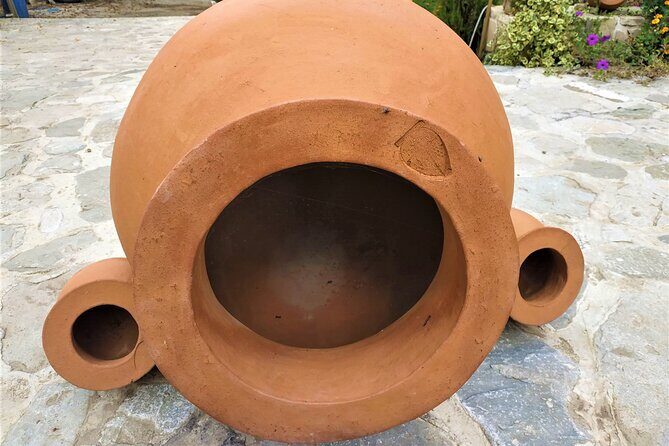
- Qvevri masterclass at Mekvevre Kbilashvili Marani, with hands-on vessel-making explanation and tasting
- 20+ wine tastings across multiple producers, including endemic Georgian wines
- Khareba’s Tunnel Winery in a 7 km cave tunnel carved inside the Caucasus, used for long aging
- Kindzmarauli Corporation Wine House with a clear look at production stages and bottling
- KTW factory tasting directly from stainless steel tanks and brandy from oak barrels
- Guides can tailor the order so you hit the best sites in the best sequence (Giorgi was specifically mentioned for this)
Kakheti Wine Tour: what you’re really paying for
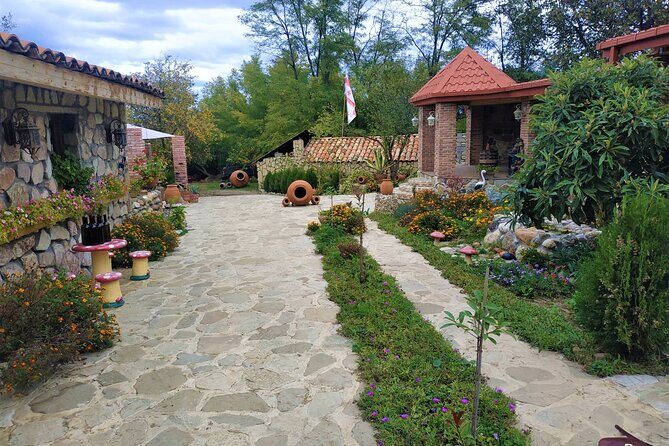
At $147.50 per person, this doesn’t feel like a “cheap sampler.” You’re paying for a full day in Kakheti with long driving time (about 295 km / 185 miles total), admissions included at the main stops, and—most important—access to different parts of Georgia’s wine system. That mix matters. Instead of just drinking at a row of wineries, you get a practical view of how Georgian wine culture works: tradition, production, aging, and bottling.
This also helps you understand the big difference between tasting “a wine you like” and understanding why it tastes the way it does. Qvevri wine isn’t just a cool story; it’s a method that changes the flavor experience. And when the day is structured around that, your tastings start clicking together.
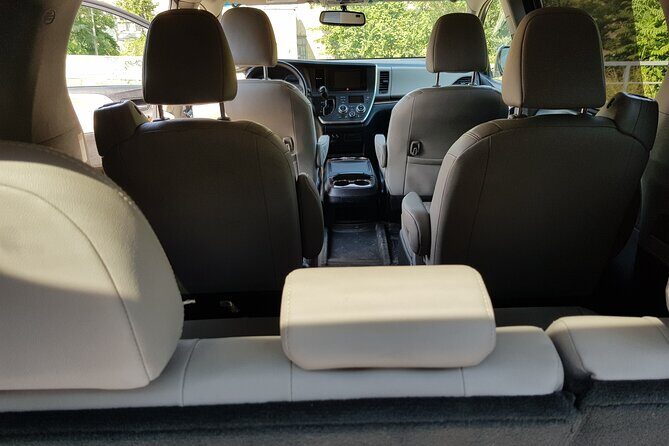
The tour runs from 8:00 am for about 10 hours, and you’ll have pickup offered. It’s listed as a private tour/activity, meaning it’s designed for only your group.
Other Kakheti wine region tours we've reviewed in Tbilisi

The Qvevri masterclass at Mekvevre Kbilashvili Marani
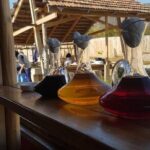
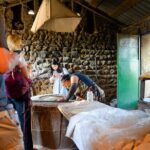
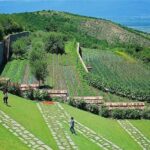
Stop one is where the day gains its backbone: Mekvevre Kbilashvili Marani and a Qvevri master’s explanation of how the Qvevri vessel is made and used. If you’ve ever wondered why Georgian wine tastes different even when it’s the same grape name you’ve seen elsewhere, this is where you get the likely answer: the vessel, the process, and the aging style.
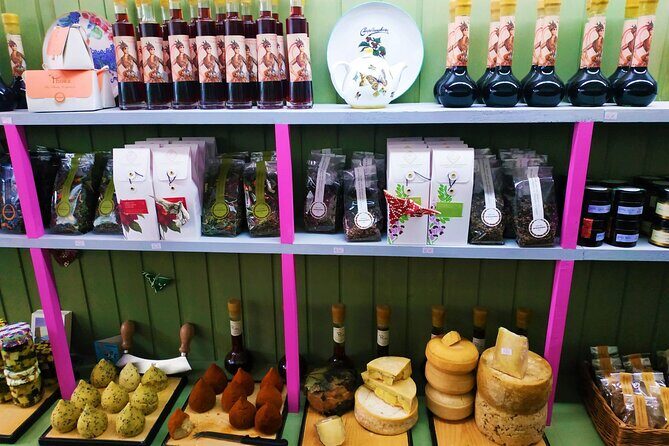
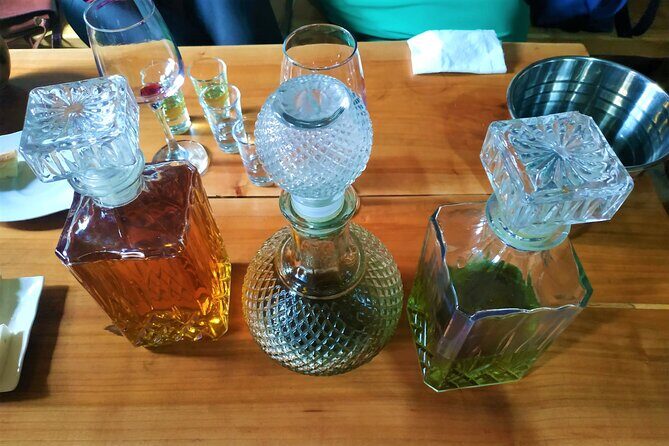
You also taste “some of the best wines of Georgia,” plus brandy with various flavors. That matters because the day isn’t only about grapes. In Georgia, wine and spirits sit together culturally, and this stop gives you a sense of that.
Practical tip: go in with a curious mindset. Ask how Qvevri use affects fermentation and aging, and pay attention to what the guide emphasizes (since the whole point is learning what you’re tasting). This is also where the day’s pace starts—so if you want to hit the tunnel later with fresh energy, don’t use your entire morning tasting time to chase only the strongest flavors.
Kindzmarauli Corporation: production stages and bottling
Next up is Kindzmarauli Corporation Wine House. This part of the day shifts from the craft story to the production flow. You’ll visit a wine factory and understand the stages of wine production and bottling, and you’ll taste wines that are exported worldwide.
I like this stop for a simple reason: it puts Georgian wine into a system you recognize. Even if you don’t know much about winemaking, watching how wine moves from processing to bottling helps you connect the dots from the earlier Qvevri vessel focus. It also prevents the day from becoming all theory. You learn, then you taste.
Possible consideration: factory time can feel more structured than the Qvevri stop. If you’re looking for lots of free-form storytelling, you might prefer the earlier, more personal explanations. But if you want clarity on the workflow, this one tends to deliver.
Khareba’s Tunnel Winery Khareba: 7 km of aging in mountain cool air
Stop three is the one that turns the tour into an experience. Khareba’s Tunnel Winery is a cave-and-tunnel winery carved into the Caucasus mountains, with a 7 km length. The big idea here is simple and practical: the tunnel provides ideal conditions for long-term preservation, so wines can be stored and aged for decades.
This is also where you’ll taste rare wines of the Kakheti region. That “rare” piece is exactly what makes the tunnel stop valuable. It’s not only a scenic detour. It’s a reason to experience a different aging environment and taste something you likely wouldn’t find in a quick tasting room.
One warning from real-world pacing: the day is scheduled tightly, and if you’re enjoying the tunnel, you might feel like you want more time there before you’re moved along. If you care a lot about the tunnel segment, build your attitude around it: slow down your tasting notes, keep an eye on the clock, and don’t plan to linger outside when the tour is already moving.
KTW: tasting from stainless steel and brandy from oak
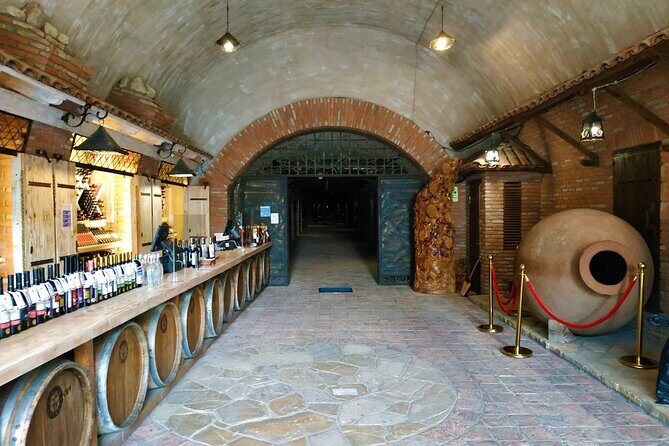
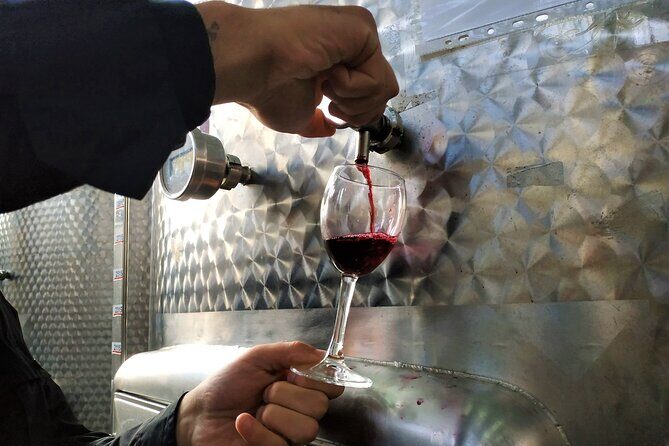
The final stop, KTW, is where the tour leans into scale and modern production. You’ll visit one of the biggest wine factories to taste wines directly from stainless steel wine tanks, and brandy directly from oak barrels.
This is a smart ending because it gives you a last comparison point. Earlier you learned about Qvevri. In the tunnel you saw how aging conditions can shape wine. Now you get another production lens: tank aging and a different approach to brandy aging in oak.
If you’re the kind of person who likes to compare, this stop helps you do it. After you taste at KTW, you’ll often catch yourself asking: Which flavors felt more influenced by vessel/aging environment? Which felt more like the varietal character? That comparison is the real “takeaway” from the whole day.
Other wine tasting tours we've reviewed in Tbilisi



What the full-day Kakheti drive adds (and why it matters)
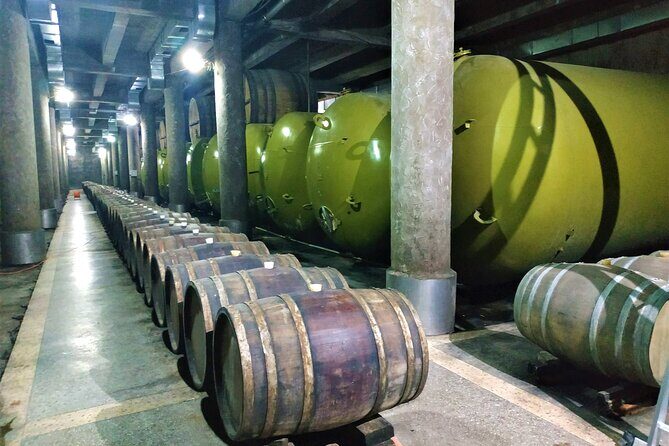
The route isn’t short, and it’s not random. A total drive of about 295 km means you’re crossing into a different rhythm. Kakheti is the place where wine isn’t just a side activity—it shapes daily life and scenery.
Even before the tastings start, the drive from Tbilisi sets expectations. You get the sense that you’re traveling through wine country, not just passing wineries on a map. In practical terms, the long drive also explains the structure: you’re starting at 8:00 am so the day can fit multiple producers plus aging-cellar time.
If you get motion sick, plan for it. Georgia roads can involve changing terrain as you head east. The tour includes a professional schedule and pickup, but it doesn’t say it provides special comfort steps—so bring whatever you need to stay comfortable for a full day.
Lunch option: when the food is part of the wine lesson
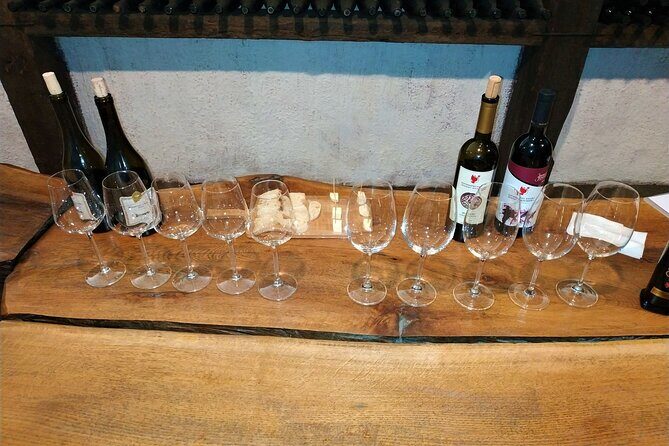
There are two options: one includes lunch with local traditional cuisine. The lunch is described as modest but original, and it’s treated like a real meal rather than a rushed add-on.
Here’s why that matters for wine tourism: Georgian cuisine is built around flavors that pair well with the kinds of wines you’ll encounter in Kakheti. If you choose the lunch option, you’ll likely have an easier time managing tastings. Food helps you taste more clearly and prevents that end-of-day blur where everything starts tasting the same.
If you have dietary restrictions or food allergies, you’re asked to let the operator know so the lunch can be arranged accordingly. That’s worth doing early—don’t wait until the day-of.
How this tour fits different types of wine lovers
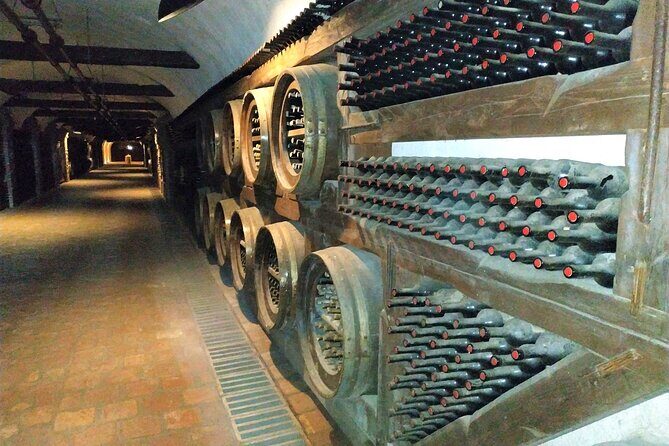
This is a strong match for you if you want structure. You want more than drinking. You want to understand why Georgian wine differs, especially the Qvevri method and the way aging environments shape results.
It’s also a good match if you like comparisons. This day gives you traditional vessels, long cave aging, and modern factory tank tastings in one long arc.
Where it may not fit as well:
- If you prefer slow travel with lots of unplanned time, this schedule may feel like it moves too fast.
- If you only care about a single producer style, you might find you’re sampling more than you need.
The good news is that the tour is private for your group, and the guide experience is described as flexible—so if you care most about one stop, you can usually ask to adjust the emphasis within the overall timing.
Who’s the guide here, and does it matter?
It matters a lot. People specifically noted Giorgi and highlighted that he makes sure you see the best sites in the best order. If you’re the type who likes learning while you taste, a guide who can explain Georgia, Kakheti, and the wine logic helps the day feel coherent instead of like a checklist.
Even if you’re not a deep technical learner, a strong guide still improves the experience: you’ll know what to pay attention to, and you’ll waste less time trying to translate what you’re seeing on your own.
Should you book this Kakheti wine day tour?
I’d book it if you want a full day that teaches you how Georgian wine works, not just a quick tasting morning. The best part of the value is the combination: Qvevri masterclass + tunnel aging experience + factory comparisons, with 20+ tastings wrapped into one efficient route from Tbilisi.
Skip it (or ask for adjustments) if:
- You want unhurried time at each location.
- You’re planning your day around stopping to take lots of extra photos inside time-limited spaces.
- You’re sensitive to schedule compression.
One final decision tip: if you’re choosing between formats, pick the one that includes lunch if you can. It makes the day easier to enjoy, and it supports the whole “taste, compare, learn” flow.
FAQ
How long is the Kakheti wine tour from Tbilisi?
The tour runs for about 10 hours.
What time does the tour start?
The start time is 8:00 am.
Is pickup included?
Pickup is offered.
How much does the tour cost?
It costs $147.50 per person.
What’s included with the tour?
Admissions are included at each stop, and you’ll do wine tastings plus a Qvevri masterclass. A lunch option is also available.
How many wines will I taste?
You can expect 20+ wine tastings during the day.
Is there an option for lunch?
Yes. The lunch option includes tasting local traditional cuisine.
What’s the legal drinking age in Georgia?
The legal drinking age in Georgia is 18.
Can the tour accommodate food allergies or dietary restrictions?
Yes. You should let them know your allergies or dietary restrictions so they can offer an appropriate lunch.
Is this tour private?
It’s described as a private tour/activity, meaning only your group participates.