REVIEW · TBILISI
Mtskheta – Jvari – Samtavro, the cradle of Georgian Christianity. (group tours)
Book on Viator →Operated by ushba travel · Bookable on Viator
Mtskheta’s churches tell a whole origin story. What I like most is the included air-conditioned ride from central Tbilisi and the chance to learn the basics of Georgian Christianity with a live guide in English. I also like that the tour is paced so you’re not just staring at stone—you’re getting the meaning behind each place, from the Jvari viewpoint to relics at Svetitskhoveli. One thing to consider: explanations can sometimes shift between languages within the same stop, so if you’re picky about staying fully in English the whole time, plan for that.
In a small group of up to 15, you’re moving efficiently through three major sites tied to the founding legends of the faith. Guides I’ve seen referenced include George and Liza, both praised for making the stories clear and memorable, even with extra context for the historical monuments of Mtskheta. Still, be ready for the occasional timing hiccup—one guest noted a later-than-advertised start—so build a buffer into your day.
In This Review
- Why This Mtskheta Trio Works So Well (Even If You Have Limited Time)
- Key Highlights and What They Really Mean
- Entering Mtskheta From Tbilisi: the $20 value and how the day flows
- Jvari Church: the VI-century viewpoint climb above Mtskheta
- Practical note for this stop
- Svetitskhoveli Cathedral: where relics turn a church visit into a story
- The one drawback to watch for
- Samtavro Convent: Mirian, Queen Nana, and the blackberry miracle
- If you want more time here
- Timing, transport, and the small-group feel that keeps it manageable
- Guides and interpretation: what makes the stories click (George and Liza as examples)
- Who should book this Mtskheta route, and who might prefer something else
- Should you book this Mtskheta – Jvari – Samtavro tour?
- FAQ
- Where does the tour start in Tbilisi?
- What are the main places you visit?
- How long is the tour?
- Is the tour offered in English, and are tickets mobile?
- Is admission included?
- Can I cancel and get a full refund?
Why This Mtskheta Trio Works So Well (Even If You Have Limited Time)
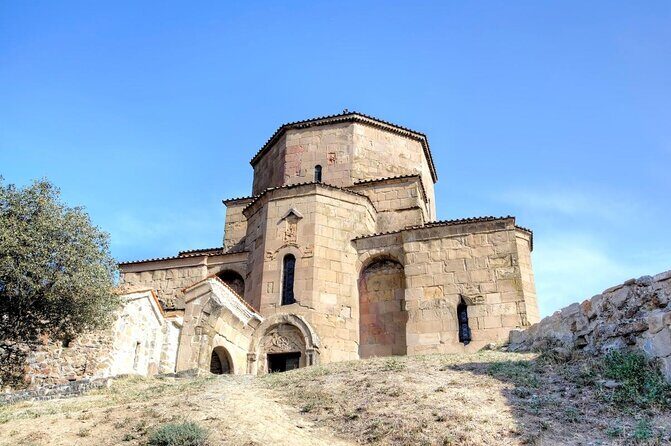
This is one of those tours that hits the sweet spot between history and logistics. For $20, you get transportation, a guide, and admission tickets to three key churches/monasteries, all in about 5 hours. In other words, you’re paying to save time and get context, not just to walk around.
The big win is that Mtskheta isn’t one monument—it’s a chain of meaning. Jvari gives you the dramatic setting of where rivers meet; Svetitskhoveli brings you into the heart of Georgian Orthodox tradition; Samtavro anchors you in the founding-era saints and stories. If you’re trying to understand why people call Mtskheta the cradle of Georgian Christianity, this order makes sense.
Key Highlights and What They Really Mean
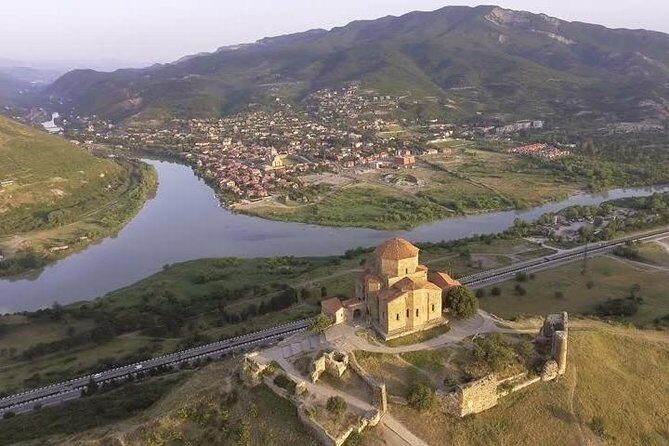
- Jvari viewpoint with the Aragvi–Kura confluence: You’re not just sightseeing; you’re seeing the setting behind famous Georgian poems and legends.
- Svetitskhoveli’s Pillar-of-Life story: A guide can turn a cathedral visit into a clear timeline of faith, relics, and royal patronage.
- Samtavro’s Mirian, Nana, and St. Nina thread: You connect the founding figures to the places you’re standing in front of.
- Small group size (max 15): Easier questions, less waiting, and a more human pace than big bus tours.
- Air-conditioned transport: A real comfort boost in warmer months, especially for the ride out of Tbilisi.
- Admission tickets included at each main stop: Fewer small hassles while you’re moving from church to church.
Other Mtskheta tours we've reviewed in Tbilisi


Entering Mtskheta From Tbilisi: the $20 value and how the day flows
The tour starts at 3 Vakhtang Gorgasali St, Tbilisi, with a 12:00 pm departure, and it returns to the same meeting point. The schedule is tight enough to fit into a half-day, but not so rushed that you feel herded. You can also book it without stress about language onboarding, since it’s offered in English, and you’ll get a confirmation at booking plus a mobile ticket.
Let’s talk value, because $20 can sound either cheap or suspicious depending on what’s included. Here, the price isn’t only for a guide walking next to you. It also covers:
- an air-conditioned vehicle
- a highly qualified guide
- admission tickets for each stop
That matters because three major sites typically take time to navigate on your own—time that you often don’t have when you’re based in Tbilisi. And once you do find each place, it’s still hard to connect the dots without someone explaining what the relics and legends mean.
Group size matters too. With a maximum of 15 travelers, you’re more likely to get questions answered and to keep up without constant regrouping. If you like a guided pace rather than self-directed wandering, this fits.
Jvari Church: the VI-century viewpoint climb above Mtskheta
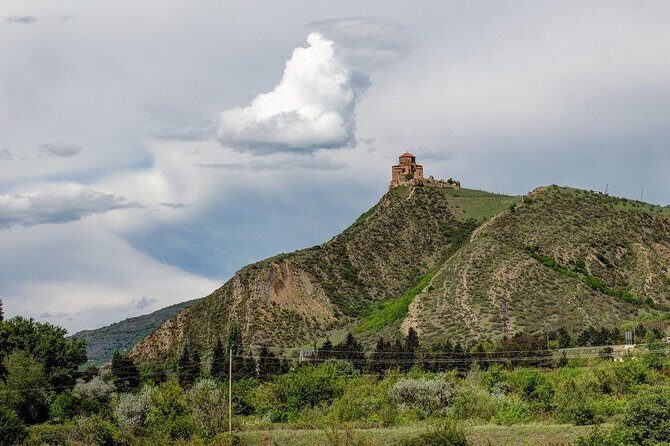
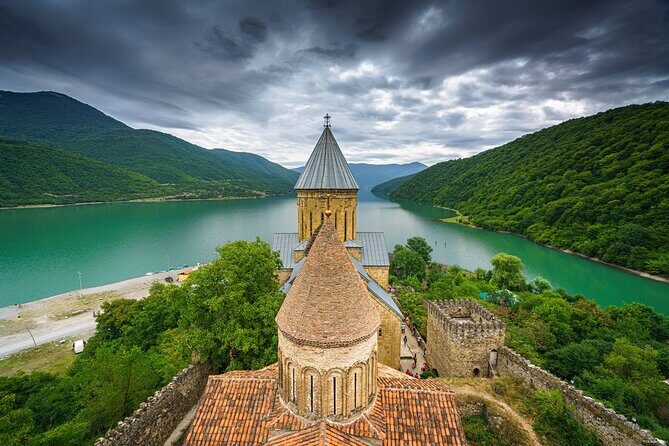
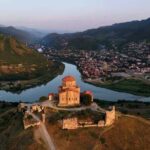
Your first real taste of Mtskheta history starts at Jvari Church, a 6th-century temple on a rise. The visit begins with a walk along a path linked with famous figures in literature and music—names like Pushkin, Lermontov, Tchaikovsky, Alexandre Dumas (father), and Leo Tolstoy. It’s a fun way to warm up your imagination before you reach the religious monument.
Then you’ll turn onto the route that passes places connected with events described by Lermontov in his poem Mtsyri. Even if you only half-know the story, the guide framing helps you understand why this area feels storied. When you finally go up to the Jvari temple, the payoff hits fast: you look out over Mtskheta with the view shaped by the meeting of the Aragvi and the Kura rivers.
What I love about this stop is how quickly it grounds you. You learn the faith story, but you also learn the physical one: why this spot became important enough to build on. It’s easier to remember facts when your brain can anchor them to an actual view.
Time on site: about 40 minutes (with the walk and viewpoint included).
Practical note for this stop
You should expect at least a bit of climbing and uneven walking as you go up to the temple. Wear comfortable shoes and don’t plan to treat this like a casual stroll.
Svetitskhoveli Cathedral: where relics turn a church visit into a story
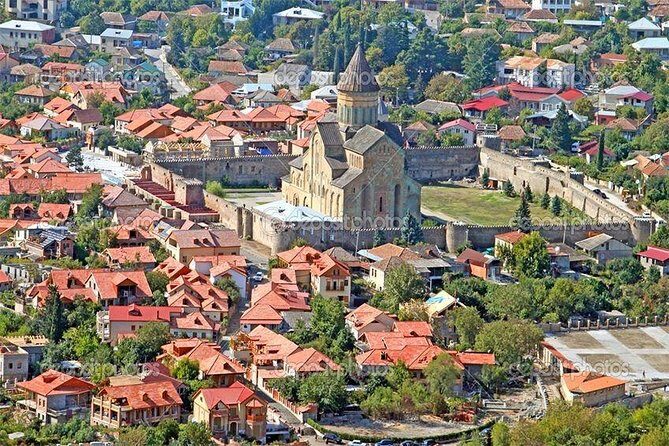
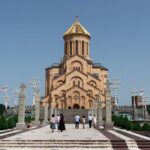
Next up is Svetitskhoveli Cathedral, often described as the Pillar of Life-Giving and known as the patriarchal cathedral of the Georgian Orthodox Church. This is the stop where the tour shifts from scenic origin setting to core religious meaning.
Here, you’ll get time to acquaint yourself with its history and significant events. The reason Svetitskhoveli feels important isn’t just architecture—it’s what the church is said to contain and represent. The guide will point you toward the fact that it’s associated with major Christian relic traditions, including the tunic of Jesus Christ, the mantle of Elijah the Prophet, and the relics of St. Andrew the First-Called.
Even if you’re not chasing relics as a personal goal, understanding these connections changes how you read the building. You stop thinking of it as only a pretty cathedral and start seeing it as a place tied to collective identity—royal-era choices, spiritual authority, and continuity across centuries.
Time on site: about 1 hour 30 minutes, which is a healthy amount. It’s long enough to listen without feeling squeezed, and it’s long enough to step back and just look.




The one drawback to watch for
Because the tour can involve bilingual delivery at times, you may notice that the guide’s story pace changes as they switch language modes. If you’re taking notes, it can help to keep your questions saved for the moments when English explanations are steady.
Samtavro Convent: Mirian, Queen Nana, and the blackberry miracle
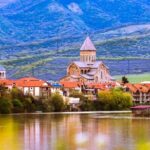
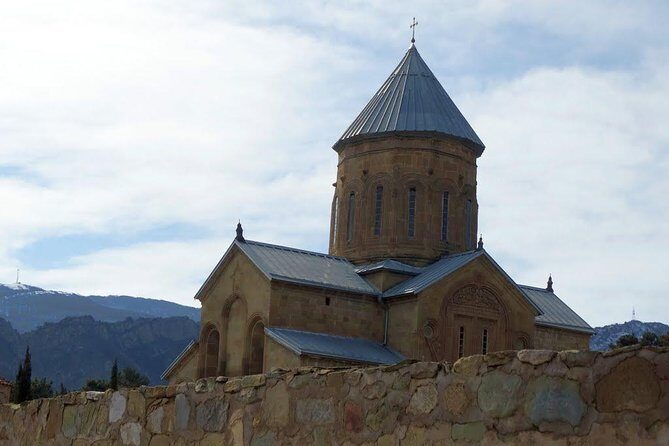
The final stop is Samtavro’s Convent, a calmer conclusion that pulls you further into early Christian-era stories. This is where you’ll visit the Samtavro temple and learn about the people tied to the dawn of Christianity in Georgia.
You’ll see the grave of Mirian, noted as the first Georgian Christian king, along with his wife, Queen Nana. The tour also connects this site with the relics of the holy elder Gabriel Samtavrii.
Then comes one of those details that makes the place feel oddly human: the blackberry bush connected to St. Nina. You’re told that she lived and preached near this bush, and that it was cut down by barbarians—then it grew again. In the local tradition, the blackberry’s return is considered miraculous.
This stop is shorter than Svetitskhoveli—less time to absorb long historical timelines—but it lands emotionally because it’s specific. It’s not just “old church.” It’s “a named person, a named place, and a story repeated until it becomes meaning.”
Time on site: about 30 minutes.
If you want more time here
This is one place where you might wish you had an extra hour to sit quietly and really absorb the atmosphere. The tradeoff is that the whole tour stays compact, which keeps it good value for a half-day.
Timing, transport, and the small-group feel that keeps it manageable
You’re on the move from start to finish, but the tour doesn’t feel chaotic. The included air-conditioned vehicle takes the strain off, especially on days when Tbilisi traffic can be unpredictable.
One thing to keep in mind: the tour is scheduled for a 12:00 pm start, yet at least one guest has reported it began later than advertised by around 30 minutes. That doesn’t mean it’s always late, but it does mean you should plan your day with a little slack—like you would for any group tour that depends on pickups and timing.
Also, the tour runs with a maximum of 15 travelers, which tends to help with smooth transitions between stops. You’re not trying to herd a crowd inside three sacred sites.
Duration: about 5 hours total, returning you to the meeting point.
Guides and interpretation: what makes the stories click (George and Liza as examples)
A tour like this lives or dies on interpretation. The churches are real and impressive, but the difference is whether you understand what you’re seeing while you’re there.
In the feedback tied to this experience, guides such as George and Liza get called out for strong historical context and clear storytelling. People specifically liked how the guide explained Georgian history in a way that made the monuments feel connected rather than random.
There’s also a small but memorable human element described with some groups—songs and extra personal touches. That stuff matters because it turns a checklist into a day that feels like you met local culture, not only local architecture.
The balanced note: some guests experienced mixed language sequencing, with the guide talking longer in another language before fully switching to English. If you want the smoothest possible English-only flow, arriving with flexibility in mind will make the experience feel easier.
Who should book this Mtskheta route, and who might prefer something else
This tour is a strong pick if you:
- want a guided introduction to Georgian Christianity
- like historical context more than pure photo-stop time
- are staying in Tbilisi and want a simple half-day plan
- appreciate small-group structure (up to 15 people)
- prefer not to figure out transportation and logistics on your own
It may be less ideal if you:
- have only a narrow window in Georgia and want to use that time for additional stops beyond Mtskheta
- get frustrated by timing slippage or language switching
- need a slower pace at each church (Svetitskhoveli gets time; Jvari and Samtavro are shorter)
Also, note that this is a group tour with three main stops. If you’re a deep-church-history person, you might want additional time in Mtskheta beyond these highlights. But if you’re aiming for a clear foundation, this does the job.
Should you book this Mtskheta – Jvari – Samtavro tour?
If you want a solid, guided introduction to the cradle of Georgian Christianity without spending time figuring logistics, I’d say yes. For $20, the combo of air-conditioned transport, English guide, and admission tickets included gives you real value. The sequence—Jvari for the view and setting, Svetitskhoveli for relic-centered meaning, Samtavro for founding-era legends—makes the day feel coherent.
I’d book it especially if you’ll be in Tbilisi for more than a day and want one easy excursion that actually teaches. If your schedule is razor-thin, keep a buffer for possible start delays, and treat the short stops as a highlight reel rather than a long sit-down museum experience.
FAQ
Where does the tour start in Tbilisi?
The tour starts at 3 Vakhtang Gorgasali St, Tbilisi 0105, Georgia, and it ends back at the same meeting point.
What are the main places you visit?
You’ll visit Jvari Church, Svetitskhoveli Cathedral, and Samtavro’s Convent.
How long is the tour?
It lasts about 5 hours in total, with approximately 40 minutes at Jvari, 1 hour 30 minutes at Svetitskhoveli, and 30 minutes at Samtavro.
Is the tour offered in English, and are tickets mobile?
Yes, the tour is offered in English, and you receive a mobile ticket. You’ll also get confirmation at booking.
Is admission included?
Yes. Admission tickets are included for the three main stops.
Can I cancel and get a full refund?
Yes. You can cancel for a full refund up to 24 hours before the experience’s start time, and cancellation is free.