REVIEW · TBILISI
Old tbilisi walking tour & wine tasting
Book on Viator →Operated by sunrise travel · Bookable on Viator
Tbilisi rewards slow walking. This Old Tbilisi walking tour mixes historic sites with a laid-back wine tasting, so you’re not just ticking boxes—you’re learning the city as you go. I especially like how the route strings together the big storylines of Georgian history (churches, Christianization, and royal legends) with small street-level details like markets and table traditions. One thing to plan for: the walk climbs, and the Narikala cable car costs extra.
You’ll also get a real guide, not a script. The tour runs about 2 hours 25 minutes in English with a private group, and it ends back at the meeting point in Avlabari. The only drawback is simple: if the weather is poor, the experience can be moved or refunded, so keep an eye on conditions.
In This Review
- Key Takeaways You Can Use
- Entering Old Tbilisi the Right Way: Churches, Streets, and Wine
- Meeting in Avlabari and How the Timing Usually Works
- Metekhi Cathedral: The 13th-Century Story Starter
- Rike Park and the Berlin Wall Segment: A Modern Symbol in the Middle of It
- Narikala Fortress by Cable Car: Views Plus Inside History
- Legvachtahvi Gorge: The Fig Gorge Waterfall Stop
- Sulfur Baths No 5: Old Quarter, Real Local Ritual
- Meidan Bazaar and Old Street Names: How Markets Tell History
- Sharden Street: Georgian Designers and Table Traditions
- Karvasla Shopping Mall & Business Center: Silk Road Merchants and Bread
- Sioni Cathedral Church: St. Nino and Georgia’s Christianization
- Anchiskhati Basilica: The Oldest Church in Tbilisi
- Bridge of Peace: Night Messages and a Perfect Photo Arc
- Wine Tasting Included: How to Plan Your Pace
- Price and Logistics: Is $114.39 Good Value?
- Who Should Book This Old Tbilisi Walk
- Quick Decision: Should You Book It?
- FAQ
- What’s included in the Old Tbilisi walking tour?
- What extra costs should I plan for?
- How long is the tour, and where does it start?
- Is the tour private, and is it in English?
- What if the weather isn’t good?
- Can I cancel for free?
Key Takeaways You Can Use
- Wine tasting is included, so you can pace your afternoon around something that feels local, not optional.
- Narikala Fortress uses a paid cable car, so expect that extra $1 per person when you get to the climb.
- You’ll hit both viewpoints and everyday Old Tbilisi streets, from cathedral squares to Sulfur Baths No 5 and Sharden Street.
- St. Nino and early Christianity show up in two major churches, which helps the story click faster.
- Expect a mix of old and modern symbolism, including a Berlin Wall segment in Rike Park.
- Guide quality matters here, and the name Nino comes up for passion, good conversation, and even photo-friendly stops.
Entering Old Tbilisi the Right Way: Churches, Streets, and Wine
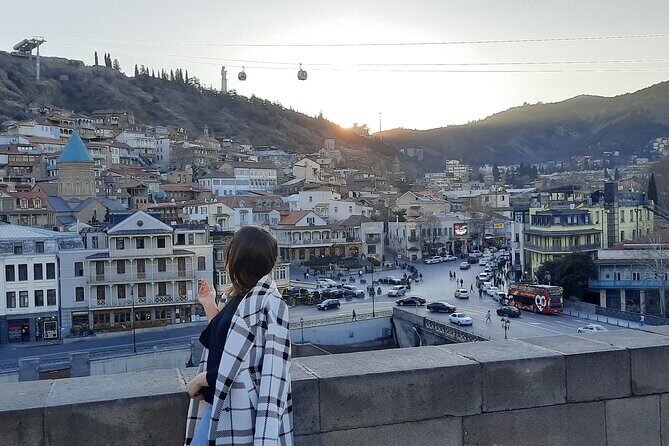
This tour is built for first-timers who want to understand Old Tbilisi, not just photograph it. You start with places that explain why Tbilisi matters—cathedrals tied to Georgia’s Christian story, royal-era legends, and the “why” behind the city’s layout. Then you shift into street life: markets, design corners, and the feel of neighborhoods where people still do things the old way.
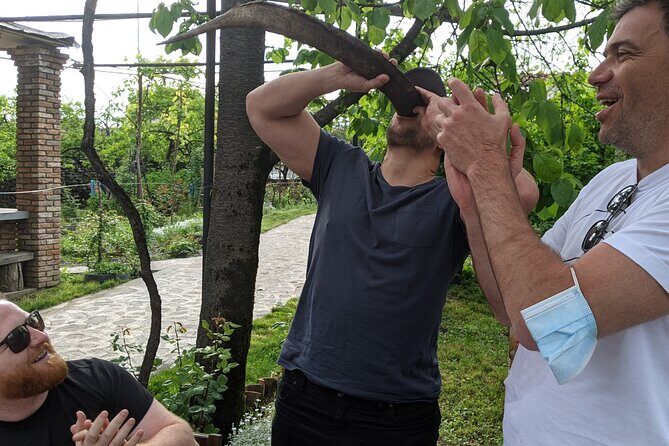
The wine tasting inclusion is a smart value play. If you try to add wine tasting on your own later, it often turns into a rushed detour. Here, it’s folded into the schedule, which makes the pacing more natural while you’re already moving through the center.
Price-wise, $114.39 per person can feel like a lot until you factor in two things: the guide service and the wine tasting. Walking tours that only point and talk usually cost less, but they rarely include an actual local activity. The cable car fee is separate, but it’s small compared with the total.
Other wine tasting tours we've reviewed in Tbilisi



Meeting in Avlabari and How the Timing Usually Works
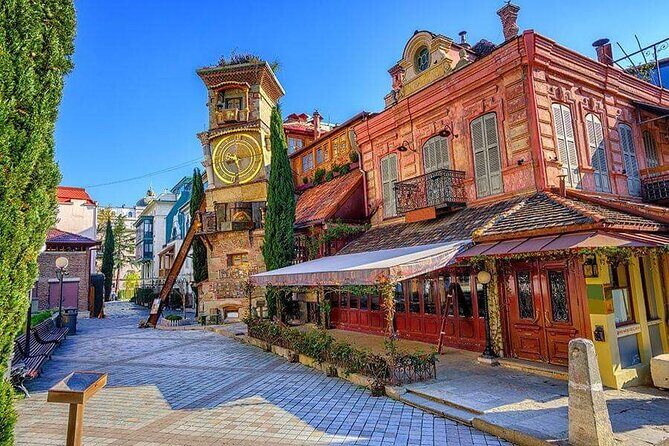
The tour meets in Avlabari, Tbilisi and ends back at the meeting point. That matters more than it sounds, because Old Tbilisi is a mix of hills and shortcuts—starting in the right area saves you time and avoids unnecessary backtracking.
Expect about 2 hours 25 minutes total. That’s long enough to feel like you saw a full “highlights plus context” circuit, but not so long that you feel wrecked by the end. It’s also offered in English, and it’s a private tour, meaning it’s only for your group.
Two practical tips:
- Wear shoes you trust. Even if the pace feels friendly, Old Tbilisi isn’t flat.
- Plan around limited coffee/tea on the route. Coffee and tea aren’t included, so if you rely on caffeine, bring it into the day earlier or carry a small option that fits your comfort.
Metekhi Cathedral: The 13th-Century Story Starter
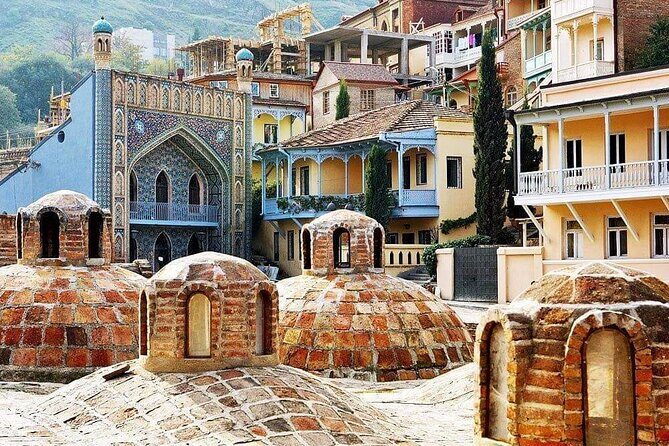
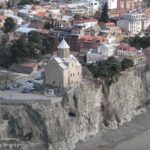
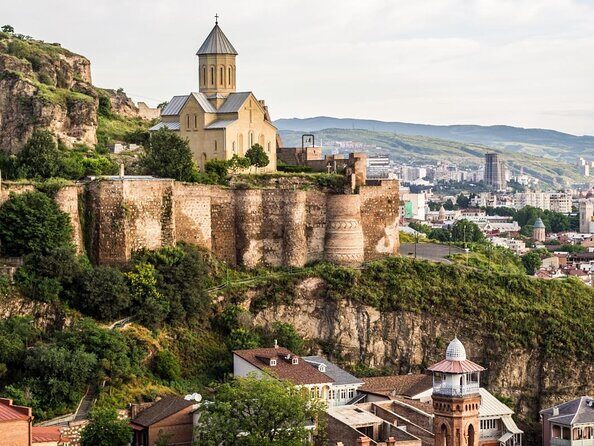
Metekhi Cathedral is where the tour earns its “history walk” label. You’ll stand at a palace church tied to the 13th century, and the guide connects it to the founding myths and the rulers who shaped the city. This is one of those stops that can feel like just another old church—unless someone puts the story in context.
What I like about this first stop is the way it sets the tone. Instead of jumping straight to the “pretty views,” you get the why: who built what, which legends matter, and how Tbilisi’s identity formed over time. You also don’t pay entry here—admission is free.
In practical terms, it’s a good warm-up before the rest of the route because it’s relatively compact. You’re learning while you’re still fresh.
Rike Park and the Berlin Wall Segment: A Modern Symbol in the Middle of It
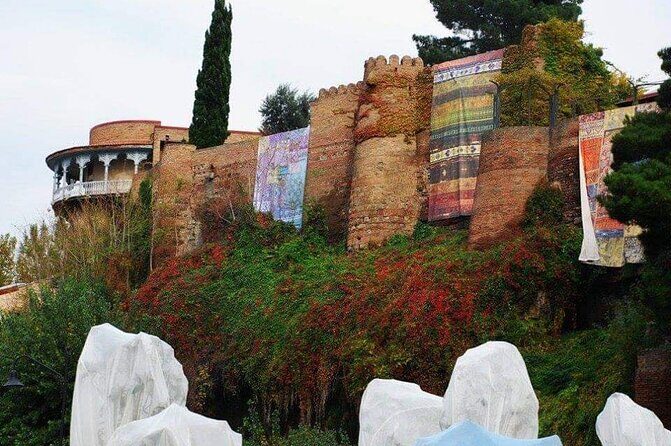
Next comes Rike Park, where you’ll spot a part of the Berlin wall. That’s a striking contrast in Georgia, and it gives the guide a chance to talk about symbolism and how different places use monuments to express meaning.
After the Berlin Wall segment, you’ll look at modern sculpture and then head toward the teleferic area. This stop works as a breather from the purely ancient stuff. It also helps you notice how Tbilisi mixes layers—old faith and royal memory right next to modern public art.
If you enjoy thoughtful photo moments, this is one. If you’re only chasing cathedrals, you might treat Rike Park as a quick reset, but it still adds a useful theme to the day.
Narikala Fortress by Cable Car: Views Plus Inside History
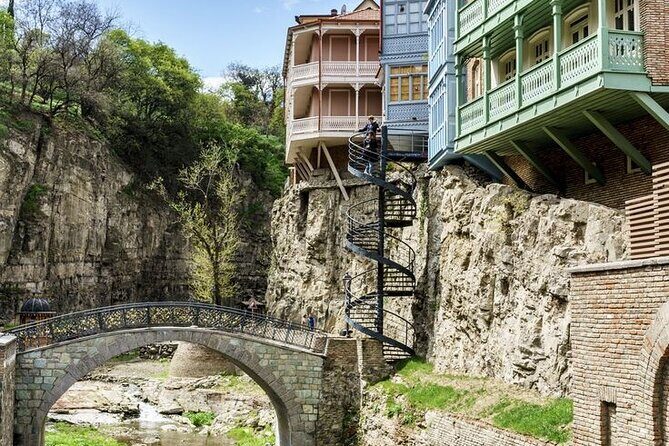
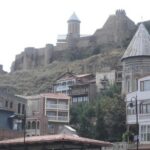
Narikala Fortress is the big “look over Tbilisi” moment. You reach it via a cable car climb, and yes, there’s a cost: $1 USD per person (not included). Once you’re up there, you learn the fortress history and explore it from the inside.
The statue Mother of Georgia is a key visual. It’s one of those landmarks you recognize instantly once you see it, and the guide’s job is to connect it to what the symbol represents in Georgia’s story.
This stop is worth planning for because it changes how the rest of the tour feels. When you can see the city layout from above, the winding streets and neighborhood shifts make more sense. You also get that “top of the world for a minute” effect without spending hours hiking.
Other Tbilisi walking tours we've reviewed in Tbilisi





Legvachtahvi Gorge: The Fig Gorge Waterfall Stop
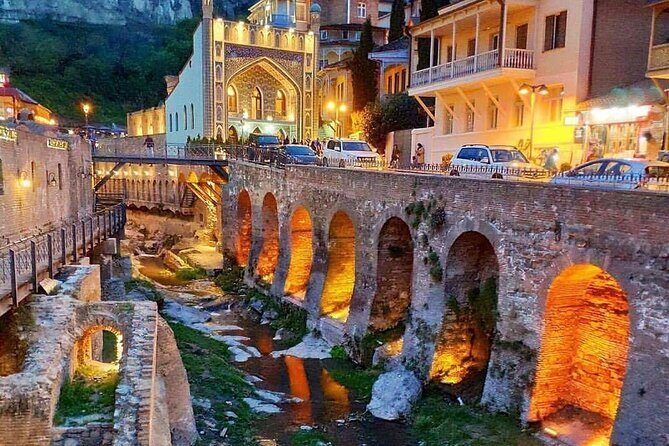
From the fortress, you move to Legvachtahvi Gorge, where you pass through what’s called the fig gorge. The highlight here is a waterfall flowing in the center of the city—one of those Tbilisi odd-and-amazing features that helps the city feel alive rather than frozen in history.
This is a shorter stop, and that’s fine. It’s mainly a visual and a story moment. The guide’s value is in pointing out how the city’s natural features shaped how people built around it.
Sulfur Baths No 5: Old Quarter, Real Local Ritual

Then you head to the Sulfur Baths quarter, stopping at Sulfur Bath No 5. These baths are a defining part of Tbilisi’s identity, and the guide explains what makes them unique, including which celebrities have visited them over time.
One reason I’d recommend this stop even if you don’t plan to soak: it explains why the baths matter culturally. It’s not only about comfort. It’s also about tradition, architecture, and the kind of place that shows up in the city’s self-image.
This stop also makes your tour feel more “lived in.” Markets and churches can sometimes feel like a museum route; the baths remind you Tbilisi has rituals people still practice.
Meidan Bazaar and Old Street Names: How Markets Tell History
At Meidan Bazaar, you’ll walk through the street and visit the authentic bazaar area. This is where the tour shifts from monuments into everyday life.
The guide helps connect the street names to what they were related to. That turns the city map into a story map. Instead of seeing a street as just a street, you start to understand how commerce, community, and geography shaped the layout.
If you like markets, you’ll enjoy this stop even if you don’t buy much. If you don’t love shopping, focus on the atmosphere and the explanations. The value here is the context.
Sharden Street: Georgian Designers and Table Traditions
Next you move along Sharden Street, one of the best-known areas in the center. Here, the tour stays practical and cultural: you’ll see a corner connected with Georgian designers and get acquainted with Georgian table traditions.
This is a smart inclusion because it fills a gap that many “Old Town” walks miss. Georgia isn’t only about churches and viewpoints. It’s also about how people eat and host.
Try to treat Sharden Street as a “people and culture” stop rather than a strict sightseeing checkpoint. The guide’s conversation can make the street feel less touristy and more like a stage for Georgian daily life.
Karvasla Shopping Mall & Business Center: Silk Road Merchants and Bread
This is a surprising stop—in a good way. At Karvasla Shopping Mall & Business Center, the guide talks about the Silk Road passing through Tbilisi. You’ll also see the kinds of buildings where merchants who came with caravans stopped.
Even better, you’ll spot an older traditional bread bakery in the area. That’s the kind of detail that makes your brain connect history to real food. The Silk Road story lands better when you end up looking at bread, not only cargo routes.
If you hate malls, you might not love this stop at first. But don’t skip it. The way the guide ties commerce history to something you can understand instantly—bread—keeps it from feeling like a detour.
Sioni Cathedral Church: St. Nino and Georgia’s Christianization
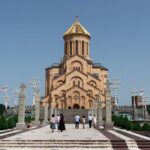
At Sioni Cathedral Church, you get one of the tour’s most important narrative pieces: stories about St. Nino and the Christianization of Georgia.
Two reasons this stop matters:
- It helps you understand why churches aren’t just architecture here.
- It builds a timeline that makes later stops feel connected rather than random.
You’ll spend about 20 minutes here. It’s enough time to look closely while still keeping the day moving.
If you like religious history, this is a strong anchor stop. Even if you don’t, the story context makes the church feel purposeful.
Anchiskhati Basilica: The Oldest Church in Tbilisi
Next is Anchiskhati Basilica, which the tour frames as the oldest church in Tbilisi. Nearby, you’ll also visit the theatre tower.
Anchiskhati is the kind of place that can feel “small” compared to bigger cathedrals, but the age is the point. The guide’s job is to connect that age to what Tbilisi became over centuries, and the theatre tower adds a shift into civic life and architecture beyond strict religious sites.
You’ll have about 15 minutes, which is a good pace. Long enough to absorb, not so long that you feel rushed.
Bridge of Peace: Night Messages and a Perfect Photo Arc
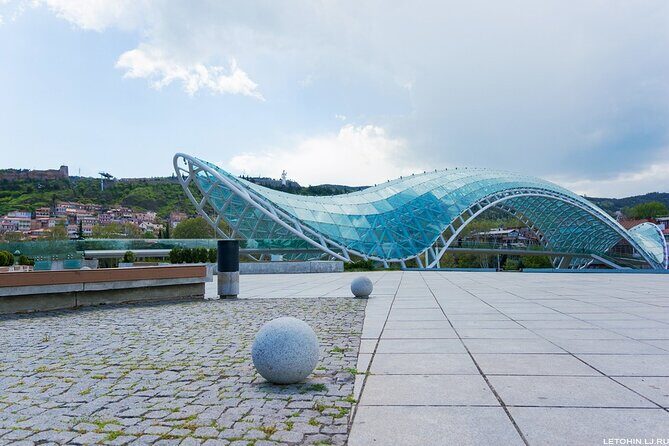
Finally, you cross the Bridge of Peace, one of Tbilisi’s signature modern sights. You’ll hear the history of its founding and why it’s called the Peace Bridge.
There’s also a night-specific detail: you’ll learn about the message the bridge sends during the night hours. Even if you’re not there at night, the explanation changes how you see the bridge’s design. It stops being just a crossing and becomes a statement.
The stop lasts about 15 minutes, which is exactly what you want at the end of a walking tour: a memorable finish without burning more energy.
Wine Tasting Included: How to Plan Your Pace
This tour includes wine tasting, and that changes how I’d plan the rest of your day. With wine built in, you don’t need to schedule anything later. You also don’t have to hunt for a place that fits your interests.
Because coffee and tea aren’t included, think ahead:
- If you want something warm, plan it before the tour.
- Bring water, especially if you’ll take the cable car and walk through the sulfur baths area.
If you’re not a big alcohol drinker, you can still enjoy the tasting part as a cultural moment. The key is that you’re walking through the city while tasting something tied to Georgia’s identity, so the experience stays connected.
Price and Logistics: Is $114.39 Good Value?
Let’s talk about the number: $114.39 per person for around 2 hours 25 minutes. On paper, it’s not a bargain.
In value terms, it makes more sense because:
- Wine tasting is included, which is usually an add-on cost when you plan it separately.
- You get guide service through a dense set of stops, so you’re not spending your own time figuring out what’s worth seeing.
- It’s a private tour, meaning it’s only your group.
What’s extra:
- Cable car to Narikala Fortress costs $1 USD per person, not included.
- Coffee/tea are not included.
My practical takeaway: this is a solid pick if you want a structured Old Tbilisi circuit plus wine and you’d rather spend your energy learning than organizing. If you’re traveling on a strict budget, the extra cash for the cable car is small, but wine tasting plus guide might still feel like a splurge.
Also note the tour is often booked about 56 days in advance on average. If your dates are fixed, earlier booking is wise.
Who Should Book This Old Tbilisi Walk
This tour is a great match if:
- it’s your first visit to Tbilisi and you want a clean highlight route with stories that make the city click
- you like a blend of major landmarks and neighborhood texture
- you enjoy wine tasting that’s built into the schedule
- you prefer a private, English-guided pace rather than wandering alone
It may be less ideal if:
- you dislike hills and stairs, since the Narikala area and Old Tbilisi streets involve real walking and elevation
- you’re sensitive to weather changes, because the experience requires good weather and may be rescheduled if conditions are poor
- you need lots of flexibility for long breaks, since this tour is a steady sequence of stops
Quick Decision: Should You Book It?
I’d book it if your goal is simple: understand Old Tbilisi in one afternoon, with wine tasting and a guide who can connect the dots between churches, symbols, and everyday life. The itinerary works because it alternates viewpoint, story, and neighborhood feeling without losing momentum.
Skip it only if you’re chasing a purely self-guided photo spree. In that case, you might prefer to wander and pay only for the cable car yourself. But if you want context, ease, and a city story that actually lands, this is a strong choice.
FAQ
What’s included in the Old Tbilisi walking tour?
Wine tasting and guide service are included.
What extra costs should I plan for?
Coffee and/or tea aren’t included. The cable car to Narikala Fortress costs $1 USD per person.
How long is the tour, and where does it start?
The tour runs about 2 hours 25 minutes. It starts in Avlabari, Tbilisi and ends back at the meeting point.
Is the tour private, and is it in English?
Yes, it’s a private tour/activity, and it’s offered in English.
What if the weather isn’t good?
The experience requires good weather. If it’s canceled due to poor weather, you’ll be offered a different date or a full refund.
Can I cancel for free?
Yes. You can cancel up to 24 hours in advance for a full refund. If you cancel less than 24 hours before the start time, you won’t receive a refund.