REVIEW · TBILISI
Private 7-Day Tours & Transfers from Tbilisi to Top Georgia Spots
Book on Viator →Operated by Visit Georgia with George · Bookable on Viator
A trip like this feels pre-planned in the best way. You get a private driver and guide plus airport transfers, and a tight route that hits Tbilisi, Kakheti, Kazbegi, Mtskheta, Borjomi, and Kutaisi. I especially like how the day-by-day mix balances city sights (sulfur baths, Shardeni Street) with big “wow” scenery like Gergeti Trinity Church and the Okatse Canyon viewpoints. You’re also in good hands with a team that often includes guides such as George or Beso, and drivers like Nugo or Amiran, who focus on keeping you comfortable.
The main thing to think about is stamina and costs. The long days run about 9 to 18 hours, and while many listed stops are free, entrance tickets and food/drinks are not included, so you’ll want to budget for meals and any paid sites (like cable cars or cave admissions). Also, you’ll shift hotels: day 6 requires booking your hotel in Kutaisi.
In This Review
- Key highlights
- From Tbilisi airport pick-up to real route planning
- Day 1 in Tbilisi: sulfur baths, views, and Shardeni Street
- Day 2 Kakheti: bread-making, wine stops, Bodbe, and Signaghi
- Day 3 to Kazbegi: Jinvali, Ananuri, Aragvi River, and Gergeti Trinity
- Day 4 Mtskheta and Uplistsikhe: history without the museum fatigue
- Day 5 Borjomi National Park: cable cars, waterfall time, and mineral water
- Day 6 Kutaisi and Tskaltubo: Prometheus Cave, Okatse Canyon 4×4, and Kinchkha Falls
- Day 7 Kutaisi monuments and back to Tbilisi: Bagrati and Gelati
- Price and value: what $700 buys you in real terms
- What you should know before you go
- Should you book this 7-day Tbilisi to Georgia tour?
- FAQ
- Where does this tour start and end?
- Is this tour private?
- How long is the total trip?
- What’s included in the price?
- What is not included?
- Do I need to book a hotel in Kutaisi?
- Are entrance tickets free for the stops?
- Is there an airport transfer on both ends?
- What weather item should I bring?
- Can I cancel for a refund?
Key highlights
- Airport arrival and departure transfers so you start and end with less stress
- Kakheti day built around bread and wine (including a visit to Khareba’s wine tunnel)
- Kazbegi mountain route with Jinvali, Ananuri, and the hike-up to Gergeti Trinity Church
- UNESCO-linked Mtskheta stop plus Uplistsikhe caves on the same day
- Kutaisi and Tskaltubo with a 4×4 option for Okatse Canyon
- Private touring means your group sets the pace, not the bus schedule
From Tbilisi airport pick-up to real route planning
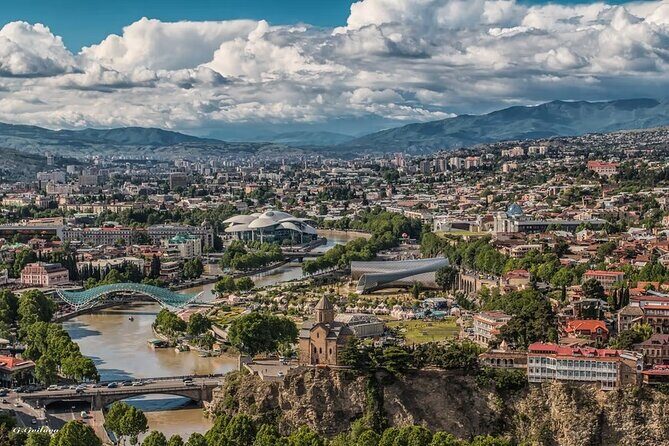
This tour is built like a “connections trip.” You’re not just seeing places; you’re being moved between regions with enough structure that you don’t waste time figuring things out. You start with an airport private arrival transfer to your hotel area in Tbilisi, and you finish with an airport private departure transfer back to Shota Rustaveli International Airport.
What I like for you: the itinerary is organized so each day has its own personality. Day 1 is all about getting your bearings in Tbilisi. Day 2 turns the dial toward Kakheti food and wine culture. Day 3 is a mountain day. Day 6 is nature-and-caves. That kind of rhythm matters when you’re spending more than a full week on the road.
One practical note: this tour runs about 9 to 18 hours per day depending on the day and driving time. That’s not a “sleep in and snack your way around” plan. If you’re good with full days and you like seeing a lot, you’ll find it efficient. If you hate long driving days, you might feel the pace.
Other multi-day Georgia tours we've reviewed in Tbilisi

Day 1 in Tbilisi: sulfur baths, views, and Shardeni Street
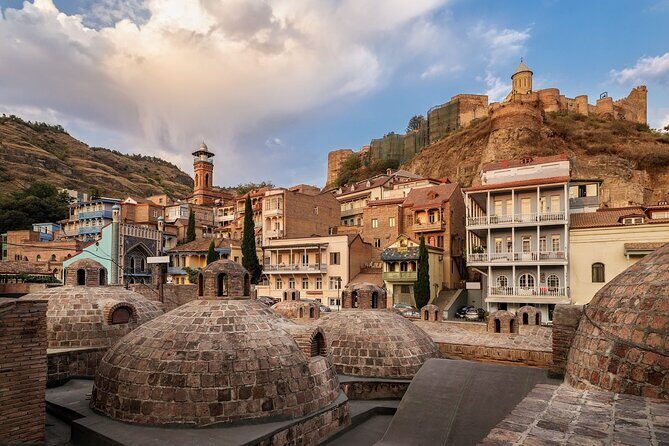
Day 1 is essentially your Tbilisi orientation, and it hits a lot of the postcard-core sites without turning into a museum marathon. Here’s the shape of it.
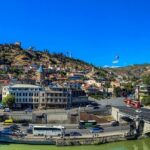
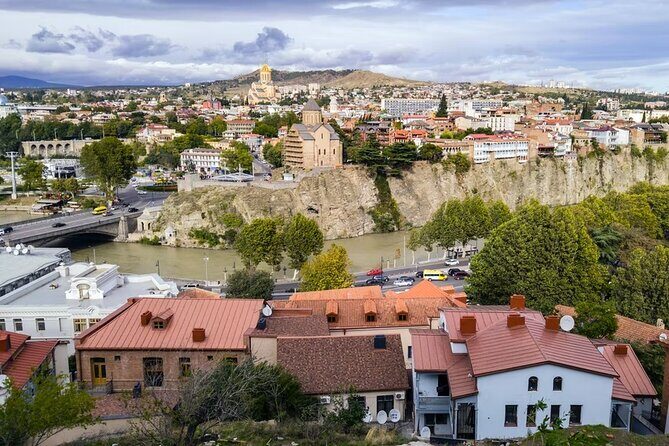
You’ll start with the Bridge of Peace, a bow-shaped pedestrian bridge over the Kura River. Even if you’re not a “walk bridges for fun” person, it’s a great first stop because it visually links the modern riverfront with the old town.
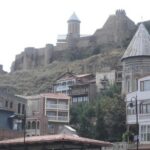
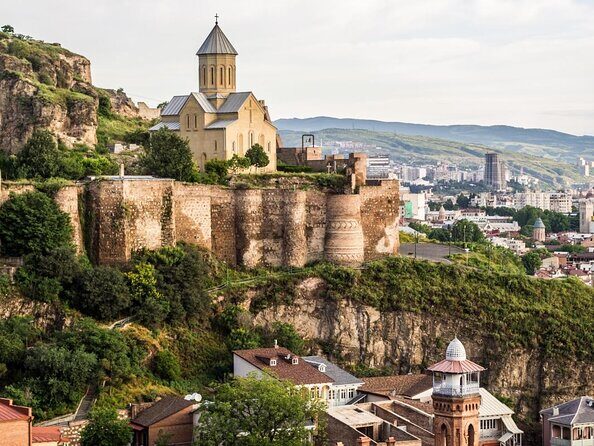
Then it climbs up to Narikala Fortress above the city. It’s the kind of place where you don’t need a long ticketed experience to get value—you get sweeping views and a sense of how Tbilisi grew around geography. Nearby you’ll move into Abanotubani, the historic sulfur-bath district. This is where the hot springs story becomes real: sulfur baths are part of how locals have lived here for centuries.
After that, you’ll get a quick dose of cool shade at Dzveli Tbilisi Sulphur Waterfall, a small waterfall area you can use as a photo break and a reset on a hotter day. From there the plan shifts toward strolling the city: Rike Park (with the Bridge of Peace connection) and Jan Shardeni Street, one of the most visited pedestrian lanes in central Tbilisi.
Later you’ll walk through Freedom Square (the heart of the city center) and then head up to Mtatsminda Amusement Park. It’s not just for kids; the real draw is the view over Tbilisi from up on Mount Mtatsminda. If you want a fun diversion after a lot of walking, this is that stop.
Finally, you’ll close the day at Dry Bridge Market, an outdoor flea market style area where you can browse everything from household goods to Soviet-era memorabilia.
Tip for your day: wear shoes you can handle on hills and cobblestones. Tbilisi rewards good footwear more than it rewards fancy plans.
Day 2 Kakheti: bread-making, wine stops, Bodbe, and Signaghi
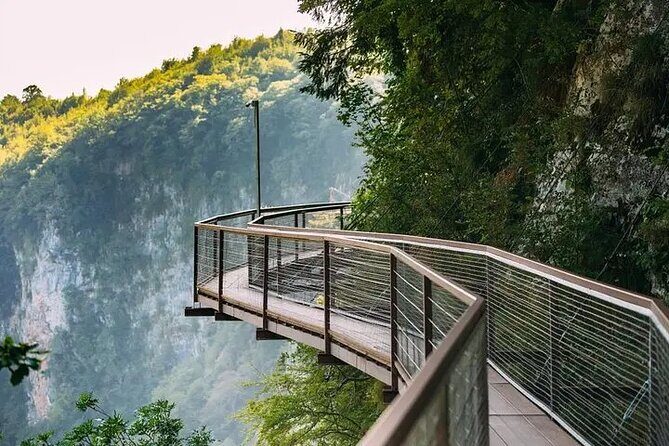
Day 2 is your Kakheti culture day, and it’s built around three big themes: food, wine, and religious landmarks, with a charming town finish.
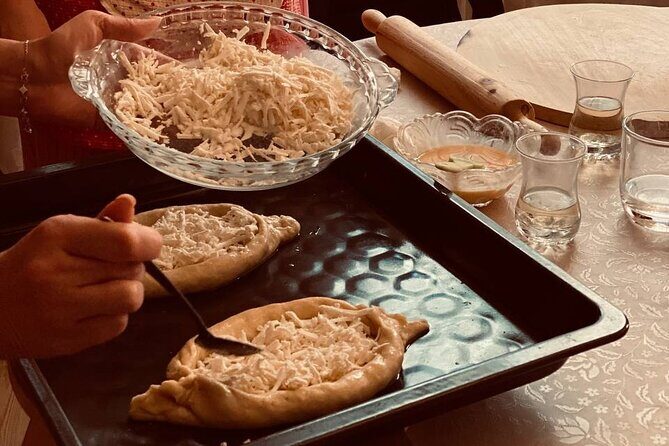
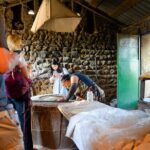
Your route includes a Georgian Traditional Bread making stop plus a KTW Wine factory visit. Even if you’re not a “wine expert,” these moments matter because they show how local traditions work in practice, not as tourist theater.
Then you’ll head to Bodbe Monastery of St. Nino. It’s near Sighnaghi in Kakheti and historically tied to the seat of bishops of Bodbe. If you like quieter spiritual spaces, it’s a good change of pace from the busy festival energy you might feel elsewhere.
After Bodbe, the day pivots into Sighnaghi (Signagi), a town known for its romantic reputation and viewpoints over the valley. It’s one of those places where the streets and squares feel designed for wandering.
The wine finale is Khareba’s Tunnel Winery, a wine storage cellar/tunnel carved inside the mountains. It’s long (7.7 kilometers) and designed for stable preservation conditions, which is exactly why wine ages well there. You’ll spend about an hour at this stop.
Reality check: because food and wine experiences are popular parts of this day, it’s smart to plan your budget for any paid tastings or additional purchases. Entrance tickets aren’t included, and your best odds for surprises are around anything that sounds like a “factory experience.”
Day 3 to Kazbegi: Jinvali, Ananuri, Aragvi River, and Gergeti Trinity
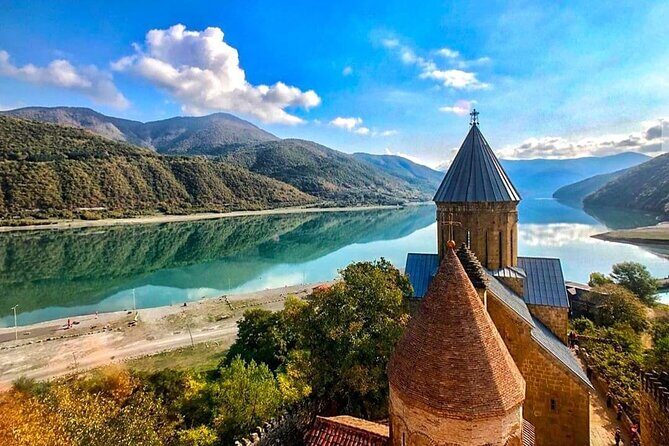
If Georgia has a mountain day signature, this is it. Day 3 combines water, fortress history, and the high-altitude “wow” moment near Mount Kazbek.
You’ll pass through Zhinvali Water Reservoir (also spelled Jinvali), then move to Ananuri Fortified Castle Ensemble on the Aragvi River. Ananuri is one of those stops where the setting does half the job: river views, fortress walls, and a photogenic composition that works even if you spend only a short time.
Then you’ll stop for a scenic break at the Aragvi River area. It’s helpful to have these short “stretch stops” during a long mountain day—they give you air, photos, and time to cool down.
Next comes Russian Georgian Friendship Monument, a roadside landmark connected to the Treaty of Georgievsk bicentennial. It’s quick, but it gives you a sense of the region’s modern history layered onto the landscape.
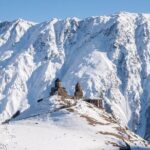
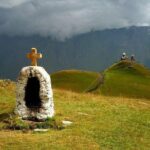
From there you’ll continue toward Mkinvartsveri (Stepantsminda area) and then reach the big target: Gergeti Trinity Church. The church sits high at about 2170 meters near the village of Gergeti, under Mount Kazbek. It’s the kind of stop where even short time there feels like you earned it—because you drove into the mountains and the views do not mess around.
Practical advice: bring a rain jacket. Weather in mountain regions changes fast, and your tour guide can’t control clouds.
Day 4 Mtskheta and Uplistsikhe: history without the museum fatigue
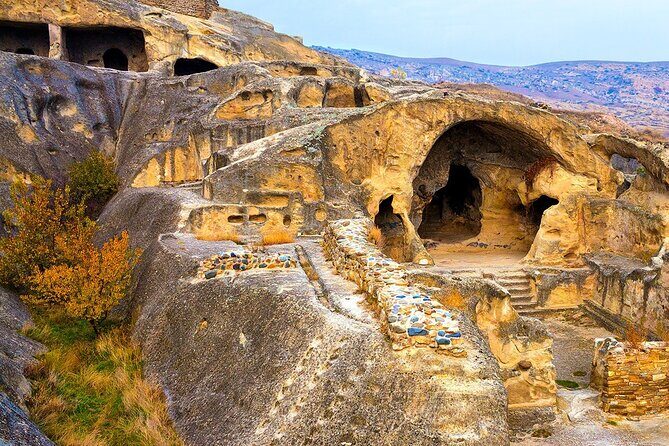
Day 4 is your “old Georgia” day: Jvari Monastery, Mtskheta, and the rock-cut caves of Uplistsiche. It’s a great pairing because each stop tells a different kind of story.
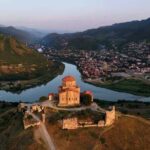
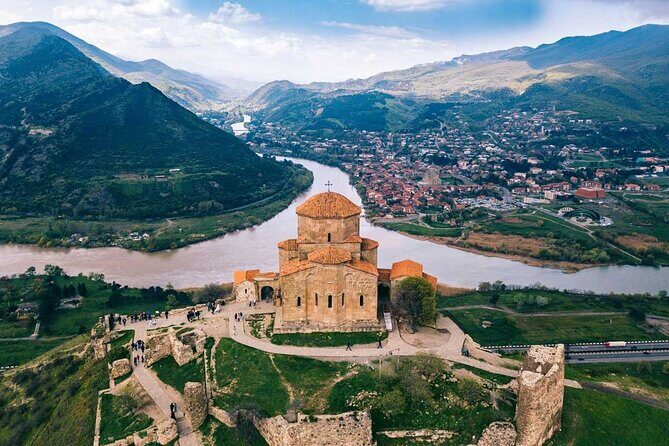
You’ll start with Jvari Church (Jvari Monastery), a sixth-century Georgian Orthodox site near Mtskheta and listed as a UNESCO World Heritage component through the historic structures of Mtskheta. It’s also a rare early medieval church that has survived in largely unchanged form. The value here is scale and setting: you get the church, yes, but also the vantage points over river confluences.
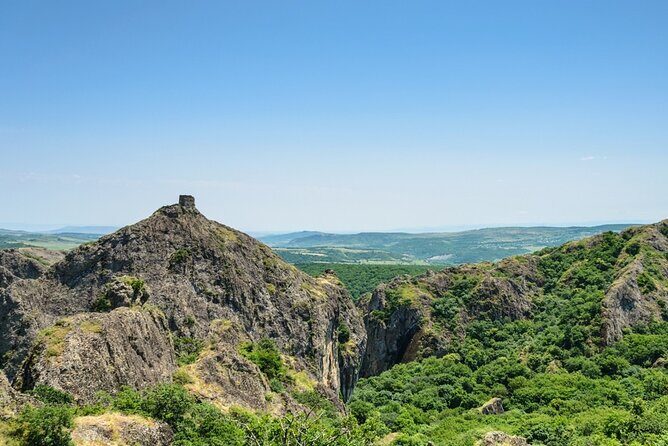
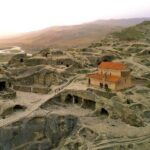
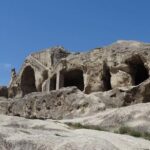
Next you’ll visit Uplistsiche Cave Town, an archaeological site featuring the ruins of a rock-cut town from the Iron Age. Instead of just reading about ancient settlement, you can physically see how rock shaped daily life and defense.
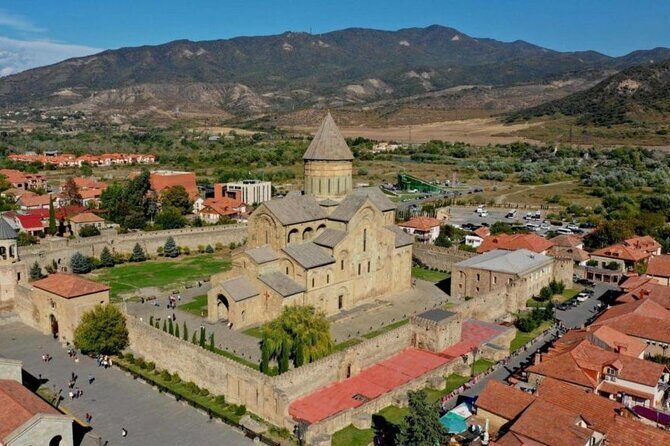
Then you’ll wrap with Mtskheta, Georgia’s old capital area near the confluence of the Mtkvari and Aragvi rivers. You’ll spend enough time to wander a bit and understand why this city matters.
This day is a good option if you want history that feels anchored in place, not locked inside walls. The one caution: it’s still a full day. Plan for walking and standing, especially at cave ruins and viewpoints.
Other private tours in Tbilisi


Day 5 Borjomi National Park: cable cars, waterfall time, and mineral water
Day 5 is the reset day: Borjomi National Park. The tone is greenery, mountains views, and easier-to-enjoy nature pacing compared to the steepest mountain day.
Your included plan features cable cars, plus time for scenic areas, a waterfall, a river setting, and chances to enjoy mineral water from Borjomi. This day works well if you want to balance the earlier cultural and fortress-heavy stops with something that feels like breathing room.
If you’re a “show me water” traveler, you’ll probably love this. It gives you a mix of movement and viewpoints without stacking too many “one-hour museum” moments back to back.
Budget note: cable cars and any paid park attractions could involve extra costs since entrance tickets are not included.
Day 6 Kutaisi and Tskaltubo: Prometheus Cave, Okatse Canyon 4×4, and Kinchkha Falls
This is the day that feels like West Georgia’s special-effects department. It also comes with a big logistics point: you need to book your hotel in Kutaisi for day 6.
The itinerary mixes cave systems and dramatic canyon erosion. You start with Prometheus Cave, also known as Kumistavi Cave. It’s listed as a key stop and typically the kind of place where guided paths and lighting change the mood of the underground.
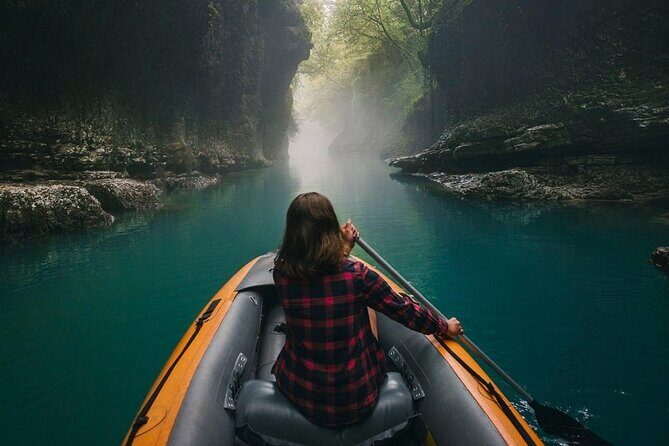
Then you move into the Okatse Canyon Natural Monument area near Zeda Gordi. Here’s where the tour’s included transportation matters: there’s a 4×4 car for Okatse Canyon, which helps you reach the viewpoint areas without turning the day into a struggle.
You’ll also visit Kinchkha Waterfall in the same broader region near Kinchkha, inside the gorge area of Okatse. The timing is short enough that it stays energetic, but long enough to feel like you actually saw something.
What I like for you: this day doesn’t just throw you into a cave and out. It links cave time with canyon and waterfall time, so the “nature variety” stays high.
Main caution: this is one of the more active days. Muddy conditions can happen in gorge areas depending on season, so bring grippy shoes and that rain jacket again.
Day 7 Kutaisi monuments and back to Tbilisi: Bagrati and Gelati
On the final day, you’re not leaving Georgia’s monuments behind. You’ll focus on two of the most famous religious sites around Kutaisi: Gelati Monastery and Bagrati Cathedral.
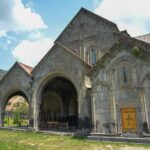
You’ll visit Gelati Monastery, a medieval monastic complex founded in 1106 by King David IV and recognized by UNESCO as a World Heritage site. Gelati is the kind of stop where you’ll feel the scale of the complex and the importance of the site beyond one quick photo.
Then you’ll see Bagrati Cathedral (also called Kutaisi Cathedral), an 11th-century cathedral in Kutaisi. It’s another “see it in person” moment. Buildings like this aren’t just about dates; they’re about how a region expresses power, faith, and craftsmanship in stone.
After these visits, you’ll drive back to Tbilisi, and your tour ends back at the meeting point near the start area.
If you like closing a trip with something meaningful but not exhausting, this is a decent finale.
Price and value: what $700 buys you in real terms
At $700 per person, this tour sits in the mid-to-higher end for Georgia private touring. The value comes from what’s actually included.
You’re getting:
- Private comfortable car and professional driver & guide
- Airport arrival and departure transfers
- Petrol and parking fees
- A full 7-day private route
- 4×4 support for Okatse Canyon
That’s a lot of logistical work handled for you. For a route that spans from Tbilisi out to Kakheti, up toward Kazbegi, then west to Kutaisi and back, private transportation can quickly become the deciding factor between a smooth trip and a frustrating one.
What’s not included:
- Food and drinks
- Accommodations
- Entrance tickets
So the fair way to judge value is this: if you’d otherwise pay for a private car plus guide plus transfers, the package price often makes sense. If you’re the kind of traveler who plans everything independently and only wants the highlights, you may find it cheaper to do it on your own. But if you want fewer headaches and smoother timing, this tour is built for that.
One more detail that can improve value: the tour offers group discounts. If you’re traveling with others, you might get a better per-person rate than solo travelers.
What you should know before you go
Bring rain jackets. Georgia has a way of turning a clear morning into a drippy afternoon, especially around mountain areas and gorge regions.
Also, plan meals. Food and drinks aren’t included, so build in time to eat without rushing. Your guide can help you choose places that fit where you are in the itinerary, and that matters more than you might expect during long days.
Lastly, manage expectations about “free admissions.” Many listed stops are marked free in the schedule, but entrance tickets are still listed as not included overall. Treat your budget like this: some stops may cost nothing, and others likely will.
Should you book this 7-day Tbilisi to Georgia tour?
I’d book it if you want a private, structured route that covers the big regions without making you do the driving math. It’s especially a strong choice if you like mixing city strolls (sulfur baths, Shardeni Street) with true regional “signature” nature stops like Borjomi and Kazbegi, and then wrapping with cave-and-canyon sights near Kutaisi.
You might skip or modify it if you hate long days, if you know your group will struggle with walking on hill towns and cave ruins, or if you prefer to keep every cost fully under control without guide fees.
If your priority is safety, smooth timing, and local guidance from a team that can handle details from start to finish, this one is a solid match.
FAQ
Where does this tour start and end?
It starts at Shota Rustaveli Tbilisi International Airport in Tbilisi, Georgia. It ends back at the meeting point.
Is this tour private?
Yes. It’s a private tour/activity, and only your group participates.
How long is the total trip?
The tour is a 7-day private itinerary. Driving days are listed as approximately 9 to 18 hours.
What’s included in the price?
Included are a private comfortable car, professional driver and guide, airport arrival and departure transfers, petrol and parking fees, and the 7-day private tour. A 4×4 car is included for Okatse Canyon.
What is not included?
Food and drinks, entrance tickets, and accommodations are not included.
Do I need to book a hotel in Kutaisi?
Yes. For day 6, you have to book your hotel in Kutaisi. On the other days, hotels should be in Tbilisi.
Are entrance tickets free for the stops?
Many stops are listed as admission ticket free in the schedule, but entrance tickets are generally not included, so it’s best to budget for any paid attractions.
Is there an airport transfer on both ends?
Yes. There is a private airport arrival transfer to your hotel and a private airport departure transfer at the end.
What weather item should I bring?
Bring a rain jacket.
Can I cancel for a refund?
Yes. There is free cancellation, and you can cancel up to 24 hours in advance for a full refund.