REVIEW · TBILISI
3 Day Tusheti Tour Explore Unspoiled Wilderness
Book on Viator →Operated by Friendly.ge: Transfers & Tours in Georgia · Bookable on Viator
Tusheti is the kind of trip you feel in your bones. This 3-day tour strings together Kakheti’s historic sights and then the remote roads up to Tusheti National Park and the high Abano Pass. I like the way the route mixes big viewpoints (Gombori and Abano) with real village life around Omalo and stone-tower settlements. I also like the hands-on team setup, where guides like Koba and Gocha, plus photographers and communicators like Jonah and Anna, help keep the day moving and the mood calm. One thing to consider: this is a rugged, seasonal mountain circuit, and weather or road conditions can shift the exact timing.
What you get for the money is a practical route to places most people only pass through in pictures. The tour runs with a small max group (6), uses a Mitsubishi Delica made for tough roads, and includes 2 breakfasts and 2 dinners plus the key entry stops along the way. My main caution is comfort: Tusheti means limited services, and if you’re picky about modern amenities, you’ll want to set expectations early and pack for the cold and rain swings.
In This Review
- Key Things That Make This Tusheti Tour Work
- Tusheti Starts Long Before the Mountains
- Road, Weather, and Altitude: What You Need to Know First
- Day 1: Gombori Pass, Alaverdi, and the Scenic Climb Toward Tusheti
- Omalo Guesthouse Night: The Real Tusheti Feeling
- Day 2: Dartlo, Diklo, and Shenako’s Tower Landscape
- Day 3: Omalo’s Keselo Fortress and the Return to Tbilisi
- Food, Comfort, and Whether $335 Makes Sense
- Guides and Driving: The Real Secret Ingredient
- The Best Fit: Who This Tour Suits
- Should You Book This Tusheti Tour?
- FAQ
- What’s the duration of the Tusheti tour?
- What’s included in the price?
- Is horse riding included?
- What group size should I expect?
- When is the Tusheti tour available?
- What should I know about conditions like altitude and amenities?
Key Things That Make This Tusheti Tour Work
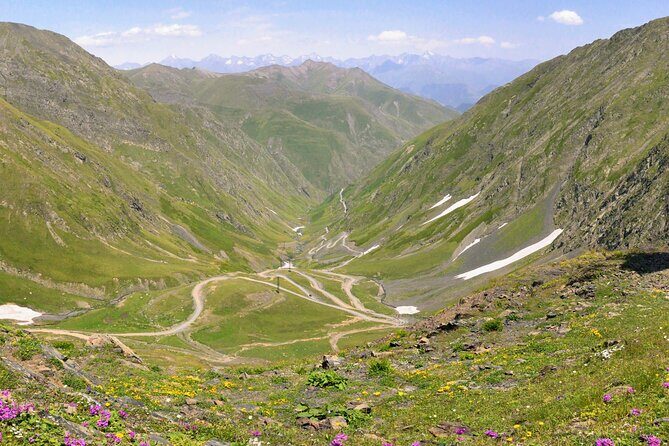
- Abano Pass at high altitude: one of Georgia’s highest motorable passes, open only late spring through early fall
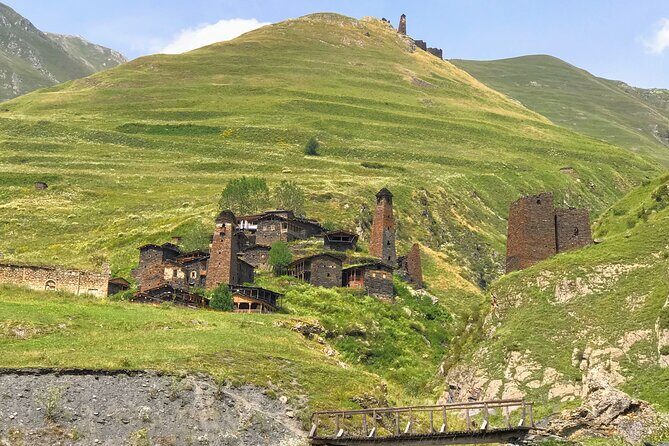
- Stone-tower villages: Dartlo, Diklo, and Shenako each show a different side of traditional Tushetian architecture
- Guesthouse meals and local hosting: simple, warm food that fits the region better than restaurant stops
- Guides who manage mountain anxiety: experienced leadership paired with careful driving on steep roads
- Small group size: max 6 travelers, so the day feels flexible instead of rushed
Tusheti Starts Long Before the Mountains
The trip begins in Tbilisi and wastes very little time getting you out of city mode. From the start, you’re on a road that changes character fast—semi-dry lowlands to lush greenery, then climbing toward the alpine world. That matters because Tusheti isn’t just a destination. It’s a gradual switch in temperature, air, and pace.
On this route, the vehicle choice is part of the experience. A Mitsubishi Delica is not a luxury bus, but it’s built for the kind of twisting roads that come with steep cliffside stretches and uneven surfaces. And because Tusheti is remote, you should expect limited phone coverage and plan for a backup way to communicate in an emergency.
The tour also keeps the group small (up to 6). That changes how your stops feel. You’re not fighting crowds for viewpoints, and it’s easier for the guide to pause for photos, adjust timing, and keep people comfortable on long driving legs.
Other Tusheti tours we've reviewed in Tbilisi
Road, Weather, and Altitude: What You Need to Know First
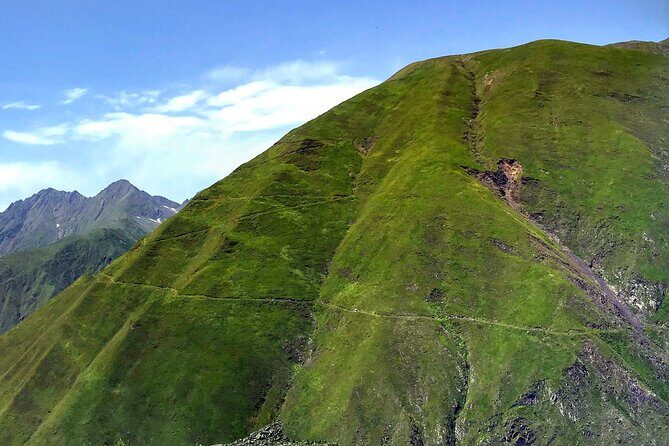
Tusheti is high, and the numbers are real: altitudes roughly 1800–2900 m (5905–9514 ft). If you’re someone who gets altitude sickness, talk to a doctor and consider prevention. Also note that you might feel it even if you’re in good shape—this is elevation plus mountain roads.
Next comes the road stamina factor. The tour description calls for moderate physical fitness, and that’s fair. You’ll be walking around viewpoints and village areas, sometimes on uneven ground, with a driving schedule that can run long. If you’re prone to motion sickness, you’ll want to think ahead. The route notes specifically recommend considering medication beforehand.
Weather is another big one. The area can shift quickly: warm sun, then sudden drops in temperature, heavy rain, and even snow. Bring warm layers and waterproof gear. Shoes with grip help more than you’d think on rocky village paths.
Finally, plan for “rustic living” basics. The tour warns about limited electricity and running water in Tusheti. That doesn’t mean it’s miserable—it means you should pack like you’re going to a mountain guesthouse, not a hotel. Credit cards aren’t accepted in Tusheti either, so don’t count on last-minute ATM rescue.
Day 1: Gombori Pass, Alaverdi, and the Scenic Climb Toward Tusheti
Day 1 is a mix of beauty and culture before the true mountain drive takes over. First up is Gombori Pass, a winding crossing connecting Tbilisi and Telavi and famous for views over the Alazani Valley. What I like about this stop is the way the scenery changes as you climb—moving from semi-desert character into greener forested sections. There are viewpoint pull-offs along the way, plus a top platform for wide mountain and valley panoramas.
Gombori also has history baked in. It once served as a strategic point along the Great Silk Road, and there’s a 17th-century Gombori Fortress you can visit. That’s a good pairing with the drive: you get both the scenery and the sense that trade routes shaped this landscape long ago.
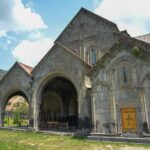
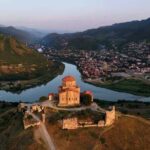
After that climb, you switch to spiritual and artistic Georgia at Alaverdi St. George Cathedral in the Alaverdi Monastery complex. This area in eastern Kakheti has deep roots, with the monastery founded in the 6th century. The standout is the 11th-century cathedral—one of Georgia’s tall religious structures. Inside, you’re looking at frescoes and carvings, plus religious artifacts such as manuscripts and icons. The monastery setting in the Alazani Valley also gives you another layer of views, this time more valley-wide and calm.
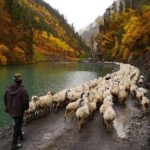
Then you move into the “this is why you booked” part: the road to Tusheti National Park and toward the Abano Pass area. The route itself is long—about 93 km from Alvani in Kakheti—and it’s described as one of the most scenic and challenging drives in the Caucasus region. The reward is a changing panorama: alpine pastures, mountain villages perched high, and traditional stone towers and old churches scattered across the slopes.
Omalo Guesthouse Night: The Real Tusheti Feeling
By the time you reach Omalo, the day’s driving energy starts turning into something softer. Omalo is one of the most popular bases in Tusheti, and it’s an ideal place to slow down after long roads.
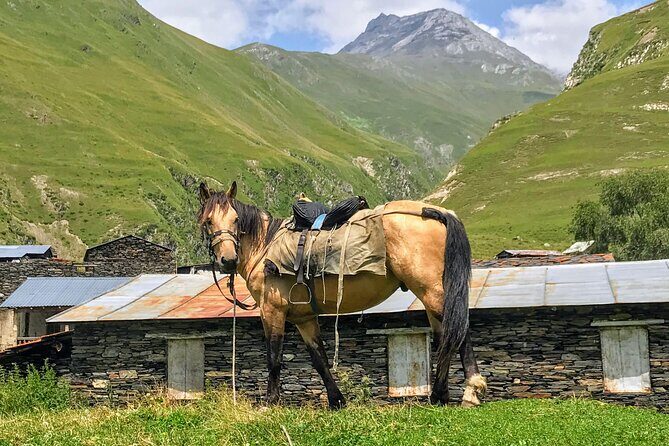
Your accommodation is in a traditional guesthouse in Omalo with simple but comfortable rooms and private bathrooms. The host experience is part of the point: meals are home-cooked with local produce, and the guesthouse can sometimes arrange outdoor activities like hiking or horse riding (note that horse riding is listed as optional, not included).
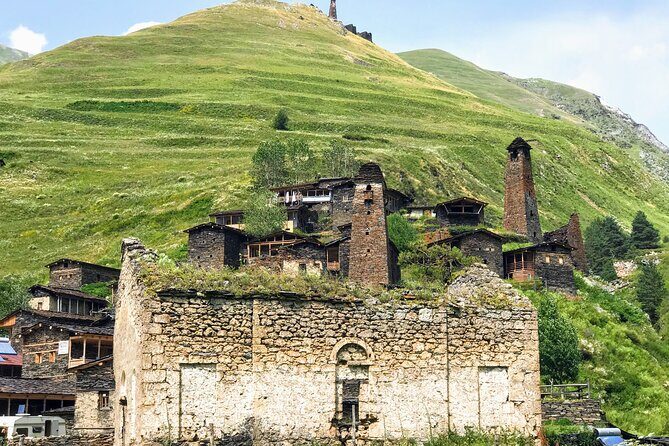
What makes Omalo special is the village texture. Think ancient stone houses, winding cobbled streets, and mountain walls rising around you. Even when the day is packed, Omalo gives you time to breathe. And if you’ve been curious about how people actually live up here, this is where the trip stops feeling like sightseeing and starts feeling like contact with a real place.
Day 2: Dartlo, Diklo, and Shenako’s Tower Landscape
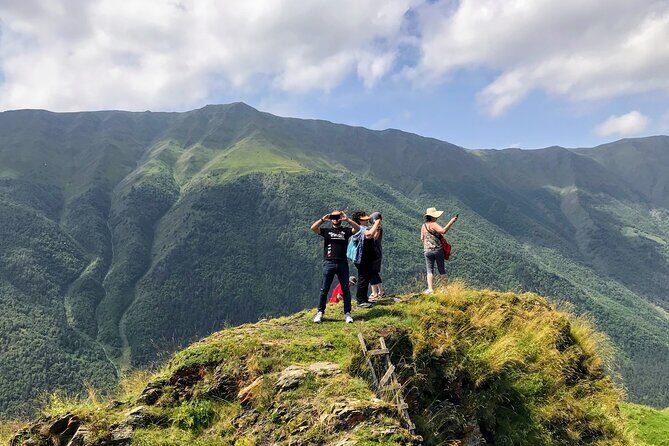
Day 2 is about Tusheti’s built heritage—stone houses, tower defenses, and religious complexes that show older layers of the region.
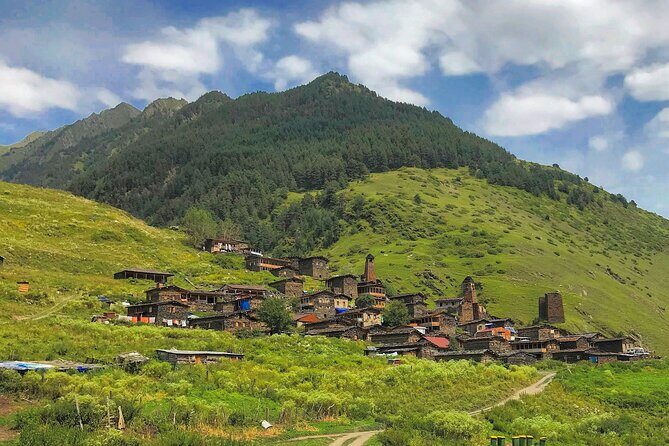
Dartlo is the first stop. It’s known for traditional stone houses and narrow streets, plus mountain views that make you pause often. The area also has both pagan and Christian religious sites. You’ll find the 19th-century Dartlo Church and a late medieval family tower linked to the Nachauridzes. There’s also the Iakhsari Icon Complex, a shrine dedicated to a pagan deity with multiple structures such as a hall, sacristy, flag tower, and women’s page. That mix is a reminder that Tusheti history isn’t one straight line—it’s layers.
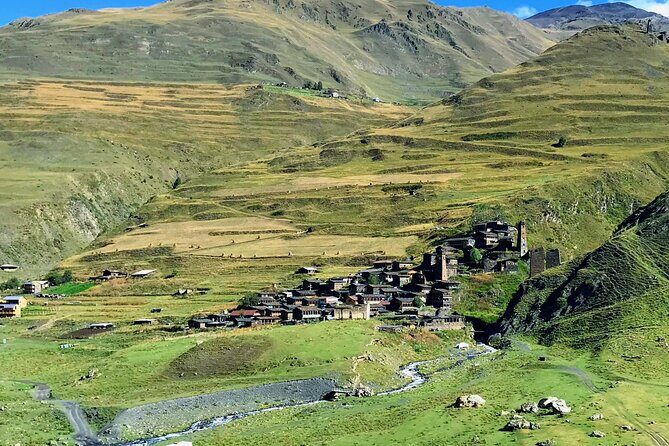
Next comes Diklo, where you can explore the ruins of a fortress above the village. Diklo is also associated with summer shepherd shelters and a simple guesthouse. The big seasonal reality here is depopulation in winter due to harsh climate and difficult access. That’s why the village feels peaceful and “free” in the warmer months—fewer people, less noise, and more focus on the mountains.
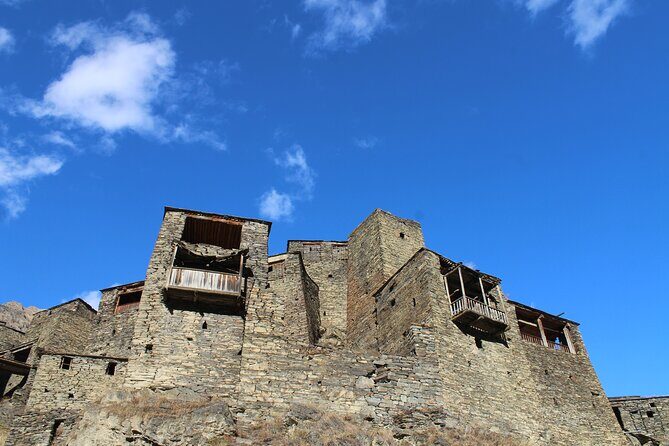
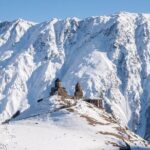
Then you reach Shenako, which is one of the most visually striking stops for traditional architecture. The village is famous for its Tushetian house towers built from black flat stones and wood. These towers had practical functions: ground floors for livestock, upper floors for living and defense against intruders. Nearby, St George’s Church (19th century) adds a different flavor, with whitewashed walls and a domed style built of slate and limestone. The church’s slate shelf around it—plus the gate and minarets you can see in the area—adds that clean, geometric feel typical of older mountain building.
If you like photography, Shenako is the place you’ll keep “just one more minute-ing” yourself into. It’s also a strong history stop without needing museum time.
A few more Tbilisi tours and experiences worth a look

Day 3: Omalo’s Keselo Fortress and the Return to Tbilisi
Day 3 stays in Omalo for one more cultural punch before the drive down.
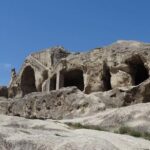
You’ll visit the Keselo Fortress, tied to the Mongol invasion era around 1230 and used as defense against raids by North Caucasian tribes. The fortress has been partially restored, so you can get a clearer sense of structure while still feeling the rugged, mountain-fort feel.
After that, you’ll explore the 17th to 19th-century houses that represent Omalo’s distinctive architecture. With only about 37 inhabitants, the village scale is small. That’s a positive for most people: it’s easier to walk at a human pace and notice details without the constant churn of bigger tourist centers.
Then it’s the late-afternoon return to Tbilisi. The drive down can feel long after high-altitude days, but it’s also when you can mentally replay the trip: the pass heights, the tower villages, the quiet guesthouse evenings, and the sense that you were moving through a region that still works on old rhythms.
Food, Comfort, and Whether $335 Makes Sense
At $335 per person for about 3 days, the value is mostly in the combo: hard-to-reach route + guided navigation + guesthouse hosting + included meals. You’re not paying for a single attraction. You’re paying for getting safely and efficiently to multiple remote places where independent travel can be stressful.
Two breakfasts and two dinners are included. That sounds basic until you remember where you are. In remote Tusheti, you don’t want to gamble on finding good food at random times. Village meals are part of the charm, and the guesthouse setup is designed for it.
Comfort is “mountain realistic.” Guesthouses are described as simple but comfortable, and that’s exactly the right expectation. You’ll have private bathrooms, but don’t assume modern hotel comforts or reliable hot water at every moment. If you prefer polished amenities over authenticity, this might feel like a trade-off.
Private room upgrade is mentioned as extra (an additional $50 for 2 nights). If you’re traveling with a friend, sharing likely saves money. If you’re on a solo trip and want maximum rest, that upgrade can be worth it—but it’s optional.
Also note the small-group math: a max group of 6 means your guide can manage timing, weather shifts, and photo stops without running a big-bus schedule.
Guides and Driving: The Real Secret Ingredient
The most praised part of the experience in real-world feedback isn’t the scenery alone. It’s the team behind it—especially the pairing of calm guidance with confident driving.
Many people highlight drivers such as Gocha, Vepho, Goce, or Vepkho (names vary across reports) for handling steep, tricky roads while keeping passengers comfortable. Guides like Koba and Jonah also come up often—people point to their ability to manage nerves during high-altitude drives, keep the group on track, and add useful context about what you’re seeing.
Why this matters for you: Tusheti roads can feel intimidating if you’re not used to mountain driving. When the driver reads the road well and takes it step-by-step, the trip feels safer and less exhausting. And when the guide understands local culture and history, stops feel more meaningful than quick photo breaks.
One more practical detail: the itinerary notes that schedule changes can happen due to weather or delays. A strong team matters most on those days, because you want someone to adjust plans without panic.
The Best Fit: Who This Tour Suits
This tour suits you if you want unspoiled wilderness plus real village architecture, and you’re okay with roads and rustic conditions. It’s a strong match for people who like history but also care about how people actually live now—especially in the tower villages and in Omalo’s guesthouse rhythm.
You’ll also enjoy it if you’re happy with small-group dynamics. With up to 6 travelers, the guide can respond to interests and timing. That flexibility is useful when the weather shifts or when you want a few extra minutes at a viewpoint.
If you don’t like uncertainty at all—heavy rain, sudden temperature drops, or shortened/adjusted timing—this might feel stressful. And if you’re expecting a hotel-style experience with constant amenities, set expectations early.
Should You Book This Tusheti Tour?
Book it if you want a focused 3-day route that gets you into Tusheti’s highest viewpoints and stone-tower villages without needing to self-organize the tricky parts. The included meals, the small group size, and the mountain-road expertise make it a strong value for what you’re doing.
Hold off or be extra cautious if you’re extremely sensitive to altitude, motion sickness, or rough roads. Also be aware that the guesthouse level is described as simple, and Tusheti has limited electricity, water, and phone coverage.
If you’re on the fence, here’s my quick call:
- You’ll love it if you treat comfort as secondary and scenery + culture as the main event.
- Skip it if you need predictable schedules, modern amenities on demand, and easy accessibility.
FAQ
What’s the duration of the Tusheti tour?
The tour runs for about 3 days.
What’s included in the price?
Breakfast is included twice and dinner is included twice. The tour also covers admission ticket stops listed on the itinerary, and it offers pickup.
Is horse riding included?
Horse riding is optional and not included in the standard package.
What group size should I expect?
This tour has a maximum of 6 travelers.
When is the Tusheti tour available?
The tour is available only during a limited season, typically from June to September, since the high passes are affected by snow outside that window.
What should I know about conditions like altitude and amenities?
The tour notes moderate physical fitness is needed, with high altitude in the 1800–2900 m range. Tusheti also has limited electricity and running water, and credit cards aren’t accepted there.