REVIEW · TBILISI
7-day hiking expedition to Tusheti through the Atsunta pass
Book on Viator →Operated by ExpedBuro · Bookable on Viator
The first step out of civilization is always the best one. This Tusheti through Atsunta Pass trek is a rare mix of real hiking, high passes, and villages that feel like they still run on older rhythms. I especially like the small groups (max 10) and the way the logistics are handled—reliable 4x4s, proper camping gear, and horses for carrying so you can focus on your boots. The one drawback is that this is not a walk for lazy afternoons: you’ll face rough trails and at least one genuinely hard day at altitude.
You also get that “off-grid” feeling. The route includes two days with no mobile communications and stretches where there are no villages—part of the point of going to Tusheti this way. I love how the tour builds in time to look around too, not just power uphill, like the medieval stone city of Shatili and village visits around Omalo.
If you’re lucky, your guide may include the extra-care service style praised by past hikers—one guide named Stanislav was specifically mentioned for keeping everyone on track and feeling looked after. Still, you’ll need moderate fitness and you should expect cold nights when the weather turns.
In This Review
- Key things to know before you go
- Why the Atsunta Pass route feels so real
- Day 1: Shatili arrival with Bear Cross Pass picnic
- Day 2: Jeep to Ardoti road-end, Mutso ruins, and passport formalities
- Day 3: The Atsunta Pass (3431m) hard day you’ll remember
- Day 4: Pirikiti Alazani river descent to Girevi and Chontio
- Day 5: Dartlo to Kvavlo—an easier morning, stone-house night
- Day 6: Omalo base with horseback to Shenako and Diklo
- Day 7: Leaving Tusheti via Abano Pass and Kakheti winery lunch
- Gear, food, and the support that makes the hike feel possible
- Price and value: what you’re actually paying for at $1,190
- Fitness level: the honest way to judge this trek
- Should you book this Tusheti trek?
- FAQ
- How many people are in the group?
- What camping gear is included?
- Are meals included in the price?
- Will I have mobile phone service during the trek?
- Do I need my passport during the trip?
- Do you provide horses?
- What if I need to cancel—do I get a refund?
Key things to know before you go
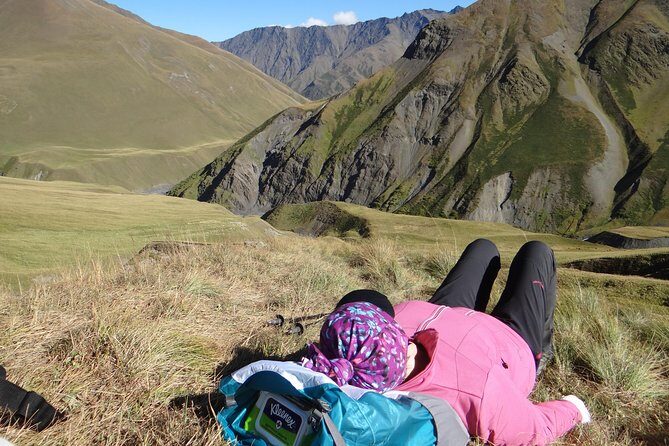
- Atsunta Pass (3431m) on Day 3: the toughest push, and the real altitude headline.
- Two days with no mobile signal and no villages: plan to be fully “in the moment.”
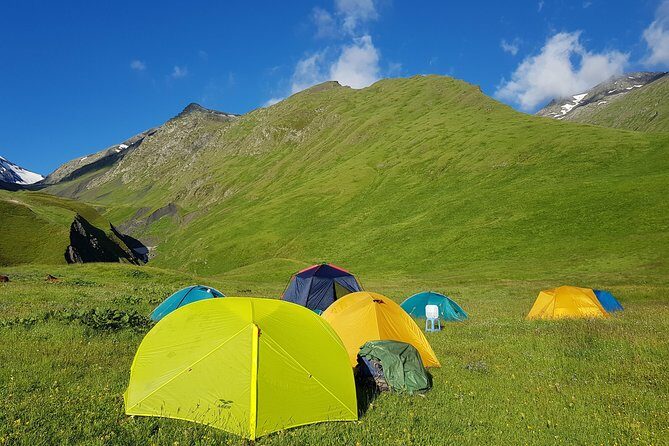
- Camping included twice: tent, sleeping pad, and sleeping bag are provided.
- Horses carry your heavy stuff: your personal pack stays lighter for the steep moments.
- Stone villages and real detours: Shatili, Ardoti area, Shenako, Diklo, Dartlo, Kvavlo.
- Finish with Kakheti food: a winery-area lunch and the long drive out via Abano Pass.
Why the Atsunta Pass route feels so real
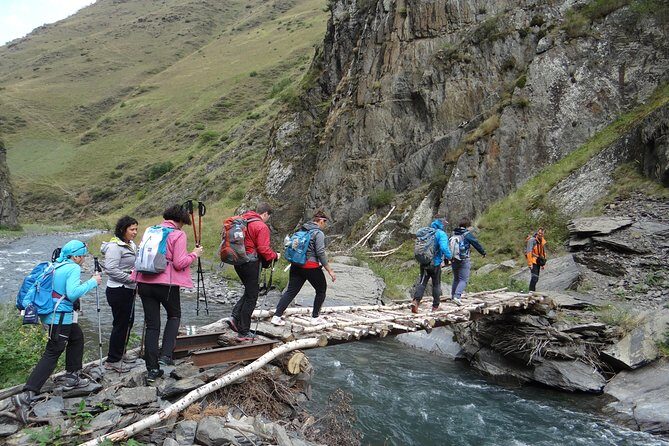
This trek doesn’t pretend you’re going for a quick mountain photo walk. You’re going deep into the Georgian Caucasus, where the days are organized around trail time, not bus stops and gift shops.
Two things make it work for me. First, it’s structured but not over-controlled—you hike real distances and earn your viewpoints. Second, the support is practical: reliable vehicles, food that covers full days, and equipment that lets you travel light.
The “remote” part matters because it changes your energy. When your phone is useless for a stretch and you’re not constantly passing through settlements, you walk slower without realizing it—you notice details like river sounds, wind shifts, and how the stone villages sit against the slopes.
Other Tusheti tours we've reviewed in Tbilisi
Day 1: Shatili arrival with Bear Cross Pass picnic
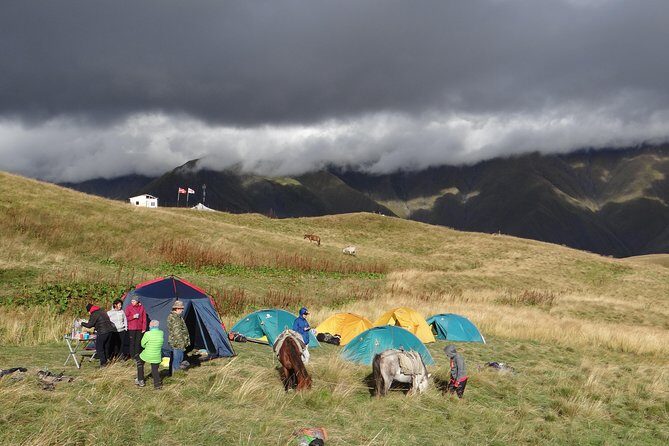
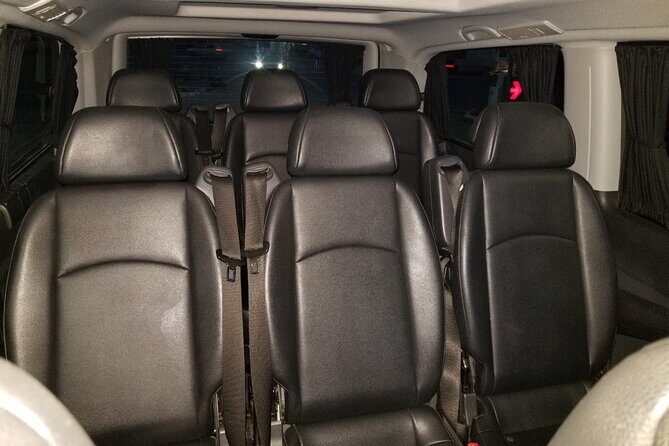
You start with a minivan pickup at 9:00 AM from the office in Tbilisi. The drive is about 5 hours (around 150 km), and you’ll stop in scenic spots along the way—including Bear Cross Pass (2676m) for a picnic.
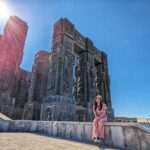
When you reach Shatili, you stay at a guest house and get time to wander. This is the day to take your time: the medieval stone towers and tight lanes are made for careful looking and photos where the angles don’t feel staged. In the evening, you’ll have a traditional dinner prepared by the guest house owners.
What I like about Day 1 is the pacing. You’re not thrown into a long hike the moment you arrive. You travel, acclimate a bit, and then you get a culturally rich evening—without needing to plan anything.
Day 2: Jeep to Ardoti road-end, Mutso ruins, and passport formalities
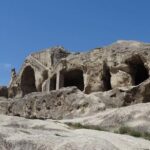
After breakfast, the route switches to jeeps for the push to the road’s end near Ardoti. On the way, there’s a stop at Anatori and at an abandoned medieval city called Mutso.
Here’s a real-life detail to take seriously: you’ll present your passport to border guards of Georgia. Expect around 20 minutes for formalities. That’s not the moment to be flustered—keep your passport easy to reach.
Then comes the walking. After a picnic, you start trekking for about 4 hours, ending at camp. You’ll set up tents and wait for dinner.
This is one of the key “transition” days. It’s where the trip shifts from day-to-day travel mode into expedition mode—less movement in big vehicles, more time on your feet, and the start of the off-grid feeling.
Day 3: The Atsunta Pass (3431m) hard day you’ll remember
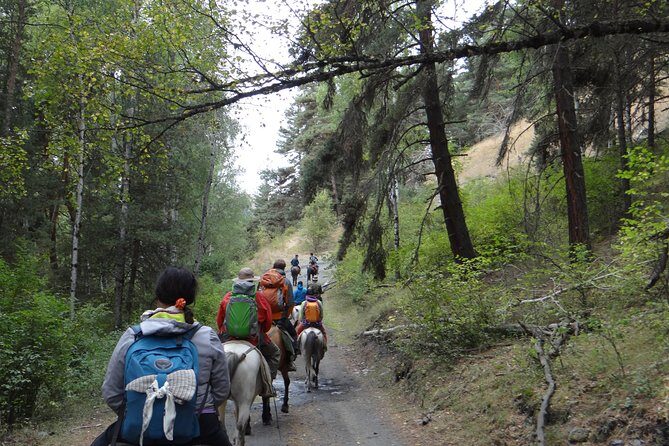
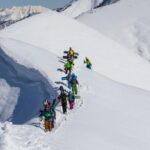
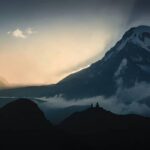
Day 3 is described as difficult, and the reason is simple: you go over Atsunta Pass at 3431m. The pass divides Khevsureti and Tusheti, so you’re not just climbing—you’re crossing into a different feel of place.
This is the day to manage your effort. If you go out too fast, the air will punish you. If you keep a steady pace and breathe through the effort, it becomes one long, focused climb rather than a series of panicked surges.
I also like that this day is framed as the standout physical challenge rather than hidden inside “normal hiking.” You know what you’re signing up for, and that makes it easier to plan mentally.
Day 4: Pirikiti Alazani river descent to Girevi and Chontio
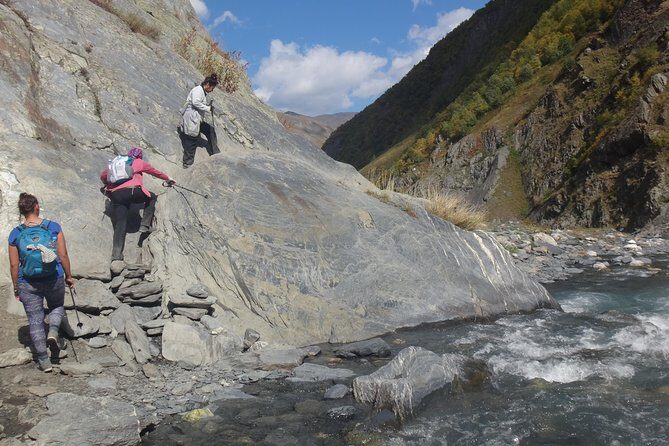
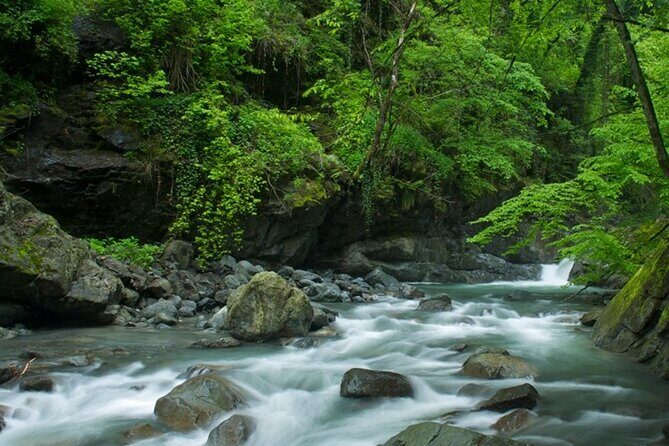
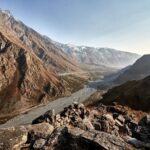
The trail goes down along the Pirikiti Alazani river. The route is labeled “simple” but it’s long—about 20 km, so don’t underestimate the time on your legs.
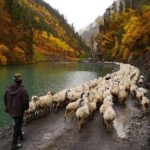
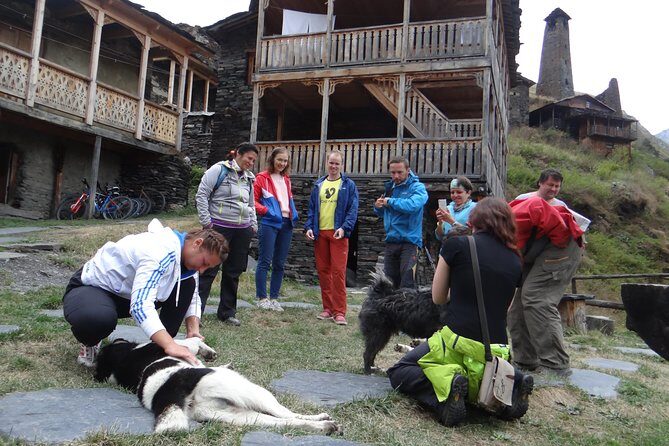
Along the way, you pass shepherd’s houses, which adds a lived-in feel even when the route stays remote. There’s also an abandoned stone city called Chontio, giving you a bonus cultural detour between walking segments.
You end in Girevi village, where people live and where there are guest houses for the night. This is the day that balances effort with variety: river walking, small human traces, and then the comfort of a real village sleep.
Other hiking and trekking tours we've reviewed in Tbilisi
Day 5: Dartlo to Kvavlo—an easier morning, stone-house night
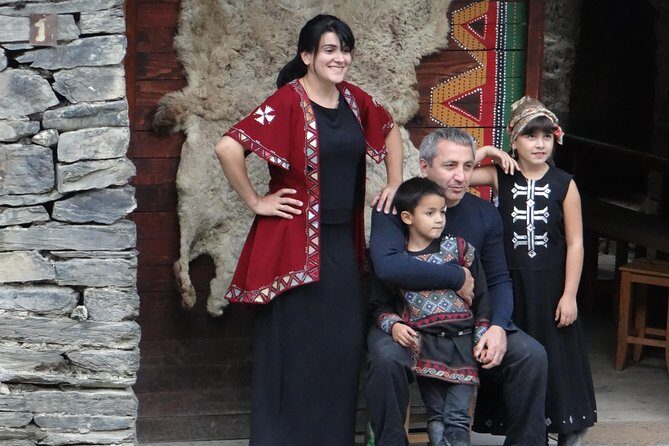
Day 5 starts as an easy day: about 4 hours along a jeep road. By lunchtime you’ll be in Dartlo, a place noted as unique and said to be included in the World Heritage List.
After lunch, you hike uphill toward Kvavlo village. This part gives you that classic mountain rhythm: lunch in the village, then movement up to a higher settlement. For the night, you’ll sleep in a stone house built according to local traditions.
I like this design because it breaks up the trip’s physical rhythm. You get a quieter start, then a climb that feels more manageable than the high pass day earlier.
Day 6: Omalo base with horseback to Shenako and Diklo
You drive to Omalo, the largest village in Tusheti. The approach helps you reset after a night in a stone house, and it sets you up for the most cultural “Tusheti villages” day of the trip.
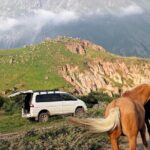
Your day includes horse riding, with horses used to support the schedule (and, in general, the trip also uses horses for carrying your heavier items). You’ll visit Shenako and Diklo, then return to Omalo for dinner.
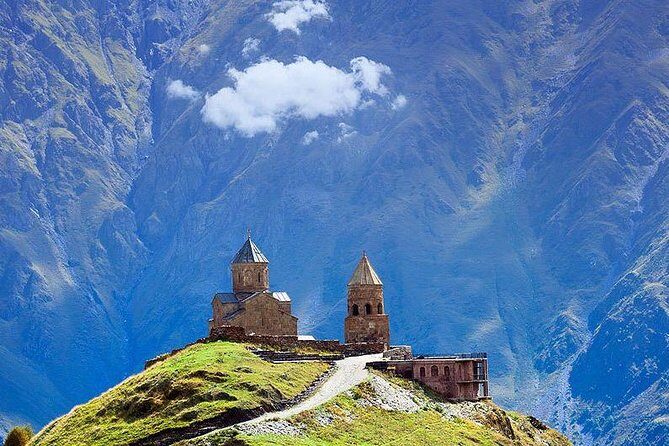
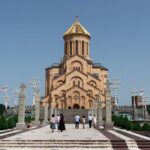
One detail that stands out from past hikers: the Church of the Holy Trinity in Shenako is a memorable stop. Even if you’re not a church-history person, it’s worth paying attention to the setting and how the village architecture frames the view.
Day 7: Leaving Tusheti via Abano Pass and Kakheti winery lunch
On the last day, you move from Tusheti back toward Tbilisi. In the Alvani area, you switch from jeeps to a comfortable bus for the ride to the region’s wineries in Kakheti.
You’ll have a festive lunch there before the longer driving stretch finishes the trip. Expect about 60 km of unpaved road, plus a long journey through the Abano Pass, described as the highest automobile pass in Europe. You arrive back in Tbilisi around 5:00 PM.
This day is a good example of how the tour balances adventure with comfort. You’re tired, your muscles are done with elevation gain, and then you get a “food and road” finish rather than more hiking.
Gear, food, and the support that makes the hike feel possible
The tour includes real expedition basics, which is why the price can make sense.
You get:
- Tent + sleeping pad + sleeping bag
- A waterproof duffel bag
- Food and drinks (breakfast, lunch, dinner, snacks)
It’s also organized with horses for stuff carrying, meaning your heavy items don’t have to ride your back all day on steep trail. That single detail often changes how enjoyable a multi-day hike feels.
Food-wise, you’re covered for full days: the plan includes 6 breakfasts, 7 lunches, and 6 dinners. Alcohol is the only thing clearly called out as not included—beer, wine, and chacha at guest houses are on you.
On the service side, the tour emphasizes good safety and reliable transport. It also runs with up to 10 travelers, which matters on remote routes—less crowding, smoother timing, and fewer people to manage.
Price and value: what you’re actually paying for at $1,190
$1,190 per person is not cheap, but remote trekking in Georgia’s northern regions has a way of making costs visible fast. Here’s what you’re paying for in a practical sense.
You’re getting:
- All transfers in 4×4 jeeps for the whole remote spine of the trip
- Camping setup (tent, pad, sleeping bag) plus a waterproof bag
- Full meal coverage and snacks across the week
- Horse help for carrying (and a horseback experience day in Tusheti)
- A guided, small-group format with a max of 10 people
If you tried to DIY this route, you’d quickly spend money and time just on transport, permits/coordination, and sourcing gear. The included equipment is a big deal if you’re traveling light or you don’t want to gamble on renting the right sleeping setup.
So for me, the value comes down to effort saved. This price buys you fewer moving parts and more time hiking.
Fitness level: the honest way to judge this trek
The tour asks for moderate physical fitness. That doesn’t mean “easy.” It means you can hike several hours, handle elevation, and keep your pace steady.
Your biggest effort days are the obvious ones:
- Day 3 over Atsunta Pass (3431m), labeled difficult
- Day 4, which may feel “simple” on paper but is about 20 km on foot
If you’re the type who gets stressed when the plan gets physical, you might want to consider a lower-altitude itinerary. If you enjoy long walking days and can handle cold nights during tent camping, you’ll likely find this route satisfying rather than punishing.
Should you book this Tusheti trek?
I think you should book if you want a real Georgian mountain expedition with built-in support. This is a good fit for people who enjoy hiking more than sightseeing, and who like the feeling of arriving in villages that don’t feel like theme parks.
You should pause before booking if you need dependable mobile access the whole time, dislike camping nights, or want a mostly easy route. The remote days and the high pass are part of the deal.
One last nudge: read your own hiking ability honestly. Then pack for the cold nights, take your passport seriously, and let the long days in Tusheti do their job.
FAQ
How many people are in the group?
The tour has a maximum of 10 travelers.
What camping gear is included?
You get a waterproof duffel bag, a tent, a sleeping pad, and a sleeping bag.
Are meals included in the price?
Yes. The tour includes breakfast, lunch, dinner, and snacks. Beer, wine, and chacha at guest houses are not included.
Will I have mobile phone service during the trek?
For two days, there will be no mobile communications and also no villages in that stretch.
Do I need my passport during the trip?
Yes. You’ll present your passport to border guards of Georgia, with formalities taking about 20 minutes.
Do you provide horses?
Yes. There are horses for stuff carrying. On Day 6, you also go horse riding in the Omalo area.
What if I need to cancel—do I get a refund?
You can cancel up to 6 days in advance for a full refund. If you cancel 2–6 days before, you get a 50% refund. If you cancel less than 2 days before, the amount is not refunded.