REVIEW · TBILISI
Trekking Tour from Tusheti to Khevsureti via Atsunta Pass
Book on Viator →Operated by TrekGeorgia · Bookable on Viator
A trek over Atsunta Pass sounds like a mountain movie. In real life, it is a 6-day walk through Tusheti’s stone villages, then into quieter wilderness where the only company is your group, your guide, and the altitude. I like that you also get medieval Khevsureti towers at the end, so the trip isn’t just about hiking.
What I really like here is the mix: proper trails and gorge walks in Tusheti, plus the big high pass day that tops out around 3,431m. I also like that the sleeping setup is covered, with guesthouses in villages and camping later, not you guessing how to piece it together. One possible drawback: this is built for strong walkers, with about 72 km of walking total and a high-altitude crossing, so you’ll want to train and pack smart.
In This Review
- Key Points You’ll Want to Know Before You Go
- Tusheti to Khevsureti: Why This Route Feels Like Real Georgia
- Price, Group Size, and What You Actually Get for $1,620
- Getting There Smoothly: 4WD Transfers and a 9:00 AM Start
- Day 1 in Omalo: Settling In After a Mountain Pass
- Days 2–3 Through Tusheti: Dartlo, Kvavlo, Girevi, and River Gorge Walking
- Day 2: Dartlo to Kvavlo
- Day 3: Upstream Alazani River to Girevi
- Day 4 and Day 5: Atsunta Pass at 3,400m+ and Alpine Camping
- Day 4: The hardest section before camping
- Day 5: To the pass, then down to the Khidotani ridge meadows
- Day 6: Khevsureti Descent, Mutso Fortress, and Shatili Towers
- Practical Stuff: Gear, Fitness, and Comfort Without Hand-Holding
- Who This Trek Suits Best (And Who Should Rethink It)
- Should You Book This Trek?
- FAQ
- What’s the total walking distance on this trek?
- Where do you meet, and what time does the tour start?
- What is the highest point on the route?
- What kind of accommodation do you get each night?
- Is camping gear included?
- Are meals included?
- What trekking gear do I need to bring?
- Is a passport required?
Key Points You’ll Want to Know Before You Go
- Atsunta Pass at 3,431m: the trip’s main payoff day, with panoramic stops and a big sense of terrain change
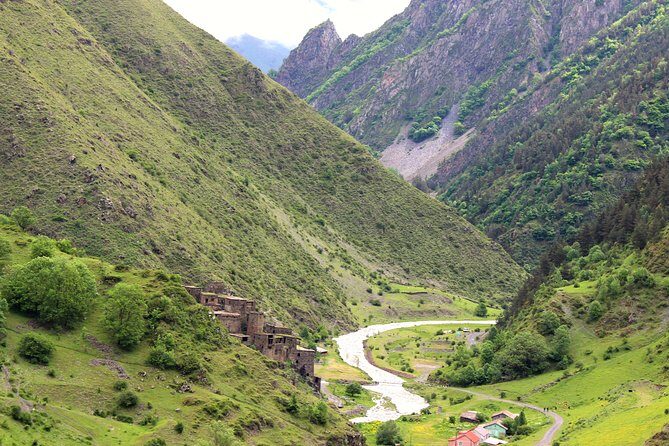
- Stone villages over long distances: Omalo, Dartlo, Kvavlo, Mutso, and Shatili each bring different architecture and views
- No “huts,” just wilderness: camping nights in alpine meadows mean you travel lighter and feel more remote
- Luggage help from horses: a practical detail that makes the walking days more manageable
- Guides with local know-how: people led by TrekGeorgia guides like Tato, Dito, Dimitri, Nutsa, and Misha are often praised for real guidance and smooth organization
Tusheti to Khevsureti: Why This Route Feels Like Real Georgia
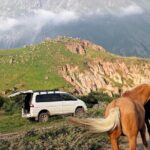
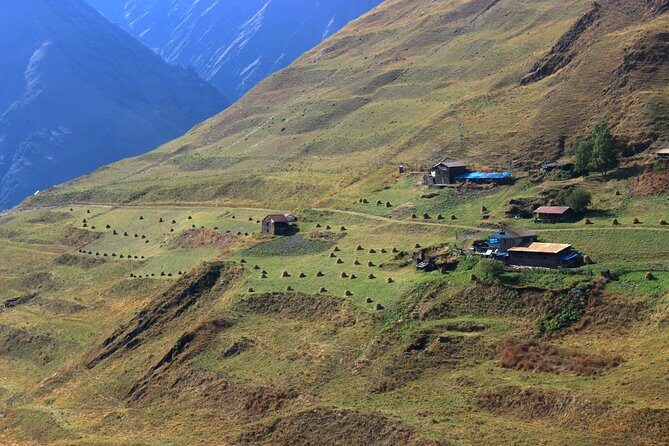
This trek is popular for a reason: it connects two mountain worlds. You start in Tusheti, a region with cliffy settlements and defensive towers, then you move into Khevsureti’s dramatic stone complexes. The switch isn’t subtle. One day you’re walking Tusheti’s village edges and river gorges; the next, you’re camping in open alpine fields above treeline.
I love how the route forces you to slow down. You are not just ticking viewpoints. You’re walking through valleys, following narrow paths above river cuts, and crossing small rivers along the way. That makes the views feel earned, not staged.
The best part is how the trip treats remoteness as a feature, not a problem. For three days you’re in an area with no huts and very few people, so your day-to-day experience is mostly hikers, guides, and weather over high ground.
Other Tusheti tours we've reviewed in Tbilisi
Price, Group Size, and What You Actually Get for $1,620
At $1,620 per person for about 6 days, you should compare this to the real cost of doing a multi-night mountain route with transportation, meals, and a guided plan. This price isn’t just “a guide.” It includes 4WD transfers and vehicles at the end, a night-by-night lodging structure, camping gear, and group meals.
A few value points that matter:
- Group size is capped at 15, which usually means the hiking stays coordinated and you’re not just part of a herd.
- You get 1 overnight with private facilities (Omalo) and shared-facility guesthouses for the other village nights. That keeps costs down while still giving you real beds for most nights.
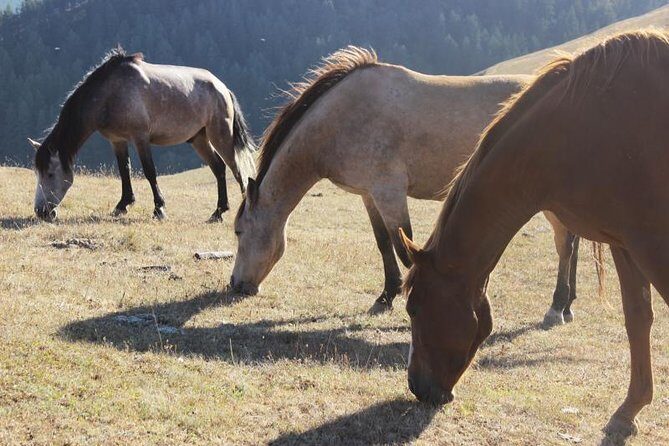
- Camping basics are provided: tents, sleeping bags, sleeping mats, and cooking gear. You still need to bring the right clothing, but you’re not forced to source camp infrastructure.
- Most meals are included: breakfast (5), lunch (6), dinner (6). Drinks are not included, but food coverage is one of the biggest comfort factors on long days.
Possible mismatch to watch for: since trekking poles and a backpack are not included, you’ll want to show up prepared. If you’re missing core gear, the trip can feel more expensive quickly, even if the tour price is reasonable for what’s included.
Getting There Smoothly: 4WD Transfers and a 9:00 AM Start
You meet at 9:00 am at the Giant Bicycle monument in Rose Revolution Square, Tbilisi. From there, you’re not dropped at a trailhead and left to figure out the rest. You get 4WD transfer from Tbilisi to Alavani, then onward to Omalo.
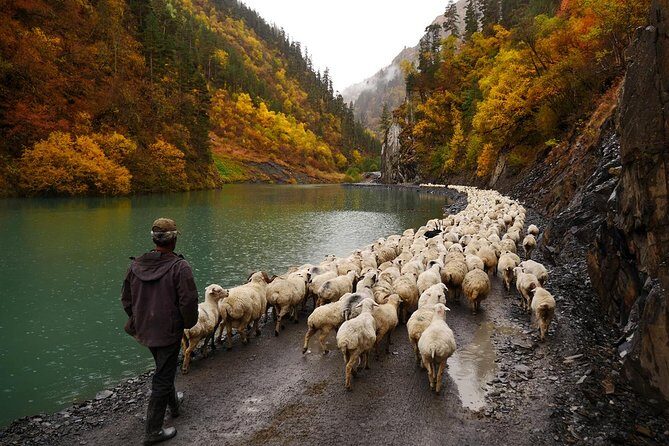
That matters because Tusheti roads are mountainous. The trip is physically in the mountains, but logistically it’s designed to get you into the right starting zone without burning a full day on unstable transport. This is also where the trip’s “remote roads are part of the experience” vibe comes in, because you do spend time driving through the terrain that locals know well.
As for luggage, you are limited to one suitcase and one carry-on. Oversized or extra items can face restrictions, so keep your load tidy. On the trek itself, horses handle luggage transportation, which is a big help for keeping the walking days realistic.
Day 1 in Omalo: Settling In After a Mountain Pass
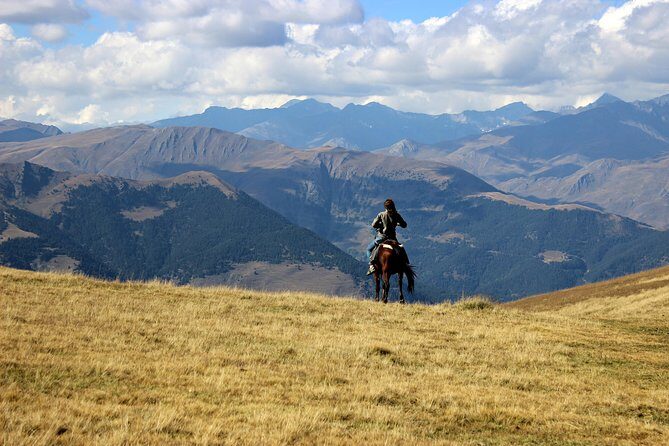
Day 1 is about arrival and orientation. You drive about 6 hours and cross a pass around 2,850m, then reach Omalo. This first day is long in the car, but it’s also your acclimation buffer—no major hike listed here, just exploration.
In Omalo, you explore the area around Omalo and Keselo Towers. This is a good way to start because it sets the visual theme for the whole trek: defensive tower architecture, stone-built villages, and mountain settlements tucked into dramatic terrain.
For me, the smartest travel mindset here is to treat Day 1 as your “get your rhythm” day. Eat well, hydrate, and keep your evening slow so you start Day 2 feeling fresh rather than rushed.
Days 2–3 Through Tusheti: Dartlo, Kvavlo, Girevi, and River Gorge Walking
Tusheti is where the route becomes a story you can walk.
Other Khevsureti and Shatili tours we've reviewed in Tbilisi
Day 2: Dartlo to Kvavlo
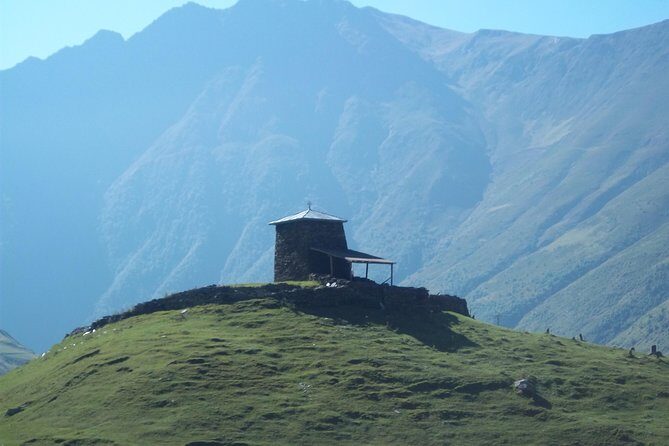
You hike to Dartlo, in Pirikiti Tusheti valley. Dartlo is described as recently renovated, with classic Tusheti stone village features—medieval stone houses and defensive buildings.
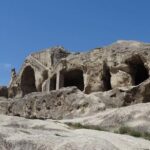
Then you continue toward Kvavlo, which is mostly ruined towers and houses. This is where the views do more than look pretty. Walking a gorge-facing or mountain-edge village route gives you a sense of how people historically built in places that were defensible but not easy.
The hike details you should plan around:
- One-way distance: about 3.2 km
- Ascent: about 400m (from roughly 1,833m to about 2,182m)
- One-way time: around 2 hours
You might do more walking that day than the Dartlo segment alone, since Kvavlo is part of the same day’s program. But these numbers give you a concrete benchmark for pace and effort.
Day 3: Upstream Alazani River to Girevi
Day 3 shifts into a narrow gorge feel. You follow upstream along the Pirikiti Alazani river and its gorge. Along the way you visit Chesho and Parsma, noted for stone towers and beautiful houses, then you take a narrower walking path to reach Girevi.
One thing I like about this design is that you’re not stuck in a single type of terrain. You move from open village-edge walking into tighter gorge paths, then into a new base area at Girevi for the next stage. It keeps the day from turning repetitive, even though the overall region feels similar.
Day 4 and Day 5: Atsunta Pass at 3,400m+ and Alpine Camping
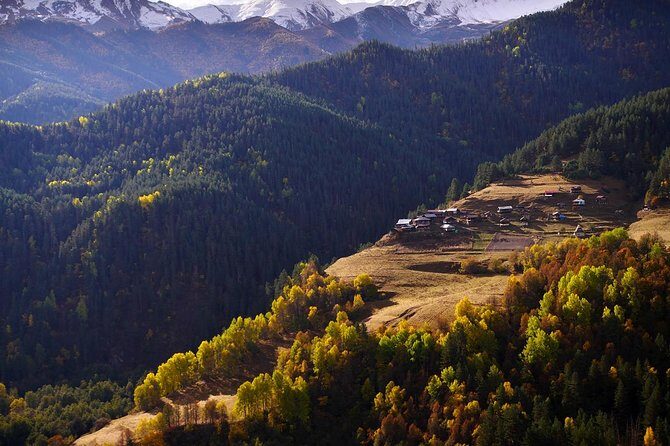
This is the heart of the trek. The route stops pretending it’s just a hike and starts acting like an expedition.
Day 4: The hardest section before camping
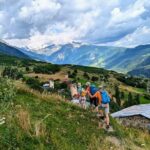
After breakfast, you start what’s described as the most difficult part. You walk above Girevi along a narrow gorge, cross small mountainous rivers, pass the ruined village Chontio, and then stop near Kvakhidi.
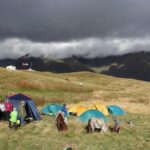
Here you set up tents in open green fields and alpine meadows, then have dinner. This is where you feel the lack of human infrastructure. No huts to rely on, no villages beside you—just your group, guides, and what you packed.
For your planning, this is the day where you’ll most want a comfortable routine: keep layers accessible, protect your gear from damp, and pace yourself early. On hard mountain terrain, going too fast at the start turns into a slow finish.
Day 5: To the pass, then down to the Khidotani ridge meadows
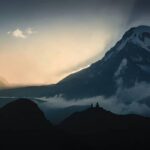
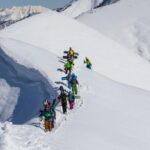
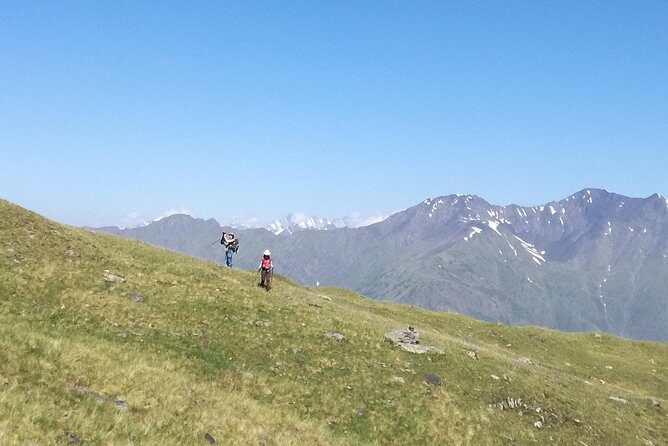
You start early and hike to the highest point of the trip, reaching Atsunta Pass at 3,431 meters. You stop for snacks and take in panoramic views of alpine meadows and mountains.
Then you descend into the Khidotani ridge and camp again in open alpine meadow. The practical point: camping is included, which helps a lot, but you should still treat this as an altitude day. Even if the sun is warm, mornings and nights in high terrain can feel sharp.
This is also the part where a good guide matters most. In the TrekGeorgia ecosystem, guides such as Tato and Dito are praised for organization and for guiding people through these kinds of mountainous transitions, not just pointing at scenery.
Day 6: Khevsureti Descent, Mutso Fortress, and Shatili Towers
Day 6 is a satisfying “big finish” day. You start with a downhill walk through a narrow gorge, reach the first inhabited area of Khevsureti, pass Khone, and then head for Mutso.
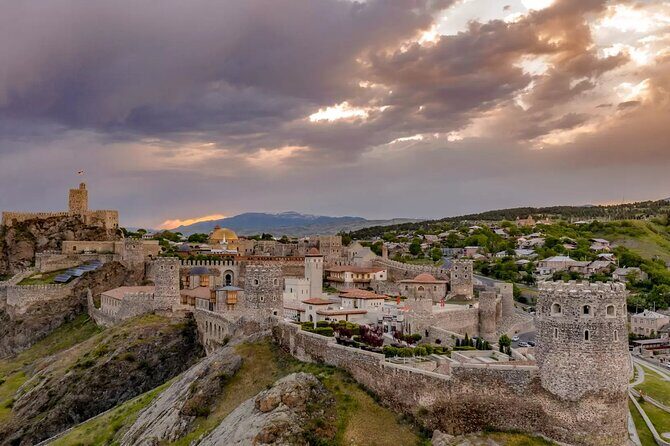
Mutso is described as largely abandoned now, but still stunning for its towers and architectural style. You also get a detour for about 2 km to Mutso fortress, which has been renovated. That detour is worth taking seriously, because it adds the kind of stone-complex payoff that makes Khevsureti feel different from Tusheti.
After the fortress area, your transport driver waits near Mutso. You then drive to Shatili, and later back to Tbilisi. Shatili is the final tower-heavy stop, with its defensive medieval complexes and dramatic gorges around it.
If you want a real sense of Georgia’s mountain culture, this is a strong closer. You end not on a bland trailhead, but in a village scene that looks built for survival.
Practical Stuff: Gear, Fitness, and Comfort Without Hand-Holding
This trek asks for real physical readiness. The operator lists that you should have a strong fitness level, and the trek includes about 72 km of walking over 6 days. Minimum age is 14.
What’s not included (and you should plan for):
- Trekking gear: your backpack and trekking poles are not included.
- Drinks are not included.
What is included that reduces stress:
- Camping basic equipment (tents, sleeping bags, sleeping mats, cooking gear)
- Horse luggage transport (so you’re not carrying everything)
- Meals: breakfast (5), lunch (6), dinner (6)
Comfort tips that follow the details you do have:
- Keep your carry-on light. Luggage rules are strict: one suitcase plus one carry-on.
- Pack for altitude and wind. The route reaches passes around 3,400m and spends time in alpine meadows. Even when the day is sunny, the night can feel colder than lower valleys.
- Bring layers you can adjust quickly on steep sections. The itinerary includes ascents like the roughly 400m gain to Dartlo, plus the big climb day to the pass.
On guides: if you care about real communication and smooth pace, the history of TrekGeorgia leadership is a strong indicator. In previous trips, guides like Dimitri, and pairs such as Nutsa and Misha have been praised for teaching, local knowledge, and keeping the experience organized and calm.
Who This Trek Suits Best (And Who Should Rethink It)
This is a great fit if:
- you enjoy multi-day hiking with real elevation and gorge walking
- you want a guided route with meals and lodging handled, but you still like the challenge of the outdoors
- you like remote travel where your days feel bigger than just visiting places
It may be a harder fit if:
- you’re not comfortable walking long days on mountain paths
- you don’t have trekking poles or a proper backpack already
- you want a fully cushy hotel schedule throughout (because camping nights are part of the plan)
Group dynamics: with up to 15 people, it tends to work well for solo travelers who want company without sacrificing guide attention. Just know you are hiking as a group, so you’ll match your pace to the crew.
Should You Book This Trek?
If you want the real mountain core of Georgia—Tusheti’s stone villages, a high pass day at over 3,400m, and the tower villages of Khevsureti—this is a strong choice. The value is in the structure: transportation to remote regions, expert leadership, provided camping gear, and meals that keep you focused on the walking.
Book it if you’re ready for effort and you want your photos to come from trail time, not tour buses. Skip it if you’re looking for an easy stroll or you need a gear-light trip with everything provided; you’ll still need your backpack and trekking poles, and the total walking is significant.
FAQ
What’s the total walking distance on this trek?
The trek involves about 72 km of walking over the 6 days.
Where do you meet, and what time does the tour start?
You meet at the Giant Bicycle monument at Rose Revolution Square in Tbilisi, with a 9:00 am start time.
What is the highest point on the route?
The itinerary lists Atsunta Pass at 3,431 meters.
What kind of accommodation do you get each night?
You stay in guesthouses in Omalo, Dartlo, Girevi, and Shatili, and you camp on the trek for the nights near Kvakhidi and at the Khidotani ridge.
Is camping gear included?
Yes. The tour includes basic camping equipment, including tents, sleeping bags, sleeping mats, and cooking gear.
Are meals included?
Yes. The tour includes breakfast (5), lunch (6), and dinner (6). Drinks are not included.
What trekking gear do I need to bring?
Trekking gear such as your backpack and trekking poles is not included, so you’ll need to bring it yourself.
Is a passport required?
Yes. The tour requires your passport details (name, number, expiry, country) at booking, and you need a current valid passport on the day of travel.