REVIEW · TBILISI
Mtskheta – Gori – Uplistsikhe caves • Private tour
Book on Viator →Operated by 11 Regions • Georgia · Bookable on Viator
Stone monasteries and cave cities in one day.
This private, hotel-pickup tour strings together Tbilisi’s Chronicles of Georgia stone monument and the UNESCO Jvari Monastery with a direct shot to Mtskheta and then Georgia’s best-known cave city, Uplistsikhe. I like that the first three stops are free to enter, so you spend your money on the parts you really care about.
The one drawback to plan for is the Gori Stalin Museum ticket, which is not included. If you’re not in the mood for Soviet-era history, you can lose less time by focusing on the churches and caves and treating Gori as optional.
In This Review
- Key highlights you’ll actually use
- Getting the Most From One Long Day Trip
- Chronicles of Georgia: A Stone Timeline Above Tbilisi
- Jvari Monastery: UNESCO Views Over Two Rivers
- Mtskheta on Foot: Svetitskhoveli and Tiny-Square Street Life
- Gori’s Stalin Museum: What You See and What It Costs
- Uplistsikhe Cave Town: 150 Preserved Caves With Big Stories
- Lunch and Timing: How to Keep the Day Comfortable
- Price and Value: Is $90 Worth It?
- Who This Tour Suits Best
- Should You Book This Mtskheta–Gori–Uplistsikhe Private Tour?
- FAQ
- How long is the Mtskheta – Gori – Uplistsikhe caves private tour?
- What time does the tour start?
- Is hotel pickup included?
- Is this tour private or shared?
- What’s included in the price?
- What is not included?
- Do I need tickets in advance?
- FAQ (continuing)
- What is the cancellation policy?
Key highlights you’ll actually use
- Chronicles of Georgia gives you a quick, stone-and-stairs timeline of early Georgian history.
- Jvari Monastery is a UNESCO stop with a major view over the confluence of two rivers.
- Mtskheta on foot is compact: cobbled streets, small open-air shops, and the 11th-century Svetitskhoveli Cathedral area.
- Gori’s Stalin Museum includes the Joseph Stalin childhood house displayed outside the museum building.
- Uplistsikhe Cave Town covers 150 preserved caves (from an earlier 770+), with places like Queen Tamar’s hall and wine presses.
- Private pacing means you can move at your group’s speed and ask questions without feeling rushed.
Getting the Most From One Long Day Trip
This is an 8-hour private tour built for a straightforward route: leave Tbilisi, hit Mtskheta and its religious landmarks, pause in Gori, then finish in Uplistsikhe. The appeal is simple: you’re not piecing together bus schedules or juggling multiple tickets. Your hotel pickup and drop-off keeps the day smooth.
You’ll also get the advantage of a guided narrative, which matters on this route. The sites are spread out, and without a story line, you can end up just “looking” instead of understanding why each place matters.
English is offered, and it’s set up for groups who want their own schedule. The vehicle is private (only your group), which tends to make bathroom stops and timing feel less stressful than on larger tours.
Other Mtskheta tours we've reviewed in Tbilisi

Chronicles of Georgia: A Stone Timeline Above Tbilisi
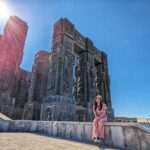
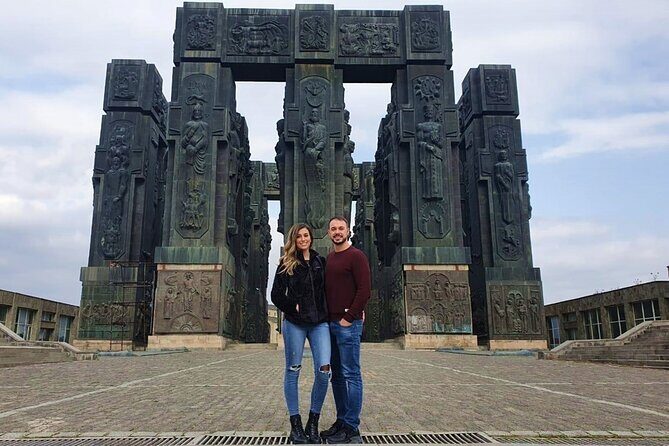
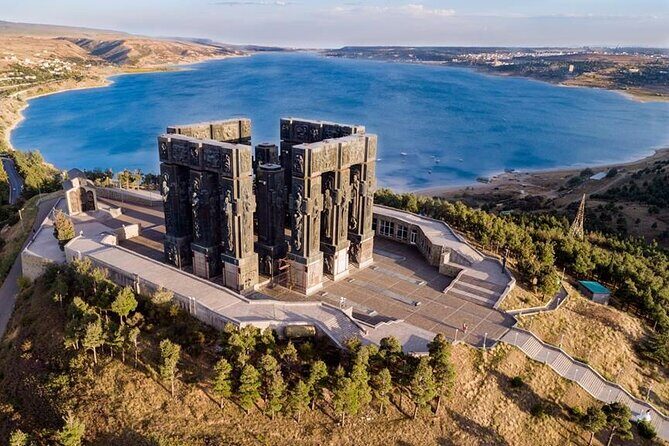
You start at the Chronicles of Georgia, a stone monument placed on top of massive stairs. It’s one of those stops that can be easy to skip because it’s not a church or a ruin. But it’s useful because it sets context fast—an early-history overview in a format you can take in at a glance.
You only get about 30 minutes here, and that’s about right. You’re not trying to learn everything. You’re setting your mental map so when you reach the monasteries and the medieval religious sites, you understand the deeper “why.”
This stop is also free, which makes it low-risk. If your group wants to spend an extra minute taking photos, the time pressure is manageable.
Practical tip: wear shoes you don’t mind on stairways. You’ll be walking steps again later, and good grip matters.
Jvari Monastery: UNESCO Views Over Two Rivers
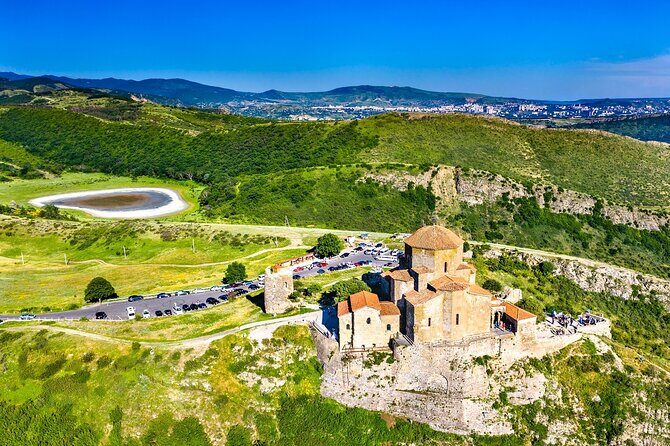
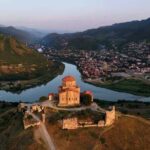
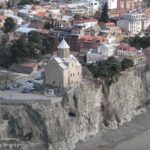
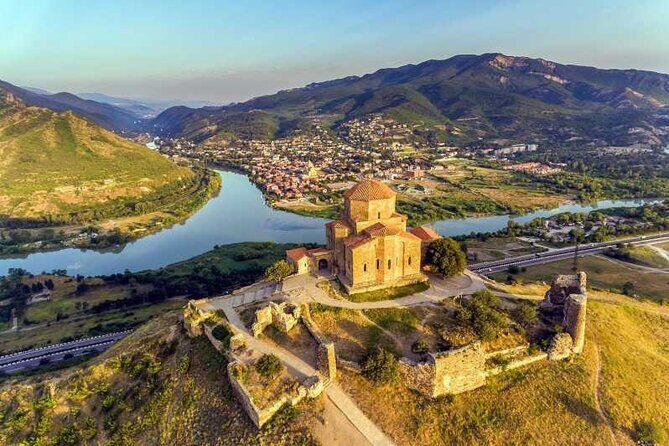
From Tbilisi, you head to Mtskheta, Georgia’s older spiritual center. The highlight here is Jvari Monastery, a 6th-century site and UNESCO World Heritage entry. Expect a religious stop with serious scenery.
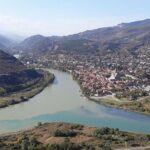
The big reason to come is the view. From Jvari, you can see the confluence of two rivers, and it makes the whole region feel real. This is the kind of overlook where the geography explains the location—why settlements grew where they did, and why religious sites often get built to “command” the surroundings.
You’re allotted about 50 minutes. That’s enough time to get your bearings, take photos, and still leave room for your guide to point out what to look for without rushing you.
This stop is also free to enter, which is great value. You get a UNESCO experience without paying gate fees for the main visit.
Mtskheta on Foot: Svetitskhoveli and Tiny-Square Street Life
After Jvari, the tour moves into the town of Mtskheta itself. The aim is a quick, walkable introduction. The town is small enough that about 45 minutes can feel satisfying rather than like a check-box sprint.
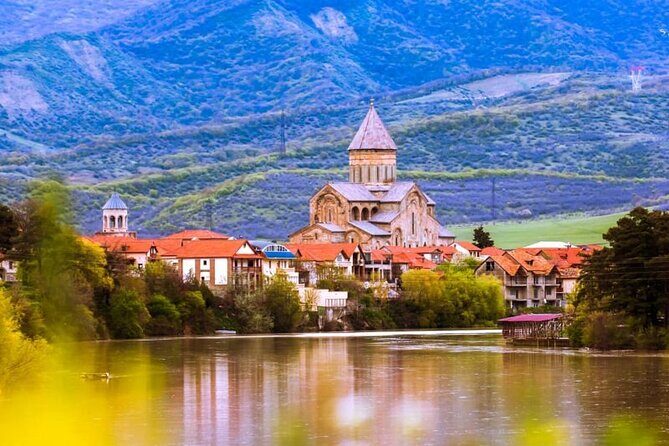
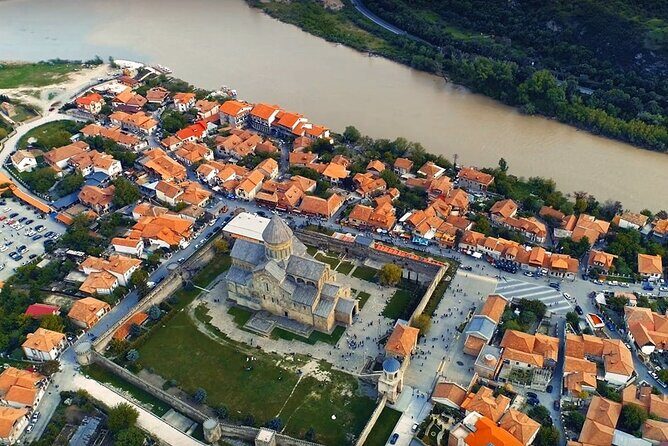
This is where you’ll hear about Mtskheta as the birthplace and a major center for Christianity in Georgia. The star is the area around Svetitskhoveli Cathedral, a key religious building dating to the 11th century. Even if you’re not a hardcore architecture person, it’s hard not to feel the weight of the place once you’re there.
What I like here is the mix. You’re not stuck only in sacred spaces. You also get to wander cobbled streets and see small open-air shops selling practical souvenirs: wine, ceramics, sweets, and assorted trinkets.
Important detail for your expectations: this is not an all-day town stay. If you want slow browsing, you’ll need either extra time or a return trip. But for a one-day route, it’s a good balance.
Gori’s Stalin Museum: What You See and What It Costs
Next comes Gori and Josef Stalin’s Museum, focused on Joseph Stalin’s life. The museum is described as impressively designed, and the site includes the wood-and-mud-brick house where Stalin lived during the first four years of his life. That house is shown under cover outside the museum building.
The time here is about 1 hour, and that can go one of two ways depending on your interest:
- If you know the basics, it gives you a grounding for the place and how Soviet history was presented.
- If you’re not drawn to the topic, it can feel like the heaviest stop of the day.
Here’s the practical piece: the museum ticket is not included, so your final out-of-pocket cost will be higher than $90 once you add it. The upside is that this choice is very easy to personalize. If your group is more interested in religious landmarks and caves, you can spend the time you would’ve used here in the other locations instead.
Tip for photo planning: build in a short buffer before you arrive at Uplistsikhe so you don’t feel rushed when the cave city time comes.
Other Uplistsikhe cave tours we've reviewed in Tbilisi



Uplistsikhe Cave Town: 150 Preserved Caves With Big Stories
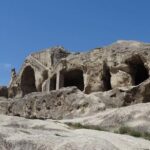
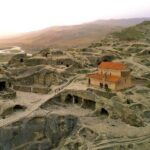
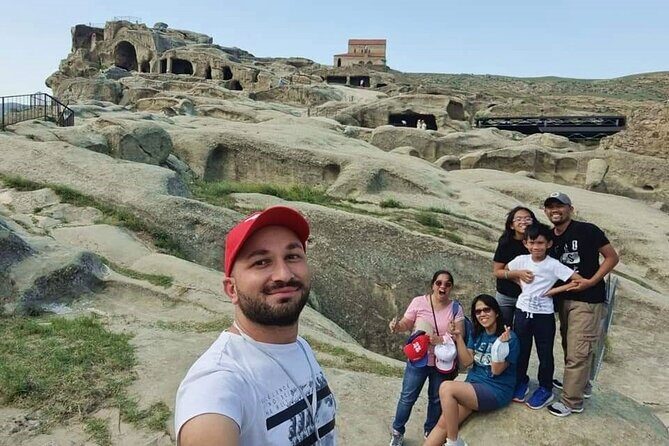
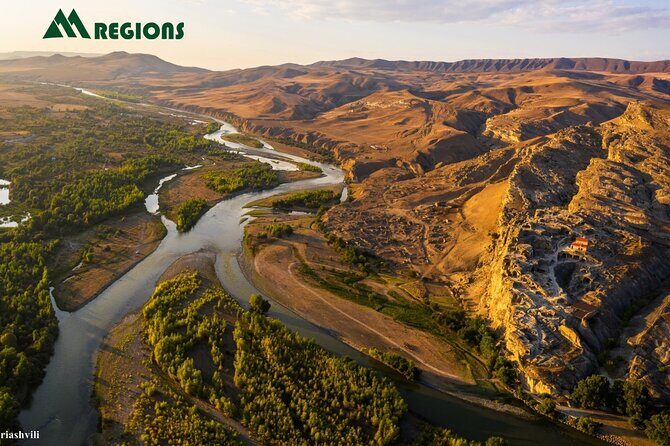
Finally you reach Uplistsikhe, the cave town that turns “history” into something physical. It was once the center of a wider region with major involvement in international trade and economic life. The scale is part of what makes it memorable: ancient sources put it at over 770 caves, while about 150 have survived or are preserved enough to visit today.
You’re there for about 1 hour 30 minutes, and the ticket is included. That’s a strong value move, because cave sites can be expensive elsewhere. Here, you’re paying for access once and then using the time efficiently.
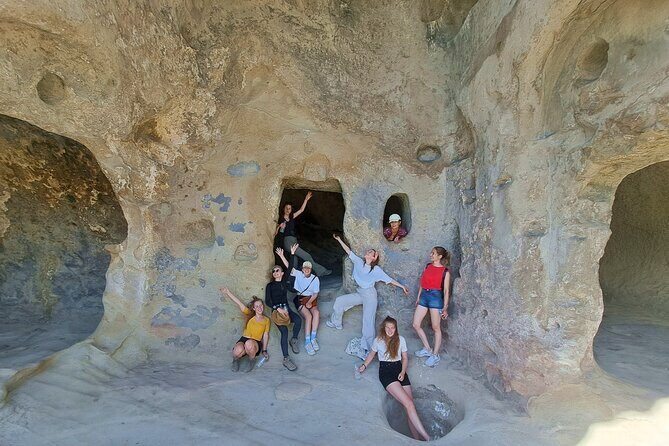
What you’ll likely notice as you walk is the way different carved spaces reflect different uses. Uplistsikhe isn’t just “rooms in rock.” It’s structured like a town.
Key places you’ll see include:
- the amphitheater, where community life would have had a public face
- Queen Tamar’s hall, named for a famous medieval figure
- the prisons, which give the site a darker edge
- wine presses, where you can connect the cave world to agriculture and production
- a pharmacy, which hints at how people organized healing and daily life
- the three-nave basilica, showing how religious space also belonged in this settlement
My favorite part of Uplistsikhe is how the scale adds perspective. Even if you’ve read about ancient Georgia before, standing in carved spaces makes it easier to imagine how people lived when this wasn’t a museum—it was home, workplace, and community.
Practical advice: caves are naturally cooler but often uneven. Bring shoes that handle stone floors and worn steps. Keep an eye on where you place your feet; you’ll want to stay in “enjoy mode,” not “watch every step” mode.
Lunch and Timing: How to Keep the Day Comfortable
Lunch is where your group can steer the experience. You’ll have a chance to sample a traditional Georgian lunch, but it’s your expense (and it’s recommended by your guide). That’s a real advantage of having a guide: they can point you toward something suited to a day trip rather than sending you on a wild goose chase.
If you prefer lighter meals, you might treat lunch as a pause instead of a full sit-down feast. If you want the full food experience, factor in that lunch time can expand the day slightly—though the tour is already organized to fit the main stops.
Timing-wise, the day is built around short, high-impact visits. That’s great for energy. But it also means you need to go in with realistic expectations: this is not a “hang out in one town all afternoon” day.
In exchange, you get a tight route that covers the big themes of Georgia on one trip—religion, empire-era history, and ancient trade-life carved into stone.
Price and Value: Is $90 Worth It?
At $90 per person for a private day trip, the value depends on two things: how you use the included items and how much you hate logistics.
Here’s what you get for the base price:
- Private transportation with hotel pickup and drop-off in Tbilisi
- Bottled water
- Uplistsikhe admission included
- Mobile ticket delivery
And what you pay extra for:
- Stalin Museum ticket
- Lunch (recommended Georgian meal is own expense)
For many people, the real money-saver is the simplicity. You’re paying to remove driving time uncertainty and route-planning headaches from your day. If you’re traveling as a small group, private transport can also feel cheaper than you expect once you add up taxis and separate admissions.
Also, three major stops early in the day are free to enter. That’s a quiet but meaningful cost advantage. You’re not stacking ticket fees on top of ticket fees before you even reach the cave town.
My take: if your priority is hitting Mtskheta and Uplistsikhe without stress, this is a solid spend. If you’re only mildly interested in the Stalin Museum, you should mentally budget for possibly skipping it or choosing shorter time there so the day stays weighted toward caves and churches.
Who This Tour Suits Best
This fits best if you like structure but still want breathing space. A private format is ideal for:
- couples or friends who want a shared day without a big-group pace
- history-minded visitors who enjoy story-driven stops
- travelers who want to see Mtskheta and Uplistsikhe in one day without multiple transfers
- anyone who appreciates free-entry locations that let you save money for the paid highlights
It’s less ideal if you only want one type of site. This tour mixes sacred Georgia, Soviet-era history, and ancient cave-city life. If you’re strongly against one of those themes, you may feel the weight of that stop.
Should You Book This Mtskheta–Gori–Uplistsikhe Private Tour?
I’d book it if you want a high-effort day that still feels organized: hotel pickup, a clear route, and guided context at each stop. The value is strongest when you care about Uplistsikhe and Jvari, since those are the “why are we here” anchors of the whole itinerary.
Skip the tour only if you’re strictly focused on churches and caves and the Soviet topic isn’t your thing. If that’s you, the good news is simple: treat Gori as the optional pivot and spend more time where your interests are.
FAQ
How long is the Mtskheta – Gori – Uplistsikhe caves private tour?
It runs about 8 hours.
What time does the tour start?
The start time is 9:00 am.
Is hotel pickup included?
Yes. Pickup is offered from any hotel in Tbilisi.
Is this tour private or shared?
This is a private tour. Only your group participates.
What’s included in the price?
Private transportation and bottled water are included, and admission for Uplistsikhe is included.
What is not included?
Lunch is not included, and tickets for Josef Stalin’s Museum are not included.
Do I need tickets in advance?
You’ll have a mobile ticket.
FAQ (continuing)
What is the cancellation policy?
Free cancellation is available up to 24 hours in advance for a full refund. If you cancel less than 24 hours before the start time, the amount paid will not be refunded.