REVIEW · TBILISI
Four Historical Places: Mtskheta-Gori-Uplistsikhe-Jvari Monastery- Private Tour
Book on Viator →Operated by Levan Tours · Bookable on Viator
Two river views and a stone city in one day. This private outing strings together Jvari’s UNESCO lookout and Uplistsikhe’s cave-town tickets, so you get big scenery plus real Georgian time depth without bouncing between tours. I also like that the pacing is realistic for a 7 to 8 hour day, with time to actually look instead of just being rushed past doorways.
The one thing to watch: the Joseph Stalin Museum stop is optional and the entry for the museum and train is not included, so your final spend can creep up if that theme interests you.
In This Review
- Key things you’ll care about
- Price and logistics: what the $113 covers (and what doesn’t)
- The drive: a private ride that keeps the day calm
- Jvari Monastery: the sixth-century peak over the river meeting
- Stalin Museum in Gori: optional, short, and not subtle
- Uplistsikhe Cave Town: living carved into rock
- Mtskheta and Svetitskhoveli: the old capital and the big church
- The tour flow: how the day feels from start to finish
- Who should book this private tour
- What to know before you go (small details that matter)
- Is it worth booking? My take
- FAQ
- How long is the tour?
- Do I get hotel pickup and drop-off in Tbilisi?
- What sites are included, and are tickets covered?
- Is lunch included?
- Is the Stalin Museum stop optional?
- How much are the Stalin Museum and train tickets?
- Is this a private tour?
- Do I need cash during the tour?
Key things you’ll care about
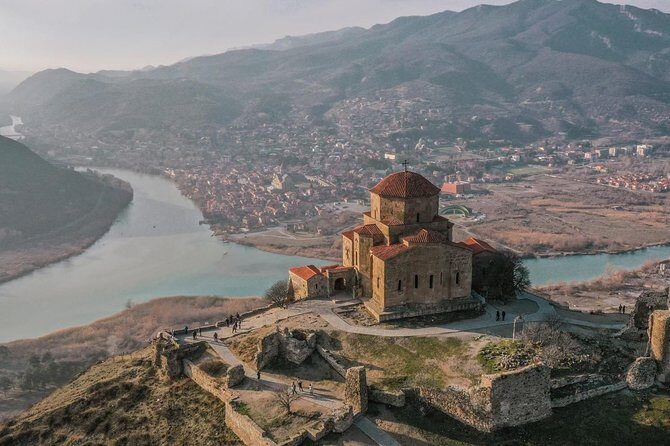
- Jvari’s viewpoint over the meeting of the Mtkvari and Aragvi rivers is the tour’s best photo moment.
- Uplistsikhe cave-town entry is included, saving you the ticket hassle and helping you plan your day.
- Hotel pickup and drop-off in Tbilisi keeps the logistics simple for a full day out.
- Stalin Museum is optional, which is great if you want it and a waste of time if you don’t.
- Petrol-only cars aim for straightforward, worry-free transport on the road.
Price and logistics: what the $113 covers (and what doesn’t)
At $113 per person, the value is in how much ground you cover and what’s already handled for you. You get private transport in an air-conditioned vehicle, a guide/driver, planning help, and ticket coverage for Uplistsikhe, plus a bottle of fresh Georgian water.
This tour is built around a classic day-trip formula: pickup, driving, guided stops, and tickets where they matter. Jvari’s admission is listed as free for the time you spend there, while the Stalin Museum stop has a separate fee if you choose to go.
Lunch is not included, so plan a quick meal strategy before you leave or budget time to eat on your own. And for any extra paid options during the day, you’ll need cash.
Other Mtskheta tours we've reviewed in Tbilisi

The drive: a private ride that keeps the day calm
You’re not joining a packed bus with strangers and a loud agenda. This is a private tour, meaning it’s only your group, and that alone changes the feel of the day.
The vehicles are described as clean, safe, and comfortable, and there’s a specific point about how they’re powered: the cars run only on petrol, not on installed natural gas. For some people that detail matters, especially if you’re picky about comfort and consistency on longer drives.
Expect about 7 to 8 hours total. You’ll also want to factor in that some stops are partly optional, so your day can flex based on what you care about.
Jvari Monastery: the sixth-century peak over the river meeting
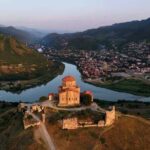
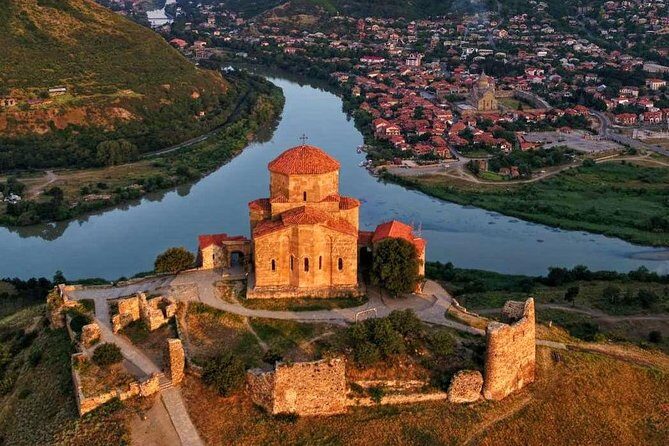
Jvari Monastery is the kind of place where the location does half the work for you. It’s a sixth-century Georgian Orthodox monastery sitting up on a rocky mountain top at the confluence of the Mtkvari and Aragvi rivers, overlooking the town of Mtskheta.
You’ll love it if you like views that are actually meaningful, not just scenic. From up there, you can see the geometry of the two rivers coming together, and it helps you understand why this religious and cultural site ended up where it did.
Jvari is also a UNESCO-listed site, and the best way to experience that is to take your time at the viewpoint before you rush into the church. This tour gives you about an hour at the start, so you can arrive, get your bearings fast, and soak in the perspective without feeling trapped in a checklist.
A small consideration: since Jvari appears again later in the day as part of the Mtskheta portion, you may get a second look from another angle depending on timing. That’s a bonus if you like photos, but it also means you might feel like you’re repeating a viewpoint if you’re not in the mood for more looking up at stone.
Stalin Museum in Gori: optional, short, and not subtle
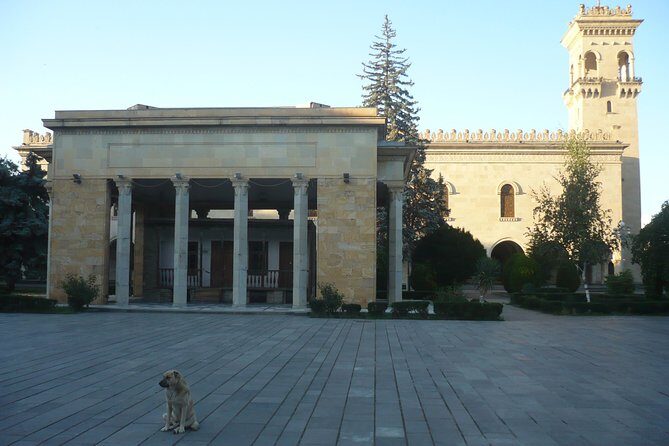
The Joseph Stalin Museum in Gori is there if you want the Soviet-era thread—tightly focused and designed to be efficient. It’s listed as optional, which I really appreciate because not everyone wants politics as part of a church-and-caves day.
If you do go, the stop is about 40 minutes. The museum highlights Stalin’s garden/home (his birthplace area in Gori), plus a bulletproof train. That combo makes it less about a general biography wall and more about symbols of power and control.
Here’s the practical part: the admission ticket is not included. The listed ticket fee is 15 Gel per person (about $6) for the museum and train tickets. So if you’re on a strict budget, you can choose to skip it and keep the day focused.
One more detail to keep in mind: this is the kind of museum where you might want time to read the displays, not just scan them. With only 40 minutes, you’ll be glad you came with at least a basic curiosity about the subject.
Uplistsikhe Cave Town: living carved into rock
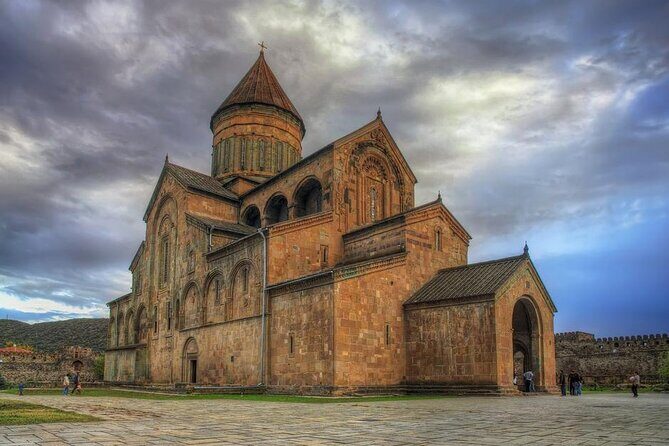
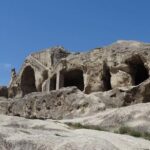
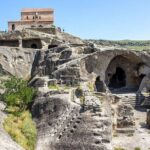
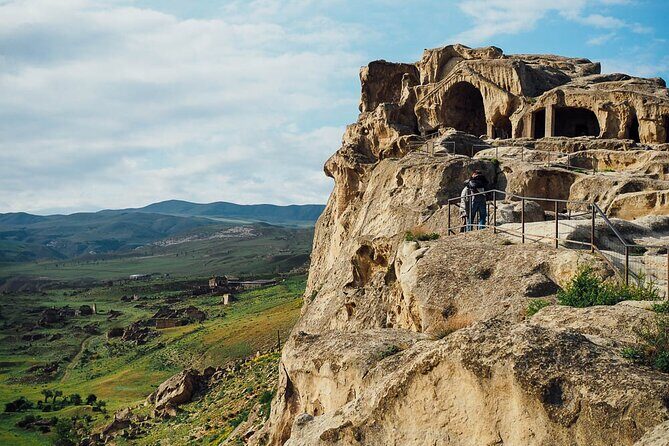
Uplistsikhe (meaning Lord’s Fortress) is the tour stop that feels most unusual right away. It’s an abandoned rock-hewn town, founded around the Late Bronze Age (about 1000 BC) and inhabited until the 13th century AD.
Because it’s carved into stone, the site has a built-in sense of scale and age. You’re not just looking at old walls—you’re seeing how people shaped space for living, worship, and survival over many centuries.
The tour includes the Uplistsikhe cave-town tickets, so you won’t waste time hunting for entry or figuring out what’s included. You’ll also have about 2 hours here, which is enough time to walk at a comfortable pace and still catch the details that make a cave town feel different from a normal ruin.
A practical tip: wear shoes that work on uneven ground. The site is rock-hewn by design, so even when paths are clear, the terrain isn’t the type that forgives bad footwear. If you’re traveling with older kids, or if your knees get cranky, plan for slower moments.
The other small win is hydration. The tour provides a bottle of fresh Georgian water, which is handy because you’ll be outdoors for part of the day.
Other Uplistsikhe cave tours we've reviewed in Tbilisi
Mtskheta and Svetitskhoveli: the old capital and the big church
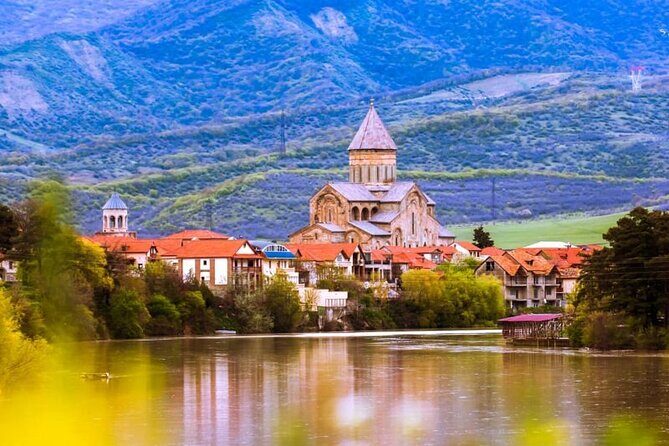
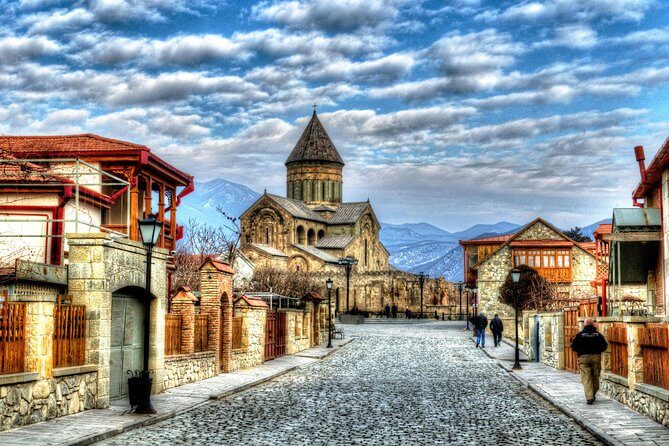
Mtskheta is described as the ancient old capital of Kartli, and this is where the day connects the dots between politics, faith, and place. The area is also UNESCO-listed, and the tour brings you into the core of the city’s religious identity.
Your anchor stop is Svetitskhoveli Cathedral, one of Georgia’s main churches for Christians. The tour description notes a powerful tradition connected to the burial mantle of Jesus Christ inside the cathedral.
Even if you’re not a religious history scholar, it helps to understand why this place matters. Mtskheta is tied to Georgia’s early Christian era, including the proclamation of Christianity as the official religion of Georgia in 337. When you stand in a cathedral tied to that story, the architecture and rituals feel less like museum pieces and more like living memory.
This portion also includes time back around Jvari in the same tour block. That means you can compare perspectives: city life in the cathedral area first, then the river confluence view from above. If you love making mental maps, it’s a smart way to connect the geography to the story.
Admission for the cathedral isn’t specified as included or free in the tour details you were given, but the tour does include guiding and driving across the region. In practice, your guide will steer you through what to expect onsite so you don’t get stuck.
The tour flow: how the day feels from start to finish
This is a “big day,” but it’s organized enough that you won’t feel completely fried by the middle. The early Jvari stop is a strong move because the river-view moment is front-loaded, and the scenery gives you energy for the rest of the day.
Then you shift to Gori for the optional Stalin Museum. That option is a clever design choice: people who want it can take it, and people who don’t can keep the day moving without losing time to a stop they don’t care about.
After that, Uplistsikhe gives your brain a reset. You’ll go from political storytelling to deep-time stone carving, which is a big contrast. Two hours is a good window because cave towns reward slower wandering.
Finally, Mtskheta and Svetitskhoveli close the loop with spirituality and place. If you like tours that build meaning as they go, this ending lands well: it turns a view from a mountaintop into a walkable connection to the city.
Who should book this private tour
You’ll get the most out of this if you’re the kind of traveler who likes contrasts. Churches with strong symbolic stories, a Soviet-era museum if you choose it, and then a cave town carved over thousands of years in one loop—this isn’t one-note sightseeing.
It’s also a solid fit for families who can handle a full day with guidance. The tour notes that children must be accompanied by an adult, and it also says most people can participate.
If you’re traveling as a couple or a small group and you care about not being stuck on a crowded schedule, the private format is a big plus. It also helps that the company is set up for pickup in Tbilisi.
I’ll also mention one practical comfort factor: with a group format and a vehicle designed for the ride, you’re more likely to have a calm day than if you’re stitching together multiple public options.
What to know before you go (small details that matter)
Start with food expectations. Lunch is not included, so don’t plan to rely on the tour for your midday meal.
Next: plan for extra payments. The tour notes that for payment for additional options, you’ll have to use cash. Keep some bills handy so you’re not scrambling at a counter.
Vegetarian food isn’t typically a deciding factor since lunch isn’t included, but the tour does offer a vegetarian option, so if your plan includes a meal stop that’s coordinated through the guide, it’s good to flag it at booking.
Finally: cars run on petrol only. If that detail makes you feel more secure about transport conditions, you’ll appreciate it.
Is it worth booking? My take
If you want a one-day sampler that feels real, this is a strong choice. You’re paying for private guidance, included Uplistsikhe entry, and a route that meaningfully connects Mtskheta’s Christian roots to the geography that shaped it.
I’d skip the Stalin Museum part if your goal is strictly Georgian church and ancient-site vibes. But if you have any curiosity about Stalin’s symbols—especially the bulletproof train theme—this tour gives you a short, controlled taste without turning the whole day into a history lecture.
One last decision-point: this experience is non-refundable and cannot be changed for any reason. So if your schedule is shaky, you’ll want to double-check your plans before booking.
If your day in Tbilisi can handle a full drive and a couple of heavyweight sites, I think you’ll feel good about the value of this format.
FAQ
How long is the tour?
It runs about 7 to 8 hours total.
Do I get hotel pickup and drop-off in Tbilisi?
Yes. Pickup and drop-off in Tbilisi are included.
What sites are included, and are tickets covered?
Uplistsikhe cave-town tickets are included. Jvari Monastery entry is listed as free for the time you visit. The Joseph Stalin Museum ticket is not included.
Is lunch included?
No. Lunch is not included.
Is the Stalin Museum stop optional?
Yes. The Joseph Stalin Museum is optional depending on your interest.
How much are the Stalin Museum and train tickets?
The ticket fee is listed as 15 Gel per person (about $6) for the museum and train tickets.
Is this a private tour?
Yes. It’s private, and only your group participates.
Do I need cash during the tour?
For payment for additional options, you have to have cash.