REVIEW · TBILISI
One-day tour in ancient Mtskheta, Gori and Uplistsikhe
Book on Viator →Operated by Evatour · Bookable on Viator
Old churches and cave streets in one day. You start in Mtskheta, with two UNESCO-listed sites, then roll on to Gori for fortress views and a Soviet stop, before ending at Uplistsikhe’s ancient cave-town streets.
I really liked the pacing of this loop: you get enough time at each place to actually read what you’re looking at, not just snap photos and sprint. And I especially appreciated Aleko as the guide, with the kind of clear, story-first explanations that make big monuments easier to understand.
The main thing to plan for is money and timing: Stalin Museum and Uplistsikhe have admission fees, and lunch isn’t included. With a 10-hour day, you’ll want to bring snacks and be ready for some walking.
In This Review
- Key points to know before you go
- Mtskheta, Gori, and Uplistsikhe: why this day trip works
- Price and logistics: does it feel like good value?
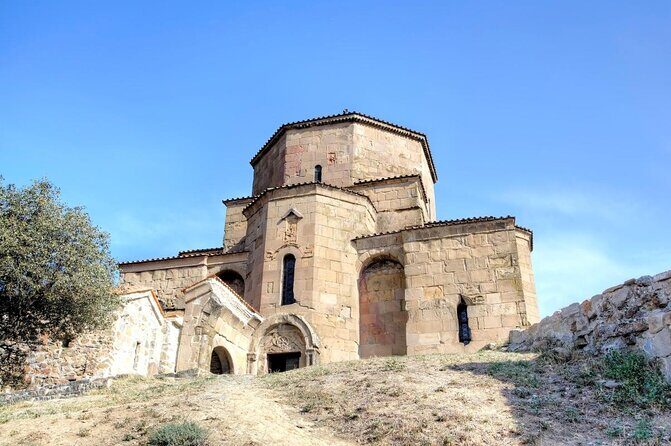
- Jvari Monastery: hilltop views and the Christianity origin story
- Svetitskhoveli Cathedral: Georgia’s legendary tunic connection
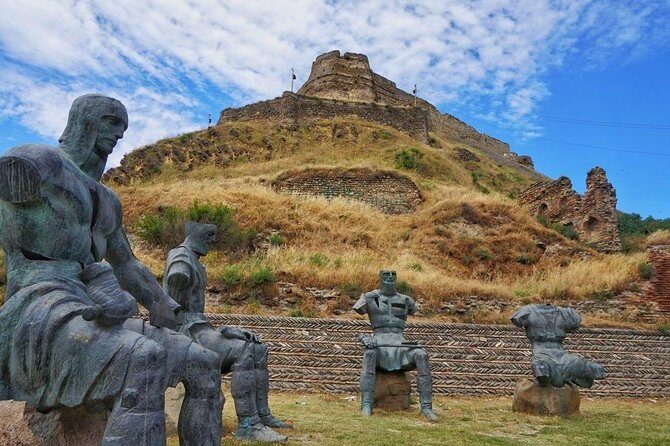
- Gori Fortress: a 13th-century castle with centuries of damage
- Stalin Museum time in Gori: Soviet-era exhibits you should plan for
- Uplistsikhe cave town: fortress of the lord and an ancient urban layer
- How the 10-hour day feels: timing, walking, and comfort
- Guide quality: why Aleko’s style matters on this route
- Who should book this tour (and who should choose something else)
- Should you book this Mtskheta–Gori–Uplistsikhe day trip?
- FAQ
- What is the duration of the tour?
- Where does the tour start?
- How much does the tour cost?
- What is included in the price?
- Is admission included for the Stalin Museum and Uplistsikhe?
- Are any sites free to enter?
- Is lunch included?
- How big is the group?
- What if I need to cancel?
Key points to know before you go
- UNESCO stops built into the day: Jvari Monastery and Svetitskhoveli Cathedral
- Free entries on multiple major sites: Jvari, Svetitskhoveli, and the Gori Fortress time slot
- A Soviet-era focus in Gori: Joseph Stalin Museum with a local guide
- A real cave town at Uplistsikhe: one of Georgia’s oldest urban sites
- Small group size: maximum 20 people, with pickup and an air-conditioned vehicle
- Guide makes it click: strong explanation style, including Aleko’s on-the-ground storytelling
Mtskheta, Gori, and Uplistsikhe: why this day trip works
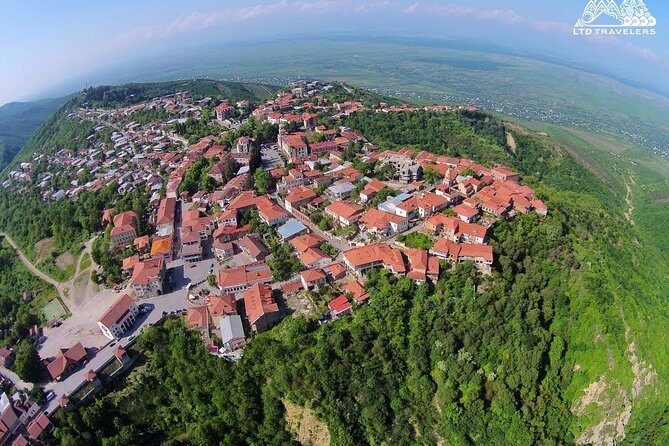
This is the kind of tour that makes sense if you’re short on time but want depth. In one day you’ll move through three different worlds: early Georgian Christian power around Mtskheta, the 20th-century Soviet shadow in Gori, and deep-time settlement life at Uplistsikhe.
What I like most is that the big-ticket sites aren’t piled randomly. The order matters. You begin with the hilltop monasteries that overlook the river confluence, then go to Gori, and finally finish with a place built into rock—so the story feels like it keeps layering, not repeating.
Other Mtskheta tours we've reviewed in Tbilisi

Price and logistics: does it feel like good value?
At about $50.13 per person, this tour looks like a budget-friendly way to cover serious sights with real guide time. You’re paying for transport, an air-conditioned vehicle, bottled water, a professional guide, and fuel coverage. Even better: several key entrances are marked free (Jvari, Svetitskhoveli, and the Gori Fortress time slot).
Two things cost extra: admission for the Stalin Museum and admission for Uplistsikhe. Lunch isn’t included either. If you budget for those two ticketed stops plus a meal or snacks, the overall value usually still holds up, because the day isn’t “paid attractions only.”
One more practical point: this tour uses a mobile ticket, and pickup is offered. That saves time when you’re new to Tbilisi logistics and just want the day to start moving.
Jvari Monastery: hilltop views and the Christianity origin story
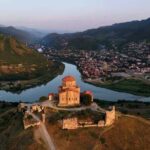
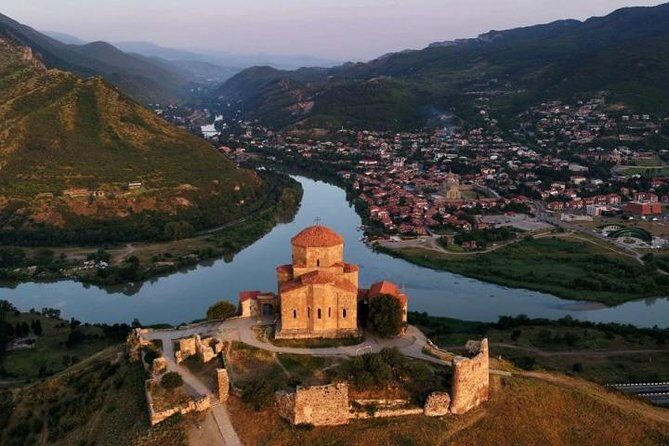
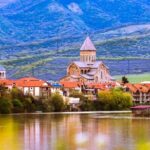
Jvari Monastery is the first stop for a reason. It sits on a rocky hilltop at the confluence of the Mtkvari and Aragvi rivers, and the setting is dramatic even before you start reading the stone details.
You’ll get around 20 minutes here. It’s enough time to take in the view, understand what you’re seeing, and notice the architectural choices that made it famous. Jvari is UNESCO-listed, and the story starts early: after Christianity was adopted, King Mirian III erected a large wooden cross on the site. Later, in the second half of the 6th century, the ruler Guaram built a small church nearby.
What to watch for: don’t rush the overlook. The monastery’s location is part of the meaning. When you look down toward Mtskheta, you’re standing where the geography and the faith story were meant to connect.
Svetitskhoveli Cathedral: Georgia’s legendary tunic connection
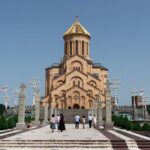
Next comes Svetitskhoveli Cathedral, the former capital’s major church. Expect about 30 minutes. It’s another UNESCO World Heritage site, and it’s known as the second largest church in Georgia, after Holy Trinity Cathedral.
The building matters, but the legend is what sticks. The story involves Elioz, a resident of Mtskheta, who supposedly found the Tunic of Jesus Christ in Jerusalem. Elioz’s sister, Sidonia, dies after touching the tunic, is buried wrapped in it, and a cedar tree grows on her grave—then the site becomes tied to temple-building decisions.
Practical note: admission is marked free for this stop, so it’s a strong use of your time. Also, churches in Georgia can shift from quiet contemplation to lots of visitors depending on time of day. Aim to keep your visit flexible and pace yourself, especially if you’re walking in and out of sun and shade.
Gori Fortress: a 13th-century castle with centuries of damage
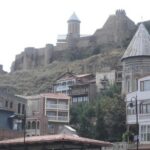
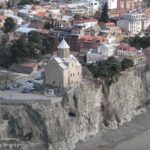
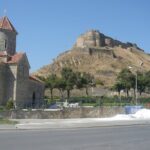
Gori Fortress is the hilltop “between worlds” stop. You’ll spend about 30 minutes and the admission is free.
The fortress dates to the 13th century, and it has a history of changing hands—Ottomans in the 16th century, and then later back-and-forth control between Turks, Georgians, and Persians. Much of what you see today is from the 17th and 18th centuries, and there’s also the big reminder of the 1920 6.2 earthquake that damaged the site.
This stop is less about one single legend and more about understanding how a border region keeps getting rewritten. I like it because it gives you a physical sense of power shifts, not just dates on a page.
Other Uplistsikhe cave tours we've reviewed in Tbilisi
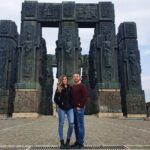
Stalin Museum time in Gori: Soviet-era exhibits you should plan for
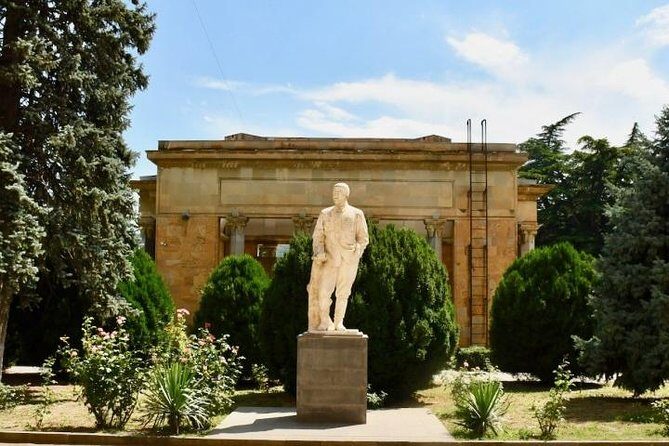
The tour then moves into the Gori part of the story: Joseph Stalin’s legacy. The time slot is about 45 minutes, and the Stalin Museum admission isn’t included.
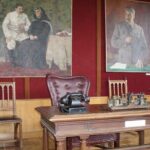
This museum keeps a Soviet-era feel, and it’s designed around Stalin’s life and influence. One practical heads-up: many exhibits are presented with text in Georgian and Russian. If your comfort with reading isn’t there, you’ll be happier if your guide can help you connect the dots—especially on the parts you care about most.
Also, the tour setup centers on more than one aspect of Stalin’s presence in Gori. The day is described as including his house, museum, and a train wagon within the visit time with the local guide. So you’re not just watching a single room; you’re getting a fuller slice of the Soviet “presence” that still defines the city.
Uplistsikhe cave town: fortress of the lord and an ancient urban layer
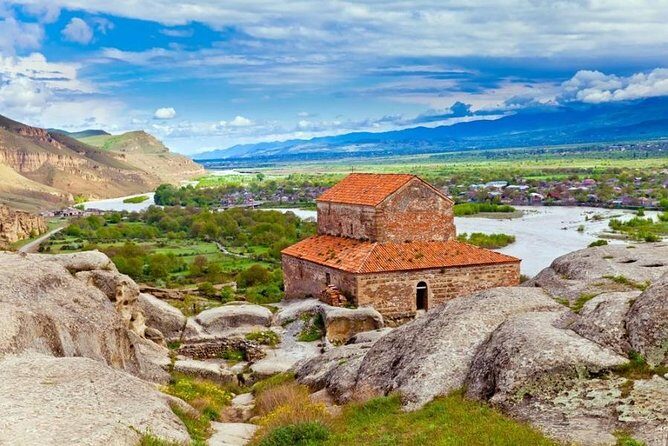
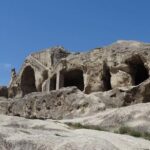
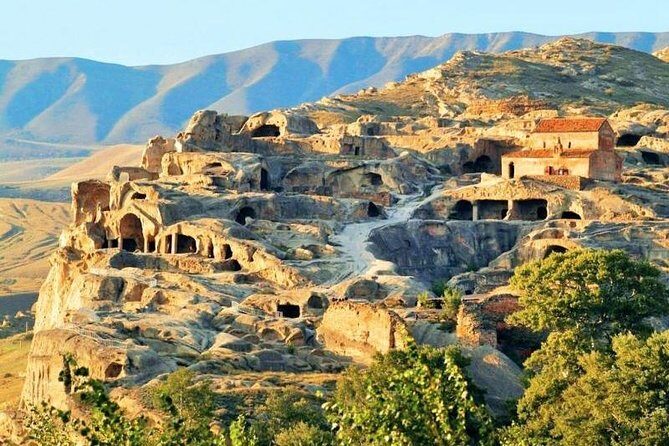
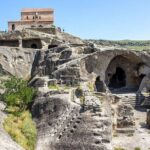
Finally you’ll reach Uplistsikhe, a cave town about 10 km from Gori. You’ll have about 1 hour here, and Uplistsikhe admission is not included.
Uplistsikhe means fortress of the lord, and archaeologists identify it as one of Georgia’s oldest urban settlements. The site grew into a major political and religious center in the region known as Kartli (often called Iberia in older classical references). Medieval Georgian written tradition even gave it a mythical origin through Uplos, son of Mtskhetos, grandson of Kartlos—so the story has both archaeology and legend.
The history goes back to the 2nd–1st millennia B.C. In antiquity it was a major center, and in the Middle Ages it sat on an important trade route linking Byzantium with India and China.
How to make your hour count: wear shoes that handle uneven ground, and don’t try to memorize every name. Instead, focus on how the settlement is arranged in the rock and how “urban” it feels for a place carved out of a cliff. That’s the big idea you’ll carry out of there.
How the 10-hour day feels: timing, walking, and comfort
This is a 10-hour day trip, and the visit lengths are tight-but-realistic: about 20 minutes at Jvari, 30 minutes at Svetitskhoveli, 30 minutes for the Gori Fortress time slot, 45 minutes for the Stalin Museum, and about an hour at Uplistsikhe.
Because you’re moving between hilltops and uneven areas, comfortable walking shoes matter. The tour includes air-conditioned transport and bottled water, so you can keep your energy steady in the van even if the weather changes outside.
Lunch isn’t included, so I treat the day like a half-day meals plan: I bring a snack and something simple to hold me over. You may feel tempted to buy something on the go, but having a backup prevents the day from turning into a stressful food hunt.
Group size caps at 20, which I like. It keeps the pace human and makes it easier to ask questions without waiting.
Guide quality: why Aleko’s style matters on this route
On a day like this, the guide’s job isn’t just to explain where you are. It’s to connect why each stop matters.
From the way the tour is described, the guide experience is central, and the name Aleko comes up in past experiences. That matters for two reasons. First, the UNESCO sites and cathedral legends can be confusing if you only get dates. Second, the Stalin section works best when someone helps you understand what you’re looking at and how the exhibits fit together.
If you care about meaning, not just photos, this tour format is built for you.
Who should book this tour (and who should choose something else)
I think this fits best if you want a “big highlights” day with real historical anchors. You’ll likely enjoy it most if:
- You’re okay with a long day and some walking
- You want UNESCO sites without splitting your time across multiple days
- You’re curious about how Georgia’s Christian past and Soviet-era memory both shape what you see today
If you prefer slow travel with long stays at fewer sites, you might feel the time pressure here. In that case, you’d probably be happier choosing a smaller selection—one day in Mtskheta, or a separate Uplistsikhe-focused outing.
Should you book this Mtskheta–Gori–Uplistsikhe day trip?
Yes, I’d book it if your priority is getting multiple major stops done with a guide and you’re okay paying for two extra admissions (Stalin Museum and Uplistsikhe). The value calculation is strong because so much of the day’s core sights have free entry.
I’d think twice only if you hate long hours in transit or if you’re trying to keep costs totally flat, since lunch and those two entrances aren’t included. Still, for most people, planning for a meal and adding ticket costs turns the day from a bargain into a smart, efficient itinerary.
FAQ
What is the duration of the tour?
The tour runs for about 10 hours.
Where does the tour start?
It is based in Tbilisi, and pickup is offered.
How much does the tour cost?
The price is listed as $50.13 per person.
What is included in the price?
Included features are an air-conditioned vehicle, bottled water, fuel surcharge, and professional guide service. It also uses a mobile ticket.
Is admission included for the Stalin Museum and Uplistsikhe?
No. Admission for the Stalin Museum and for Uplistsikhe is not included.
Are any sites free to enter?
Yes. Admission is marked free for Jvari Church, Svetitskhoveli Cathedral, and the Gori Fortress time slot.
Is lunch included?
No, lunch is not included.
How big is the group?
The maximum group size is 20 travelers.
What if I need to cancel?
You can cancel for a full refund up to 24 hours before the experience starts. If you cancel less than 24 hours before the start time, the amount paid is not refunded.