REVIEW · TBILISI
City tour Tbilisi on red bus
Book on Viator →Operated by WST Georgia · Bookable on Viator
The easiest way to start in Tbilisi.
This hop-on hop-off red double-decker loop gives you a seated overview of the city in about 1 hour 30 minutes, with 14-language audio that helps you understand what you’re seeing as you roll past key sights. If you want to get your bearings fast without cramming in a bunch of walking, this is a very practical pick.
I really like the clarity here. With headsets included, you can actually hear the guide and audio prompts while you enjoy views from up high, and there’s enough English support to ask questions and get unstuck.
My main caution is timing. The experience is sold as smooth and straightforward, but you may find the pace changes on the day—so keep an eye on announcements and be ready to act on hop-off cues quickly, especially if it’s cold or rainy.
In This Review
- Quick hits before you ride
- Entering Tbilisi from the top deck: what this tour is really for
- The core route: Old Town walls, squares, the river, and the views
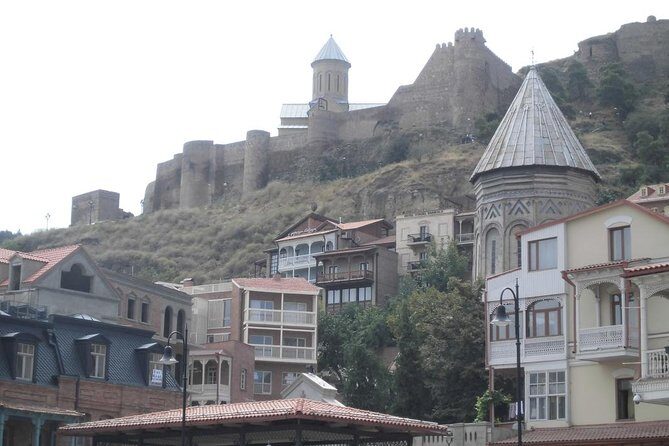
- Old part of the city and defensive walls
- Meidan Square and the city center feel
- Sulfur bath district and the river corridor (Mtkvari)
- Metekhi wall and the cathedral area
- Dry Bridge and the market vibe
- Rike Park, Peace Bridge, and Freedom Square
- Rustaveli Avenue and Heroes Square
- Agmashenebeli Avenue and that classic neighborhood energy
- Stop style: where you can hop off vs where you mainly just pass by
- Full loop points that act like your base stops
- Pass-by segments: Meidan Bazaar, Dry Bridge Market, Metekhi Cathedral
- Headsets, audio in many languages, and why that changes everything
- Hop-on hop-off: it’s freedom, but you need a simple game plan
- Logistics that matter: timing, group size, and where you start
- Price and value: why $20 can be a smart move in Tbilisi
- Who should book this Red Bus tour, and who should choose something else
- What I’d pair this with for a stronger day
- Should you book the Tbilisi Red Bus City Tour?
- FAQ
- How much does the Tbilisi Red Bus city tour cost?
- How long is the tour?
- Is it really hop-on hop-off?
- Are headsets included?
- What language is the tour offered in?
- Where does the tour start and end?
- Is food included?
Quick hits before you ride

- A 24-hour ticket with a hop-on hop-off setup so you can extend your sightseeing after the main loop
- Headsets included to keep the narration understandable from the top deck
- English offered, with an audio guide that runs in 14 languages
- You pass major Tbilisi landmarks like Old Town walls, Meidan Square, the sulfur bath district, and Rustaveli Avenue
- Small group limit (up to 50) which usually keeps the bus from feeling like a sardine tin
Entering Tbilisi from the top deck: what this tour is really for

This tour is built for one job: help you orient in Tbilisi quickly. The red double-decker format means you’re already above street level, so you can spot landmarks, follow the river corridor, and understand how different neighborhoods connect.
That matters because Tbilisi can feel a bit layered. You’ve got the old, hillside streets above and the more open, modern avenues below. From the bus, you can connect dots in minutes—then decide what deserves a slower, on-foot visit later.
For $20, you’re not paying for a private performance. You’re paying for transportation plus narration plus a simple sightseeing loop you can repeat within your 24-hour ticket window. If your schedule is tight or you don’t feel like walking right away, that’s where the value kicks in.
Other Tbilisi city tours we've reviewed in Tbilisi



The core route: Old Town walls, squares, the river, and the views
The best way to understand this tour is as a “greatest hits” pass through both historic and central Tbilisi. Even if you don’t jump off, the bus ride itself gives you a strong mental map.
Here’s what you can expect to see as you go.
Old part of the city and defensive walls
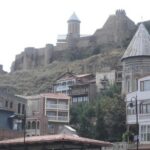
Tbilisi’s Old Town isn’t just old buildings—it’s also the geometry of slopes and fortifications. From the bus, you’ll get a clear look at the defensive-wall vibe that shaped how this city was protected and built.
Why it’s useful: once you see the wall line from above and from the street corridor, you’ll recognize it later when you’re walking and you won’t feel like you’re wandering randomly.
Meidan Square and the city center feel
As the route swings toward the central areas, Meidan Square shows you how Tbilisi’s public life sits right at the heart of the city. You’ll get a sense of where people gather and where the bigger roads begin.
Why you’ll care: if you plan museum stops or a long evening stroll, having this central anchor point in your head makes the rest of the day easier.
Sulfur bath district and the river corridor (Mtkvari)
Tbilisi is famous for sulfur baths, and this route brings you through that area so you can recognize it quickly. Then you’re back near the Mtkvari River corridor, which is a big part of how the city “reads” from one neighborhood to the next.
Why this works: knowing the river direction helps you choose viewpoints and helps you plan where to go next without backtracking.
Other hop-on hop-off bus tours we've reviewed in Tbilisi

Metekhi wall and the cathedral area
You’ll pass the Metekhi zone, which gives a strong sense of the area’s cliffside/overlook relationship to the river. The tour also includes a pass-by of Metekhi Cathedral, which is one of those landmarks you’ll probably want to see closer once you’ve spotted it from the route.
Practical takeaway: if a church or viewpoint catches your eye from the bus, treat that as your cue to jump off later when you have more time and better angles.
Dry Bridge and the market vibe
The Dry Bridge Market appears on your path (with a pass-by). Even if you don’t shop, this stop tells you something important: Tbilisi’s shopping culture isn’t always in malls. Markets and street trading spill into the pedestrian zones.
If you like browsing, keep this one in mind. If you’re not a shopper, you can still use it as a time checkpoint—hop off briefly, get a feel, then return to the bus when you’re done.
Rike Park, Peace Bridge, and Freedom Square
One of the smartest reasons to ride this tour is that it connects the riverfront to the showpiece pedestrian spaces. You’ll pass through the Rike Park area, cross or view the Peace Bridge, and move toward Freedom Square.
Why it matters: these locations are easy to build a “walk plan” around later. Once you’ve seen them from the bus, you’ll know exactly where to aim when you want fresh air and longer views.
Rustaveli Avenue and Heroes Square
As the route heads toward Rustaveli Avenue, you’ll feel the more formal, boulevard-style side of Tbilisi. You’ll also pass Heroes Square—another big orientation point that helps you understand where the city’s major thoroughfares lead.
If you’re planning an evening out, this is the part that helps you decide which streets are better for cafes, culture stops, or a longer stroll.
Agmashenebeli Avenue and that classic neighborhood energy
You’ll pass Agmashenebeli Avenue as part of the broader tour sweep. This is the kind of street that people often want to reach again after they’ve gotten oriented.
Tip: if you find yourself thinking, I want to come back here later, that’s the right instinct. Use your 24-hour access to return when you can take your time.
Stop style: where you can hop off vs where you mainly just pass by
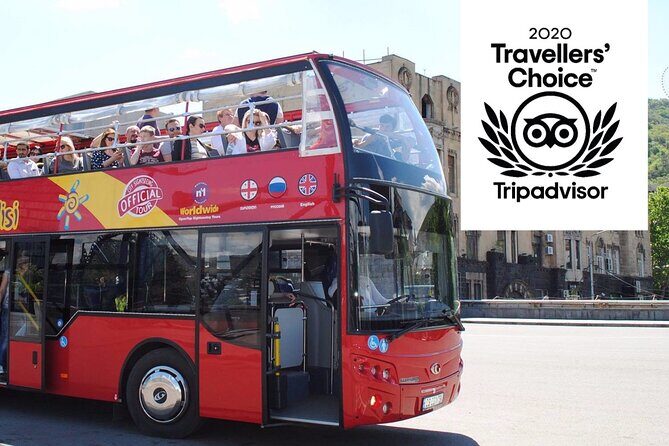
Not every point on this tour is a full “get out and explore” stop. Some are walk-up drop-off moments, and others are mainly pass-by views.
Full loop points that act like your base stops
There are major loop segments where you can board and re-board along the route. The key idea: you can use the bus to explore at your own pace, then decide what you want to repeat inside your 24-hour window.
In real life, this is often how people get the best of both worlds:
- You ride first to understand the geography
- Then you hop off later for the parts you actually care about
Pass-by segments: Meidan Bazaar, Dry Bridge Market, Metekhi Cathedral
The tour includes pass-by moments at places like Meidan Bazaar, Dry Bridge Market, and Metekhi Cathedral. A pass-by is still useful—you learn what’s where—but it’s not the same as having a dedicated time block to wander.
If you want market browsing or cathedral photos without rushing, plan to return on your own afterward rather than expecting the bus to turn into a shopping session.
Headsets, audio in many languages, and why that changes everything

Here’s the big win: headsets are included and meant to keep the narration clear from the top deck. That sounds basic, but in practice it’s the difference between a sightseeing ride you enjoy and one where you’re guessing what the guide is saying.
You’ll have English offered, and the wider system includes an audio guide in 14 languages. For me, this is a strong signal that the tour is designed to keep moving and keep explanations consistent, even with mixed language groups.
How to use it so you get more than motion:
- Put on the headset immediately when you’re settled
- Listen while you’re on the move, then use the views to connect the narration to what you’re seeing
- If you hop off, keep your ears on as you travel—announcements can help you decide where you’re headed next
Hop-on hop-off: it’s freedom, but you need a simple game plan
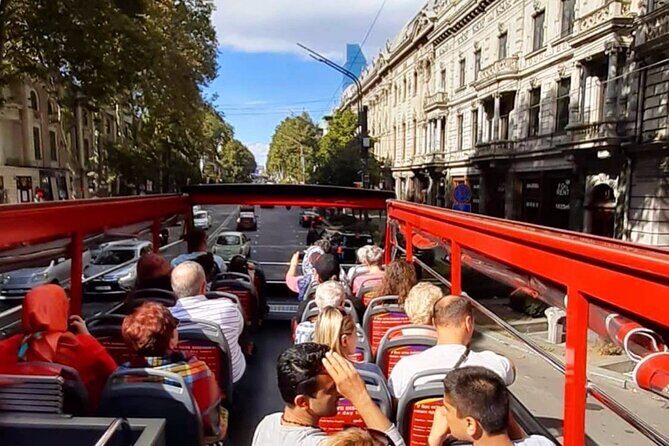
Hop-on hop-off is great, until you’re standing at the curb wondering how long you’re committing to a stop. With this kind of city bus, the best approach is to treat your hops like short missions, not open-ended adventures.
Here’s what I’d do:
- Pick one or two stops you want to explore deeper during your 24-hour window
- Keep at least one “backup” landmark in mind that you can reach quickly if your first idea takes longer than planned
- Watch for stop announcements and pay attention to staff cues so you don’t lose time waiting in the wrong place
One more practical point: while this is hop-on hop-off, the experience can feel more structured than you might expect. The bus is still moving through a loop, and the narration is largely built around the ride.
Also, there can be day-to-day timing friction. You might run into an earlier or later bus arrival than you hoped for, and if it’s raining, waiting can feel uncomfortable. The service often runs with buses roughly every 30 minutes, so you’re usually not stuck for hours—but it’s smart to plan for a short gap.
Logistics that matter: timing, group size, and where you start
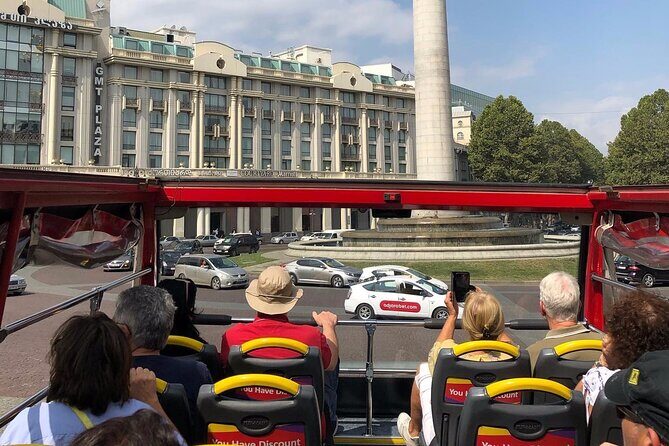
This tour starts at 10:00 am from 44 Kote Afkhazi St, T’bilisi 0105, Georgia, and it ends back at the same meeting point. That “return to start” layout is convenient. You’re not trying to navigate a new neighborhood with no plan at the end of your ride.
The group is capped at 50 travelers, and that matters more than it sounds. Less crowding generally means better comfort on the top deck and clearer headset audio.
About the duration: it’s listed as around 1 hour 30 minutes, but the real-world timing can vary. Sometimes traffic or parking adds minutes. So I’d avoid booking your next big activity too tightly right after the tour.
Price and value: why $20 can be a smart move in Tbilisi
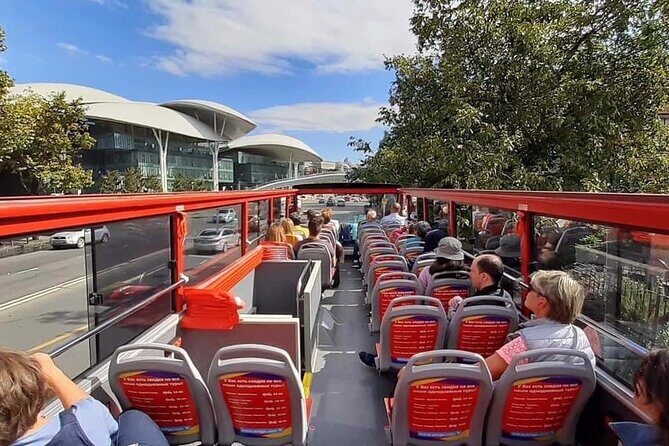
Let’s talk value. $20 per person is a fair price for:
- a double-decker city loop
- narration support with headsets
- and a 24-hour ticket that lets you return to the route
The value goes up if you:
- want to reduce walking early in your trip
- are traveling with someone who doesn’t want to sprint between sights
- want an orientation pass before committing to guided tours or ticketed attractions
The value goes down a bit if you expect lots of time at each location. This isn’t designed as a multi-stop walking tour where you linger at every single highlight. It’s designed to show you where things are, then let you choose what to do next.
Also note what’s not included: food and drinks. That’s normal for this kind of sightseeing service, but it means you should plan a snack break or water stop on your own.
Who should book this Red Bus tour, and who should choose something else

This is a good fit for:
- first-timers who want a quick map of the city
- anyone who prefers to see a lot without a ton of stairs
- people who want narration while seated
- travelers who like flexibility and don’t want a rigid schedule
It may feel less satisfying if you:
- want deep, stop-by-stop storytelling with plenty of time to ask follow-up questions at each location
- dislike being on a route where pass-by moments exist and you’re not always getting a chance to linger
- need highly predictable timing down to the minute
If you’re unsure, a simple rule helps: if you’re planning multiple neighborhoods in one day, this bus can be your backbone. If you’re planning one neighborhood with a slow pace, you may get more out of a focused walking tour instead.
What I’d pair this with for a stronger day
The bus gives you orientation. To make the day really work, pair it with one or two “later” activities that match what you loved from the ride.
A few easy pairings:
- After you spot the riverfront and bridges, plan a longer walk in that area on a separate timeline
- If a church or viewpoint grabbed your attention from the bus, plan a return visit when you can take your time with photos and angles
- If the market areas caught your eye, treat them as a quick browsing mission during your 24-hour access
That way, you’re using the bus for what it’s best at: getting oriented, then you take over for the parts that truly interest you.
Should you book the Tbilisi Red Bus City Tour?
Yes—if you want a fast, seated introduction to Tbilisi, this is an easy yes. The combination of headsets, English support, and a clear loop through major sights makes it a practical starting move, especially if you’re short on time or want to limit walking early on.
I’d say book with a little patience built in. If you’re the kind of person who needs tight timing and zero waiting, plan buffer time before and after. Bring a calm mindset, treat hop-off as short missions, and you’ll get a lot out of the ride.
FAQ
How much does the Tbilisi Red Bus city tour cost?
It costs $20.00 per person.
How long is the tour?
The duration is about 1 hour 30 minutes (approx.).
Is it really hop-on hop-off?
Yes. You have a 24 hour ticket, so you can get on and off to explore at your own pace.
Are headsets included?
Yes. Headsets are included so you can hear the guide clearly.
What language is the tour offered in?
English is offered, and the audio guide runs in 14 languages.
Where does the tour start and end?
It starts at 44 Kote Afkhazi St, T’bilisi 0105, Georgia and ends back at the same meeting point.
Is food included?
No. Food and drinks are not included unless specified.