REVIEW · TBILISI
Small-Group Khinkali and Khachapuri Cooking Class in Tbilisi
Book on Viator →Operated by Discover local wine and food · Bookable on Viator
Folding khinkali feels oddly satisfying. This hands-on khinkali and khachapuri workshop in downtown Tbilisi teaches the key moves (dough, filling, shaping) and then you eat the results. It runs about 2 hours inside a cozy restaurant hall setup, not in a kitchen.
What I like most is that you get a real meal built around what you cook: Georgian wine, farm cheeses, and a fresh tomato salad plus your homemade dishes. I also like the small-group feel, capped at 6 participants, which makes the instructions easier to follow and the questions actually get answered.
One thing to keep in mind: the format is table-based. You learn, mix, spread, fold, and shape, but it’s not a full kitchen takeover, so the most hands-on hot cooking work may happen out of your sight.
In This Review
- Quick Hits Before You Go
- The Heart of Tbilisi in a 2-Hour Cooking Window
- What You’ll Make: Khinkali vs. Imeretian Khachapuri
- Inside the Restaurant Hall: How the Class Actually Runs
- The Food Side: Wine, Cheese, Salad, and a Real Dinner
- Instructors, Personality, and Step-by-Step Clarity
- Group Size: Why “Small” Usually Helps (and When It Can Shift)
- Timing and Meeting Point in Downtown Tbilisi
- Value Check: Is $27.50 Worth It?
- Who Should Book This Cooking Class
- Should You Book the Small-Group Khinkali and Khachapuri Workshop?
- FAQ
- How many people are in the group?
- How long is the cooking class in Tbilisi?
- Where does the class start?
- What’s included with the class?
- Is the class offered in English?
- Is the cooking class held in the kitchen?
- Can I cancel and get a refund?
Quick Hits Before You Go
- Small-group pacing with step-by-step guidance and time for questions
- Wine, cheese, and salad included, so you’re not just “learning,” you’re eating
- Imeretian khachapuri focus, with dough + cheese prep done by you
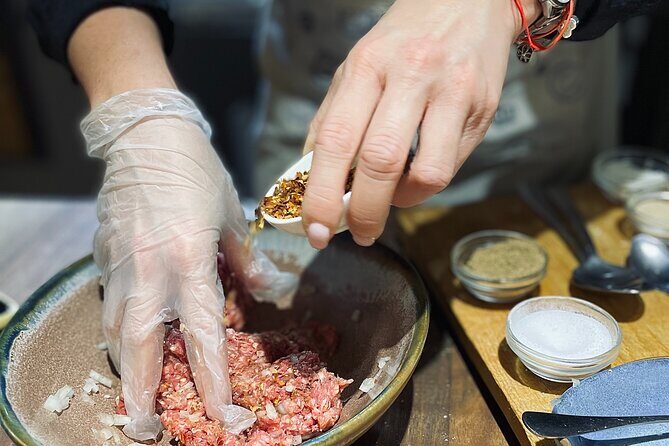
- Khinkali shaping practice, with the classic pinch-and-fold technique
- Restaurant hall setting, which keeps it comfortable and sociable rather than messy
The Heart of Tbilisi in a 2-Hour Cooking Window
This is the kind of class that fits real travel life. You’re not committing to an all-day tour, and you’re not stuck on a long bus schedule. In about two hours, you learn two of Georgia’s best-known comfort foods, then you get to sit down and eat them as a group.
The setting matters. The workshop happens inside the restaurant hall, which keeps the energy relaxed. You’re mixing dough, learning techniques, and chatting while the restaurant supports the background work that can’t be done at your table. If you’ve ever taken a cooking class where you’re waiting around for ingredients or tools, this one generally feels like it flows with you, not against you.
At the same time, I’d go in with expectations that match the format. This isn’t a silent, apron-on cooking sprint where every step is done at a station behind you. It’s a guided workshop plus a meal, with some preparation done along the way and the cooking process kept behind closed kitchen doors for sanitary reasons.
Other Tbilisi city tours we've reviewed in Tbilisi



What You’ll Make: Khinkali vs. Imeretian Khachapuri
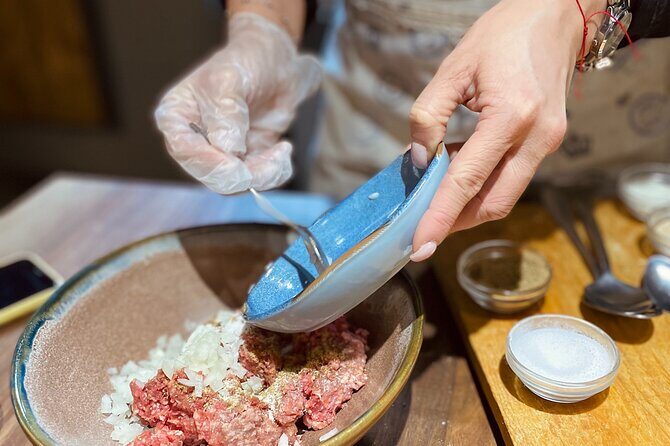
The class centers on two dishes, and they’re very different in both technique and personality.
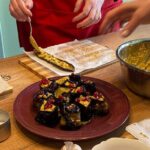
Khinkali are Georgian dumplings with a signature sealed top. The chef explains the dough approach for khinkali and then you practice the shaping. In practice, you’ll spend time sculpting the dumplings to the traditional look—the folded cinched “pouch” shape that’s instantly recognizable.
Khachapuri here is Imeretian style—cheesy, fragrant, and designed to feel homey rather than fancy. You’ll prepare the khachapuri dough and the filling, spread cheese, and bring it toward readiness. The result is the warm, savory bread-and-cheese comfort Georgia does so well.
A nice bonus is that the lesson is focused on basics with room for mistakes. People come away feeling like they could make these again at home, not just that they watched someone cook. That’s the real value in a class like this: you leave with muscle memory, not just a full belly.
Inside the Restaurant Hall: How the Class Actually Runs
Most cooking classes advertise hands-on, but the true test is what you’re doing in real time. Here, the “hands-on” part is strong where it counts: mixing, assembling, spreading, and shaping.
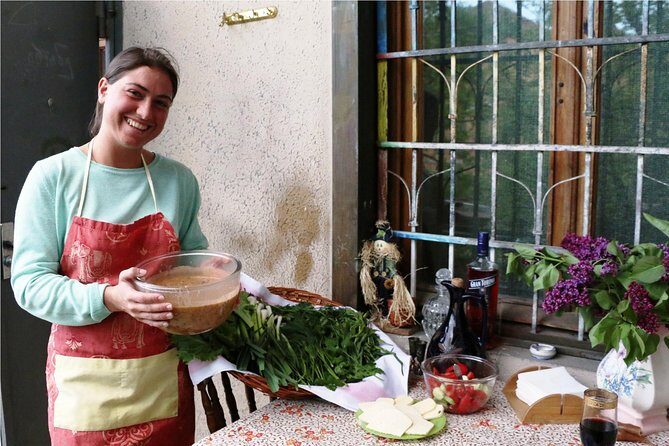
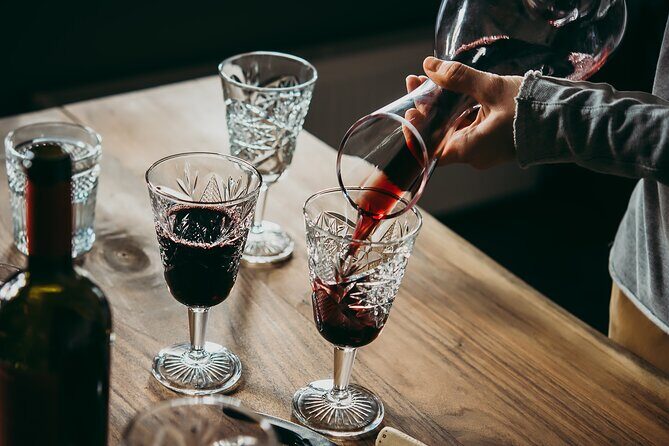
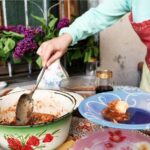
You’ll start with a welcome spread that sets the tone. The class treats you to Georgian wine, a vegetable salad built from memorable Georgian tomatoes, and a plate of farm cheeses. This matters because it turns the workshop into an actual meal experience, not a demo with a few bites at the end.
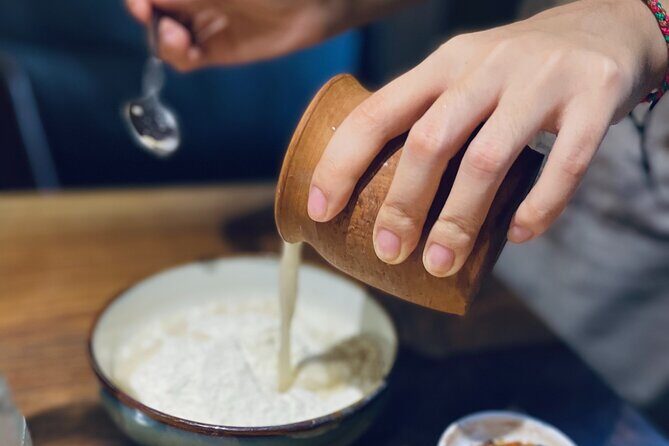
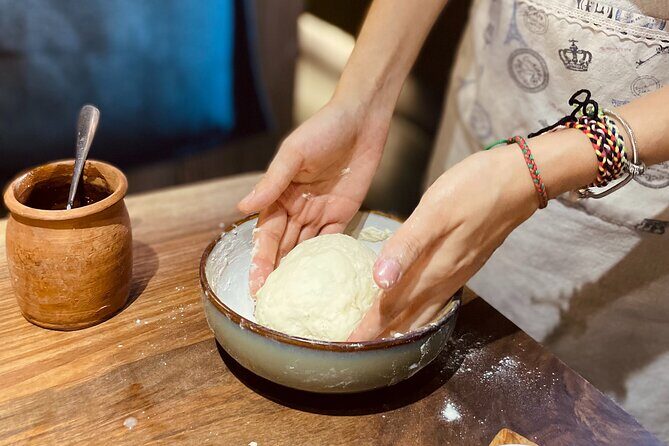
Then the chef-led instruction kicks in. You’ll get guidance on dough for khinkali and you’ll learn how to prep khachapuri components—especially the dough and the filling. After that, you’ll do the work: you shape khinkali and assemble the khachapuri so it’s ready for the next stage handled by the restaurant.
One extra thing that shows up in the best experiences: the chef adds stories while you cook. The class blends cooking with historical and tasty details about Tbilisi, plus plenty of humor. In one case I’ve seen described, the instructor even tied the lesson to Georgian traditions around feasts and toasts. If you like food storytelling, this kind of pacing makes the time fly.
The Food Side: Wine, Cheese, Salad, and a Real Dinner
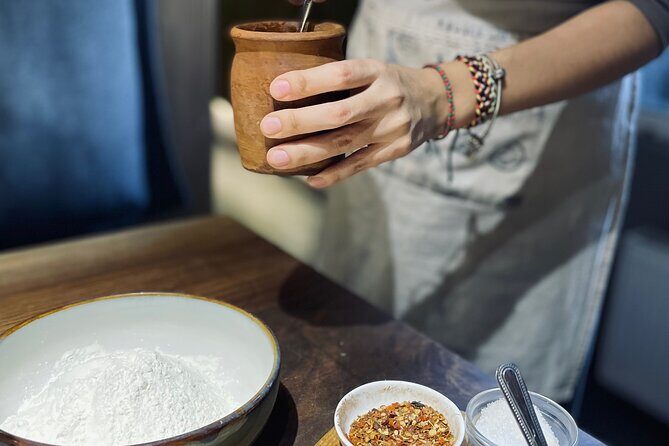
If you’re worried this is just “snacks while you learn,” don’t. The class is built around a full meal arc. You’ll get wine plus a cheese platter and salad before your dishes come together. Then you eat what you prepared.
A few details to note:
- The salad is built from Georgian tomatoes, which are the kind of flavor that makes even simple meals taste alive.
- The cheese platter is farm cheese, not a sad afterthought.
- The food you make is treated like dinner, not a tasting.
For your planning, I’d treat this as a meal replacement. People also recommend coming hungry. You’ll be eating dumplings and cheesy bread you helped make, so you’ll leave properly satisfied.
Wine is included, but there’s one practical consideration. In some experiences, only red wine was provided, which can be a problem if you avoid red. If that’s you, it’s smart to ask in advance or right at the start what’s available.
Instructors, Personality, and Step-by-Step Clarity
A big reason this class earns repeat praise is the teaching style. The chef/instructor is typically patient, friendly, and willing to explain the process in a way beginners can follow. Many people mention clear step-by-step instructions, plus a sense of humor that keeps it from feeling stiff or overly technical.
You may meet instructors with names like Vladimir, Artem, or Sewa. Different classes bring different personalities, but the common thread is the same: they talk you through the process and keep you engaged while you’re working with dough and filling.
If you want to get the most out of it, use the time for small questions. The class format gives you real contact with the instructor during the shaping steps. That’s where you can ask what matters most for the final look and texture.
Other Georgian cooking classes we've reviewed in Tbilisi


Group Size: Why “Small” Usually Helps (and When It Can Shift)
The experience is designed for small groups, with a maximum of 6 travelers. That cap is exactly what makes shaping dumplings and assembling bread less stressful. With fewer people, the chef can watch your technique and correct it before you lock in a bad fold.
Still, it’s worth being realistic about peak seasons. Some people have reported larger-than-expected groups, including situations that felt closer to a bigger class. When that happens, the pacing can change and you might spend more time waiting for the next table-to-restaurant handoff.
How I handle this as a traveler: I arrive a bit early, keep my expectations flexible, and focus on what you can control—your learning, your questions, and your final meal. Even when group sizes swell, the core experience is still centered on making khinkali and khachapuri and eating them right there.
Timing and Meeting Point in Downtown Tbilisi
You meet at St.Bunny31 on Griboedov St in Tbilisi. It’s in a central downtown area, which makes the class easy to plug into your day.
The class runs for about 2 hours. In some reviews, timing slipped a little in certain cases, with the session starting later than scheduled. This isn’t something I’d bet your whole afternoon on. If you have a hard next commitment, I’d plan extra buffer time.
Also, because the workshop sits in a restaurant hall setting, you’ll want to dress for real weather. On hot days, inside/outside conditions can be uncomfortable for some people, so loose clothing and water are smart.
Value Check: Is $27.50 Worth It?
At $27.50 per person, this class is one of the better food experiences for budget-conscious travelers in Tbilisi. Here’s why it feels like value:
- You’re paying for instruction, not just ingredients. You learn how to shape dumplings and assemble cheesy bread.
- You’re also paying for a full food-and-drink meal structure: wine, cheese, salad, and what you cook.
- The experience is short enough that it doesn’t demand an entire day’s schedule.
If you’re comparing it to a restaurant meal only, the price becomes even easier to justify. You’ll leave with two dishes you made yourself, plus the social time and the food storytelling that happens while you’re cooking.
Who Should Book This Cooking Class
This workshop is best for you if:
- You want a hands-on food experience without a full-day commitment.
- You like learning by doing and then eating right away.
- You’re traveling solo and want a small group setting to meet people.
- You’re bringing kids, because the class is described as friendly and beginner-friendly, with the meal coming included.
It may be less ideal if:
- You expect a full kitchen experience where every step happens in front of you at a cooking station.
- You want strictly guaranteed max group size during high season.
- You have strong preferences about wine type and need specific options.
Should You Book the Small-Group Khinkali and Khachapuri Workshop?
Yes, I’d book it if your goal is simple: learn two classic Georgian dishes in a relaxed downtown setting and eat a real meal made by you.
The strongest reasons to go are the small-group feel (usually), the included wine/cheese/salad, and the guided khinkali shaping plus Imeretian khachapuri assembly. Go with the right expectations—that it’s not a full kitchen takeover—and you’ll get exactly what you came for: a fun afternoon, solid food skills, and a table full of Georgia.
FAQ
How many people are in the group?
The class is limited to a maximum of 6 travelers, which helps keep the instruction personal and paced.
How long is the cooking class in Tbilisi?
It lasts about 2 hours.
Where does the class start?
The meeting point is St.Bunny31 on Griboedov St in Tbilisi, Georgia.
What’s included with the class?
You’ll receive Georgian wine, a vegetable salad, a farm cheese platter, and the khinkali and khachapuri you prepare.
Is the class offered in English?
Yes, the class is offered in English.
Is the cooking class held in the kitchen?
No. The workshop takes place inside the restaurant hall, not in the kitchen.
Can I cancel and get a refund?
Yes. Free cancellation is available up to 24 hours before the experience’s start time for a full refund.