REVIEW · TBILISI
Uplistsikhe, Mtskheta and Jvari – historical private day tour from Tbilisi
Book on Viator →Operated by Real Georgia Tours · Bookable on Viator
You can go from pagan rock-cut city to Georgian Christianity to Stalin-era Georgia without changing hotels. This private day tour strings together the big historical hits around Tbilisi: Uplistsikhe (cave town), Mtskheta (holy Christian sites), and Jvari (the cliff monastery), plus Gori for the Soviet chapter.
Two things I really like about this experience are the calm, private pacing and the way the day is explained. You get a professional English-speaking guide who helps the sites make sense in story order, and you also get private A/C transfers so you’re not wrestling with schedules between stops.
One thing to keep in mind: Uplistsikhe involves uneven surfaces with elevation, so you’ll want comfortable, not slippery shoes. If you have mobility limits, this is the portion that will matter most.
In This Review
- Key highlights at a glance
- How the day flows from cave city to UNESCO churches
- Private transport and guide style: why it feels easier than DIY
- Uplistsikhe Cave Town: 2 hours in a rock-cut city
- Mtskheta and Svetitskhoveli: where Georgia’s Christianity story gets visible
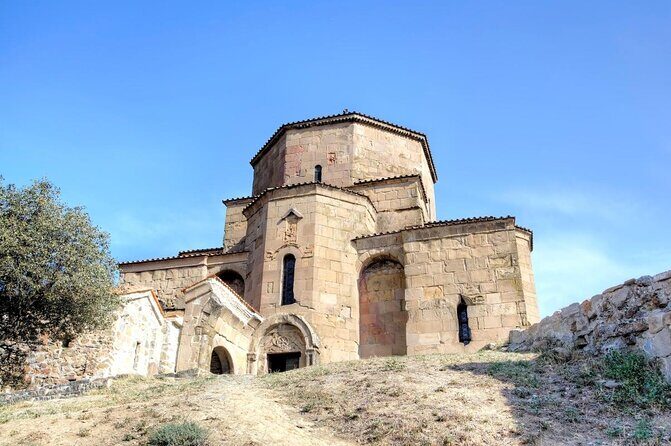
- Jvari Monastery: the cliff stop you’ll remember for the view
- Gori Fortress and Stalin’s birthplace: Soviet history with local context
- Optional organic winery lunch: the break your legs will thank you
- Price and value: what $149 per person really covers
- Who this tour fits best (and who might skip it)
- Practical tips so you have a smoother day
- Should you book this Uplistsikhe, Mtskheta and Jvari private day tour?
- FAQ
- How long is the tour?
- Is pickup included?
- What sites are included in the day?
- Are entrance fees included?
- Is there an option for food or wine?
- Can I choose not to visit the Stalin Museum?
- What should I wear for Uplistsikhe?
- Is there free cancellation?
Key highlights at a glance
- Uplistsikhe Cave Town: admission included, plus plenty of climbing to work up those wow photos
- UNESCO Christian sites in Mtskheta: Svetitskhoveli and Samtavro are where the story turns toward Christianity
- Jvari’s cliff setting: short stop with big “how did they build this here?” views
- Gori Fortress: Soviet history context tied directly to Stalin’s birthplace
- Optional organic winery stop: you can add lunch or wine where the day naturally needs a break
- Small-group feel, private vehicle: only your group rides, with an English guide doing the heavy lifting
How the day flows from cave city to UNESCO churches
This tour is built for people who like history, but not people who want to spend the day sprinting. Expect about 7 to 8 hours with a private car, guided narration, and a logical route across Eastern Georgia’s major eras.
The time rhythm is simple: longer blocks where you need them (Uplistsikhe and Mtskheta), then shorter “hit it and get the view” stops (Jvari and Gori). That structure matters, because it helps you enjoy the sites instead of just collecting stamps on a phone screen.
You’ll also move in a comfortable, air-conditioned vehicle, which is a real quality-of-life win in Georgia’s summer heat. And with a mobile ticket included, you avoid that extra “where do I find my paper ticket” stress when you’re already thinking about ancient stones.
Other Mtskheta tours we've reviewed in Tbilisi
Private transport and guide style: why it feels easier than DIY
A private tour works when the driving and timing are handled well, and this one includes pickup offered plus door-to-door private transfers in a clean car with A/C. That means you can start the day without figuring out public transport routes or translating schedules on the fly.
The guide makes the difference. In groups from Real Georgia Tours, names like Zurab, Luka, and Temo come up for a reason: they’re praised for turning the sites into a clear narrative. I’d pay attention to that if you’re the type who likes details—because you’ll get explanations for things you might otherwise glance past, especially at Uplistsikhe where the “what am I looking at?” moments are common.
You’ll also benefit from the private format: only your group participates. That keeps questions from getting swallowed by the noise of a big bus crowd, and it’s easier to take short pauses for photos when the light is good.
Uplistsikhe Cave Town: 2 hours in a rock-cut city
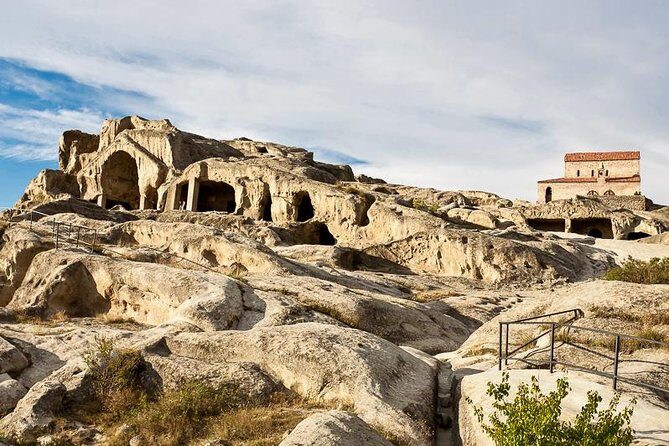
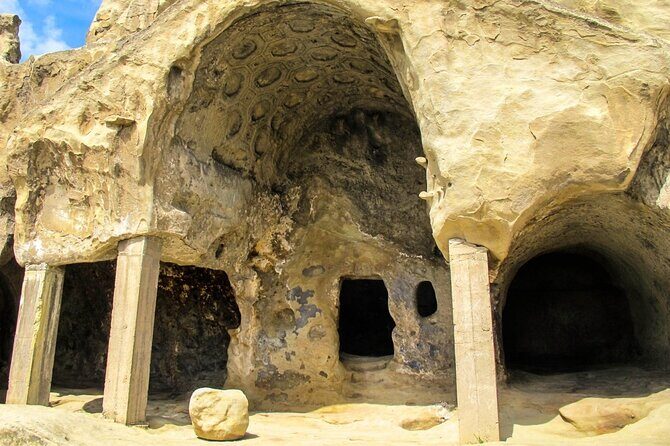
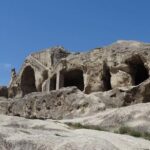
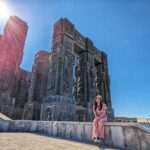
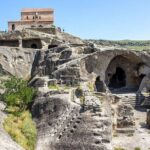
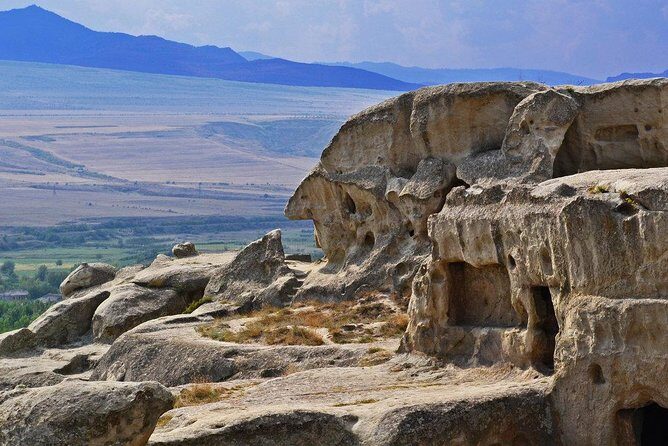
Uplistsikhe is one of those places where your imagination does half the work. The ruins sit in the rock and follow the natural contours of the hillside, so it feels less like sightseeing and more like stepping through layers of occupation.
You get about 2 hours here, and admission is included. Plan on a good amount of uneven walking and some elevation changes. It’s not a museum floor—this is the real deal, with rocky paths and stairs that can be slick if the ground is wet.
What makes this stop special is the scale of the story. Uplistsikhe was once a local center of pagan culture and a city with more than 20,000 residents. Standing among what’s left, you start to see why people still love photographing the rock textures and openings—because the setting is naturally dramatic.
A practical tip: wear shoes with grip, and expect to climb a bit. The “fun climbing” feeling is part of why people remember the day, but you’ll enjoy it more if your feet are comfortable.
Mtskheta and Svetitskhoveli: where Georgia’s Christianity story gets visible
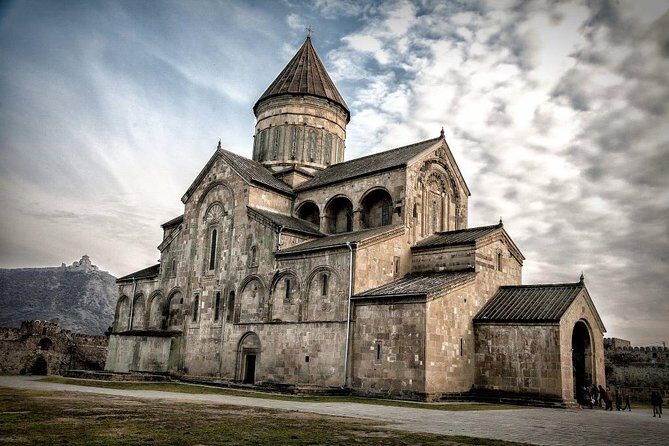
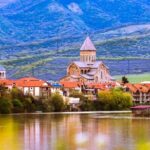
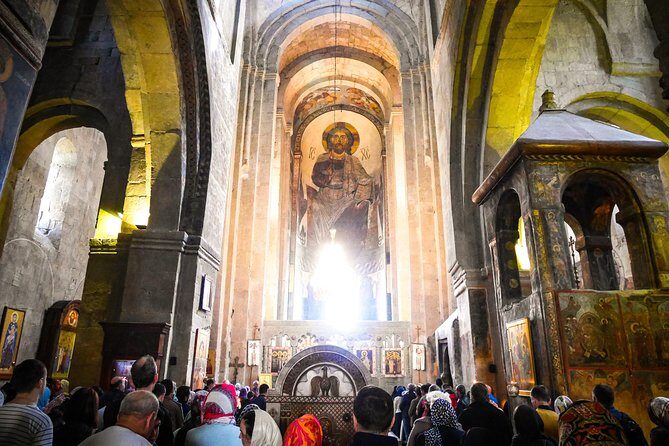
After the cave city, the mood changes. Mtskheta is the cradle of Georgian Christianity, and the visual clues are right in front of you—churches that look like they were built to last, not just built to impress.
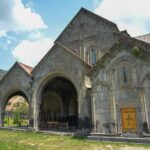
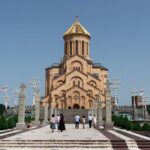
You’ll spend about 2 hours in this area, with key religious sites included in the experience. This part centers on Svetitskhoveli cathedral (Church of the Holy Cross) and the convent of Samtavro, tied to St. Nino. Even if you don’t read a single plaque, the place helps you understand why this region matters: it became a starting point for the Christianization of Georgia, and you can still feel that importance in the way the sites are positioned and designed.
Drawback? It’s a religious site stop, so expect a steady pace of people and quiet rules around visiting churches (dress and behavior norms are common at these places). It’s not hard, but it can slow your photos if you’re trying to shoot quickly.
The upside is that this isn’t only about “pretty churches.” It’s about seeing how power and belief show up in stone. With a guide explaining the connections—capital, conversion, and the religious figures tied to the sites—you’ll walk away with a clearer timeline than you’d get from guidebook reading alone.
Jvari Monastery: the cliff stop you’ll remember for the view
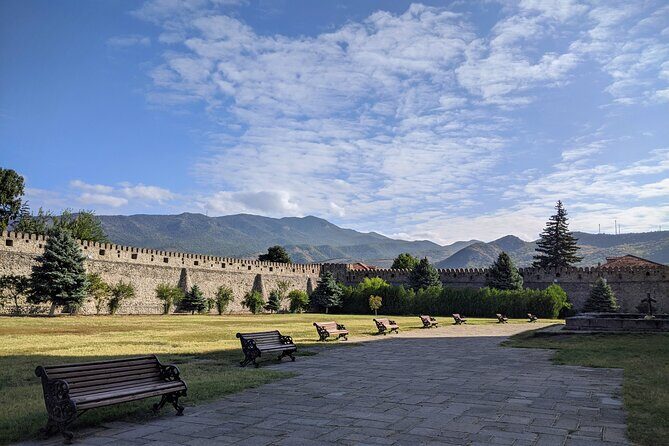
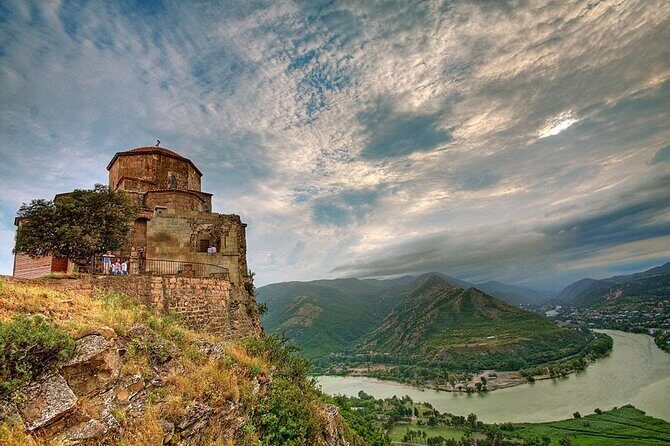
Jvari is short on time and big on impact. You’ll have about 45 minutes here, and entrance is free.
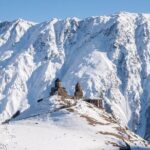
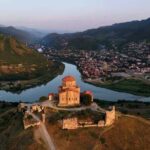
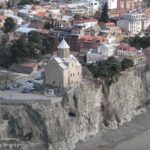
The monastery sits on a cliff overlooking Mtskheta and the rivers of Mtkvari and Aragvi, with mountains in the distance. That location isn’t just scenic—it’s strategic. A cliff gives you a dramatic sense of place, and the rivers underline why Mtskheta mattered historically: routes, trade, and connection between regions.
Because the visit is relatively brief, you’ll want to be ready when you arrive. If you linger too long at the entrance area before taking in the overlooks, you can end up wishing you had more time for one last look.
This is also a great stop to slow down even if you’re not a “monastery person.” Even people who aren’t into religious architecture often find Jvari compelling because the view does the storytelling for you.
Other Uplistsikhe cave tours we've reviewed in Tbilisi
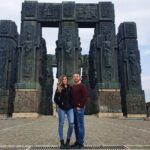
Gori Fortress and Stalin’s birthplace: Soviet history with local context
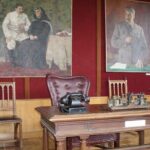
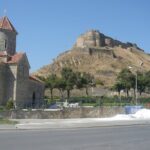
After Christianity and pagan legends, the day shifts again—into Soviet atheism and the political history that followed. Gori is famous for being the hometown of Joseph Stalin, and the tour includes a stop at the Gori Fortress.
You’ll have about 45 minutes here, with admission included. This segment is shorter than the UNESCO stops, but it’s valuable because it gives you a local anchor for a topic that’s easy to talk about in theory. Instead of reading about Soviet leaders from far away, you stand in a place tied to the birth and early life story.
A consideration: this part is emotionally heavier for some people. If you prefer upbeat, purely architectural sites, Gori might feel like a detour into difficult memory. For most visitors, though, it adds balance—and helps the day feel like a real sweep through 20th-century history, not just ancient stones.
Optional organic winery lunch: the break your legs will thank you
Long history days need a reset, and this one offers options through an organic winery stop. The tour description mentions optional wine tastings at an organic winery, and it also lists a lunch at the organic winery as an optional included element.
If you choose it, plan on using this time to recharge rather than rushing through lunch while you watch the clock. You’ll likely eat at a point where your energy is starting to dip—after Uplistsikhe’s climbing and before the last stretch into Gori.
One more smart move: if you’re interested in wine culture, this is a more grounded way to add Georgian flavor than trying to fit a restaurant stop during transit. You’ll have a structured window that’s tied to the tour schedule.
Price and value: what $149 per person really covers
At $149 per person, this tour isn’t the cheapest way to see Mtskheta and the surrounding sites. But it’s also not “pay for nothing.” You’re getting several cost-saving pieces stacked together.
Here’s what the price is effectively buying you:
- A professional English-speaking guide for the whole day
- Private transfers in a comfortable, A/C car
- All entrance fees as per the itinerary (with some sites free on their own)
- A structured day length of about 7 to 8 hours, so you’re not constantly reorganizing plans
- An option for lunch at an organic winery, plus other optional tastings mentioned
In plain terms: if you were to DIY this with taxis, paid entrances, and the time cost of figuring out local logistics, the price often starts to feel fair—especially for a private experience where your group sets the pace.
Also, the tour notes group discounts and a mobile ticket, which can make it easier to manage for groups or families.
Who this tour fits best (and who might skip it)
This is a strong match if you want a single day that covers major eras without turning into a stressful checklist.
You’ll likely enjoy it if you:
- Like history stories, especially when they connect pagan, Christian, and Soviet chapters
- Want comfort between stops, not just “getting there”
- Are the type who appreciates clear explanations for what you’re seeing
- Don’t mind some physical effort at Uplistsikhe
You might think twice if you:
- Have issues with uneven, rocky surfaces (Uplistsikhe is the key challenge)
- Need a slower pace with minimal climbing
- Prefer only one historical era and would rather spend more time in fewer places
Practical tips so you have a smoother day
If you want the day to feel fun instead of tiring, focus on the practical stuff you can control.
- Wear comfortable, not slippery shoes for Uplistsikhe.
- Bring a light layer. Churches and monasteries can feel cooler than the road outside.
- Plan your photo strategy: Jvari is quick, so decide in advance that you’ll spend your best time looking over the rivers first.
- If you’re sensitive to topics like Soviet leadership history, mentally prepare for a more serious tone during the Gori stop.
And one small mindset shift: treat this as a guided storytelling route. If you go with that attitude, you’ll remember the connections between places, not just their names.
Should you book this Uplistsikhe, Mtskheta and Jvari private day tour?
Yes—if you want one day that genuinely connects the big themes of Eastern Georgian history. The combination of Uplistsikhe’s dramatic ruins, Mtskheta’s central Christian sites, Jvari’s cliff panorama, and a Soviet-era stop in Gori creates a route that feels more complete than most day trips.
I’d say book it if you value a private car + English guide + entrance fees handled, because that’s where the real value shows up. It’s also a great pick if you like learning from guides—especially ones like Zurab, Luka, or Temo who are known for making the sites click with explanation and attention to detail.
You might skip it if you want minimal walking or if the idea of a heavier Soviet history stop doesn’t appeal. But for most visitors, this is a well-paced, high-impact day where the effort pays off with views, architecture, and a clear timeline.
FAQ
How long is the tour?
The tour runs about 7 to 8 hours.
Is pickup included?
Pickup is offered, and you’ll use private transfers in a comfortable car with A/C.
What sites are included in the day?
The tour covers Uplistsikhe Cave Town, Mtskheta (including the Church of the Holy Cross and Samtavro area), Jvari Church, and Gori Fortress.
Are entrance fees included?
Entrance fees are included as per the itinerary. Uplistsikhe and Gori Fortress include tickets, while the churches at Mtskheta and Jvari are listed as free.
Is there an option for food or wine?
Yes. There’s an optional lunch at an organic winery, and the tour also mentions optional wine tastings at an organic winery.
Can I choose not to visit the Stalin Museum?
Yes. Tickets to the Stalin Museum (optional) are not included.
What should I wear for Uplistsikhe?
Uplistsikhe has uneven surfaces with elevation, so comfortable, not slippery shoes are recommended.
Is there free cancellation?
Yes. You can cancel for a full refund up to 24 hours in advance of the experience start time.