REVIEW · TBILISI
Wine Tasting in Tbilisi
Book on Viator →Operated by Gamarjoba Georgia Tours · Bookable on Viator
Four wines, one hour, and big stories. I love the four glasses of wine and chacha stop in old Tbilisi, and I also like that the tasting comes with an English, visual, interactive talk from Gamarjoba Georgia Academy. One possible drawback: it is a fast evening—if you want a long, slow wine lesson, this format will feel a bit short.
You’ll be in a comfortable space with a professional lecturer (12 years of experience) and a small group of up to 15 people, starting at 7:30 pm from Avlabari. Expect water and a dry fruit board too, so you’re not just chasing alcohol with nothing to steady the evening.
In This Review
- Key Highlights
- First Sips in Old Tbilisi: What This 1-Hour Wine Night Really Feels Like
- Price and Value: What $9 Buys You in Real Terms
- Your Tastings: Four Wines, Chacha, and a Water-Friendly Pace
- The Lecture That Makes It Worth Staying: Wine Meets Myth and Art
- What You’ll Learn About Georgia’s Everyday Cultural Mix
- Comfort Matters: The Space, the Visuals, and the English Advantage
- Where You Start: Avlabari and the 7:30 PM Timing
- Who This Tour Suits Best (and When to Skip It)
- Practical Details That Make It Easier to Plan
- Should You Book This Tbilisi Wine Tasting?
- FAQ
- Where does the wine tasting start?
- What time does the experience begin?
- How long is the experience?
- What is included in the tasting?
- What kind of lecture is included?
- Is the lecture in English?
- How many people are in a group?
- Is it a mobile ticket?
- Can I get a full refund if I cancel?
Key Highlights
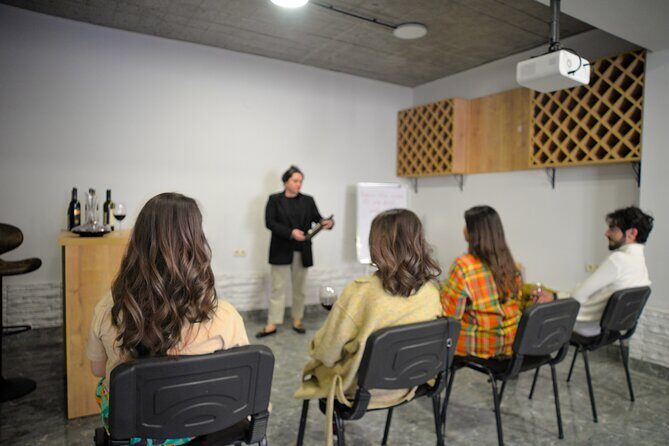
- Four wine glasses plus chacha served as part of the experience in old Tbilisi
- English visual and interactive lecture that connects wine to Georgian culture
- Topics include Georgian mythology, Kolkhida, and the Golden Fleece
- The talk also covers Tbilisi architecture and religious, mystical wall paintings
- Small group size, up to 15 travelers, for a more relaxed feel
First Sips in Old Tbilisi: What This 1-Hour Wine Night Really Feels Like
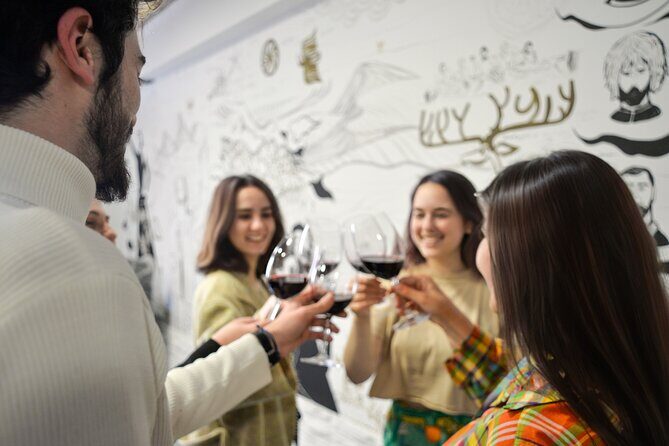
This isn’t a “stand around and sip” tour. It’s a planned evening where the tasting and the story are designed to work together, so you leave with more than a buzz and a nice glass. You’ll start in the Avlabari area of Tbilisi, then shift your focus toward old Tbilisi as the wine shows up and the lecture begins to make it all click.
I like how the pacing is built for real life. One hour (about) is long enough to taste, listen, and get your bearings, but short enough that you’re not sacrificing your whole night. If you’re in Tbilisi for just a day or two, this kind of compact experience can be a win.
You’ll also see the “small-group advantage” in practice. With a maximum of 15 people, you’re not lost in the crowd. It’s easier to pay attention during the visual parts, and you get that feeling of being in the room with other people who actually want to learn.
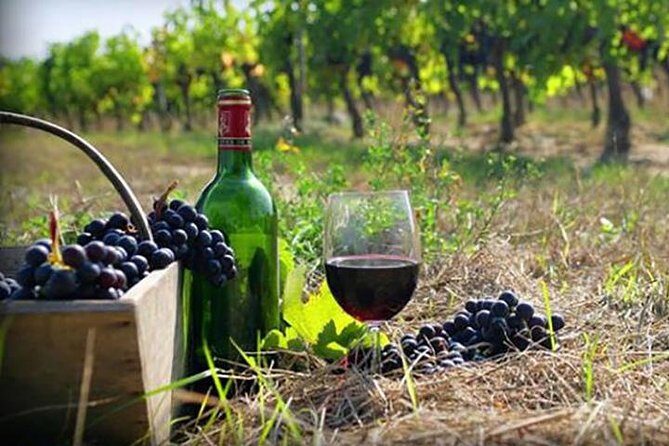
The alcohol plan is straightforward. You’ll have four glasses of wine, plus a shot of traditional chacha. Add a bottle of water and a dry fruit tasting board, and it’s set up as a proper tasting moment rather than random sampling.
Other wine tasting tours we've reviewed in Tbilisi



Price and Value: What $9 Buys You in Real Terms

At $9 per person, this is priced like a casual add-on—yet the structure is more thoughtful than you might expect at this cost. You’re getting four wine glasses and a shot of chacha, not just one pour. You’re also getting an hour-long visual, interactive lecture plus water and a dry fruit board.
So what’s the real “value” here? It’s the mix. Wine tastings can be either purely sensory (taste, compare, repeat) or purely educational (history, art, myth). This one tries to do both in one sitting, and it focuses on how Georgia’s stories and beliefs show up in everyday life—including how people talk about wine.
It helps that the tour includes a professional lecturer with 12 years of experience. That matters because the difference between an okay lecture and a good one is usually clarity and pacing. With an English, visual format, you can follow the themes without needing to be a scholar first.
Also, the tour is often booked about 11 days in advance on average, which hints that it’s a popular evening slot. That’s not a guarantee, but it’s a good sign you’re not picking something that quietly disappears when demand spikes.
Your Tastings: Four Wines, Chacha, and a Water-Friendly Pace
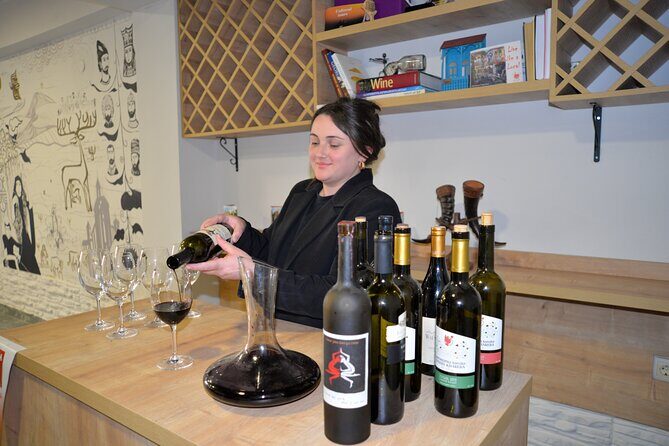
Let’s talk about what lands in your glass. You’ll get four glasses of wine plus a shot of chacha. On paper, that’s a simple list. In practice, it’s a tasting arc: multiple pours let you compare, while the chacha shot gives you a stronger sense of Georgia’s spirit culture.
You’ll also be offered a bottle of water and a dry fruit tasting board. This combination is practical. Water keeps you comfortable while you listen. Dry fruit gives you something to chew that isn’t heavy, so you can stay engaged during the lecture rather than feeling sluggish.
The key thing: the tour does not try to turn this into a marathon. It’s designed to fit within about one hour, which means you can enjoy the tasting and walk away without needing recovery time.
If you’re sensitive to alcohol or you just don’t want to drink that much, plan your evening accordingly. You’ll be in an environment built around tasting, so there’s no “skip your pours and just watch” option implied in the info.
The Lecture That Makes It Worth Staying: Wine Meets Myth and Art
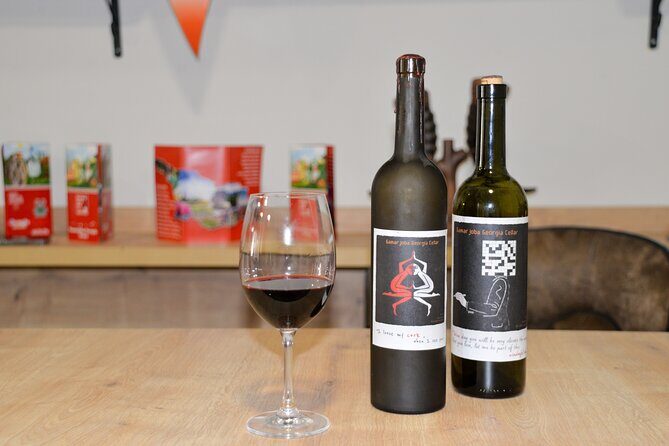
What makes this experience stand out is the lecture topics. This isn’t general trivia. The talk touches the big cultural threads that shape how Georgians explain their world—and it links those ideas back to what you’re tasting.
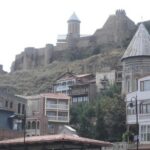
You can expect Tbilisi and its architecture to show up, which is useful if you’re walking around the city later and want to recognize what you’re seeing. Even a quick visual orientation helps you read neighborhoods and buildings with more confidence.
Then there’s the mythology side. The lecture includes Georgian mythology, along with Kolkhida and the Golden Fleece. Those aren’t random references. They connect to how Georgia frames legend, identity, and old stories that still influence modern cultural life.
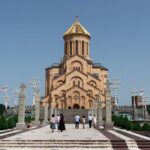
On top of that, the talk includes Georgia’s religious, mystical wall paintings. That’s a fascinating angle because it shifts the frame from “myth as entertainment” to “myth as belief and art.” If you’ve ever wondered why religious scenes look the way they do—or how symbols carry meaning over time—this is the kind of topic that can give your brain a new map.
And because it’s visual and interactive, you’re not stuck listening to someone read. You’re seeing the ideas, getting them in context, and likely getting questions or participation during the flow. The goal is understanding, not just hearing facts.
What You’ll Learn About Georgia’s Everyday Cultural Mix
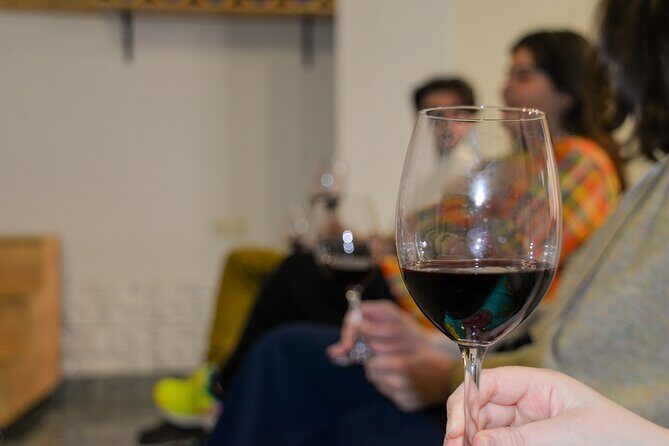
The lecture also aims at how ancient habits and legends show up in modern everyday life. That phrasing matters. It means you’re not only getting old-world information. You’re being shown why these stories stay relevant.
I especially like the way wine gets treated as part of the culture, not just a beverage. When someone connects wine to belief systems, myth, and the way people interpret art and history, tasting becomes more meaningful. You stop thinking, Is this sweet or dry? and start thinking, Why does this style fit this tradition?
If you’re the kind of traveler who likes to understand the “why” behind what you see—food, architecture, religious art—you’ll probably enjoy the structure. If you prefer wine education that stays strictly in glass-by-glass tasting notes, the lecture approach may feel more story-driven than you expect.
Other Tbilisi city tours we've reviewed in Tbilisi





Comfort Matters: The Space, the Visuals, and the English Advantage
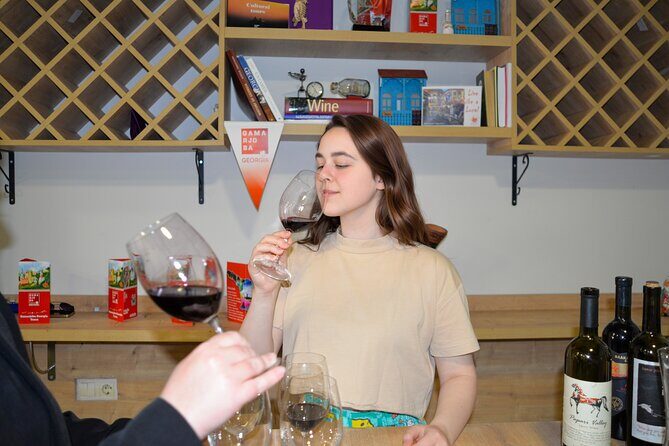
The setting is described as comfortable, which is a big deal when you’re pairing alcohol with a lecture. You want to sit somewhere you can actually focus. Visual lectures need seating and sightlines, and a comfortable room helps people stay attentive instead of fidgety.
The talk is in English, which opens it up for visitors who don’t read Georgian. And since the info is visual and interactive, it’s easier to follow even if you’re tired from sightseeing earlier.
One more practical factor: the group size is capped at 15 travelers. Smaller groups tend to be calmer, and that matters for an interactive format. You’re more likely to hear what’s being said and less likely to feel like you’re being swallowed by a crowd.
Where You Start: Avlabari and the 7:30 PM Timing
You meet at Avlabari, Tbilisi, Georgia, and the tour starts at 7:30 pm. It ends back at the meeting point. That loop is useful because it keeps the plan tidy. You’re not left wondering how you’ll get back after a drink and a lecture.
The meeting point is described as near public transportation, which helps a lot in a city where you might be walking more than you planned. If you’re coming in from another part of Tbilisi, you can likely stitch this into your evening without long detours.
Timing-wise, 7:30 pm is a sweet spot. It’s early enough that you can still enjoy the rest of the night after, but late enough that you’re done with daytime sightseeing energy and ready for something more relaxed.
Bring the normal basics: comfortable shoes if you’re walking around old areas beforehand, and a light layer if evening air cools off on you. The tour itself is about an hour, but you’ll still be out before or after depending on your schedule.
Who This Tour Suits Best (and When to Skip It)
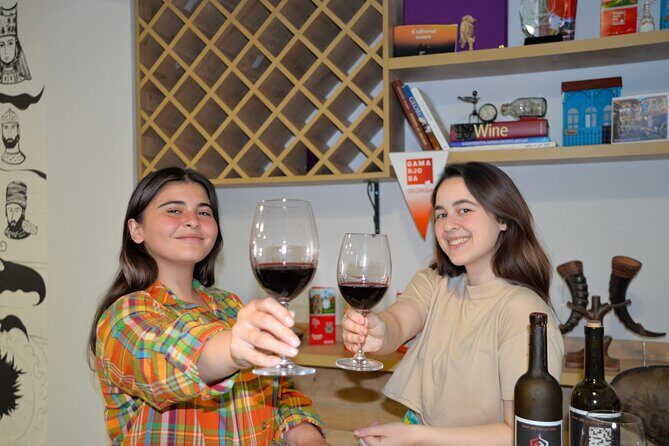
This experience fits best if you want a cultural evening that includes drinking—but not in a chaotic way. You’ll get the alcohol portion (four glasses of wine and a chacha shot) and you’ll also get context about Georgian myth, religion, and the city.
It’s also a strong option if you:
- Like explanations that connect art, architecture, and stories to daily culture
- Enjoy English lectures and don’t want to piece things together on your own
- Prefer a small group format (up to 15 people)
- Want a compact activity that works even if you have limited time
When might you pass? If your main goal is wine tasting in the technical sense—deep varietal breakdowns, long comparisons, or extended pours—this may feel too short and too story-forward. It’s meant to teach culture and meaning as much as taste.
Also, remember there’s alcohol in the plan. Even if you pace yourself, you’ll be in a tasting environment.
Practical Details That Make It Easier to Plan
A few logistics points that help you avoid last-minute stress:
- Duration: about 1 hour
- Ticket: mobile ticket
- Group size: maximum 15 travelers
- Includes: four glasses of wine, a shot of chacha, a bottle of water, a dry fruit board, and a 1-hour visual, interactive lecture
- Language: English
- Provider: Gamarjoba Georgia Tours, with the lecture delivered by Gamarjoba Georgia Academy
- Start/End: Avlabari at 7:30 pm, returning to the meeting point
If you’re booking, plan to reserve it with some lead time. Average booking is about 11 days in advance, which suggests it’s not always easy to grab a spot last minute.
Should You Book This Tbilisi Wine Tasting?
Yes—if you want an efficient, culturally rich evening that doesn’t require a full itinerary rewrite. The best reason to book is the combo: you get actual tastings plus a structured, English visual lecture that covers Tbilisi, Georgian mythology, Kolkhida and the Golden Fleece, and religious mystical wall paintings. That mix is hard to beat for the price.
Book it when you:
- Want one evening activity that feels both social and thoughtful
- Prefer small groups over big crowds
- Like learning in a visual, interactive way
Skip it if you only want a long, technical wine class, or if you’d rather avoid alcohol entirely. For most visitors, though, this is a smart way to spend an hour in Tbilisi—drinking, learning, and leaving with stories you can carry into your next walk through the city.
FAQ
Where does the wine tasting start?
It starts at Avlabari, Tbilisi, Georgia.
What time does the experience begin?
The start time is 7:30 pm.
How long is the experience?
It lasts about 1 hour.
What is included in the tasting?
You’ll get four glasses of wine, a shot of chacha, a bottle of water, and a dry fruit tasting board.
What kind of lecture is included?
A 1-hour visual, interactive lecture is included.
Is the lecture in English?
Yes, the lecture topics are delivered in English.
How many people are in a group?
The tour has a maximum of 15 travelers.
Is it a mobile ticket?
Yes, the tour includes a mobile ticket.
Can I get a full refund if I cancel?
Yes. Free cancellation is available, and you can cancel up to 24 hours in advance for a full refund. If you cancel less than 24 hours before the start time, it is not refunded.