REVIEW · TBILISI
7-Day Georgian Wine and Culinary Private Tour with Cooking Class
Book on Viator →Operated by Traffic Travel LLC · Bookable on Viator
Georgian wine tastes better when you learn the story. This 7-day private food and wine tour strings together vineyards, monasteries, and table-to-table lessons about why Georgian cuisine works. You’ll also get the kind of pacing that makes you feel like you’re moving through the country, not just checking boxes.
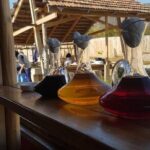
I really liked how much you do with your senses. You get multiple wine tastings plus a hands-on Georgian cooking class, so you’re not just watching from the sidelines.
One thing to consider: the days are full, with plenty of driving and early starts. If you’re the type who wants long, slow museum time, you’ll need to keep expectations realistic.
In This Review
- Key highlights worth the hype
- Tbilisi start at 9:00 pm: how the trip kicks off
- Day 1: Sarajishvili brandy, Chateau Mukhrani, and your first Georgian cooking lesson
- Kakheti day trip: Chavchavadze, Alaverdi, Gremi, and the wine cellar crawl
- Day 3 in the tasting rhythm: churchkhela, Teliani Valley, Shumi, Signaghi, and Pheasant’s Tears
- Kutaisi and the cave town: family cellar tastings, Uplistsikhe, Stalin’s museum, Gelati
- Racha: Bugeuli and the family cellar near Ambrolauri, plus Barakoni Monastery
- Shaori Lake, Nikortsminda Cathedral, Prometheus Caves, then Kutaisi city time
- The final return: upper Imereti Road, Katshki Pillar, Mtskheta, Jvari, then a gala in Tbilisi
- Price and value: is $784.62 per person fair?
- What’s included vs not: how to budget your extras
- The pace and comfort: driving time, group size, and staying energized
- Who this tour fits best
- Should you book this private wine-and-cooking route?
- FAQ
- What’s the tour duration and starting point?
- How much does the tour cost?
- Is it a private tour, and how many people can be in a group?
- What’s included in the price?
- What’s not included?
- Where are you staying?
- What’s the cancellation policy?
Key highlights worth the hype
- Max 6 people per booking means the tour stays personal and you can actually ask questions at tastings
- Private minivan transport keeps winery hops and monastery stops feeling efficient
- Master cooking class gives you a repeatable skill, not just a meal
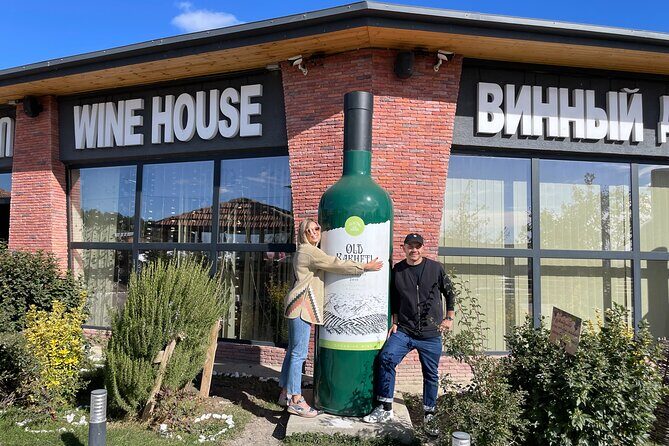
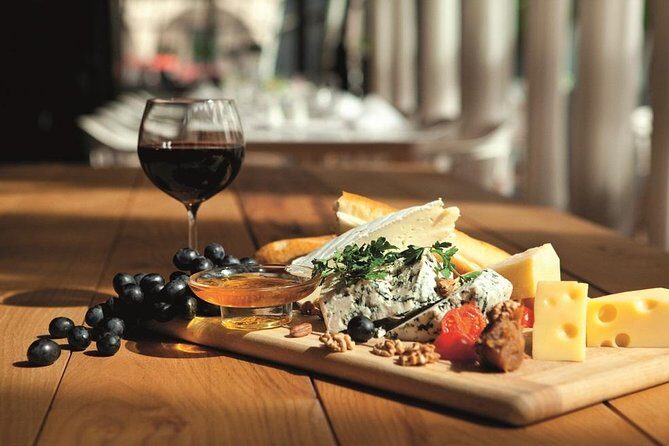
- Underground and former bomb-shelter wine tastings add a very Georgian twist
- Multiple regions in one trip: Kakheti, Kutaisi area, Racha, and the return via Mtskheta
- Gala dinner and national folk show is a strong finish in Tbilisi
Tbilisi start at 9:00 pm: how the trip kicks off
This tour begins in Tbilisi at 9:00 pm, and that matters for your planning. Evening starts are great if you’re already in town and want to get moving immediately, but it does mean you might land with a packed first night.
You travel in a climate-controlled, air-conditioned minivan, and because the tour is private, you’re not stuck with a big crowd rhythm. The upside is comfort and flexibility. The tradeoff is you’ll spend plenty of time in the vehicle, so pack like you’re going on a road trip.
Your group size is capped at six, which usually helps with two things: you learn more because you can talk to the guide, and the schedule doesn’t get smothered by waiting. You also have round-trip private transfer, plus bottled water and fuel surcharge covered, which cuts down on annoying logistics.
Other Georgian cooking classes we've reviewed in Tbilisi



Day 1: Sarajishvili brandy, Chateau Mukhrani, and your first Georgian cooking lesson
Your first day sets the tone: spirit production, vineyard meals, and then real food skills. You start with a stop at the Sarajishvili brandy factory, which is a useful introduction because Georgian drinking culture isn’t only about wine. It’s also about craft, aging, and the long relationship between people and fermentation.
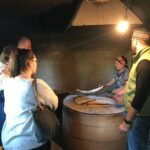
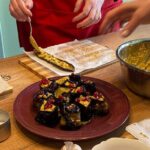
Next comes Chateau Mukhrani, a restaurant with its own vineyard, where you can taste their wines and get a feel for how Georgian producers talk about terroir. After lunch, you head into a masterclass where you learn how to cook Georgian delicacies. This is the part I’d call the best value for most people: once you’ve cooked one or two classic dishes, you’ll recognize flavors later in your own travels.
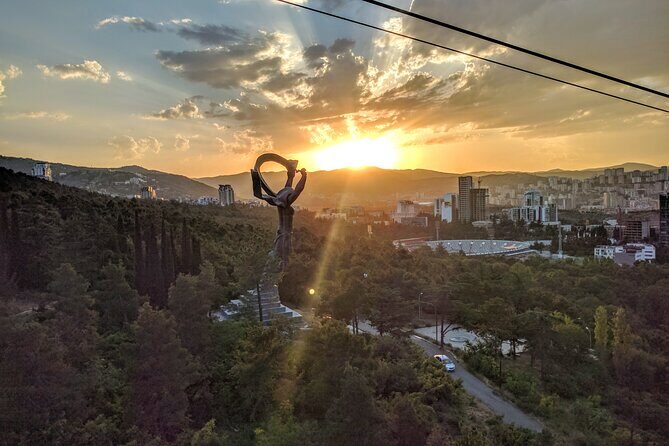
The day ends back in Tbilisi with a traditional Georgian feast at Barbarestan, described as a home-style restaurant using seasonal ingredients in a stylish district. That combination is smart. You get both the food and the cultural “where it happens” feeling, instead of eating in a tourist bubble.
Kakheti day trip: Chavchavadze, Alaverdi, Gremi, and the wine cellar crawl
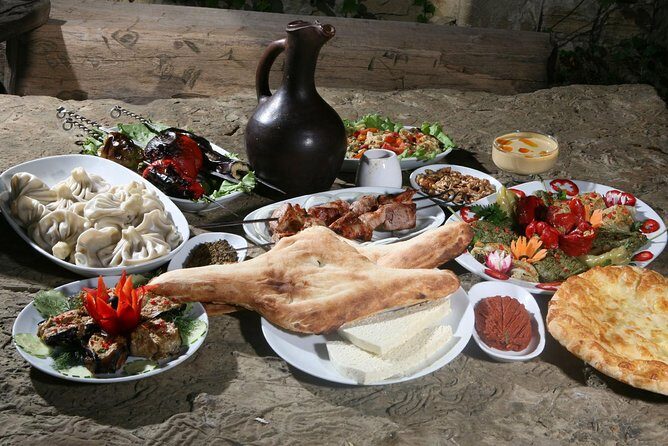
On day two you leave Tbilisi for Kakheti, Georgia’s eastern wine region. The big win here is variety. You’re not only tasting wines; you’re also seeing the religious and estate landscape that shaped how wine is made and celebrated.
The itinerary includes the Alexander Chavchavadze Estate Museum in Telavi, plus Alaverdi Monastery and Gremi Monastery. Even if you’re not a history person, these stops give you context for why so many vineyards cluster near cultural centers. It’s easier to understand the wine when you see what the landscape was built to support.
Then you move back into tasting mode. At Twins Wine Cellar in Napareuli, the setting is rustic and museum-like, which helps you understand wine as heritage, not just a product. You continue at Ikano Winery for lunch and wine tasting, giving you a more modern “estate restaurant” angle.
One of the most memorable stops is Khareba Winery, famous for being in a former bomb shelter. The tasting happens in an underground tunnel setting, and that alone changes the whole vibe of a wine visit. You taste in a place built for protection, with cool air and low light—very different from a bright tasting room, and a great reminder that conditions are part of the final flavor.
Day 3 in the tasting rhythm: churchkhela, Teliani Valley, Shumi, Signaghi, and Pheasant’s Tears
Day three keeps you in Kakheti longer, but it’s built around food moments as much as wine. You start by savoring churchkhela, a traditional sweet made from grape juice. It’s a small bite with a big payoff: you taste grapes in a form that feels closer to pantry tradition than candy.
You then have a wine tasting at Teliani Valley Winery, followed by a masterclass at Shumi Winery. If day one’s cooking class taught you the “how,” this second lesson helps you connect the cooking to the region’s products. Even if you don’t remember every instruction perfectly, you’ll leave with a better sense of what Georgian cooks expect from ingredients.
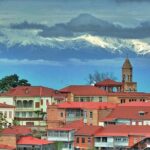
Next is Signaghi, known for its red-roofed look and its role as a wine-region center. It’s a good break from production buildings and structured tastings—more street atmosphere, photo time, and a chance to walk off the schedule a bit.
Later you visit Pheasant’s Tears Winery for interpretive modern cuisine paired with a rich wine selection. The meal approach here is useful to understand Georgia today: classic grapes and methods, but served with a contemporary restaurant mindset.
The afternoon includes sampling local bread and cheese, and then you return to Tbilisi in the evening for another classic-style Georgian feast at Barbarestan. This repetition isn’t lazy; it’s a chance to compare what you’re learning with what you’re eating, both in the same city.
Kutaisi and the cave town: family cellar tastings, Uplistsikhe, Stalin’s museum, Gelati
On day four you travel west toward Kutaisi, and the focus shifts slightly. The wine is still there, but now it’s paired with places that feel older, stranger, and more dramatic.
In Kutaisi you visit a family wine cellar for tasting. That’s a contrast worth paying attention to: estate wineries tend to feel polished; family cellars often feel personal, like someone is showing you their own hard work. The guide’s job here is to translate what you’re seeing into wine language you can carry home.
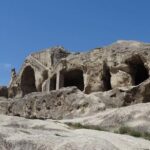
Then you go to Uplistsikhe, an ancient cave town. It helps to think of it as a city carved for people to live and survive. Walking through it gives you perspective on how landscapes shape culture, including food storage and travel routes.
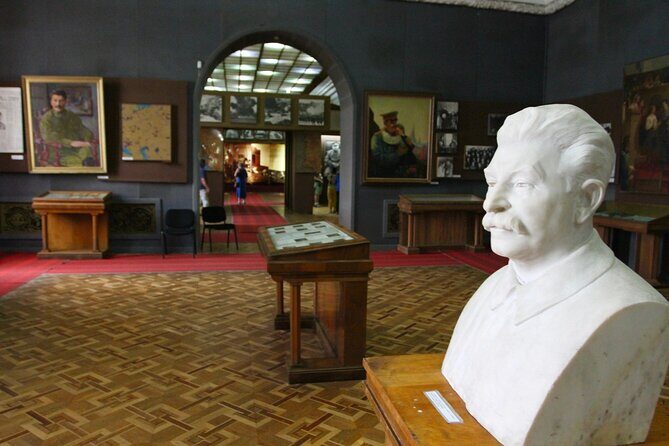
You also stop at Stalin’s museum, which is not for everyone, but it adds a layer to Georgia’s 20th-century story. Right after Uplistsikhe, it can feel like you’re jumping time periods fast. That’s part of why a guided schedule works: you don’t waste energy figuring out what to prioritize.
The day ends with Gelati Monastery, a medieval stop that offers a strong, grounded finish. It’s a good way to close out a wine-and-food day because monasteries tend to represent continuity—people preserved traditions for generations.
Other Tbilisi food tours we've reviewed in Tbilisi





Racha: Bugeuli and the family cellar near Ambrolauri, plus Barakoni Monastery
Day five takes you to Racha, a northern wine region known for rugged scenery and smaller-scale production. The first wine stop is Bugeuli Winery, and then you move on to a family wine cellar near Ambrolauri. If you like tasting with context, this is where you’ll feel it. Family cellars often make wine talk less like a marketing pitch and more like a lived craft.
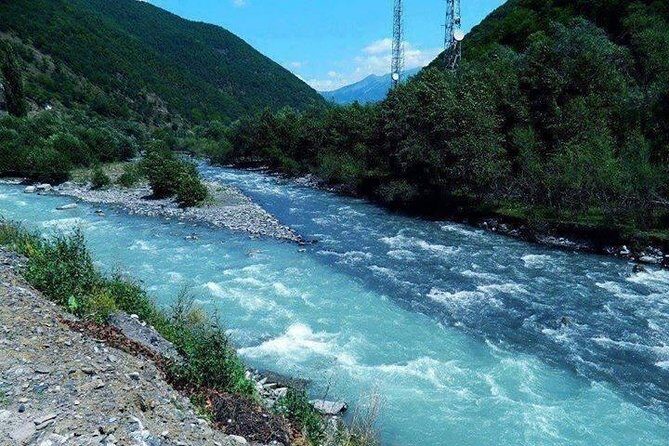
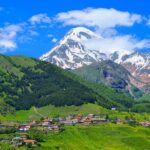
Between those tastings, you visit Barakoni Monastery, described as tucked between wild green mountains. The monastery stop is more than a photo break. It gives you breathing space, a chance to reset your brain, and a reminder that wine regions aren’t only vineyards—they’re also religious sites, water sources, and community anchors.
You overnight in Oni, a historic town. Sleeping here rather than back in a larger city helps the trip feel more like “being in the region,” not just visiting it.
Shaori Lake, Nikortsminda Cathedral, Prometheus Caves, then Kutaisi city time
The sixth day is mountain-lifted and scenic. You go to Shaori Lake, described as clear and high in the mountains, then visit Nikortsminda Cathedral, a stop tied to an 11th-century site.
After that, you head to Prometheus Caves. Caves are one of those experiences that can feel touristy in the wrong hands, but with the rest of your itinerary it works well. You’ve already been moving through wine cellars and underground spaces, so seeing geology and climate effects in a cave setting feels like a natural extension.
You then return to Kutaisi for a city tour. That’s smart because you’re not closing the trip with only scenic stops. You also get a local feel for the city, which helps you connect the cultural dots between wine production, old architecture, and modern daily life.
The final return: upper Imereti Road, Katshki Pillar, Mtskheta, Jvari, then a gala in Tbilisi
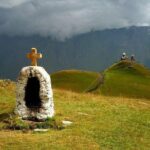
Your last day brings a scenic drive back to Tbilisi via upper Imereti Road. One of the standout stops is Katshki Pillar, a natural limestone formation with a church perched on top. It’s exactly the kind of place that makes you understand why Georgia keeps pulling people back: small moments like this feel carved into the country’s identity.
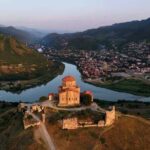
You then stop in Mtskheta, the ancient capital, to see Svetitskhoveli Cathedral and Jvari Monastery. Svetitskhoveli is noted as the second-largest church in the country, and Jvari sits on a cliff edge, which gives it that dramatic, postcard geometry.
After you return to Tbilisi, the tour ends with a gala dinner and a national folk show. It’s a fitting finish. After a week of wine cellars and kitchens, you’re handed a cultural performance that ties together food, ritual, and identity.
Price and value: is $784.62 per person fair?
At $784.62 per person for a 7-day private tour, you’re paying for three things that usually cost extra when booked separately: private transport, guide time, and structured tasting + food programming.
Here’s what you’re getting that supports the value:
- 6 nights of accommodation in 3-star hotels or guesthouses
- Breakfast and dinner plus meals and activities built into the itinerary
- Wine tasting and food tasting multiple times
- Round-trip private transfer and an air-conditioned minivan
- Bottled water and the basic operational costs like taxes, fees, and fuel surcharge
What you’re not getting: any drinks not specified and food/drinks beyond what the itinerary includes. Also, the tour is priced as a private group, capped at six, so you’re essentially buying a guided route with built-in access.
If you want to travel independently, you can absolutely plan vineyards and monasteries on your own. But you’d be coordinating tastings, driving time, and language support while also trying to arrange cooking classes. For many people, the convenience is the real bargain.
What’s included vs not: how to budget your extras
Included items cover the core of the trip: breakfast and dinner, tastings, guide support, transport, and your lodging. That means your daily costs should stay predictable.
Not included: “food and drinks, unless specified.” That’s normal for tours. In practice, it means you should expect to pay for any extra lunches, snacks, or drinks that are not explicitly part of the covered meals.
Practical tip: when you arrive at a winery, tastings often come with a set of included samples. If you want to buy bottles, factor that into your budget. Georgian wines can be a bit of an impulse purchase when someone explains the differences clearly.
The pace and comfort: driving time, group size, and staying energized
This is a tight 7-day schedule. You move between wine regions and major sights, and your days include tastings plus sightseeing plus meals. That’s ideal if you love variety and don’t want to map your own route.
The comfort level is reasonable because you’re in a climate-controlled minivan and the tour is organized into logical chunks: city intro, Kakheti tastings, western historic stops, then mountain-region experiences, finishing with major religious sites.
What to pack is simple:
- Comfortable shoes for cave towns and monastery steps
- Light layers for changing mountain-to-city temperatures
- A small day bag for bottles if you buy wine
- Charge your camera battery. You’ll use it.
Also, the tour notes that most travelers can participate and service animals are allowed, so it’s generally built for a broad range of visitors.
Who this tour fits best
This is a great fit if you want a guided food-and-wine curriculum. You’ll enjoy it most if you:
- Like tastings but also want the culture behind them
- Learn best by cooking, not only by reading
- Prefer a small group over the chaos of big buses
- Want to see multiple regions without spending your vacation on logistics
It may feel intense if you want very slow days, long museum time, or lots of free wandering without the planned stops.
Should you book this private wine-and-cooking route?
If you like Georgia for what it serves and how it tastes, I think this booking makes sense. The standout value is the combination of repeatable cooking skills plus wine tastings across different kinds of producers—from estate settings to family cellars—and even underground tastings in Khareba’s tunnel setting. Add in the religious and historic stops, and you get a trip where food isn’t just a side quest.
If you’re hoping for lots of downtime, this isn’t that kind of itinerary. But if you want to come home with better instincts for Georgian flavors, a deeper sense of how the regions connect, and a full memory-card of moments (churches on cliffs included), this tour delivers.
FAQ
What’s the tour duration and starting point?
It’s a 7-day tour that starts in Tbilisi, Georgia, with the start time listed as 9:00 pm.
How much does the tour cost?
The price is $784.62 per person.
Is it a private tour, and how many people can be in a group?
Yes, it’s a private tour, with a maximum of 6 people per booking.
What’s included in the price?
Included items are 6 nights of accommodation, breakfast and dinner, food tasting and wine tasting, bottled water, guides (local and professional), hotel pickup and drop-off, round-trip private transfer, and transport by an air-conditioned minivan.
What’s not included?
Food and drinks are not included unless they’re specified in the itinerary.
Where are you staying?
Accommodation is provided for 6 nights in 3-star hotels or guesthouses.
What’s the cancellation policy?
Free cancellation is available up to 24 hours in advance of the experience start time for a full refund. Changes made less than 24 hours before the start time aren’t accepted.