REVIEW · TBILISI
Nana’s Kitchen – traditional Georgian cooking class at real Georgian family home
Book on Viator →Operated by Nana's Kitchen · Bookable on Viator
A Georgian cooking class in a real home feels different. Nana’s Kitchen turns dinner into a lesson: you cook with Nana and family, then eat it in a proper Supra tradition. I love the warm, patient teaching that keeps you moving from chopping to tasting without feeling rushed. I also love how the night is built around both food and the hosting ritual, so you understand what makes a Georgian feast more than just a meal. The one drawback: this is an evening activity (meeting around 7:00 PM), so you’ll want a calm day beforehand.
What makes it practical is the structure: a short intro, hands-on cooking, then a traditional feast dinner, all in about three hours. It’s offered in English, and it’s a private experience for your group, so you’re not stuck watching from the sidelines.
You’ll leave with a recipe booklet so you can actually recreate the dishes back home, not just remember the flavors. And if you’re choosing dishes based on what’s available, keep in mind one key course has a seasonal switch.
In This Review
- Key things that make Nana’s Kitchen worth your time
- A Real Georgian Home in Tbilisi, Not a Set-Menu Workshop
- Your Evening Plan: about 3 hours starting around 7:00 PM
- Supra Explained the Way Georgians Actually Live It
- Cooking Five Georgian Dishes: hands-on, with real guidance
- Starter: Traditional Spinach Paste
- Main: Red Peppers with Walnut and Spice Mix
- Main: Fried Eggplants with Walnuts
- Main (seasonal): Chakapuli or Chakhokhbili
- The fifth dish you’ll cook
- Teaching Style: warm, patient, and built for learning
- The Supra-Style Dinner: what you cook becomes the meal
- What you take home: recipes you can actually use
- Price and value: is $110 per person fair?
- Who should book Nana’s Kitchen (and who might hesitate)
- Quick decision: should you book this class?
- FAQ
- How long is Nana’s Kitchen?
- What time does the class run?
- Where do we meet for the class?
- Is the class in English?
- What’s included besides cooking?
- What dishes will I learn?
- Is it a private experience?
- Can I get a refund if I cancel?
Key things that make Nana’s Kitchen worth your time
- A real family home setting where you learn by doing, not by watching
- Homemade Georgian wine from family vineyards to start the evening
- Supra training, meaning how hosting, toasting, and dining work in Georgia
- Five dishes you cook yourself, with a seasonal choice between chakapuli and chakhokhbili
- A proper Supra-style dinner at the end of class, not a token bite
- A take-home recipe booklet, plus you might even get pantry-friendly extras
A Real Georgian Home in Tbilisi, Not a Set-Menu Workshop
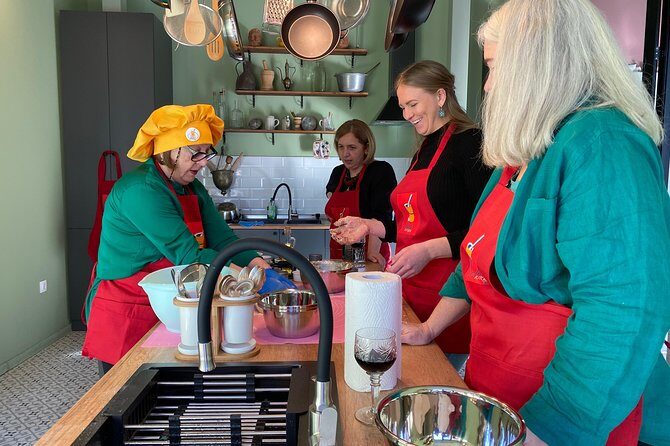
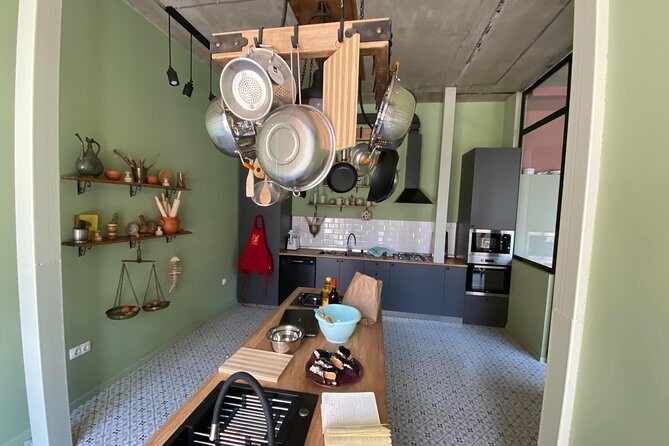
Nana’s Kitchen is the kind of class that makes you feel like you’re invited, not ticketed. You’re in a family home environment, and the teaching style matches it: friendly, relaxed, and direct. Even better, the kitchen setup is made for learning. People don’t linger at the back of the room trying to figure out what to do. You’re given steps, then you cook.
That homey feel matters because Georgian food rewards attention. The flavors are bold, but a lot of the payoff comes from technique and timing: how you layer spices, how you handle herbs, and when to stop cooking so nuts and sauces don’t turn flat.
And yes, the dinner part isn’t an afterthought. You’re set up to eat like it’s Georgia: together, with structure, and with the hosting spirit baked in. I like that you’re learning the culture of the table along with the recipes.
Other Georgian cooking classes we've reviewed in Tbilisi


Your Evening Plan: about 3 hours starting around 7:00 PM
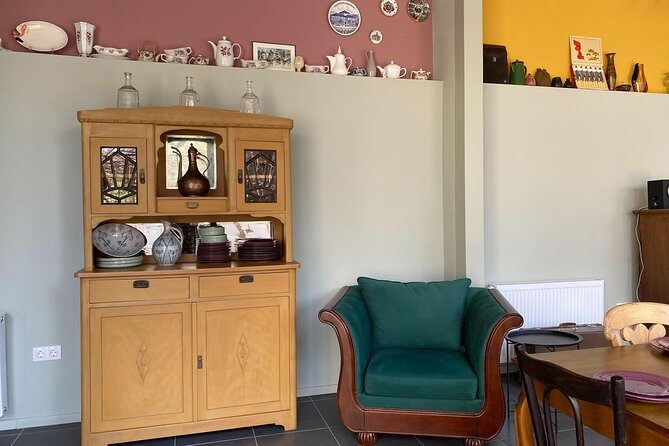
This is scheduled as an evening class. The listed hours run Monday through Friday from 7:00 PM to 11:00 PM, with the activity lasting about three hours. The format is simple: you meet, you cook, you eat, then you head back to the meeting point.
Why this timing matters: you’ll want an easy evening pace so you can actually focus while you’re chopping, stirring, and learning. If you’re racing from another tour to this one, you’ll feel rushed in the kitchen. If you can slow down and arrive on time, the experience clicks.
The meeting point is at 26 Guram Rcheulishvili St, Tbilisi 0179. It’s also near public transportation, which helps if you don’t want to depend on taxis all week.
Supra Explained the Way Georgians Actually Live It
Supra is the Georgian tradition of hosting a feast. It’s not just food on a table—it’s the rhythm of the meal: how people come together, how wine and toasts fit in, and how hospitality shapes the whole evening.
What you get here is the “why,” not only the “how.” You start with a glass of homemade Georgian wine from the family’s vineyards, then you get an intro to Supra and the influences behind Georgian cuisine. That matters because it gives your dishes context. When you understand the hosting tradition, you also understand why sauces, herbs, and nuts show up again and again across the menu.
I also appreciate that the class doesn’t treat Supra like a museum topic. It’s taught as a living tradition that connects food, conversation, and celebration. One of the best parts is that you’re not only learning recipes; you’re learning how to recreate the feeling of a Georgian party at home.
Cooking Five Georgian Dishes: hands-on, with real guidance
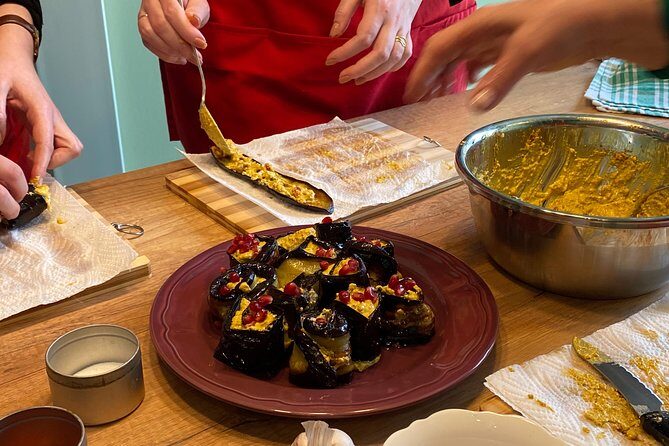
The class is designed for you to cook your own food. You’ll be working through demonstrations and then following guidance step by step. This is the part where the small-group setup pays off. You get attention when something needs correcting, and you’re not stuck waiting for the instructor to finish explaining to everyone else.
You can expect dishes along these lines (the exact plan includes five dishes total, and at least these examples show up in the sample menu):
Starter: Traditional Spinach Paste
You start with a classic-style spinach preparation. This is the kind of dish that teaches you how Georgian flavor builds: you’re not just cooking spinach, you’re creating a paste-like texture with the right seasoning balance. It’s a good first step because it shows how Georgian cooking leans on herbs and spice depth from the start.
Other cooking classes in Tbilisi



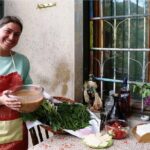
Main: Red Peppers with Walnut and Spice Mix
This is Georgia’s sweet-heat and nutty satisfaction combo. The walnut-spice mixture is where a lot of the flavor personality lives. You learn how the spices and nuts work together so the dish tastes complex even though the ingredients are straightforward.
Main: Fried Eggplants with Walnuts
Eggplant takes on a different mood when it’s fried and then paired with walnuts. This dish is great for learning how Georgia uses texture: crisp edges, tender interior, and a nut-based sauce that coats instead of overwhelms. If you’ve only had eggplant as something bland or watery before, this changes your mind fast.
Main (seasonal): Chakapuli or Chakhokhbili
One main course is seasonal, with your choice coming down to chakapuli (veal in tarragon) or chakhokhbili. Either way, it’s a chance to learn how herbs are treated as a core ingredient, not a garnish. Tarragon in particular signals that Georgian food can be aromatic without being fussy.
The fifth dish you’ll cook
The full class plan includes five dishes total, but the sample menu lists four named dishes. So plan on a fifth recipe on the night—typically something that pairs well with the rest of the meal and reinforces the techniques you’ll want to repeat later.
Teaching Style: warm, patient, and built for learning
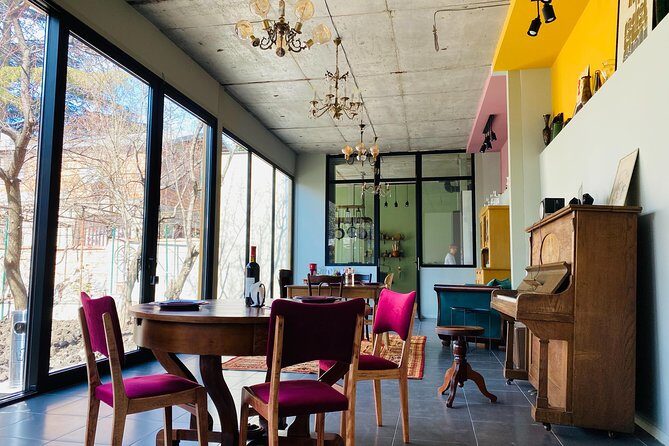
This class shines because the instruction feels like family coaching. Nana and family members keep things friendly and welcoming, and they explain what you’re doing in a way that makes sense even if you don’t cook much at home.
You’ll also notice how the group stays engaged. People aren’t just standing around. The learning is hands-on and paced so you can actually taste-test along the way. In a few experiences, Nana’s daughter Nina is part of the teaching team, and the vibe stays supportive—lots of patience while you get the steps right.
I like that the teaching includes small bits of ingredient origin and history. Not a lecture. Just enough context to help you remember what matters: the herbs, the spice blends, and the cooking logic behind each dish.
The Supra-Style Dinner: what you cook becomes the meal
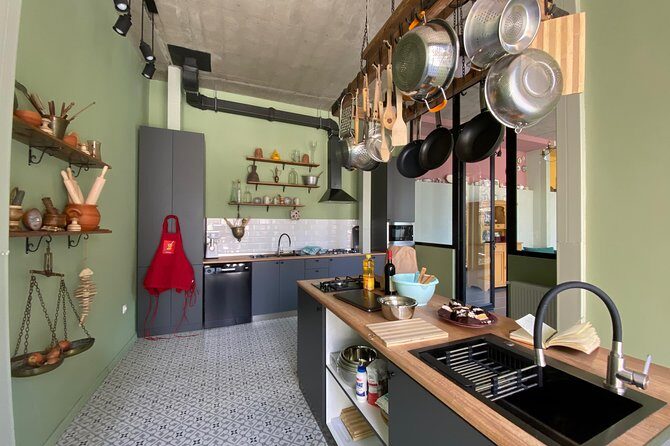
After cooking, you sit down for dinner in a traditional manner of Supra. This is where you get the full experience. You don’t cook, then immediately leave. You eat together like it’s part of the celebration.
Think of it as a restaurant meal plus a cooking workshop, but in the most practical order: you understand what you made before you taste it as a finished feast. That makes it easier to judge flavors, notice texture changes, and learn the small adjustments you’ll want to repeat at home.
It also helps you see how Georgian dining works as a social event. You’re not just consuming. You’re participating.
What you take home: recipes you can actually use
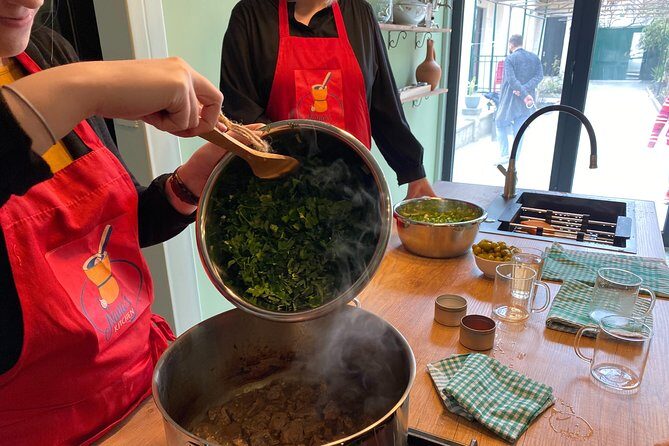
At the end, you receive a recipe booklet with the dishes you made. That’s the difference between a cooking class you remember and one you can repeat. The format is meant for home cooking, so you can use it as a guide when you’re buying ingredients and planning your own dinner.
Some people also leave with practical extras such as spices to remake starters and food packaged for take-home. Even if you don’t plan a huge grocery run when you get back, that kind of carry-home can turn this into a multi-meal souvenir instead of a single-night memory.
Price and value: is $110 per person fair?
At $110 per person for about three hours, the value comes from what’s included, not just the cooking time.
Here’s what your ticket supports:
- A full evening experience, not a quick demo
- Cooking with guidance while learning multiple Georgian recipes (five dishes)
- A start with homemade Georgian wine
- A Supra-style dinner that matches the feast theme
- A take-home recipe booklet
In other words, you’re paying for the whole night: teaching, ingredients handled during class, wine, and dinner. If you’re the type who likes eating well and learning how to reproduce flavors at home, $110 makes sense. If you want only a light tasting or you’re strict about avoiding wine, your value will feel more limited.
Also, this class is popular and is booked about 15 days in advance on average. If you’re traveling mid-week in a high-demand season, you’ll want to lock in dates sooner rather than later.
Who should book Nana’s Kitchen (and who might hesitate)
This class fits you best if:
- You like hands-on cooking and want real instruction, not a passive show
- You want a cultural experience tied to dining traditions, not just recipes
- You’re excited to learn how to build a Georgian Supra-style meal at home
- You’re traveling with a partner or family and want an intimate setting
You might hesitate if:
- Your evenings are packed and you can’t commit to a longer, structured 3-hour block starting around 7:00 PM
- You want a strict vegetarian-only menu (the sample menu includes meat options, and at least one dish is seasonal with veal)
- You dislike wine as part of the start (it is included as a glass of homemade wine)
Quick decision: should you book this class?
Book it if you want one of the best kinds of cooking experiences: a real family-home night where you cook, learn Supra hosting, then eat the result as a proper Georgian feast. The recipe booklet and the hands-on steps make it easier to bring the flavor home.
Skip or rethink it if your schedule is tight or you’re only looking for a quick snack and photo moment. This is for people who enjoy sitting down, cooking carefully, and understanding what makes the table tradition tick.
FAQ
How long is Nana’s Kitchen?
It runs for about 3 hours.
What time does the class run?
The listed hours are Monday to Friday from 7:00 PM to 11:00 PM.
Where do we meet for the class?
You meet at 26 Guram Rcheulishvili St, Tbilisi 0179, Georgia. The activity ends back at the meeting point.
Is the class in English?
Yes, it’s offered in English.
What’s included besides cooking?
You start with a glass of homemade Georgian wine, you cook multiple Georgian dishes, and you end with a dinner served in a traditional Supra style. You also receive a recipe booklet.
What dishes will I learn?
The class focuses on five Georgian dishes. The sample menu includes Traditional Spinach Paste, red peppers with walnut and spice mix, fried eggplants with walnuts, and chakapuli (seasonal) or chakhokhbili.
Is it a private experience?
Yes. It’s listed as a private tour/activity, so only your group participates.
Can I get a refund if I cancel?
No. The experience is non-refundable and cannot be changed for any reason.