Tbilisi turns tasty fast in Maia and Nina’s kitchen. This is a private cooking class for your group only, where you make classic Georgian dishes and then sit down to eat what you cooked. The hosts—Maia and Nina—walk you through the steps in English, and the class blends food with real talk about Georgian culture.
I especially love that it’s hands-on (not a sit-and-watch demo) and that you get to dine right after cooking, often with local red wine. I also like that you’re not stuck hunting for the place: there’s pickup and drop-off at the Vaja-Pshavela Metro. One thing to consider: since it’s held in a home kitchen near the metro, it may feel more “cozy apartment” than “big restaurant experience.”
If you’re hungry for a Georgian food lesson that feels personal, this fits the bill. The cooking time is roughly 1–2 hours, with the meal afterward, so you’re looking at about 2 hours 30 minutes total. Menus vary (you can usually request dietary needs in advance), so you’ll get a tailored menu rather than one fixed script. The main possible drawback is the price can feel steep if you only want a quick taste; this experience is best when you actually want to cook.
Key points worth knowing before you go
- Private and hands-on: your group cooks step by step, with dishes timed so you’re always doing something
- Georgian comfort food menu options: expect classics like khinkali and khachapuri, plus starters such as walnut eggplant
- Eat what you make: the dinner is included, and many classes come with local red wine
- Easy metro access: pickup and drop-off happen at the Vaja-Pshavela Metro
- Leftovers happen: it’s common to have more food than you can finish, and you can take some home
- English instruction: the lesson is offered in English, which makes it a smooth experience for most visitors
In This Review
- A Private Georgian Cooking Class in a Real Tbilisi Home
- What the 2.5 Hours Actually Feels Like (Cooking + Dinner)
- Your Menu: Khinkali, Khachapuri, and the Starters That Make It Georgia
- Khinkali: Dumplings with technique
- Khachapuri: The cheese-bread payoff
- Walnut eggplant and mushrooms: The Georgia side dishes
- The Hosts Make It: Maia and Nina’s Teaching Style
- Pickup, Location, and How to Think About Transportation
- Value for $70: What You’re Really Paying For
- Tips That Make Your Class Go Smoothly
- Who Should Book This (and Who Might Want Something Else)
- Should You Book Maia and Nina’s Magic Kitchen?
- FAQ
- How long is Maia and Nina’s Magic Kitchen in Tbilisi?
- Is this cooking class private?
- What’s the meeting point?
- Do I get pickup and drop-off?
- Is the class offered in English?
- What dishes might I cook?
- Is dinner included?
- Can I accommodate dietary restrictions?
- What is the price and what’s included in the cost?
- Are service animals allowed?
- Can I cancel for a refund?
A Private Georgian Cooking Class in a Real Tbilisi Home
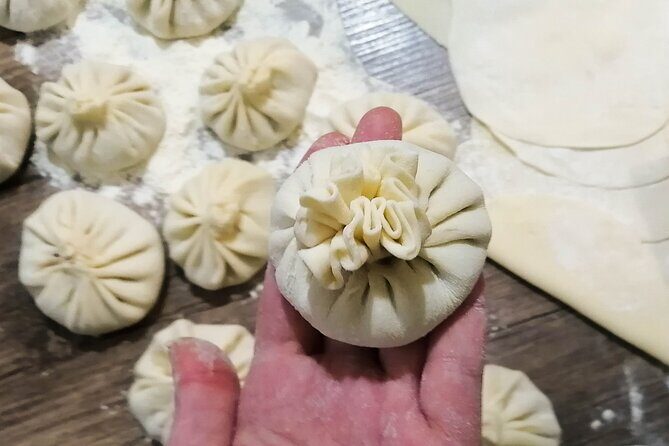
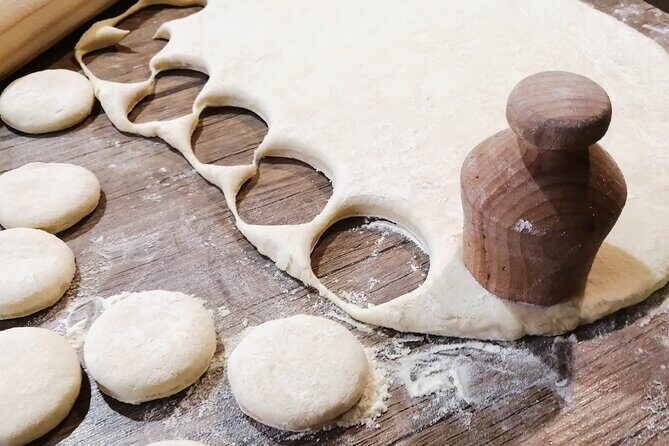
Maia and Nina’s Magic Kitchen is the kind of tour that makes you rethink what a cooking class should be. Instead of a staged performance, you work in a home kitchen, with the hosts right there guiding you through each step. You don’t just learn flavors—you learn technique: dough handling, shaping, stuffing, oven timing, and how to assemble the final dish.
The big win for me is the setup: it’s private for your group. That matters because you can ask questions without feeling like you’re part of a crowd. Kids, adults, beginners—everyone can find a role. In several write-ups, families point out that the hosts are flexible, which is a big plus if you’re traveling with children and want something that still feels authentic.
The other thing I like is the pacing. Some ingredients take time—like resting dough—so you won’t just wait around. They handle the timing with prepped components so you can keep moving, while other items cook or rest in the background.
If you’re expecting a sterile “food lab,” adjust your mindset. This is warmer and more personal. That’s not a downside, but it does change the vibe.
What the 2.5 Hours Actually Feels Like (Cooking + Dinner)
You’re looking at about 2 hours 30 minutes total, with cooking taking roughly 1–2 hours. In practice, the experience flows like this:
First, you meet at their location (near the provided meeting point), and you jump into the meal plan. You’ll choose from menu options, and you can flag dietary restrictions ahead of time using the booking form. If you’re vegetarian or need specific changes, that advance note is important—you’ll get a better result when they know your needs early.
Then comes the cooking, and it’s not one long instruction pause. The hosts typically structure the lesson so you’re actively shaping or assembling while another dish works in the oven or rests. That approach keeps the class lively and helps you learn faster because you’re doing the steps, not just hearing about them.
After the cooking, you eat what you made. Dinner is included, and local red wine is part of the experience in the classes described. You’ll also have Georgian bread on the table, and the host conversation adds context—what dishes mean, how Georgian meals work, and how the food fits into daily life.
One more detail you’ll probably appreciate: portions can be generous. Multiple people note that there are leftovers. That’s a practical bonus because you can extend the meal into another day.
Other Georgian cooking classes we've reviewed in Tbilisi


Your Menu: Khinkali, Khachapuri, and the Starters That Make It Georgia
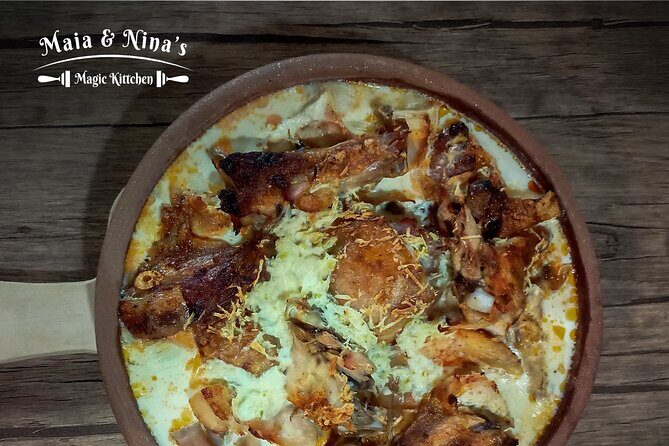
The sample menu gives a clear picture of what you’re in for. You might cook a combination like:
- Khinkali: Georgian dumplings with fillings like meat (beef and pork)
- Khachapuri: cheese-filled bread, a classic Georgian comfort food
- Eggplants with walnuts: roasted eggplant with walnut sauce
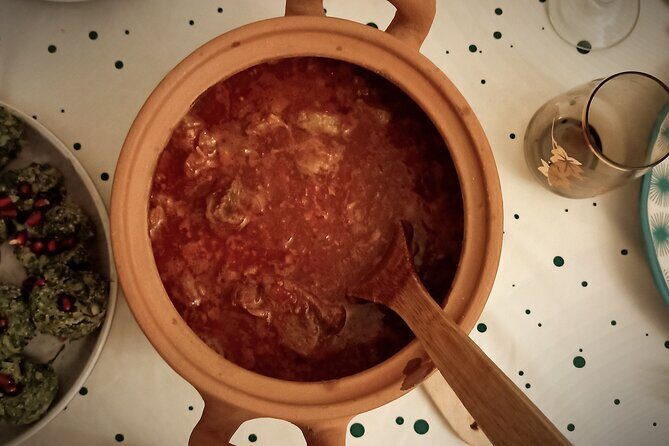
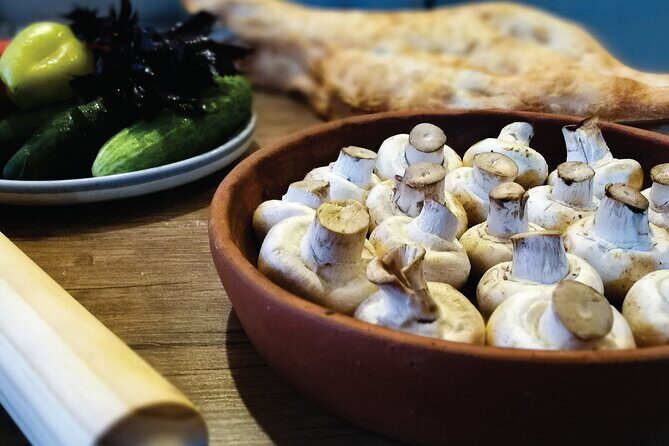
- Mushrooms with cheese: baked in the oven in clay vessels
Even if your exact menu changes, the style stays consistent: Georgian food that balances dough, filling, dairy, herbs, nuts, and oven-baked comfort.
Khinkali: Dumplings with technique
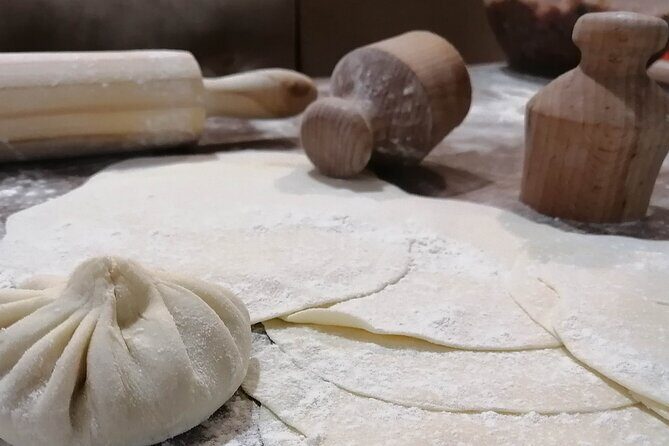
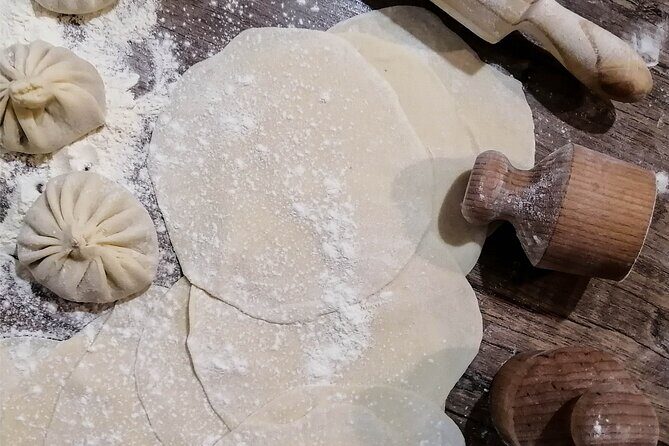
Khinkali is a great dish for a class because it forces you to learn technique: portioning filling, sealing correctly, and understanding what makes the dumpling feel right. People often call this part fun because the shaping is tactile and satisfying. If you’re a beginner, don’t worry—there’s enough structure built into the lesson that you should still get a good result.
Khachapuri: The cheese-bread payoff
Khachapuri is the dish you’ll remember when you’re back home. It’s the kind of food that makes the room smell amazing, and it’s easier to grasp once you’ve been shown how the dough and cheese work together. It’s also a great “crowd-pleaser” if you’re cooking with someone who doesn’t usually like complicated projects.
Walnut eggplant and mushrooms: The Georgia side dishes
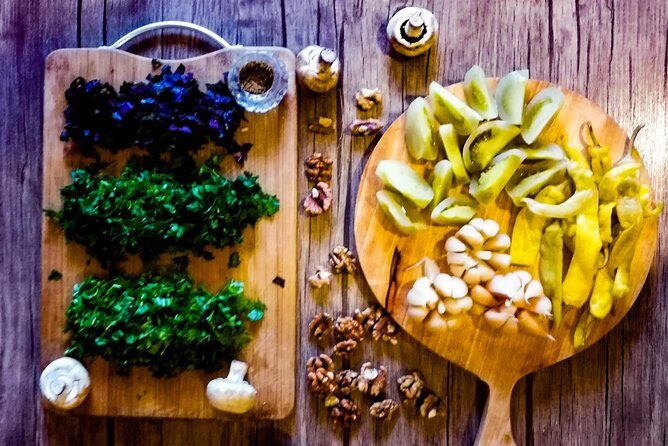
The walnut eggplant is one of those dishes where the flavors feel instantly Georgian. Roasted eggplant plus walnut sauce creates a rich, earthy bite that works as both starter and satisfying snack. The mushrooms baked in clay vessels also signal quality: clay baking tends to hold heat well, and the result feels rustic and oven-cozy.
If you’re booking with a group, consider choosing a menu that includes at least one vegetarian-friendly item. You’ll still get that full Georgian meal feeling, and it’s easier for everyone to match their dietary preferences.





The Hosts Make It: Maia and Nina’s Teaching Style
Maia and Nina aren’t just serving instructions—they’re teaching in a way that sticks. From the way classes are described, they break things down step by step and keep the pace practical. You won’t be left staring at a bowl wondering what comes next.
A few details show up repeatedly:
- They explain how to do each step, clearly.
- They prepare some pieces in advance (like dough that needs rest time), so your cooking time stays productive.
- They keep conversation going while food cooks, so you learn while you work.
I also like that the hosts make room for different comfort levels. If you want to chat more about Georgian culture, you can. If you want to focus and just cook, you can do that too. The class is structured enough that you won’t feel lost.
And yes, hospitality is part of the deal here. The dinner includes wine in the described experiences, and people repeatedly mention how friendly and welcoming the hosts are during the meal.
Pickup, Location, and How to Think About Transportation
This experience includes pickup and drop-off at the Vaja-Pshavela Metro. That’s the kind of detail that makes or breaks a home-based class, because you’re not just paying for cooking—you’re paying for a smooth start.
The tour ends back at the meeting point, so you don’t need to plan a second route after dinner. It’s a simple loop: meet near metro, go to the kitchen, cook, eat, return.
Also, the tour notes it’s near public transportation. If you’re staying somewhere central, you’ll probably find this easy to reach. If you’re staying far out, metro access still matters, because the included pickup is tied to that metro stop.
One more practical thought: because this is a private class in a home setting, expect a “short walk, up some stairs, close quarters” kind of experience rather than something warehouse-like. Wear shoes you can move in.
Value for $70: What You’re Really Paying For
$70 per person sounds like a lot—until you line up what’s included and what you don’t have to worry about.
Here’s the value picture you’re buying:
- Dinner included (and it’s the dishes you helped make)
- Private class for your group only
- English instruction
- Pickup and drop-off at the Vaja-Pshavela Metro
- A real meal experience with wine and bread, not just cooking samples
Cooking classes that are just “watch and snack” can be cheaper. But then you miss the learning, the fun, and the payoff of eating your own dumplings and bread. Here, you’re doing real work—stuffing dumplings, building flavors, baking dishes—and then you get the full table experience.
There’s also a practical bonus: leftovers. Multiple people mention leftovers are common, and you may take some home. If you factor leftovers into your food budget, the price starts to look more reasonable.
One consideration: this is booked on average about 30 days in advance, so if your dates are fixed, don’t wait until the last week. If you’re flexible, you may still find options, but popular weekends tend to go first.
Tips That Make Your Class Go Smoothly
This is one of those tours where a little prep makes the whole thing better.
1) Tell them dietary needs in advance.
The booking form is explicitly the place for restrictions. Doing this early helps them shape the menu and ingredients so you’re not stuck with a last-minute compromise.
2) Expect to learn, not just eat.
You’ll get the most out of this if you’re willing to roll up your sleeves and participate. Even if you’re a beginner, the class is structured so you’ll have tasks.
3) Plan for leftovers.
Bring a bag if your schedule allows. People often leave with more food than expected.
4) Bring curiosity about Georgian food culture.
The hosts talk while cooking and while eating, and that context is part of what makes the meal more than just food. Ask simple questions—why this dish gets served, what makes it Georgian, how families think about the meal.
5) Go in hungry.
You’ll likely cook multiple dishes and then eat them. This is not a light snack tour.
Who Should Book This (and Who Might Want Something Else)
This class is perfect if you want:
- a private, personal experience in Tbilisi
- to cook classic Georgian dishes like khinkali and khachapuri
- a meal that feels local because you’re making the food, not just tasting it
It’s also a strong option for families, since the hosts are described as flexible with children. If you’re traveling with mixed ages, a hands-on lesson can keep everyone engaged.
Who might want a different option? If your goal is mostly sightseeing, and you only want a quick food sample, this isn’t that. You’re committing to a real cooking + dining block. Also, if you hate kitchens, heat, and hands-on mess, you might find it less enjoyable than a guided tasting route.
Should You Book Maia and Nina’s Magic Kitchen?
If you like the idea of cooking real Georgian dishes, in a private setting, and then eating a full dinner you made yourself, I think this is an easy yes.
Book it when:
- you want hands-on Georgian cooking
- you appreciate English instruction and a clear step-by-step format
- you want a cultural meal with conversation and wine
- you value the included metro pickup and return
Skip it when:
- you only want a quick bite
- you’re not interested in cooking or don’t want to participate
- your schedule is too tight for a 2.5-hour home-based experience
One practical move: request dietary needs early, and message any questions before the day of your class. If you do that, you’ll get the full benefit—food, technique, and the warm hospitality that makes people want to book again with a different menu.
FAQ
How long is Maia and Nina’s Magic Kitchen in Tbilisi?
The experience runs about 2 hours 30 minutes (approx.).
Is this cooking class private?
Yes. It’s a private tour/activity, and only your group participates.
What’s the meeting point?
The start point is listed as 24, T’bilisi, Georgia, and the activity ends back at the meeting point.
Do I get pickup and drop-off?
Yes. Pickup and drop-off are included at the Vaja-Pshavela Metro.
Is the class offered in English?
Yes, it’s offered in English.
What dishes might I cook?
A sample menu includes khinkali, khachapuri, eggplants with walnuts, and mushrooms baked in clay vessels. Menus can vary.
Is dinner included?
Yes. Dinner is included.
Can I accommodate dietary restrictions?
You can inform the hosts in advance through the booking form if you have specific preferences or dietary restrictions.
What is the price and what’s included in the cost?
The price is $70.00 per person. Dinner is included, but private transportation is not included.
Are service animals allowed?
Yes, service animals are allowed.
Can I cancel for a refund?
Free cancellation is available up to 24 hours in advance for a full refund. If you cancel less than 24 hours before the start time, the amount paid is not refunded.