REVIEW · TBILISI
Cook True Ajarian Khachapuri and Khinkali in Highlanders Style
Book on Viator →Operated by Chakandrila · Bookable on Viator
Cooking up Georgia beats another meal out.
This class is all about making two favorites in the cozy Chakandrila workshop setting, then eating what you make with homemade wine. I like that it turns Tbilisi food from something you order into something you actually understand and shape with your own hands.
My second favorite part is the teaching style: step-by-step guidance from hosts like Irina (and others mentioned such as Ella and Tamara), with plenty of patience for basic cooking skills. One thing to consider: khachapuri dough needs time to rest (you may not do every single stage from scratch), and the class uses cheese and eggs, though meat can be swapped to vegetarian on request.
In This Review
- Key things to know before you go
- Why this Tbilisi cooking class works (and not just as a fun activity)
- Where you meet: Chakandrila in a real neighborhood
- The vibe inside: a cozy workshop, not a show kitchen
- What you’ll cook: Adjaruli khachapuri, then khinkali
- Adjaruli khachapuri: the boat-shaped cheese pie
- Khinkali: Georgian dumplings, made the hands-on way
- Where the “learning” actually shows up
- Drinks and meal time: homemade wine and a sit-down lunch
- How long it takes (and how to plan your day)
- Language and teaching style: English-first, patient coaching
- Dietary needs: cheese/eggs are part of it, but meat can be swapped
- Price and value: what $39 buys you in real terms
- Who this experience is best for
- Possible drawbacks to keep your expectations realistic
- Should you book this cooking class in Tbilisi?
- FAQ
- What dishes are included in the class?
- Do you get to drink wine, and is there a non-alcoholic option?
- Is the class private?
- Is vegetarian food available?
- Is the class taught in English?
- Where is the meeting point?
- What’s the duration?
Key things to know before you go
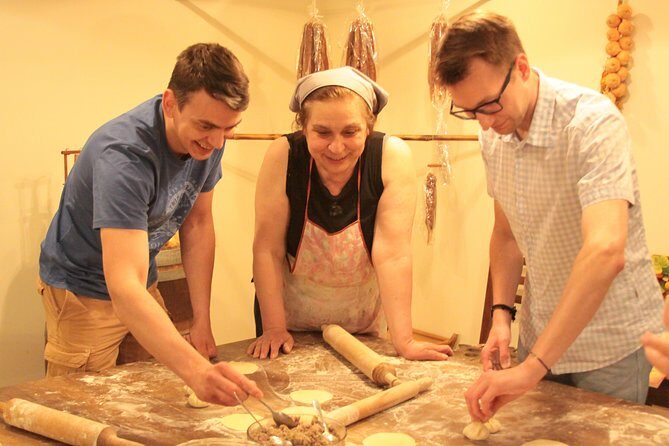
- Adjaruli khachapuri + khinkali in one 2.5-hour session, so you’re not picking just one dish
- Private class means you’re cooking with only your group, not mixing into a crowd
- Homemade wine is included (plus non-alcoholic drinks), which makes the meal feel extra Georgian
- Hands-on dumpling shaping for the khinkali, not just watching
- Vegetarian-friendly on request for meat-based parts of the menu
- Recipes and notes are part of the experience, and WhatsApp was mentioned in feedback
Why this Tbilisi cooking class works (and not just as a fun activity)
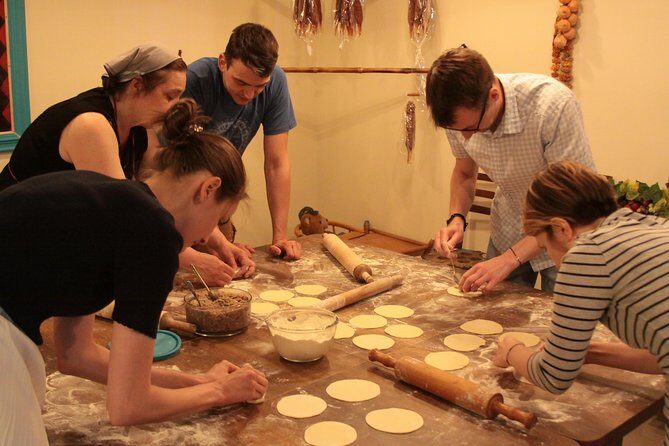
If you’re in Tbilisi for a short time, it’s easy to fall into the restaurant loop. This experience breaks that pattern by doing something practical: you learn the moves, then you eat the results. It’s the kind of food activity that actually sticks, because Georgia’s dumplings and pies are hands-on crafts.
The format also makes it good value. At $39 per person, you’re not only paying for instruction—you’re getting a lunch based around Adjaruli khachapuri and 5–6 khinkali per guest, plus a glass of homemade wine. Compare that to paying restaurant prices for two courses and drinks, and you’ll see why this feels like more than a “tour.”
The other big plus is the tone. The apartment/home setting gets repeated in reviews as warm and “homey,” with hosts who are kind and willing to correct your technique. If you’ve got clumsy hands, you’re still going to be invited into the process.
Other Georgian cooking classes we've reviewed in Tbilisi

Where you meet: Chakandrila in a real neighborhood

You’ll start at Biblusi#8 Merab Kostava St, T’bilisi, Georgia, and the class ends back at the same meeting point. That matters because you’re not spending your whole day transferring between places—you’re dropping into the cooking workshop and staying there.
The location is also described as near public transportation, which is helpful if you’re mixing it with other sightseeing. And because it’s a private class, you don’t need to arrive early to “find the group” in a crowd.
One more practical detail: this is offered in English, with some hosts also able to explain in Russian. So if you want to follow along closely and take notes, you should be able to.
The vibe inside: a cozy workshop, not a show kitchen
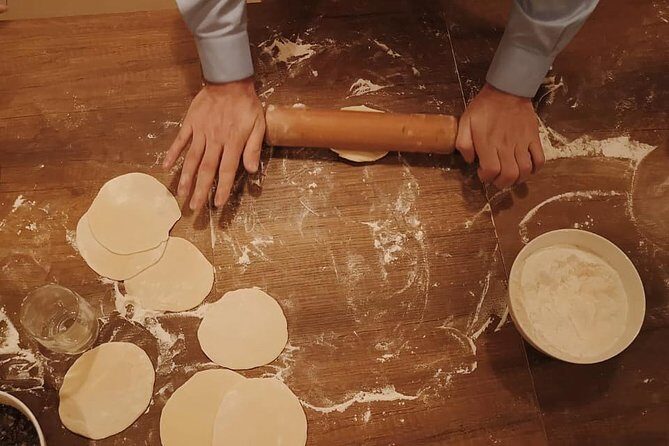
You meet in the cozy cooking workshop Chakandrila, where the experience starts with cooking and tasting. You’ll also be offered homemade wine or non-alcoholic drinks, depending on what you choose.
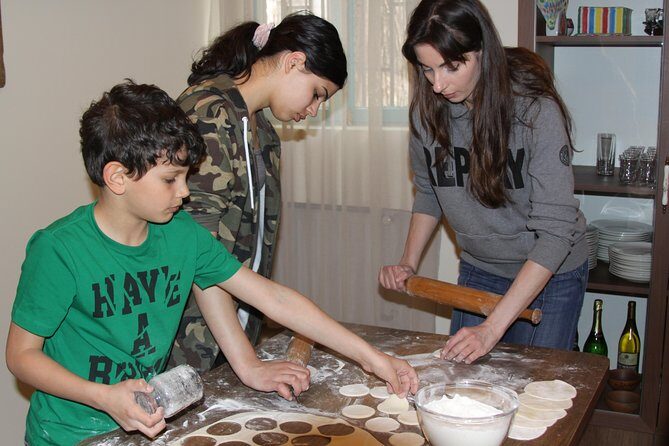
What I like about this setup is how it changes the feel of the meal. A home-style space means you’re not watching from behind a counter. You’ll be close to the action—rolling, mixing, shaping, and learning why certain dough or filling textures work.
It’s also the reason people keep mentioning laughter and conversation. Several reviews describe an atmosphere that feels personal rather than strictly transactional, like you’re being taught by someone who enjoys sharing their skills.
What you’ll cook: Adjaruli khachapuri, then khinkali
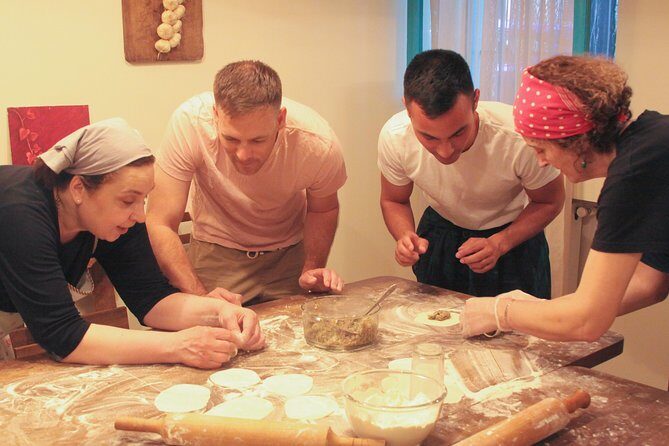
You’re working through two core Georgian dishes:
Adjaruli khachapuri: the boat-shaped cheese pie
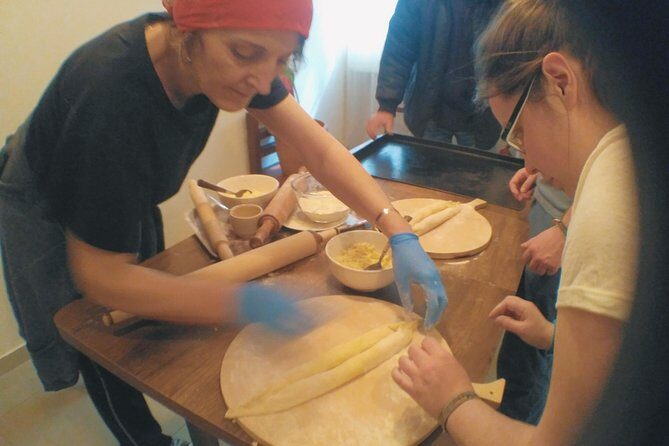
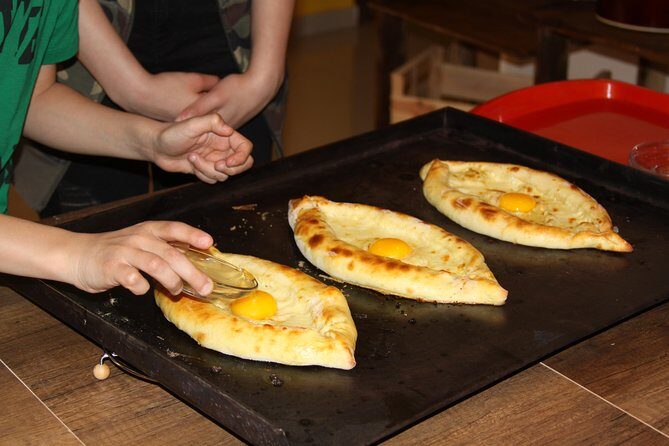
The class menu includes Adjaruli khachapuri, described as a traditional boat-shaped cheese pie. You’ll be involved in the cooking process, not just tasting at the end.
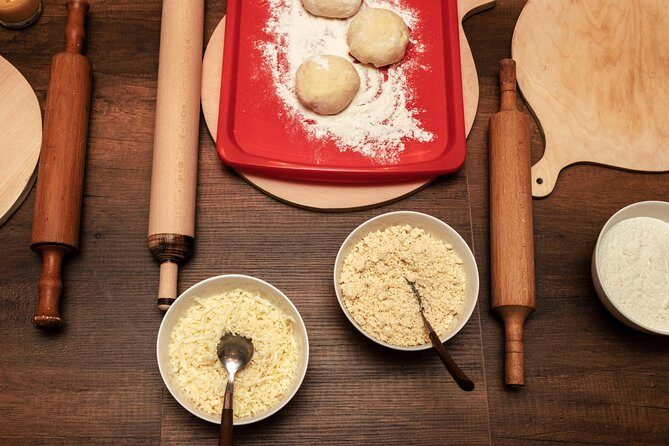
A note for your expectations: one review mentions that the khachapuri dough requires a rest period of about two hours ahead. Translation for you: you may not do every last step of dough timing during your 2.5-hour class, even though you’ll be learning the process. You’ll still get your hands on the important parts—how it’s shaped and how the filling is handled.
You should also expect cheese and eggs to be part of the cooking. If you’re sensitive to dairy or eggs, plan accordingly. The good news is that vegetarian substitutions are possible for meat-based items, though the class specifically uses cheese and eggs for the dishes.



Khinkali: Georgian dumplings, made the hands-on way
Next up is khinkali, traditional Georgian meat dumplings. The experience notes that you can ask for a vegetarian option.
Khinkali is a dish that rewards being shown how to fold and seal. In feedback, people highlight that the host patiently guided them, even if they felt unskilled. You’ll get the step-by-step direction that helps you avoid the most common mistakes: weak closures, uneven portioning, and overstuffing (which can be disastrous when you’re learning).
Also, this class includes lunch: each guest gets 5–6 khinkali. That means you’re not left hungry if your first dumpling attempts aren’t picture-perfect. You’ll have plenty of food to eat after cooking.
Where the “learning” actually shows up
The best cooking classes don’t just feed you—they change what you notice while you cook. Here, that shows up in the way instructors correct your technique.
In multiple reviews, hosts are described as patient and encouraging, with explanations in English and sometimes also Russian. Some people also mention receiving recipes and ingredient guidance that makes it possible to try again at home.
Drinks and meal time: homemade wine and a sit-down lunch
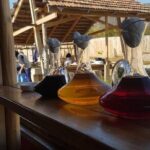
The class includes a glass of homemade wine. If you prefer to keep it non-alcoholic, you can still take part with non-alcoholic drinks.
What makes this pairing smart is that Georgian food is built for sharing and conversation. You’ll cook and then taste as part of the same session, which keeps the experience cohesive. It’s not a quick bite followed by a departure—it feels like a full meal.
One practical tip: arrive ready to eat. This is not a snack class. With khachapuri and a solid batch of khinkali, plus wine for those who want it, you’ll want to give your stomach a little room before the class begins.
How long it takes (and how to plan your day)
The duration is about 2 hours 30 minutes. That’s a comfortable length: long enough to get hands-on, but short enough that you can still do other Tbilisi stuff afterward.
Since the class meets and ends at the same location, you can treat it like a reliable block in your schedule. If you’re chaining it with museums or old-town wandering, this format makes planning easier than tours that bounce around.
Also, because it’s private, the timing tends to feel less chaotic. You’re not waiting in lines with other groups.
Language and teaching style: English-first, patient coaching
The experience is offered in English, and the reviews mention hosts who explained in multiple languages. Several people specifically praised patient, step-by-step instruction and teachers who wrote things down or helped them take notes.
If you’re the type who learns by doing, you’ll likely appreciate the correction style. People described teachers adjusting them gently so their final dishes were better than what they expected.
There are also mentions that you can take photos and videos during the experience. If you’re the friend who always wants to remember textures and steps, you’ll probably be happy with that.
Dietary needs: cheese/eggs are part of it, but meat can be swapped
Here’s the key dietary info that matters most for real life:
- Cheese and eggs are used in the cooking.
- Meat-based dishes can be switched to vegetarian options if you like.
The menu includes khinkali as traditional meat dumplings, but the class notes you can ask for a vegetarian option. So if you’re vegetarian, you should be able to participate fully—you just need to communicate your preference ahead of time when booking.
If you’re allergic to dairy or eggs, the provided info doesn’t say there’s a full alternative for the cheese-and-egg components. In that case, you’ll want to check directly before booking.
Price and value: what $39 buys you in real terms
Let’s talk value, because this one is easy to oversell in your head.
For $39 per person, you get:
- Lunch built around Adjaruli khachapuri
- 5–6 khinkali per guest
- A glass of homemade wine (with non-alcoholic drinks available too)
- A private cooking experience with an instructor
- Recipes and written guidance mentioned in feedback
If you were to eat the same type of meal at a restaurant, you’d likely pay for each dish separately, then add drinks. Here, the price bundles the meal with the learning and the host’s time.
Also, because the class teaches you how to make the dishes, it can become a future “coupon” for later. You’re paying to bring Georgian cooking home, not just to consume it once.
Who this experience is best for
This class is a great fit if:
- You like cooking and want practical skills you can use again.
- You want something more authentic than a standard dinner.
- You enjoy people: the home-setting vibe encourages conversation.
- You travel with a small group and want a private experience.
It’s also a solid option if you’re not a confident cook. Reviews repeatedly highlight that instructors were patient even with clumsy or inexperienced cooking skills.
Possible drawbacks to keep your expectations realistic
No class is perfect for every schedule and every eater. Based on what’s provided:
- Dough timing: the khachapuri dough needs rest time ahead, so the class may not include every stage from zero to final dough in real time.
- Cheese and eggs: these are part of the cooking. Vegetarian substitutions are mentioned for meat-based dishes, but cheese/egg avoidance is not specifically addressed.
- Apartment/home setting: that can feel more intimate and warm, but it also means the space is not like a big cooking studio. If you’re expecting lots of extra room or a formal restaurant setup, adjust your expectations.
Should you book this cooking class in Tbilisi?
Yes, if you want a meal with a lesson attached—and you like the idea of learning Georgian comfort food you can repeat at home. The private setup, the hands-on khinkali shaping, and the fact that you’re fed with included dishes and homemade wine make it easy to justify.
Book it especially if you:
- Want a break from touristy dining,
- Like friendly, patient instructors (Irina and other hosts are repeatedly praised),
- Appreciate getting recipes so the experience doesn’t fade after day one.
If you have dairy/egg restrictions beyond vegetarian preferences, check directly before committing. Otherwise, this is the kind of Tbilisi experience that turns into a real memory because you leave with skills, not just photos.
FAQ
What dishes are included in the class?
You’ll cook and taste Adjaruli khachapuri and khinkali. The class includes lunch with khachapuri and 5–6 khinkali per guest, plus homemade wine.
Do you get to drink wine, and is there a non-alcoholic option?
Yes. The experience includes a glass of homemade wine, and you can also have non-alcoholic drinks instead.
Is the class private?
Yes. It’s listed as a private tour/activity, so only your group will participate.
Is vegetarian food available?
The experience notes that meat-based dishes can be switched to vegetarian options if you like. Since khinkali is traditionally meat-filled, you should ask for a vegetarian option.
Is the class taught in English?
Yes. It’s offered in English, and some instructors may also help in Russian based on feedback.
Where is the meeting point?
The start is Biblusi#8 Merab Kostava St, T’bilisi, Georgia, and the activity ends back at that same meeting point.
What’s the duration?
It runs for about 2 hours 30 minutes (approx.).