REVIEW · TBILISI
Join a Local for a Market Tour, Cooking Class and Meal in her Tbilisi Home
Book on Viator →Operated by Traveling Spoon · Bookable on Viator
Georgian food starts at the market. This private Tbilisi experience pairs a Dezerter Bazaar shopping stop with a cooking class in host Tina’s home, so you learn what goes into the dishes and then sit down to eat them together.
I love the hands-on shopping element and the way it turns ingredients you see into flavors you can actually recreate. I also love that you cook 2–3 typical Georgian dishes, not just watch.
One thing to consider: there is no hotel pickup, and the schedule is paced like a home experience—relaxed, very human, and less rigid than a restaurant-style class.
In This Review
- Key things I’d look for
- Dezerter Bazaar: where your Georgian meal really begins
- Tina’s home in Tbilisi: a real family kitchen, not a studio
- Cooking 2–3 Georgian dishes: hands-on skills you can repeat
- The meal: khachapuri, chakhokhbili, khinkali, and the sides that make it a feast
- Lunch vs dinner in Tbilisi: how timing changes the feel
- Price and value: what $189 includes (and why it can be fair)
- Who should book this Georgian home cooking experience
- Before you go: practical tips that will help
- Should you book it? My honest verdict
- FAQ
- How long is the market tour and cooking class?
- Where does the tour start and end?
- What’s included in the price?
- Is lunch or dinner included?
- What dishes will I learn to cook?
- Does the experience include alcohol?
- Is hotel pickup provided?
- What if I have allergies or dietary restrictions?
- Is it a private experience?
Key things I’d look for
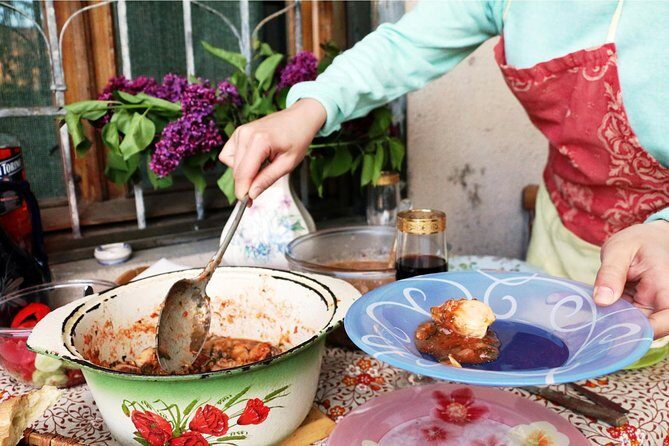
- Dezerter Bazaar ingredient shopping where spices, produce, and choices shape your cooking
- A private, English-friendly home class run by Tina and her family
- You learn 2–3 Georgian dishes (often including favorites like khachapuri and khinkali)
- Lunch or dinner options depending on what’s offered when you book
- Local alcohol with the meal (usually 1–2 glasses) plus non-alcoholic drinks
- Seasonal flexibility in what you cook and eat, based on what’s best at the market
Dezerter Bazaar: where your Georgian meal really begins
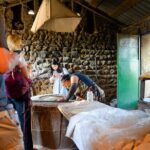
If you only know Georgian food from restaurants, this part resets your expectations. Dezerter Bazaar is indoor and full of the stuff cooks actually talk about: produce that looks different from what you’re used to, and spices piled in a way that makes you understand why Georgian cooking feels so aromatic.
Plan to spend about an hour here. You’ll tour with Tina, and the goal is practical: spot ingredients you’ll later use in your class. You can even purchase a few items on your own if you find something you want to take home—or to remember later when you try the recipes.
This market stop matters because Georgian dishes depend heavily on fresh herbs, the right spice blend, and pantry staples like sauces. Seeing them up close also helps you ask better questions in the kitchen later. And even if you don’t buy anything, you’ll come away with a clearer mental map of flavors.
A small heads-up: market shopping is sensory. If you’re sensitive to strong smells, dense crowds, or lots of people moving around, you’ll want to give yourself a calm mindset and just go with the flow.
Other Georgian cooking classes we've reviewed in Tbilisi

Tina’s home in Tbilisi: a real family kitchen, not a studio
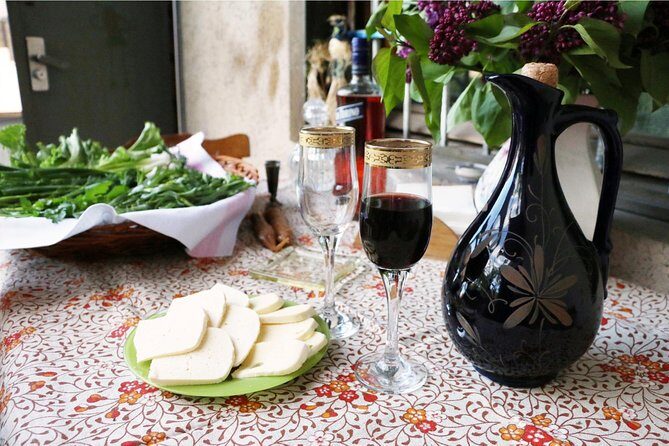
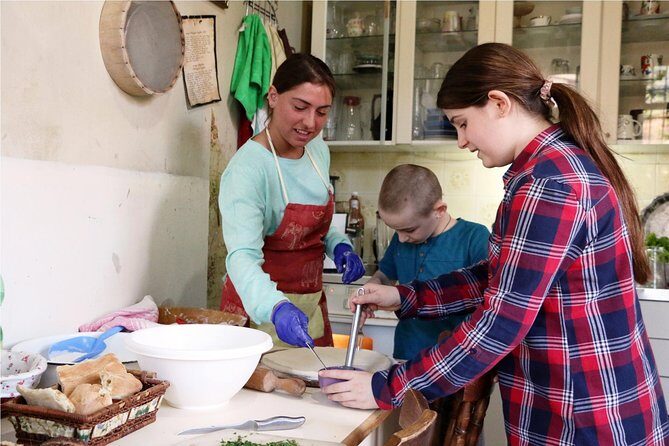
After the market, you head to Tina’s home near Tbilisi Mall. This is a modest family setting, and that detail shapes the whole experience. You’re not in a glossy cooking school kitchen. You’re in someone’s daily space, where food is part of family life, not a performance.
Tina welcomes you and brings you into the rhythm of Georgian cooking. That includes the big hospitality pieces: time for conversation, help when you need it, and a clear focus on making sure you enjoy the food you’re making. The atmosphere tends to feel personal—like you’re being taught by someone who wants you to succeed.
One practical advantage: because this is a private experience, Tina can adjust how she teaches to your pace and questions. If you want to cook something specific, this is one of those classes where the human conversation matters more than a fixed script.
It’s also worth knowing that the menu can vary by season. That’s not a downgrade. It’s often the best part. Georgian cooking is deeply tied to what’s available—herbs, vegetables, and fruit change the taste of a dish. When you learn with that in mind, you’re learning how to think like a home cook, not just how to follow a single recipe.
Cooking 2–3 Georgian dishes: hands-on skills you can repeat
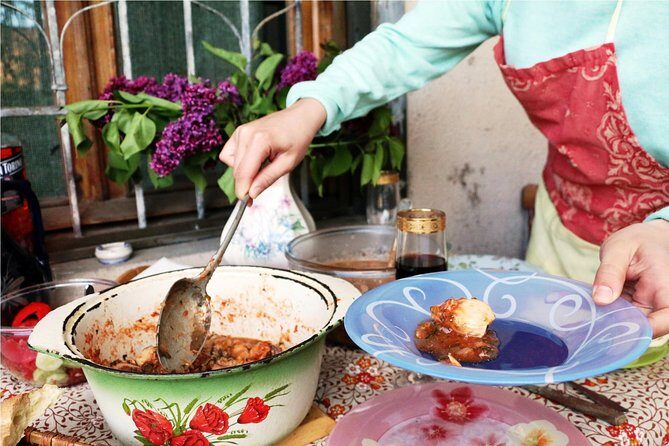
The core of the class is learning to cook two to three typical Georgian dishes. The exact mix can shift, but the theme stays consistent: you’ll work with real techniques and flavors that show up across Georgian home meals.
In many sessions, you’ll cook dishes that give you a balanced set of skills:
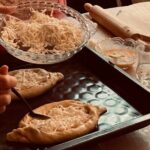
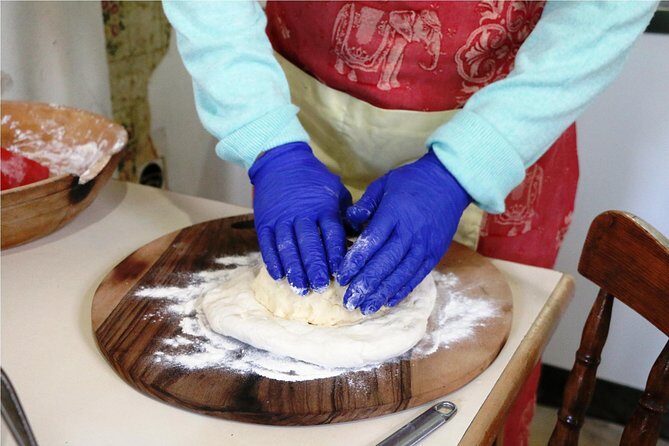
- A cheesy baked bread (khachapuri) that teaches dough-and-cheese confidence
- A herb-forward main (like chakhokhbili) that builds flavor through cooking down onions, herbs, and chicken
- A dumpling or stuffed dish (like khinkali) that adds texture and technique in the shaping and serving style
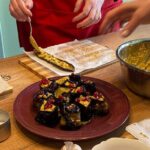
Sometimes the class expands beyond the sample menu. You may end up making additional Georgian items that fit the home table style—things like walnut-based dips or other comforting sides. The key is that the cooking stays practical and food-focused.
What I like about this setup is that you’re not just learning one dish like a single event. You’re learning a small range of Georgian cooking patterns:
- how herbs show up again and again
- how sauces and sides complete the meal
- how Georgian food leans on layered seasoning rather than heavy sauces alone
Also, the way Tina teaches tends to be supportive. You might be asked what you’d like to make, then guided through the process step-by-step. That’s a big deal if you’re not a confident home cook. Even if you are, it’s still rewarding because you’re comparing your instincts to what Tina’s family does.
If you have dietary restrictions or allergies, this is where you should speak up early. The experience specifically asks you to advise at booking. That gives Tina a chance to plan adjustments based on your needs before you arrive.
The meal: khachapuri, chakhokhbili, khinkali, and the sides that make it a feast
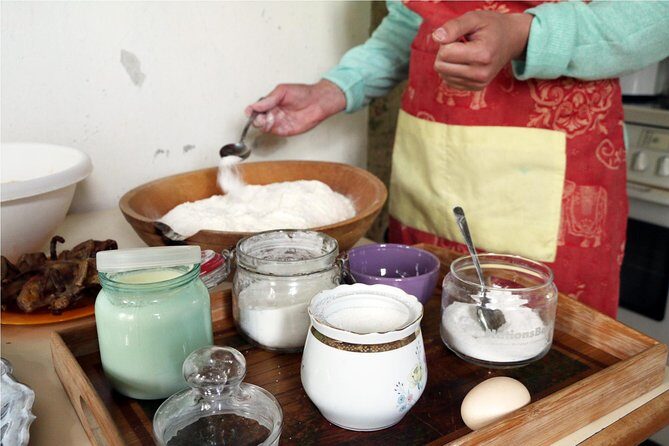
After cooking comes the part that Georgia does best: eating like it’s the point. You’ll sit down to a homecooked meal that follows what you’ve been making.
A typical menu includes:
- Khachapuri as a starter: cheese-filled bread that tastes like comfort
- Chakhokhbili as a main: stewed chicken with fresh herbs
- Khinkali as another starter or main: Georgian dumplings
- Dessert that may be traditional sweets or dried fruits, depending on the season
That’s already a lot of variety in one sitting. But what makes the meal feel Georgian-home real is the extra table stuff that often shows up around the main dishes. You should expect Georgian pickles and sauces such as tkhemali (plum sauce) to appear on the table in many formats, because they’re the kind of balancing elements Georgians use to keep meals bright and not heavy.
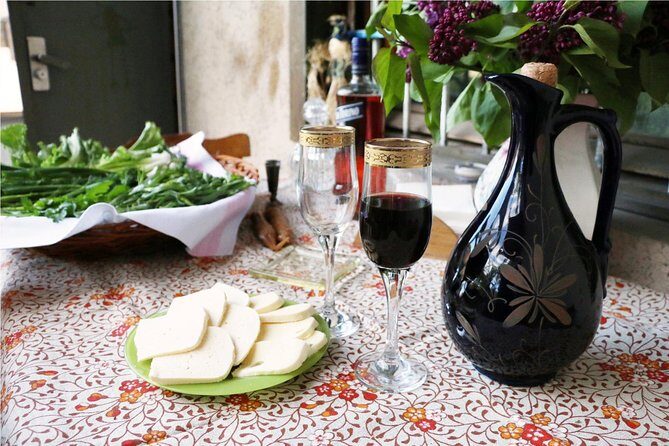
The class also includes drinks. You’ll get local alcohol (often 1–2 glasses) with the meal, plus non-alcoholic beverages. There’s also mention of home wine in the general experience—so even if you don’t drink, you’ll still be surrounded by the food-and-wine rhythm Georgian hosts love.
One more practical note: the meal experience can run longer than you expect if the conversation is flowing. This isn’t a factory-style timetable. It’s a family table.
Lunch vs dinner in Tbilisi: how timing changes the feel
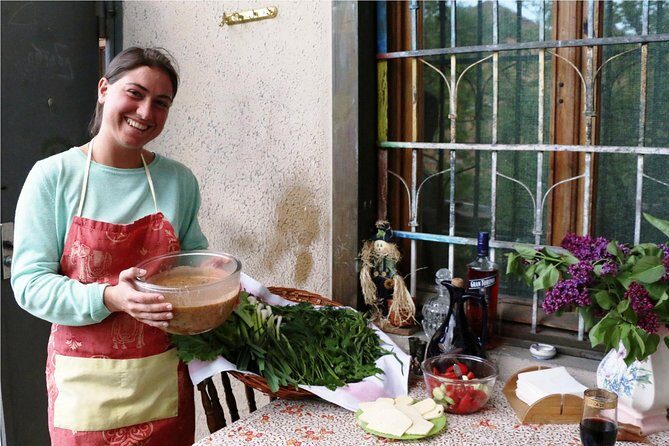
The experience offers both lunch and dinner classes, depending on what’s available when you book. That matters because Georgian cooking often feels best when you have time to slow down and actually taste.
A lunch class tends to feel more energetic. You’ll be shopping and cooking earlier, then eating while you still have daylight energy around you. A dinner class can feel more relaxed and social, since the meal is the highlight and you’ll likely settle in and chat as you eat.
If you’re someone who likes a clean morning or afternoon plan, choose lunch. If you want your day to end with a food-centered focus and you don’t mind a warmer, more evening vibe, dinner can be the better fit.
Either way, it’s still about the same core value: market-to-kitchen-to-table.
Other Tbilisi food tours we've reviewed in Tbilisi



Price and value: what $189 includes (and why it can be fair)
At $189 per person for about 4 hours, the price might look steep at first glance—until you break down what’s actually included.
You get:
- a private market tour with Tina
- the cooking class
- the homecooked meal
- local alcohol (1–2 glasses) and non-alcoholic drinks
- all taxes, fees, and handling charges
- gratuities
And you also get something harder to price: the feeling of being taught in a home kitchen, with a host who can talk food and adjust to your preferences. That personal teaching time is usually the difference between a generic cooking class and one you remember months later.
The one trade-off is logistics. There’s no hotel pickup and drop-off, so you’ll need to plan your own way to Dezerter Bazaar for the start. The experience ends at Tina’s home near Tbilisi Mall, so after the meal you’ll be close to that area for onward plans.
If you’re comparing this to a restaurant-only dinner, you’re not just paying for food. You’re paying for a market lesson plus kitchen time plus a guided meal with drinks. That’s why it can feel like good value when you genuinely enjoy cooking and want more than a sit-and-eat night.
Who should book this Georgian home cooking experience
This tour fits best if you:
- want authentic Georgian flavors you can learn and repeat
- enjoy markets and want to connect ingredients to dishes
- prefer a private experience rather than a group class
- want a host who can answer questions and guide you through cooking steps
- like having a meal included instead of guessing where to eat afterward
It may be less ideal if you:
- need strict time control and a very structured classroom format
- dislike crowded indoor spaces (the bazaar is an active place)
- want hotel pickup or maximum convenience from door to door
Also, if you’re traveling with allergies or dietary needs, you should book only if you’re comfortable sharing your restrictions early. The experience requests that you advise at booking, which is your best chance for a good match.
Before you go: practical tips that will help
- Wear shoes you can stand in. The market part is active, and the home setup involves moving around.
- Come with a clear sense of what you’d like to learn. If you have strong preferences, tell Tina. The teaching experience is built around your choices.
- If you drink alcohol, enjoy it with food. The local drinks are included, but pacing helps you stay focused while cooking.
- If you have allergies, send details during booking. Don’t wait until the day of the class.
Should you book it? My honest verdict
Book it if you want a Georgian meal with actual context—ingredients you can point to, dishes you can cook yourself, and a host-led home experience in Tbilisi. The strongest part here is the combination: market tour plus cooking plus eating in one smooth arc, with drinks included.
Skip it if you’re looking for a highly choreographed, classroom-perfect session or you need everything handled by the tour from hotel to home. This one rewards people who like to ask questions, taste along the way, and accept that a family kitchen runs on real-life timing.
If that sounds like your style, you’ll likely walk away with two things: a full stomach and a repeatable set of Georgian dishes you’ll want to make again.
FAQ
How long is the market tour and cooking class?
It runs for about 4 hours (approximately).
Where does the tour start and end?
It starts at Dezerter Bazaar (5 Abastumani St, Tbilisi) and ends at Tina’s home near Tbilisi Mall.
What’s included in the price?
You get the private market tour and cooking class, a homecooked meal, local alcohol (1–2 glasses), non-alcoholic beverages, taxes/fees, and gratuities.
Is lunch or dinner included?
Lunch or dinner classes are available, and a home meal is included with the session you choose.
What dishes will I learn to cook?
You’ll learn to cook two–three typical Georgian dishes. A sample menu includes khachapuri, chakhokhbili, and khinkali, but the menu can vary by season.
Does the experience include alcohol?
Yes, local alcohol is included with the meal (1–2 glasses). Non-alcoholic beverages are also included.
Is hotel pickup provided?
No. Hotel pickup and drop-off are not included.
What if I have allergies or dietary restrictions?
You should advise Tina at the time of booking about allergies, dietary restrictions, or cooking preferences so she can plan accordingly.
Is it a private experience?
Yes. This is a private tour/activity, and only your group participates.