REVIEW · TBILISI
Alternative walking tour New Tiflis and backstreets
Book on Viator →Operated by Friendly.ge: Transfers & Tours in Georgia · Bookable on Viator
Tbilisi has a second face. This Alternative Walking Tour of New Tiflis and backstreets shows you day-to-day city life, not just the usual postcard stops. You’ll connect big landmarks with smaller scenes: flower stalls, flea-market finds, Soviet leftovers turned creative spaces, and baroque church details you’d miss on your own.
I really like two things about this tour. First, the guide approach is all about answers on the spot—in the reviews, Oksana gets singled out for being friendly and able to handle questions with real context. Second, the route is smart for first-timers because it mixes well-known architecture with places locals actually use, like Fabrika Tbilisi and the rose garden side streets.
One consideration: this is a walk. You should be ready for about 3 km at a relaxed pace, and some stretches include busy roads. Also, it’s not an Old Town tour, so if you came only for the classic historic core, you’ll want to pair this with something more central.
In This Review
- Key highlights if you want a quick decision
- Getting Oriented at Liberty Square and the St. George symbol
- Orbeliani Square: presidential architecture plus a flower market pause
- Dry Bridge Flea Market: antiques, Soviet finds, and handmade crafts
- Agmashenebeli Avenue: Art Nouveau façades and a theatre-lined stroll
- Roses Park in the backstreets: the calm break you didn’t plan on
- Fabrika Tbilisi: Soviet sewing factory turned street art and creative hub
- St. Peter & Paul Roman Catholic Church: baroque details and a papal visit
- Marjanishvili Theatre and the 2006 reopening story
- Ending at Marjanishvili Square: metro access and a final street-level mood
- Price and value: what $30 buys you in real time
- Who should book this New Tiflis walk
- Should you book it?
- FAQ
- How long is the Alternative Walking Tour of New Tiflis and backstreets?
- Where is the meeting point?
- What’s the end point of the tour?
- Is the tour offered in English?
- What’s included in the price besides the guide?
- What should I wear or bring for the walk?
Key highlights if you want a quick decision
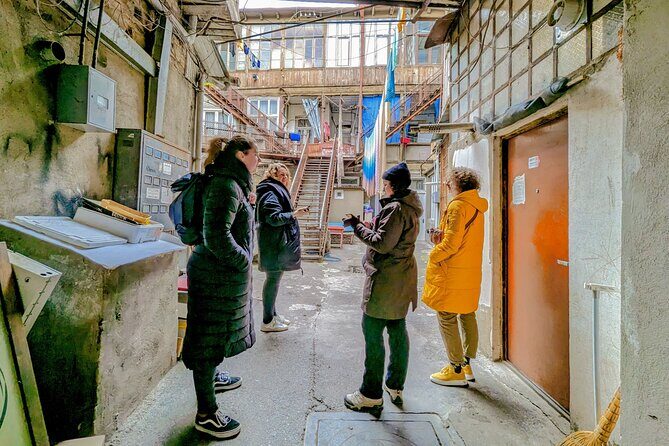
- Small group size (up to 10) keeps it conversational, not crowded-chaos.
- Wine tasting is included as a light bonus, not the whole point.
- Dry Bridge Flea Market is the main shopping stop, with vintage and Soviet-era items.
- Backstreet stop at Roses Park adds a calm break from streets and traffic.
- Fabrika Tbilisi shows how a Soviet sewing factory can become street art and creative culture.
- Marjanishvili area finish puts you near the metro, so you can keep exploring easily.
Getting Oriented at Liberty Square and the St. George symbol
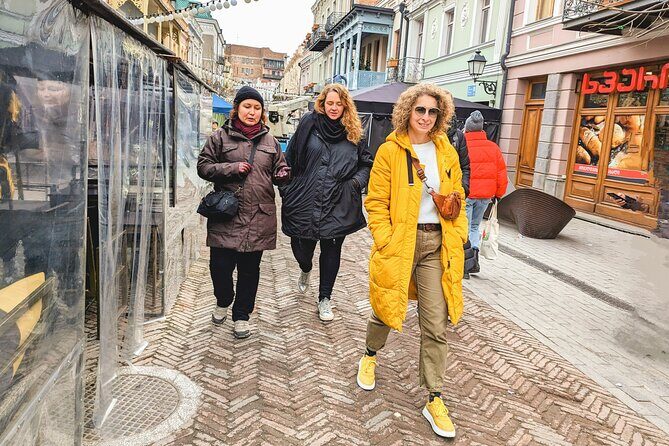
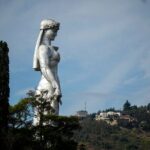
Most people start Tbilisi tours either at the river or the old core. This one starts at Liberty Square (Svobody Square / Tavisuplebis Moedani), a wide-open hub where you can quickly feel the city’s scale. The central statue of St. George slaying the dragon is a strong Georgia symbol of freedom and independence, and the surrounding buildings give you instant historical context without needing a museum ticket.
You meet your guide at the entrance of the Burberry shop on Shalva Dadiani Street near Mtatsminda (Mtawminda 0105). It’s an easy start point because you’re in the middle of things: the metro station is nearby, and Liberty Square is also known for big public events like New Year’s Eve and Independence Day.
The practical win here is timing and orientation. By the time you leave the square, you’ll understand how Tbilisi’s neighborhoods relate to each other, and you’ll be walking with a plan instead of just drifting.
Other Tbilisi walking tours we've reviewed in Tbilisi


Orbeliani Square: presidential architecture plus a flower market pause
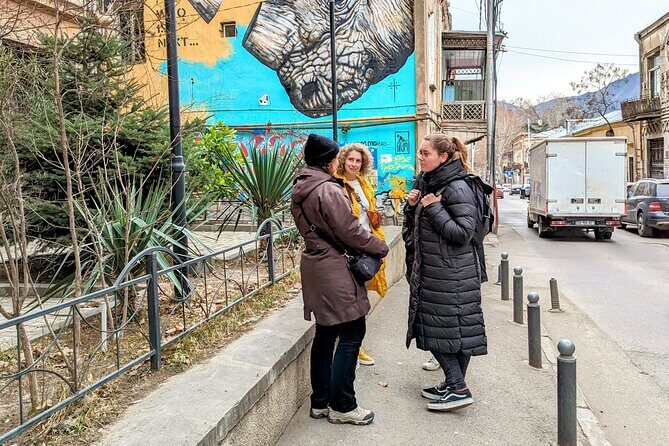
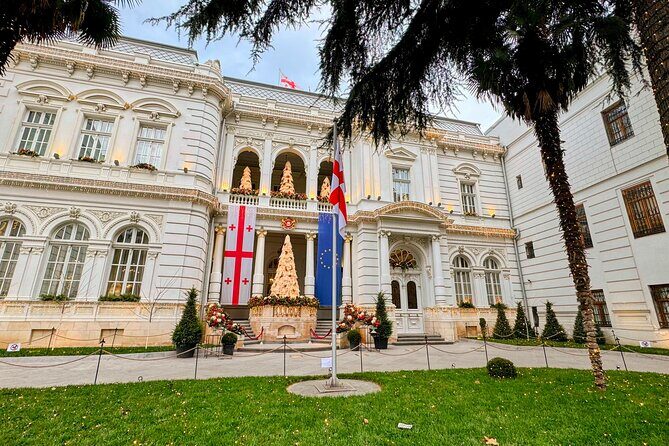
Next up is Orbeliani Square, anchored by the Orbeliani Palace, Georgia’s presidential residence. You won’t go inside, but the exterior is worth your attention: you get ornate details and a sense of how “official Tbilisi” looks in everyday street life.
This stop also has a nice rhythm break. Orbeliani Square sits among cafes and restaurants, and you’ll pass through an area where people actually stop for coffee or a meal. One of the standout sights here is the flower market, with colorful blooms and fragrant herbs that make good photos and even better smell-while-you-walk energy.
If you’re the type who likes to taste a place through small sensory moments, this part delivers without turning into a sales pitch.
Dry Bridge Flea Market: antiques, Soviet finds, and handmade crafts
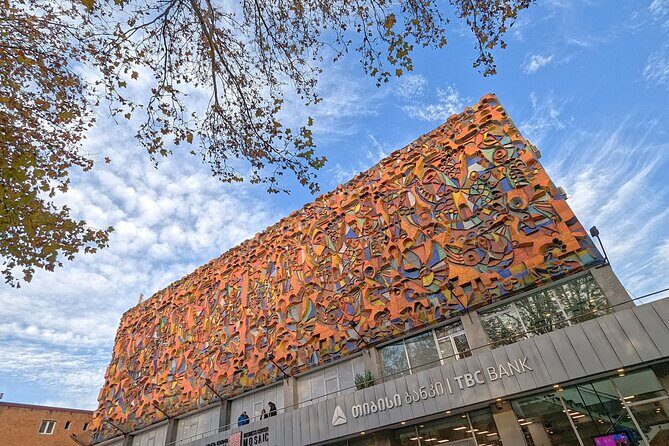
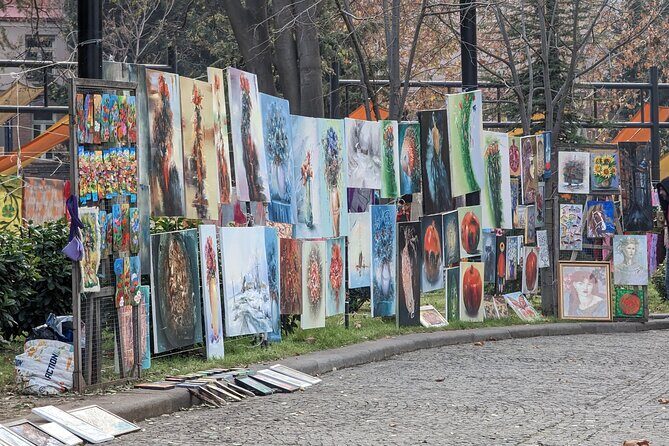
Dry Bridge Flea Market is where the tour shifts from “look at buildings” to “hunt for things.” Expect stalls with antiques and secondhand treasures—vintage clothing, jewelry, furniture, and Soviet-era memorabilia. It’s lively, and that’s the point: you’re seeing how Tbilisi buys, sells, and preserves its past in everyday transactions.
What I like most is the mix. Some sellers are classic collectors; others are artists and craftsmen selling handmade creations alongside older items. That blend gives the market a creative edge, not just a warehouse vibe.
A quick piece of advice: set a small budget for yourself before you start browsing. Flea markets can pull you in emotionally—this one can, too—but it’s easy to go from one “maybe” purchase to five. If you just want a few souvenirs, aim for smaller, lighter items like jewelry or a scarf.
Agmashenebeli Avenue: Art Nouveau façades and a theatre-lined stroll

From Dry Bridge, you head toward Agmashenebeli Avenue, an elegant stretch known for architectural variety from the late 1800s and early 1900s. The facades here lean into Art Nouveau and Neo-Renaissance styles, so even if you’re not an architecture person, you’ll notice the details: ornamentation, proportions, and the way buildings feel like they’re competing for attention.
This is also a cultural corridor. The Marjanishvili Theatre is a key landmark on the avenue, and the Tbilisi Opera and Ballet Theatre sits at the northern end. Even when you’re just walking past, your guide helps you connect these venues to how the city’s arts scene matured over time.
A practical note: this part can include busier street traffic. Keep your focus on the sidewalk space and take your photos quickly. You’ll get better shots when you’re not trying to frame while you’re half-stepping around pedestrians.
Roses Park in the backstreets: the calm break you didn’t plan on
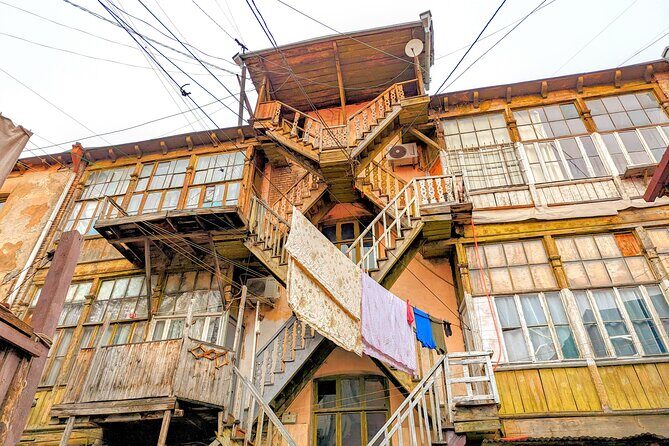
Then the tour makes a smart emotional turn with Roses Park. This is one of those places that feels like it’s tucked away by choice, in the backstreets where everyday life continues without performing for visitors.
The star attraction is the rose garden, with over 200 varieties of roses. In warmer months it’s reportedly in full bloom, and the air can smell like you walked into a perfume shop—without paying perfume-shop prices. Even if you visit outside peak bloom time, the idea holds: this stop gives you a breather.
I appreciate this contrast because it makes the whole day feel less like a checklist. You’ll return to city streets afterward with clearer energy, and the photos come out better because your brain has shifted from noise to color.
Other walking tours we've reviewed in Tbilisi

Fabrika Tbilisi: Soviet sewing factory turned street art and creative hub
If you want one stop that shows modern Tbilisi identity in plain sight, make it Fabrika Tbilisi. This used to be an old Soviet sewing factory, now repurposed into a multi-use creative space for locals and visitors.
The most visible “new chapter” is the street art. The walls around Fabrika are covered with colorful murals, and it’s a strong example of Tbilisi’s street art culture. The best part is that it doesn’t feel like a staged tourist mural zone. It feels like the city’s creative people are using real surfaces for real expression.
This is also where your guide’s storytelling really matters. Urban renewal can sound like a slogan, but seeing a factory repurposed into a lively center for culture helps you understand the transformation in a way that facts alone can’t do.
St. Peter & Paul Roman Catholic Church: baroque details and a papal visit
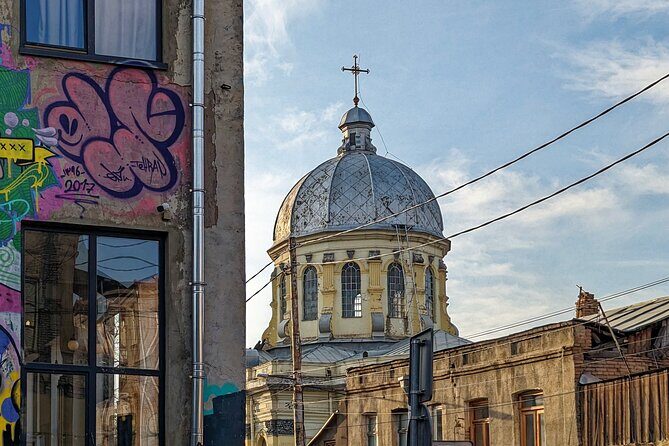
Next comes St. Peter & Paul Roman Catholic Church, built between 1870 and 1877. The architecture is described as strongly baroque, and once you’re standing there, you can see why: pilasters, arches, and that intense yellow tone in parts of the façade.
One detail I’d personally walk back to see is the church entrance design. The rose window—decorated with floral ornaments and a dove—is above the wooden front door area, with details added after 2000. The visual effect is striking, especially if you arrive at a time when the light hits the façade nicely.
There’s also a real-world historical moment connected to this church: in October 1999, Pope John Paul II celebrated Mass here. That kind of fact changes how you read the building. It’s not just architecture; it’s a place that has held major events.
If you’re the type who likes your churches with context (not just quiet sightseeing), this stop will feel satisfying.
Marjanishvili Theatre and the 2006 reopening story
The tour’s theatre stop is the Kote Marjanishvili State Drama Theatre, one of Georgia’s important venues. It’s an art nouveau building, and the story is solid: the theatre was founded by Kote Marjanishvili in Kutaisi in 1928, moved to Tbilisi in 1930, and has operated in the same building ever since.
What makes this stop more than a photo opportunity is the renovation timeline. The theatre was thoroughly renovated and reopened in 2006, with Bertolt Brecht’s The Threepenny Opera as the premiere. That’s a specific detail, and I like details because they give you something to remember later when you’re thinking about what you saw.
If you want to experience Georgian culture beyond music festivals and restaurants, this is a good touch. Even if you don’t catch a performance that day, you’ll leave with a clearer sense of how arts institutions fit into city life.
Ending at Marjanishvili Square: metro access and a final street-level mood
The route finishes at Marjanishvili Square, a lively intersection with restaurants, cafes, and shops. This is a helpful ending because you’re not stuck at the edge of the city, and you’re not far from public transport.
The metro station nearby is named Marjanishvilis metro station, inaugurated in 1966. One specific detail to check out: there’s a high-relief bust of Kote Marjanishvili at the station. It’s the kind of small thing that makes the end feel earned, not just “and now you’re free.”
From here, you can easily keep going—either grab something to eat, pick up a small item from local shops, or switch to another area using the metro. Finishing near transit is a real practical advantage when you’re sightseeing for multiple days.
Price and value: what $30 buys you in real time
At $30 per person for roughly 3 hours, this tour offers solid value if you like guided context. You’re getting:
- a guide service,
- multiple stops that combine architecture, everyday city scenes, and creative spaces,
- and complimentary wine tasting.
That wine bit matters less if you don’t drink, but it still signals the tour has enough “extras” to make the guide’s time feel worthwhile. And with a group size capped at 10 travelers, you’re not stuck listening to one-way announcements over the sound of other people yelling for attention.
I also think the route design is good value. Instead of hitting the same few famous spots, you get variety: Liberty Square, markets, Art Nouveau streets, a rose garden break, Fabrika’s murals, and a baroque church with a papal connection.
On the drawback side, you’re paying for a walking schedule. If you’re hoping for lots of seated museum time, you might find this pace more active than you want. It’s best for people who enjoy moving through neighborhoods and learning how they function.
Who should book this New Tiflis walk
This is a great fit if:
- you want New Tiflis and backstreets (not the Old Town route),
- you like markets but also want cultural context,
- you prefer small-group walking tours with Q&A energy,
- you’re okay with about 3 km on foot.
Consider skipping (or pairing it) if:
- you only want the most famous historic sights and don’t care about theatre quarters, markets, and street art,
- you have significant mobility limitations or recent injuries,
- you’re easily bothered by busy street noise in certain segments.
Should you book it?
Yes, if you’re already in Tbilisi and you want your first taste of the city beyond the standard big sights. This tour does a good job connecting iconic symbols like St. George to the everyday textures of the city—flowers at Orbeliani Square, shopping energy at Dry Bridge, and the very Tbilisi mix of Soviet history and modern creative expression at Fabrika.
I’d book this early in your trip. After the walk, you’ll know where you want to return—maybe for a second pass at the market, a longer stop at Roses Park, or more time around the theatres.
FAQ
How long is the Alternative Walking Tour of New Tiflis and backstreets?
It runs about 3 hours (approx.).
Where is the meeting point?
You meet at the entrance of the Burberry shop at Freedom Square, on შალვა დადიანის ქუჩა, Mtawminda 0105, Georgia.
What’s the end point of the tour?
The tour ends at Marjanishvilis metro station near Kote Marjanishvili St, Tbilisi, Georgia.
Is the tour offered in English?
Yes, it’s offered in English.
What’s included in the price besides the guide?
Guide service is included, along with complimentary wine tasting.
What should I wear or bring for the walk?
Bring comfortable, non-slip shoes and dress for the weather. Winter can be cold, windy, and rainy, and summer can be hot—sun protection and hydration help.