REVIEW · TBILISI
Tbilisi City Tour, Most Popular Tourists Destinations In The Capital Of Georgia
Book on Viator →Bookable on Viator
Tbilisi hits fast on this half-day circuit. I love how this tour covers the city’s must-sees with hotel pickup and close-up stops like Mtatsminda Park without turning your day into a logistics puzzle. I also like the personal guide time and easy pace that lets you actually enjoy the views instead of rushing past them. One thing to plan for: there’s still some walking and stairs, so comfy shoes matter.
You’ll start with big-photo scenery (river views, viewpoints, and church-adjacent history) and then mix in the city’s everyday charm: a chess game at Rike Park, sulfur smells in Abanotubani, and a puppet theater stop that feels surprisingly meaningful. Most tours like this do one “wow” moment; this one stacks several, so you leave with Tbilisi feeling mapped in your head.
Below is how I’d think about it if you only have a short window, plus what’s worth paying extra for and what’s best to skip if you’re short on energy.
In This Review
- Quick Hits Before You Go
- Why This Tbilisi Tour Works for First-Time Planning
- Price and What You Actually Get for $75
- The Route Explained Stop by Stop (And What to Watch For)
- Metekhi Cathedral: River Cliff Views and a Church Stop That Feels Central
- Rike Park: Giant Chess and the City’s Playful Side
- Bridge of Peace: LEDs, Photos, and a Modern Downtown Anchor
- Shardeni Street: The Pedestrian Lane Everyone Mentions for a Reason
- Kartlis Deda: The Sololaki Hill Monument Moment
- Narikala Fortress: The Overlook That Changes How You See the City
- Abanotubani: Sulfur Baths District and the Photo-Reward Feeling
- Dzveli Tbilisi Sulphur Waterfall: Tiny Stop, Fun Photos
- Freedom Square: The Center Point for City-Wide Context
- Mtatsminda Amusement Park: Views, Rides, and the City From Above
- Chronicles of Georgia: Stairs to a Monument Near the Sea
- Rezo Gabriadze Marionette Theater: A Cultural Stop That’s Not Just Cute
- Tbilisi Holy Trinity Cathedral (Sameba): The Big Finish Worth Seeing in Person
- The Real Difference Makers: Guides, Pacing, and Small Extras
- What I Suggest You Bring (So the Tour Feels Easy)
- Should You Book This Tbilisi City Tour?
- FAQ
- How long is the Tbilisi city tour?
- Is hotel pickup and drop-off included?
- What language is the tour offered in?
- What does the $75 price include?
- Are the cable car and funicular included in the price?
- Is this tour private or shared with strangers?
- Can I cancel and get a full refund?
Quick Hits Before You Go
- Hotel pickup and drop-off means you spend your energy sightseeing, not figuring out meeting points.
- A private vehicle keeps the route efficient across hills and older streets.
- Mtatsminda Park viewpoints give you a city look that’s hard to recreate on your own.
- Church and landmark stops are mostly free to enter on this route, so your budget stays predictable.
- Guide flexibility shows up often, especially when road closures or timing get tricky.
- Small moments matter here: Giant Chess at Rike Park and the sulfur-water photo stop in Dzveli Tbilisi.
Why This Tbilisi Tour Works for First-Time Planning

If you’re new to Tbilisi, the city can feel like it has layers. You’ve got old streets near the river, modern bridges in the center, and hilltop views that change the whole picture. This tour is built for that reality. In one afternoon, you get a guided walkthrough of the key zones that most first-timers struggle to connect on their own.
The biggest practical win is the flow: you’re not hopping around with loose plans. Pickup and drop-off are included, and you move through the city by private vehicle. That matters in Tbilisi because many of the sights sit on slopes, and the best angles often involve short climbs even when the transfer by car is straightforward.
The second win is how often guides are praised for adjusting to the group. In real life, that can mean slowing down for kids, pausing for extra photos, or handling detours without turning your day into chaos. Names that came up in the guide praise include Yasha, Irakli, George, Georgi, Omar, David, Levani, and Beso—and the pattern is consistent: people liked that the guide explained what you were seeing and kept the day enjoyable.
Other Tbilisi city tours we've reviewed in Tbilisi


Price and What You Actually Get for $75
This tour is listed at $75.00 per person, lasting about 4 to 5 hours. You’re paying for more than “a driver who drops you off.” You’re paying for:
- hotel pickup and drop-off
- private transport (not a crowded bus experience)
- a guide in English
- bottled water, plus fuel surcharge support
- a mobile ticket
Important cost note: some rides are optional extras. The cable car is $2 per person and the funicular is $10 per person, and those are not included. If you plan to do both, that’s an extra budget line to factor in.
Is $75 a good value? For many visitors, yes, because it bundles three expensive-to-source items in one go: time, local context, and convenience. If you’re a couple, a solo traveler, or a small group, this can be easier (and often cheaper in the end) than coordinating separate transport plus paying for someone to explain the sights as you go. And if you’re the type who gets lost without a plan, the guided structure pays you back immediately.
The Route Explained Stop by Stop (And What to Watch For)
Metekhi Cathedral: River Cliff Views and a Church Stop That Feels Central
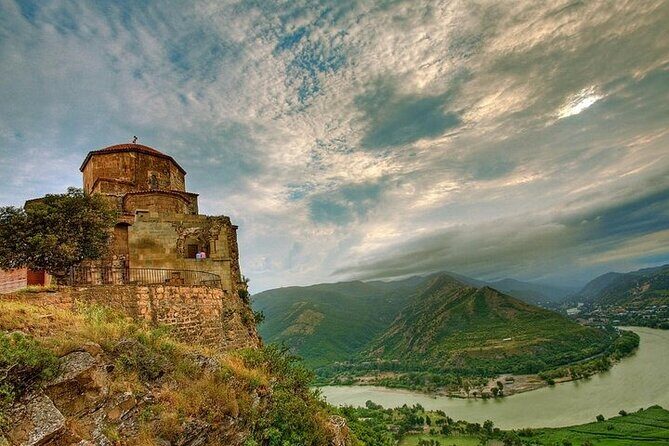
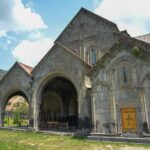
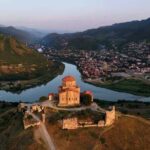
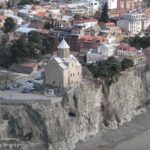
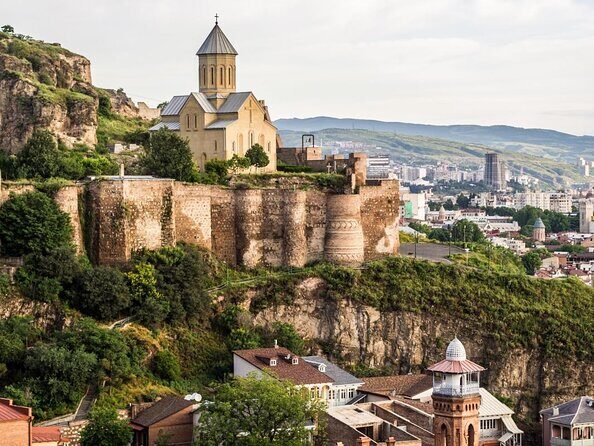
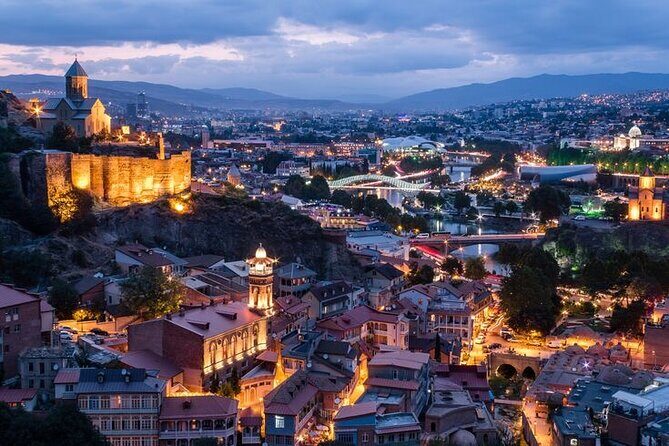
You begin at Metekhi Cathedral (Metekhi Church) on the left bank of the Mtkvari River, in the Avlabari neighborhood, opposite the old town. This is the kind of stop that instantly gives you orientation. You see the river position and the cliff setting, and suddenly the rest of Tbilisi’s geography makes sense.
What you’ll do: a short visit (about 20 minutes), mostly outside the experience of just looking at the church and the view lines.
Why it matters: it’s a clean “start point” for Tbilisi’s story—religious roots, river life, and neighborhood layout in one glance. Admission is free here, so it’s low-friction.
Potential drawback: the surroundings are naturally walk-and-look. If you don’t want any hills or uneven footing at all, mentally prepare for that first stretch.
Rike Park: Giant Chess and the City’s Playful Side
Next comes Rike Park, a spot locals and visitors use for strolling and hanging out. It’s known for Giant Chess and a large white grand piano—things you can’t really replicate elsewhere.
What you’ll do: a quick stop (around 20 minutes). Expect photos, a little wandering, and a breather from the more serious sights.
Why it matters: it’s the reminder that Tbilisi isn’t only cathedrals and viewpoints. It’s a living city where people play.
Potential drawback: since it’s a short stop, don’t expect a long sit-down break. You’re moving.
Other city tours we've reviewed in Tbilisi


Bridge of Peace: LEDs, Photos, and a Modern Downtown Anchor
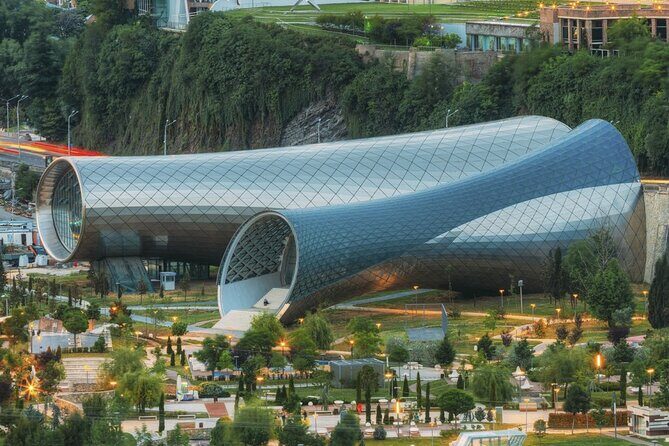
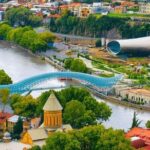
Then you’re at the Bridge of Peace, the steel-and-glass pedestrian bridge over the Kura River. It’s illuminated with LEDs, which makes it visually distinctive for photos—especially if your timing is later in the day.
What you’ll do: about 15 minutes. Walk, look, and get your bearings between the river zones and central downtown.
Why it matters: this bridge is an easy “marker” sight. Once you’ve seen it, you can locate a lot of the city’s other highlights in your mind.
Potential drawback: like most bridges, it can feel windy. If you’re sensitive to that, keep a light layer handy.
Shardeni Street: The Pedestrian Lane Everyone Mentions for a Reason
Jan Shardeni Street is one of the most famous pedestrian streets in Tbilisi. It’s the kind of place where you can drift without needing directions.
What you’ll do: around 10 minutes. It’s enough time to get the vibe and take photos without turning into a long shopping detour.
Why it matters: this is where Tbilisi goes “street-level”—life, texture, and the energy visitors expect from Georgia’s capital.
Potential drawback: pedestrian zones can get busy in peak times. If you prefer quiet, keep your time on this stop focused.
Kartlis Deda: The Sololaki Hill Monument Moment
Next is Kartlis Deda, the 20-meter aluminium woman-in-national-dress monument on Sololaki hill, placed to mark Tbilisi’s 1500th anniversary.
What you’ll do: about 15 minutes, mostly viewing from the area and learning what the figure represents.
Why it matters: this is another orientation stop. You’re positioned above the city, and you start understanding how the hills frame the neighborhoods.
Potential drawback: it’s a viewpoint style stop, so if you hate stairs or steep approaches, your experience depends on the exact route you take from the vehicle.
Narikala Fortress: The Overlook That Changes How You See the City
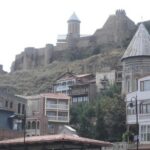
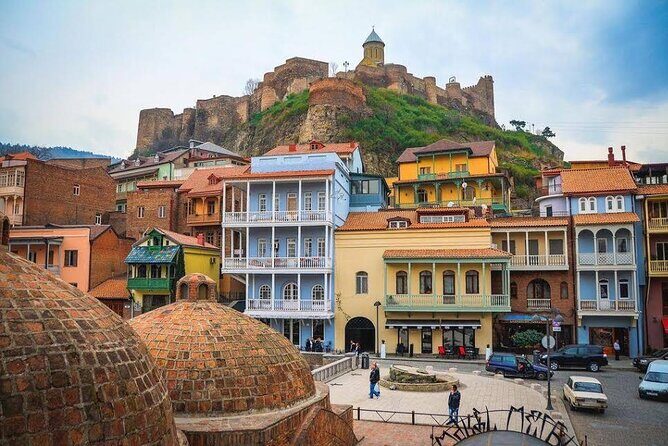
Then you climb into the “overlook” territory: Narikala Fortress above Tbilisi and the Mtkvari River. The fortress has two walled sections on a steep hill between sulfur baths and the botanical gardens. There’s also a recently restored St Nicholas church on the lower court.
What you’ll do: around 20 minutes. Expect some walking in fortress terrain and steps along the way.
Why it matters: this is the big geography moment. From here, Tbilisi looks layered instead of flat. You’ll understand why viewpoints are such a big deal in this city.
Potential drawback: the fortress area is step-heavy. One of the most practical tips you’ll hear is to wear walking shoes, and that advice is real here. If you have mobility limits, you might need to go slower or ask your guide to minimize extra steps.
Abanotubani: Sulfur Baths District and the Photo-Reward Feeling
Abanotubani is famous for the domed brick roofs of Tbilisi’s traditional bathhouses—classic Georgian architecture. You’ll also get a strong sense of place through the sulfur area.
What you’ll do: about 15 minutes. Walk around the district, look for good angles on the bathhouse roofs, and take photos.
Why it matters: it’s one of the most recognizable visual districts in the city. You’ll remember it later when you see similar domes on postcards.
Potential drawback: it’s not the stop to rush. If you’re sensitive to smells, this is the moment you’ll notice it most.
Dzveli Tbilisi Sulphur Waterfall: Tiny Stop, Fun Photos
Next is the Dzveli Tbilisi Sulphur Waterfall, a small spot noted as a great place for pictures.
What you’ll do: around 10 minutes. Treat it as a quick photo pause between bigger sights.
Why it matters: it’s one of those local-feeling details that makes the city feel more real than just monuments.
Potential drawback: don’t expect a long “attraction” here. It’s quick.
Freedom Square: The Center Point for City-Wide Context
You’ll pass through Freedom Square, the central square that’s been known by different names over time (including Soviet-era references). It’s located at the eastern end of Rustaveli Avenue.
What you’ll do: about 5 minutes.
Why it matters: it anchors the downtown geography. After this stop, you’ll usually feel like you’ve got the city’s central spine mapped.
Potential drawback: it’s brief. If you’re hoping for deep time-period detail at every stop, this portion may feel too short.
Mtatsminda Amusement Park: Views, Rides, and the City From Above
Now for the “top of the world” stretch: Mtatsminda Park on Mount Mtatsminda, overlooking Tbilisi. The park includes carousels, water slides, a roller-coaster, a funicular, and a Ferris Wheel near the edge of the mountain.
What you’ll do: about 30 minutes on this route. Depending on your energy, you might focus on views or on rides.
Why it matters: it’s the day’s most skyline-changing stop. You don’t just see Tbilisi; you see how high the city’s story climbs.
Cost reminder: if you want the funicular, that’s $10 per person and not included.
Potential drawback: there’s more walking in this area than you might expect from a “park” label. Also, if you skip rides and just want the view, you may still spend time getting around the park.
Chronicles of Georgia: Stairs to a Monument Near the Sea
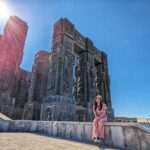
Next is the Chronicles of Georgia monument near the Tbilisi sea. It was created in 1985 but never fully finished, and it sits at the top of a large set of stairs.
What you’ll do: about 30 minutes. Plan for stair effort.
Why it matters: it’s a different kind of viewpoint. It’s not a skyline deck; it’s a monument with a big vertical approach, and it gives you another layer of national-scale storytelling.
Potential drawback: the stairs are real. If walking is already feeling tiring, this is the stop where you’ll feel it.
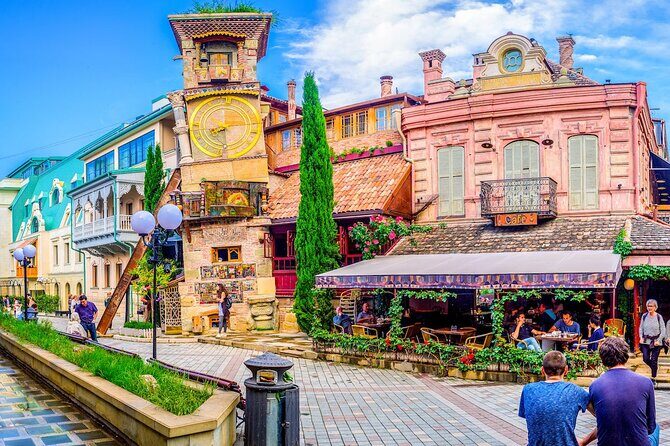
Rezo Gabriadze Marionette Theater: A Cultural Stop That’s Not Just Cute
You then hit Rezo Gabriadze Marionette Theater. It’s described as modest in size but highly regarded, with mature puppet performances that carry depth and meaning. Even if you don’t plan to watch a full show, it’s a memorable cultural pause.
What you’ll do: about 15 minutes.
Why it matters: it breaks up the heavy sightseeing pattern. Tbilisi isn’t only architecture; it has performance tradition too.
Potential drawback: with only a short stop, you may not see a full performance unless your timing lines up perfectly (timing details for shows aren’t provided here).
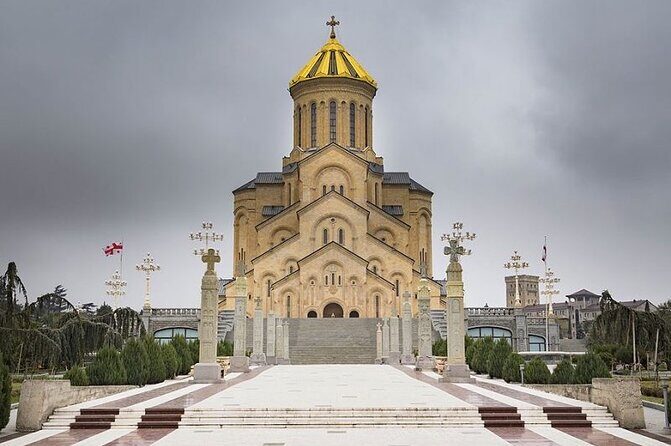
Tbilisi Holy Trinity Cathedral (Sameba): The Big Finish Worth Seeing in Person
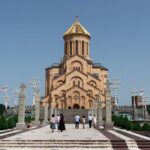
To close, you visit Tbilisi Holy Trinity Cathedral, known as Sameba, the main cathedral of the Georgian Orthodox Church in Tbilisi.
What you’ll do: about 20 minutes, focused on the cathedral itself and the scale.
Why it matters: Sameba is the kind of landmark that looks good in photos but lands differently when you’re standing in front of it.
Potential drawback: if you want deep history at every stop, some parts of this tour will feel like you’re skimming. One rating note mentioned wanting more in-depth historical context; this tour is strongest for highlights plus orientation.
The Real Difference Makers: Guides, Pacing, and Small Extras
This is a private tour, and that changes the tone. In the praise you’ll see patterns like:
- guides who explain what you’re looking at in plain language
- flexibility when plans shift due to road conditions
- good pacing for families, including kids questions and slower walking
I also noticed a few examples of guides going beyond the basics, like helping with ticketing to avoid long waits or steering people toward a Georgian lunch. One guide was even praised for friendly conversation and keeping the day entertaining in between stops.
Names that stood out across guide praise include Yasha (patient with children), Irakli (packing a lot in), George (efficiency, safety, lively explanations), Omar (attention and standout views), Beso (smooth guiding), Levani (organized and upbeat), David (strong explanations), and Otto (help with ticketing).
That doesn’t mean every guide will match every story, but it does tell you what kind of experience you’re buying: people skills plus a solid “walk-and-look” rhythm.
What I Suggest You Bring (So the Tour Feels Easy)
Based on how this route plays out, I’d plan for:
- comfortable clothes and walking shoes (steps and uneven areas happen)
- water (you’ll have bottled water provided)
- a layer for wind near rivers and viewpoints
- your camera ready, especially around the Bridge of Peace and viewpoints
If you’re traveling with kids, this tour can work well because the guide can adjust. If you’re not comfortable with stairs, you’ll want to set expectations with the guide before you commit to the fortress and monument stair stops.
Should You Book This Tbilisi City Tour?
Book it if:
- you’re in Tbilisi for a short time and want major highlights connected into one day
- you like having a guide help you place each sight in context fast
- you want hotel pickup and drop-off so you can start sightseeing immediately
Skip it or modify your expectations if:
- you’re chasing deep, stop-by-stop history. This tour is built around highlights and orientation, not long academic lectures at each point.
- you have mobility limits and can’t handle stairs. The fortress area and the monument stairs are the main “watch this” parts.
My take: at $75 for a private vehicle plus a guide and pickup, it’s a strong first-day option. You’ll finish with a map in your head and enough landmark memory to explore the rest of Tbilisi on your own the next day.
FAQ

How long is the Tbilisi city tour?
It runs about 4 to 5 hours.
Is hotel pickup and drop-off included?
Yes. Hotel pickup and drop-off are included.
What language is the tour offered in?
The tour is offered in English.
What does the $75 price include?
It includes the driver and guide, private vehicle transport, fuel surcharge, bottled water, hotel pickup and drop-off, and a mobile ticket for the tour.
Are the cable car and funicular included in the price?
No. The cable car ride costs $2.00 per person, and the funicular ride costs $10.00 per person.
Is this tour private or shared with strangers?
This is a private tour. Only your group participates.
Can I cancel and get a full refund?
Yes, free cancellation is available up to 24 hours in advance for a full refund.