REVIEW · TBILISI
Tbilisi: Old and New City Guided Tour with 2 Cable Car Rides
Book on GetYourGuide →Operated by Guide Tbilisi · Bookable on GetYourGuide
Two cable cars, two worlds of Tbilisi. In one short outing, you’ll see Old Town landmarks and the newer city viewpoints, all with a guide who ties the sights together. I especially love the panoramic photos you can grab from the cable cars, and the mix of walking plus car rides so you keep your energy. The only real catch is that you’ll cover about 2 miles on foot, so wear proper shoes.
This tour also feels easy because hotel pickup and drop-off are included, and the guide experience is usually the difference-maker. I’ve seen names come up again and again, like Mia, George, Emma, Nodar, Irina, and Giorgi, and they’re known for giving practical local tips along the way. One more thing to keep in mind: no food and drinks are listed as included, so plan for snacks and water when you need it.
At about $39 per person, you’re paying for more than a city walk. You get a live guide, transportation between areas, and the cable car tickets for both rides, which is a strong value if you want an organized overview without ticket headaches.
In This Review
- Key highlights to plan for
- Why the Old-and-New Loop Works So Well
- Rike Park to the First Peak Cable Car: Your Fast Orientation
- Narikala Fortress and the Mother of Georgia: The Classic Big Views
- Old Town Walkways: Metekhi to Anchiskhati, Clock Tower to Rezo Gabriadze
- Bridge of Peace, Patriarchate, and Ioane Shavteli: Learning the City’s Rhythm
- Turtle Lake Cable Car and Ropeway: The Second Viewpoint That Feels Like a Reset
- Two Cable Rides Means Two Photo Stories
- Guide Quality Is the Hidden Value Here
- Price and What You Actually Get for About $39
- Practical Tips: Shoes, Bags, Weather, and Realistic Expectations
- Who Should Book This Tour (and Who Might Skip It)
- Should You Book This Tour?
- FAQ
- How long is the tour?
- Is hotel pickup and drop-off included?
- Are cable car tickets included in the price?
- How much walking should I expect?
- What languages are available for the live guide?
- Can children under 18 join the tour?
Key highlights to plan for
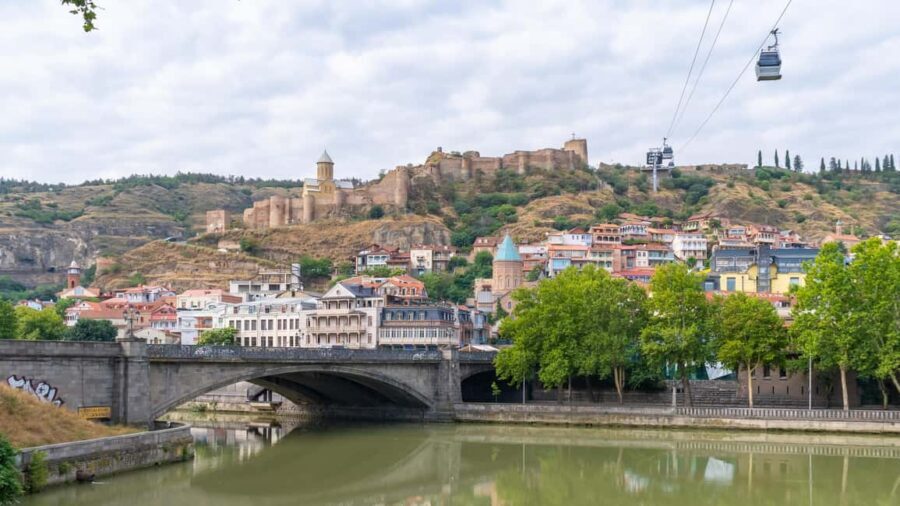
- Two cable car rides with big, different views from two heights
- Old Town classics like Narikala Castle and the Mother of Georgia statue
- Newer-city perspective with parks and modern architecture from the first peak
- A sensible walking plan with short stretches and vehicle hops between districts
- Local guidance on what to do next, including eat/see ideas for the rest of your trip
Why the Old-and-New Loop Works So Well
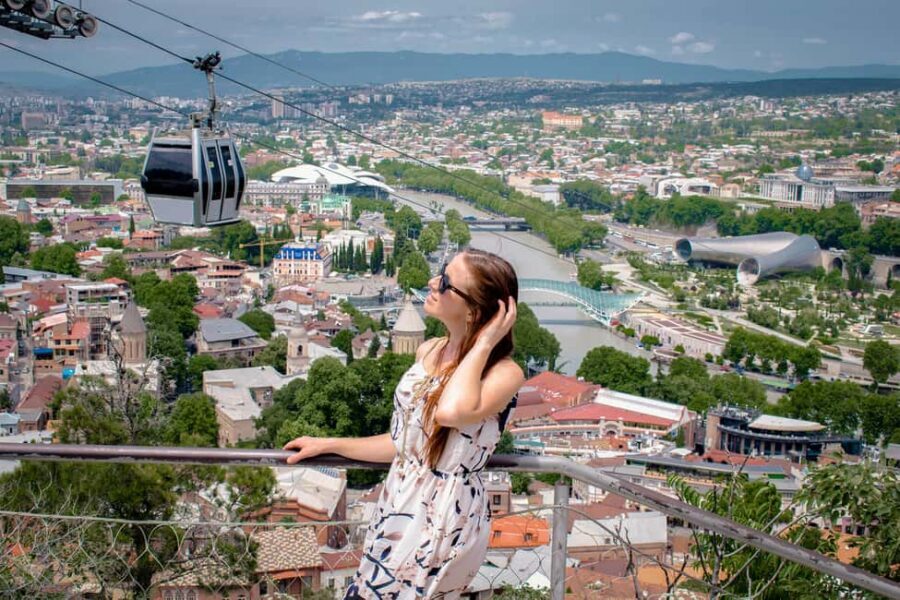
Tbilisi can feel like two cities in one day: you’ve got the postcard old streets and churches clinging to hills, then you’ve got modern neighborhoods with cleaner lines, parks, and apartments. What makes this tour useful is the structure. You don’t just wander randomly. You move from one “Tbilisi mood” to the next in a way that actually helps the city click.
I like that you get viewpoints early enough to get your bearings, then you work your way into the historic heart and round it out with a second scenic ride at Turtle Lake. The pacing is designed for a half-day: a little walking, a lot of seeing, and enough free moments to take photos without rushing everyone else.
If you’re the type who likes a guided story but still wants room to explore, this is a nice fit. Your guide answers questions as you go and often steers you toward what’s worth doing next—useful when you’re only in town for a couple days.
The main drawback is physical, not historical. You’ll be on your feet for roughly 2 miles total, and the surfaces can vary. If you hate hills or you’re not steady on your feet, you might want a different plan.
Other cable car tours we've reviewed in Tbilisi

Rike Park to the First Peak Cable Car: Your Fast Orientation
The tour starts with a pickup in Tbilisi and heads to Rike Park for a photo stop and guided context. This is one of those places where the city opens up quickly: you can see how the river, bridges, and old neighborhoods relate to each other. It’s a good early stop because it gives your brain an outline before you start climbing and crossing viewpoints.
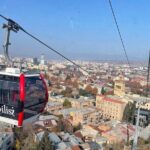
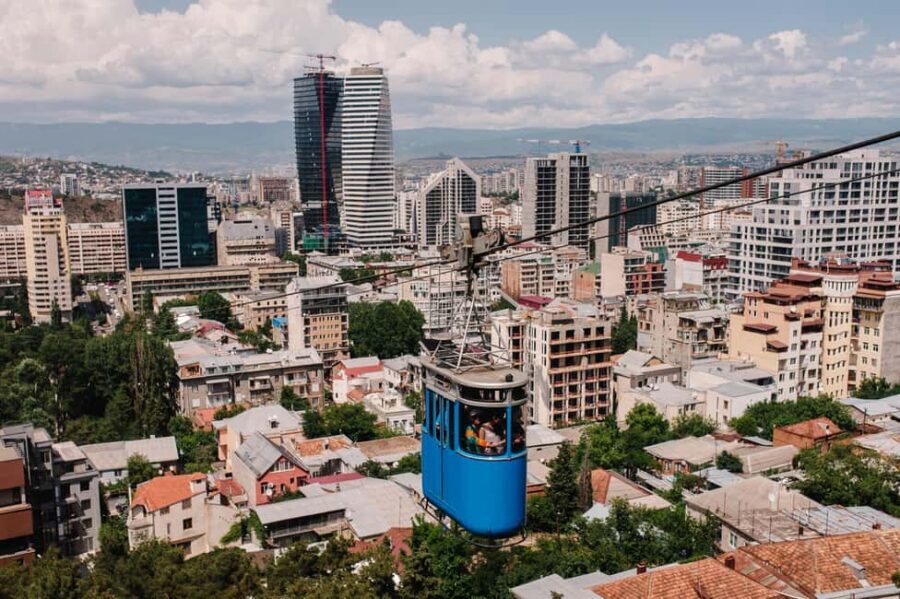
From there, you go to the Tbilisi cable car area for your first ride. This is where the “two worlds” theme becomes real. The cable car lifts you above the urban texture so you can spot the city’s layout in a single glance—new districts, green spaces, and the way the older parts cluster around the slopes.
What I like about starting with the first cable car is that you’re not guessing what you’re looking at. Your guide helps you match what you see from above to what you’ll visit on foot. That turns a view into something you can actually understand, not just admire.
If you’re traveling with kids or you’re a bit short on time, cable cars also make the tour feel smoother. You still get the drama of height without spending all day on stairs.
Narikala Fortress and the Mother of Georgia: The Classic Big Views
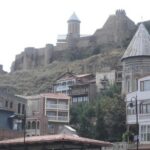
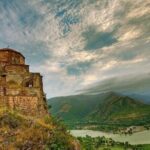
After the first peak, you shift into the old defensive-and-spiritual zone with Narikala Fortress. You might pass by it at first, but the main point is the vantage. This spot is tied to Tbilisi’s identity—history here isn’t abstract, it’s visible in stone, walls, and the way the hill dominates the city.
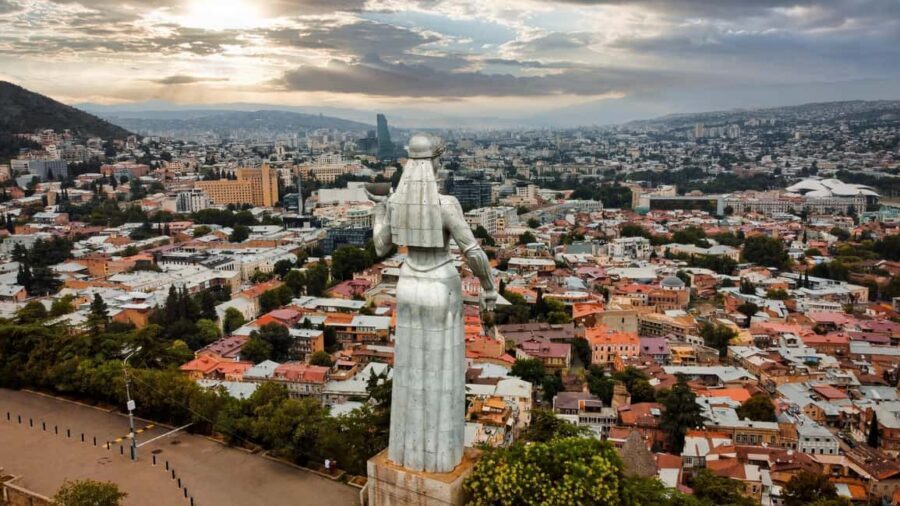
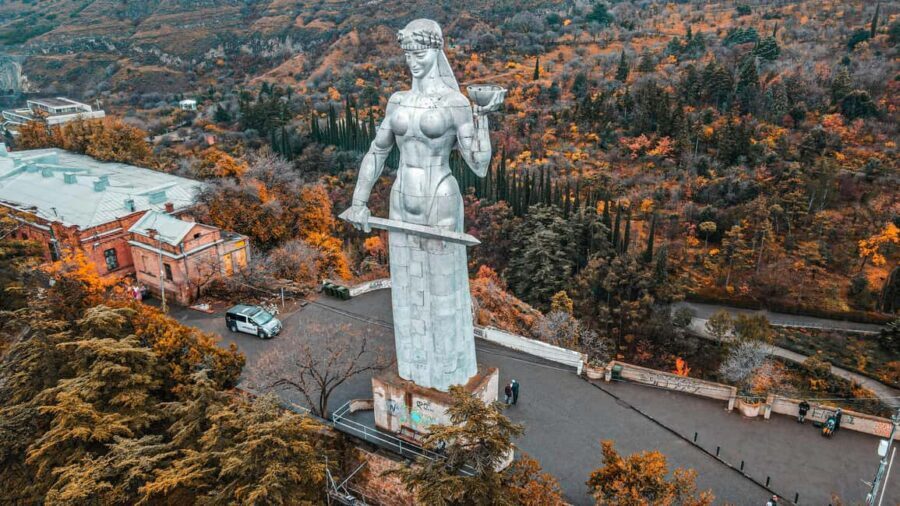
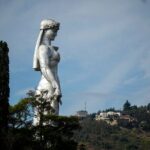
Next comes Mother of Georgia, one of the most recognizable statues in the area. From this higher viewpoint, you’ll get a strong sense of scale: the river bends below, rooftops spread out, and the city looks like it’s stacked in layers. Your guide typically explains what the landmarks mean and why this hilltop matters in the story of Tbilisi.
Then you move through the neighborhood viewpoint chain with stops that help you connect religion, power, and daily life. One example is Metekhi St. Virgin Church, which offers another photo moment and a change of perspective on the river-and-hill setting. These stops aren’t just checkboxes. They help you understand why so many buildings in Tbilisi cling to specific ridges and slopes.
Practical note: at these viewpoints, wind and sun can be real. Bring weather-appropriate clothing and plan to take photos quickly when the light is good, because clouds and weather can shift fast.
Old Town Walkways: Metekhi to Anchiskhati, Clock Tower to Rezo Gabriadze

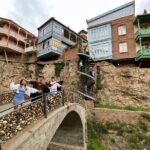
Once the tour settles into old-city mode, you start sampling Tbilisi street by street, stop by stop. You’ll spend time in Old Town proper, with guided visits plus breaks to wander and take photos at your own pace.
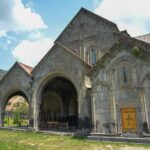
A highlight here is Anchiskhati Basilica. This isn’t just a beautiful church exterior moment. In this part of town, your guide’s explanation matters because you’re seeing how the city’s layers build over time. If you like understanding what you’re standing in front of, this stop usually feels like it pays off.
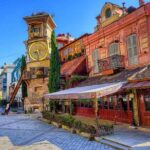
Then there are the urban icons that make Tbilisi feel modern-smart without losing character. The Clock Tower is a key photo stop, and it’s the kind of place that helps you orient your “maps in your head.” After that, Rezo Gabriadze Theater adds a more playful, local flavor. It’s not as purely monumental as some churches, but it’s memorable and helps break up the heavy stone-and-history feeling.
One thing I appreciate is the mix of guided explanation and free time. You get enough structure to learn something, but not so much that you can’t pause for questions, photos, or just to stand still and watch street life.
Bridge of Peace, Patriarchate, and Ioane Shavteli: Learning the City’s Rhythm
Between the bigger landmarks, the route includes key walk-and-photo sections designed to connect the dots. The Bridge of Peace is one of those stops that works both as a sight and as a transition. It’s also a place where you can look back and forth—new-city lines versus old-city textures—without needing to keep climbing.
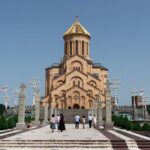
You also pass or visit Patriarchate of Georgia, another important anchor in the city’s cultural and religious setting. From there, the tour continues along Ioane Shavteli Street, where walking helps you feel the pace of Tbilisi up close. It’s a good segment for photos and small discoveries, but it’s also a breather before the next heavier viewpoint.
These sections can include a bit of “pass by” time, and that’s not always a downside. It helps you stay oriented while keeping the tour efficient. The best way to use these moments is simple: keep your phone charged, look up as you walk, and ask your guide what to watch for next. That habit makes the city feel less like a list.
Other guided tours in Tbilisi

Turtle Lake Cable Car and Ropeway: The Second Viewpoint That Feels Like a Reset
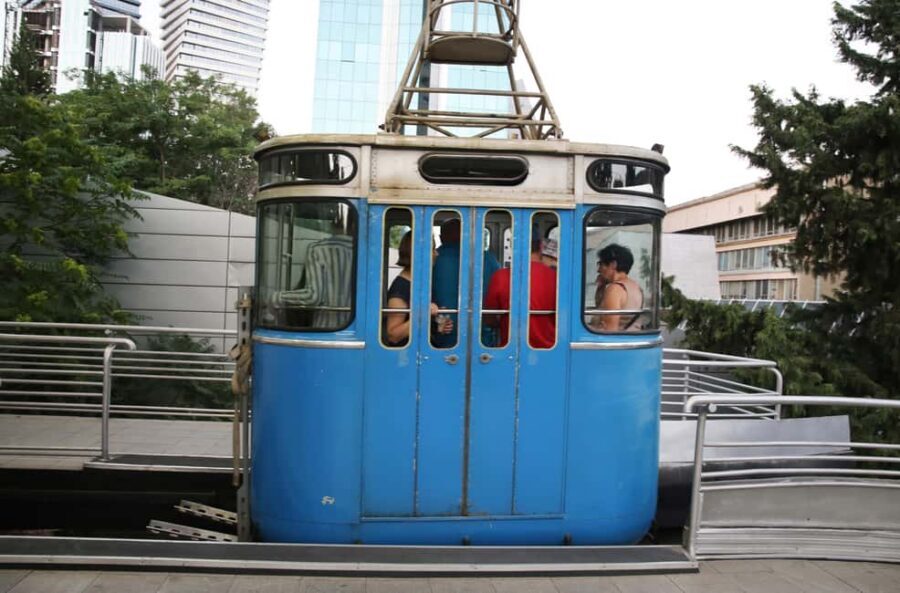
This tour’s final act shifts from city streets to a park-and-lake mood. You’ll reach Turtle Lake, a scenic break where the setting cools down compared to the downtown intensity. It’s a visit with guided context, photo time, and time to hang out.
The most important part for many people is the second scenic lift: the Turtle Lake cable car upper station and the Turtle Lake ropeway ride. This isn’t just a repeat of the first cable car. It changes the feel: you’re higher above a greener environment, and the angle lets you see a different shape of the city and surrounding area.
I’ve found these second rides work well psychologically. After walking through dense historic streets, the ropeway acts like a reset button. You get fresh air, big views, and a chance to decompress before you head back.
There can be surprises. On at least one recent departure, there was a power outage around Turtle Lake, and the group still had a calm, pleasant time under trees while waiting. That’s not something you can plan for, but it’s a reminder that nature and systems don’t always follow scripts. Your guide’s job is to keep things smooth when timing gets weird.
If you’re visiting in warm months, go earlier in the day. Heat can build quickly, and starting sooner makes Turtle Lake more comfortable.
Two Cable Rides Means Two Photo Stories
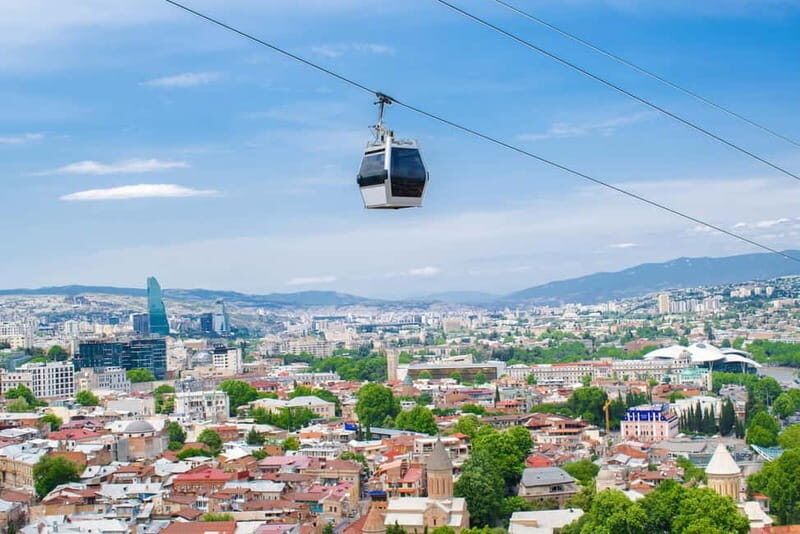
Here’s the real value of doing both cable cars in one tour: you get two different “visual narratives.”
1) First peak cable car: more citywide structure. You can see district patterns, the river’s bend, and how modern Tbilisi spreads out.
2) Turtle Lake ropeway: more “green + airy” framing. You see the softer side of Tbilisi and a different way the hills shape the city.
When you pair that with the walking stops below, it turns into a coherent overview rather than random sightseeing. I love when a city tour helps you understand geography, not just monuments. With this route, your brain starts mapping Tbilisi in layers.
Also, the photo stops are timed so you’re not always sprinting. You get time at viewpoints and short photo moments at landmarks like Mother of Georgia, the Clock Tower area, and the lake. That means you can take a breath between picture bursts.
Guide Quality Is the Hidden Value Here
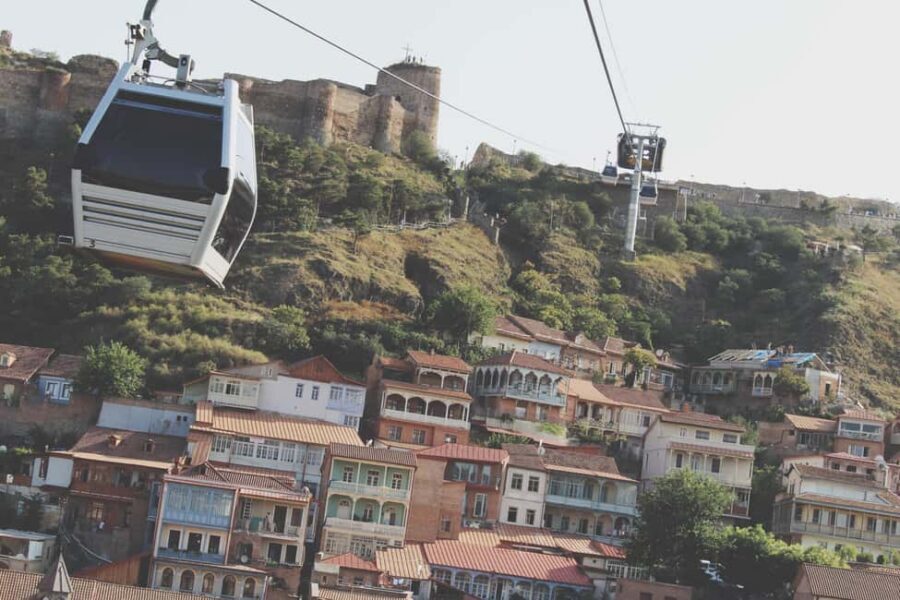
The tour stands or falls on the guide, and the good news is that the guides people name in their feedback are consistently praised. Mia and George are frequent standouts, and Emma, Nodar, Irina, and Giorgi also show up as favorites.
What you’re really buying is the ability to ask questions and get straight answers. Guides typically share local context, point out what matters visually, and give you practical follow-ups for your remaining time in Tbilisi. That might be where to go next, what to prioritize, and how to avoid wasting time.
I like that the guide is part teacher, part local friend. You’re not just listening to facts. You’re getting real recommendations shaped by how people actually live in the city.
Price and What You Actually Get for About $39
Let’s talk value, because $39 in one city might mean a short walk, and in another it can mean real experiences. Here, the price includes:
- Guide
- Hotel pickup and drop-off
- Transportation
- Cable car tickets for both rides
- Skip the ticket line
Food and drinks are not included. That matters, but it also means you have freedom to choose what you like afterward. I’d just plan a snack in advance or budget for coffee or a meal after the tour.
If you’re comparing options, the big cost-saving isn’t just the guide. It’s the two cable car tickets plus being shuttled between districts without you having to figure out routes and timing. For first-time visitors, that can be worth more than it sounds.
Private and small-group options are available if you want a more controlled pace. That can help if you travel with family, want more time at photo spots, or prefer fewer people around you.
Practical Tips: Shoes, Bags, Weather, and Realistic Expectations
A few logistics can make or break your day, so plan smart:
- Bring comfortable shoes. There’s about 2 miles of walking total, and the terrain can include hills and uneven ground.
- No luggage or large bags are allowed. Pack light so you can move easily between stops.
- Wear weather-appropriate clothing. Heights and open areas can feel colder or windier than you expect.
- Languages offered are English and Russian, so choose based on what you’re most comfortable with.
Timing can also affect your experience. In hotter months, starting earlier helps a lot, especially once you’re at Turtle Lake.
Who Should Book This Tour (and Who Might Skip It)
This tour is a strong match if:
- you want a first-day overview of Tbilisi without spending hours planning
- you like viewpoints and photos, not just museums
- you enjoy guided context and practical tips for the rest of your trip
- you want a plan that mixes walking with car rides to manage energy
It might be a weaker fit if:
- you have mobility impairments or you need a fully accessible route (this one isn’t suitable)
- you have trouble with moderate walking distances
- you plan to bring large luggage or bulky bags
- you’re traveling with a youth under 18 unless you choose the private option
Also, for anyone sensitive to crowds: small-group or private versions can make the day feel calmer.
Should You Book This Tour?
I’d book it if you want an efficient, scenic introduction to Tbilisi that goes beyond a checklist. The combination of Old Town landmarks, the Bridge of Peace connection, and the two cable rides creates a tour you can remember as a map of the city, not just a string of stops.
Don’t book it if walking 2 miles is a deal-breaker, or if you strongly prefer to do everything at your own pace with zero structure. In that case, a self-guided Old Town plan plus a separate cable car visit might suit you better.
If you do book, use the day well: ask your guide what to prioritize after the tour, and pay attention to what you’re seeing from above. The best part isn’t only the views. It’s how quickly you start understanding Tbilisi once you’ve looked at it from those cable car angles.
FAQ
How long is the tour?
The duration is 2 to 4 hours, depending on the starting time and the day’s flow.
Is hotel pickup and drop-off included?
Yes. The guide includes pickup and drop-off from your accommodation in Tbilisi.
Are cable car tickets included in the price?
Yes. Cable car tickets are included, covering the two cable car/ropeway rides in the experience.
How much walking should I expect?
You should expect roughly 2 miles of walking total.
What languages are available for the live guide?
The live tour guide is available in English and Russian.
Can children under 18 join the tour?
Youth under 18 are only allowed on private tours.