REVIEW · TBILISI
Classic Tbilisi Walking Tour
Book on Viator →Operated by Georgian Holidays · Bookable on Viator
Tbilisi hits fast—especially on foot. This classic walk strings together Freedom Square, the Bridge of Peace, and a cable-car ride to Narikala Fortress, so you get both “old city” charm and big views in one morning. You’ll also get the kind of city context that helps you understand what you’re seeing as you go.
I like that the route is built for getting your bearings quickly: you start right at Freedom Square and move through recognizable, central spots without wasting time. I also like the mix of stops—churches with layered spiritual history, a modern river crossing, then a hilltop fortress—so the walk stays interesting even if you’ve only got a short stay in Tbilisi.
One thing to consider: you’ll be walking uphill and down, with a church section that requires respectful dress and head coverings for women. If stairs or hills slow you down, plan your pace and wear grippy shoes.
In This Review
- Key highlights at a glance
- Freedom Square start: Sololaki streets with a real local guide
- Lado Gudiashvili Square and Kldisubani: where renewal meets the old streets
- Betlemi Churches and the 5th-century Ateshgah fire temple remains
- Bridge of Peace over the Mtkvari River: modern Tbilisi in one bow
- Narikala Fortress by cable car: hilltop views that justify the climb
- Abanotubani finish: Sulfur Bathhouse area and the Falcon and Pheasant fountain
- Soviet-era context: how the guide helps you read what you see
- Price and value: what $134 includes, and what you’ll need to budget
- Timing, pacing, and group size: why 3 hours can feel like a full morning
- Who should book this classic Tbilisi walking tour?
- Should you book this Tbilisi Classic Walking Tour?
- FAQ
- What’s the price for the Classic Tbilisi Walking Tour?
- How long is the tour?
- What language is the tour offered in?
- Where do you meet, and when does it start?
- What’s included in the tour price?
- Is lunch included?
- Do I need special clothing for the churches?
- Does the tour run in bad weather?
- Is there free cancellation?
Key highlights at a glance
- Freedom Square to Sololaki: a smooth start near the old city hall area and freshly renovated streets
- Betlemi Churches route: a stair climb that also connects to older spiritual layers (Ateshgah Fire Temple remains)
- Bridge of Peace views: a modern glass-and-steel bow over the Mtkvari River for quick photos and perspective
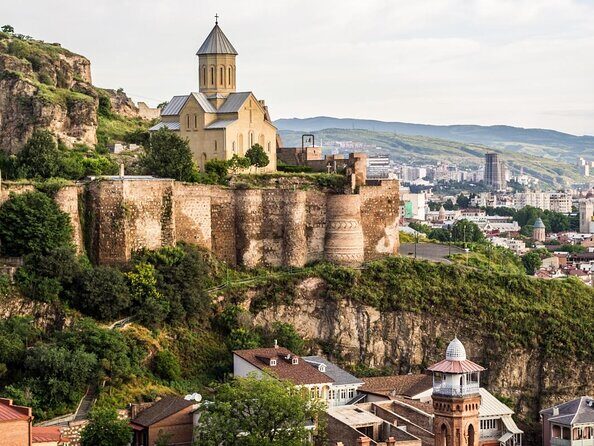
- Narikala Fortress by aerial cable car: included ride plus a full hour on the hilltop
- Abanotubani finish: you end near the Monument Fountain Falcon and Pheasant, right where many people explore Sulfur Baths
Freedom Square start: Sololaki streets with a real local guide
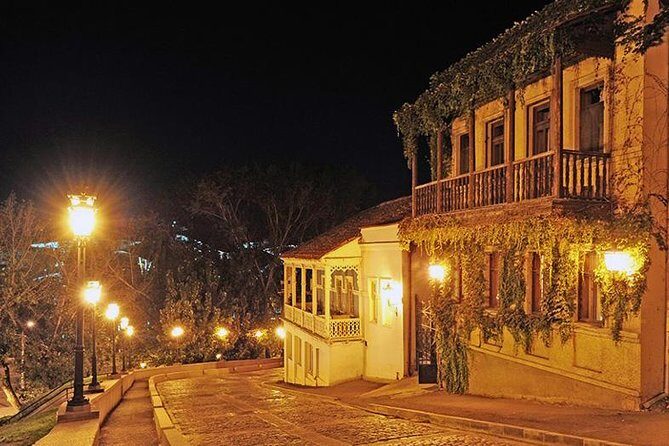
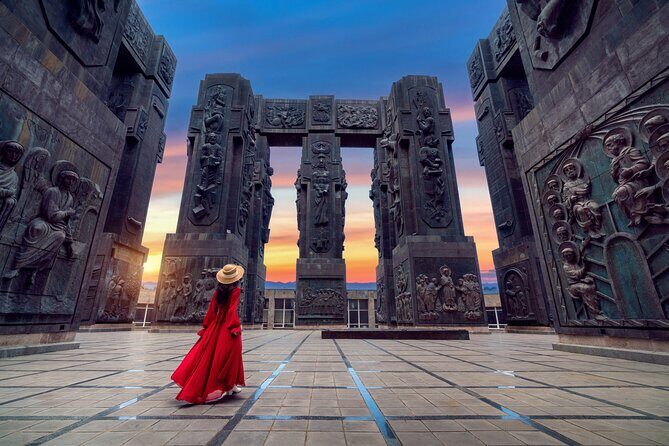
You meet at Chronograph2 Freedom Square, near the old city hall area, at 10:00 am. The first stretch is all about atmosphere: you’re walking on recently renovated streets through Sololaki, so the “feel” of central Tbilisi is right in your face without being chaotic.
What makes this start work is timing and flow. Starting at a central square keeps the group together, and you’ll already be oriented to key landmarks for the rest of your trip. A strong guide matters here too—some guides (including Eka, as one guest noted) manage to keep the pace friendly and the explanations easy to follow.
Other Tbilisi walking tours we've reviewed in Tbilisi



Lado Gudiashvili Square and Kldisubani: where renewal meets the old streets
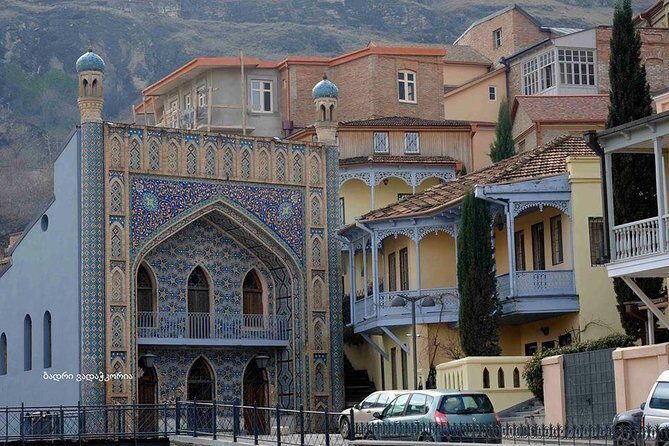
Next you reach Lado Gudiashvili Square, recently renovated. From there, the walk follows Asatiani Street toward the Kldisubani district, which is a nice change from the wide-open feeling of squares.
This is one of those sections where you learn to read the city beyond the postcard spots. Newer facades and tidy public areas sit right beside older street patterns, so you start noticing how neighborhoods evolve while keeping their basic layout. It’s a good reminder that Tbilisi isn’t just a museum—it’s a working city.
Betlemi Churches and the 5th-century Ateshgah fire temple remains
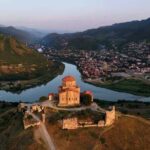
After the city streets, you shift into a more scenic and historical zone with the route to the Lower and Upper Betlemi Churches. The walk goes uphill and you’ll have beautiful views around the church area.
Here’s the history angle that makes this stop more than just a scenic photo break: you’re looking at the remains of a Zoroastrian Ateshgah Fire Temple from the 5th century. That means you’re seeing a place layered with different beliefs over many centuries, right in the same walking corridor.
Practical note: churches have a dress code. Women are expected to wear a head scarf and a dress; men should wear long trousers. If you’re short on time and packing light, plan a scarf and long pants before you go—this stop is worth doing properly.
Bridge of Peace over the Mtkvari River: modern Tbilisi in one bow
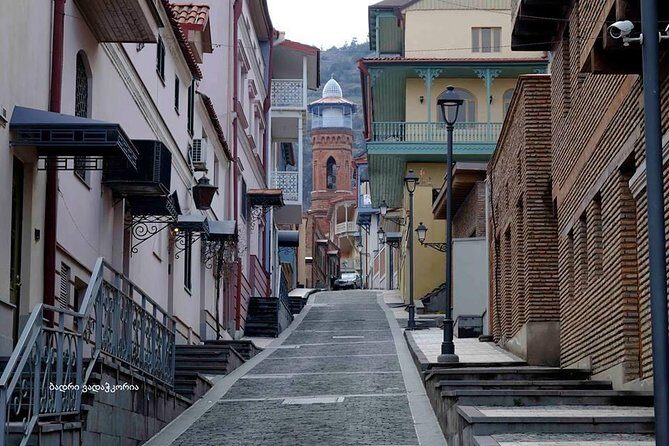
Then you cross into contemporary Tbilisi with the Bridge of Peace—a pedestrian glass-and-steel bridge shaped like a bow over the Mtkvari River. This stop is short (about 30 minutes), but it does an important job: it gives your eyes a reset between older streets and the climb toward the fortress.
If you like photos, this is a great moment to pause and look at the river lines and the city blocks around it. If you don’t, you’ll still appreciate it as a visual “chapter break.” It’s also an easy stop to stay relaxed at—unlike the fortress approach, you don’t feel rushed here.
Narikala Fortress by cable car: hilltop views that justify the climb
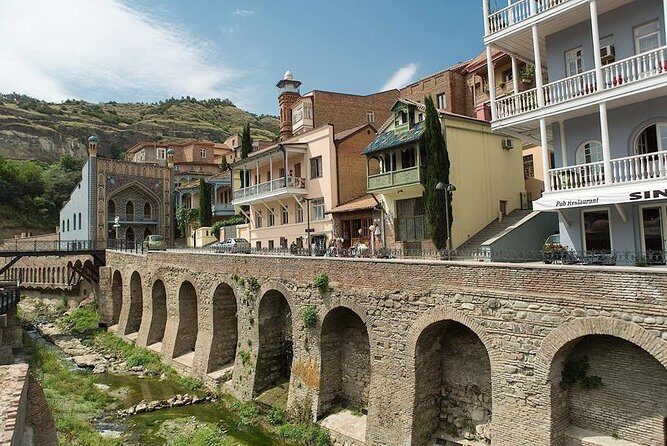
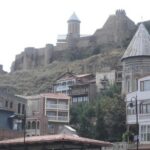
The walk then brings you to the aerial cable car area for Narikala Fortress. The fortress dates back to the 4th century, and you’ll spend about 1 hour up there.
This is the included highlight, and you can feel why: the fortress sits high, and the views make the whole trip feel like it moves beyond streets. The cable car also saves time and energy. Even if you’re a confident walker, it’s a smarter way to reach the top when you’re doing the full loop in one tour.
One practical tip: bring a layer if the weather feels cooler up on the hill. The tour runs in all weather conditions, so dress for rain or wind too. Comfortable shoes matter here—fortress areas can be uneven even when the walking feels light.
Other walking tours we've reviewed in Tbilisi


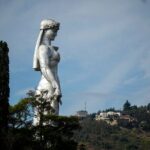


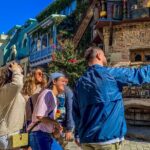
Abanotubani finish: Sulfur Bathhouse area and the Falcon and Pheasant fountain
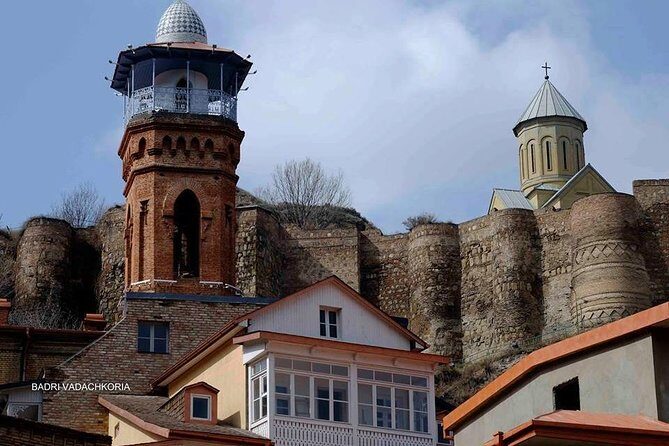
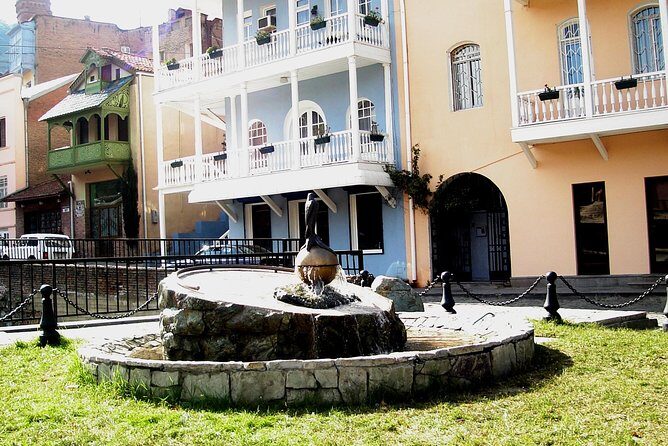
After the fortress, you head back down toward the Sulfur Bathhouse area in Abanotubani. You’ll also reach Meidan Square and the surrounding areas, ending the tour near the Monument Fountain Falcon and Pheasant.
This finish is smart because it drops you exactly where people want to wander next. Whether you’re planning to watch the bathhouse area from the sidewalks or just want a lively neighborhood to explore on your own, you finish at a place that makes sense for continuing the day.
End point detail matters if you’re coordinating transport plans. This tour ends at Abanotubani near that fountain, so you’re not left guessing where to go next—you can step out of the tour with a clear destination.
Soviet-era context: how the guide helps you read what you see
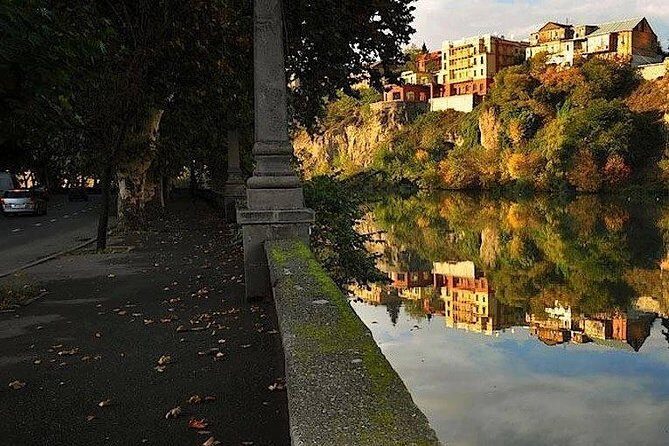
One of the tour’s quiet strengths is the way it ties landmarks to the story of Tbilisi under Soviet influence. As you move through squares, streets, and major transitions like the river bridge and the fortress hill, your guide is set up to explain what changed over time.
That matters because Tbilisi can feel like it’s mixing eras in one frame: older religious sites, modern architecture, and neighborhoods that show both restoration and continuity. With a guide, you don’t just see buildings—you understand why they sit where they do, and how the city’s political and cultural shifts left physical traces.
This is also where the guide personality really shows. One guest specifically praised Eka for being friendly, engaging, funny, and flexible with preferences—and for answering questions without running out of ideas. That kind of guide makes “free time afterward” easier too, since you’ll know where to go and what to look for.
Price and value: what $134 includes, and what you’ll need to budget
At $134 per person, this isn’t the cheapest walk in town—but it’s also not overpriced for what you get. The price covers a professional guide and the aerial cable car ride to Narikala Fortress. That’s the expensive part of the experience, and it’s done for you.
Admission for the major walking stops is listed as ticket-free, and the Narikala time includes the fortress cable car component. What’s not included: tips, lunch, and no hotel pickup or drop-off.
So the value equation looks like this:
- You’re paying for expert guidance plus a cable car transfer
- You’re not paying for the standard site entries mentioned for stops along the walk
- You can keep your own schedule intact after the tour because the ending point is in an active neighborhood
If you’re a first-time visitor, this can be a smart use of money. The guide helps you avoid spending your next day wandering in the wrong direction.
Timing, pacing, and group size: why 3 hours can feel like a full morning
The tour runs about 3 hours. That’s long enough to move between multiple neighborhoods and include the fortress climb via cable car, but short enough that you can still plan lunch and additional exploring afterward.
Group size is capped at 99 travelers. That’s a wide range in theory, but with a central-route structure and scheduled stops, it typically works best for moving as a unit. If you prefer very small-group attention, you might still enjoy the tour for the big-picture orientation, but you may want to ask your guide questions during transitions and stop breaks.
Also note the tour is operated in all weather conditions. Bring rain protection even if the morning looks fine. The route includes outdoor walking, uphill sections, and time on the fortress hill.
Who should book this classic Tbilisi walking tour?
This tour is a great fit if you:
- Want a first-stay orientation to central Tbilisi
- Like a route that mixes squares, churches, a modern bridge, and a hilltop fortress
- Prefer a guided structure that helps you connect places to context, including Soviet-era history
- Are okay with walking ups and downs and dressing properly for churches
It’s also a good choice if you want to finish near Abanotubani so you can keep exploring after the guide leaves. If you’re traveling with limited time, starting at 10:00 am is usually perfect for turning the rest of the day into free-choice wandering.
Should you book this Tbilisi Classic Walking Tour?
If your goal is to get grounded in Tbilisi fast, I’d say yes—especially for the included NarikaIla cable car and the fact that the walk links key city “chapters” without dragging. The guide quality seems to be a major strength here, and the route design does a good job of keeping you moving while still giving you stops that make sense.
I’d skip it or plan differently if you’re not comfortable with hills and stair sections, or if church dress code is a hassle and you don’t have a scarf and long trousers. Also, if you already know the city well, you might find the route repetitive. But for most first-time visitors, this is an efficient way to learn the city’s geography and history at walking speed.
FAQ
What’s the price for the Classic Tbilisi Walking Tour?
The price is $134.00 per person.
How long is the tour?
It lasts about 3 hours.
What language is the tour offered in?
The tour is offered in English.
Where do you meet, and when does it start?
You meet at Chronograph2 Freedom Square near the old city hall area, and the tour starts at 10:00 am.
What’s included in the tour price?
The tour includes a professional guide and a ride on the aerial cable car to Narikala Fortress.
Is lunch included?
No, lunch is not included.
Do I need special clothing for the churches?
Yes. Women are expected to wear a head scarf and a dress, and men should wear long trousers.
Does the tour run in bad weather?
It operates in all weather conditions, so dress appropriately for rain or wind.
Is there free cancellation?
Yes. Free cancellation is available if you cancel up to 24 hours in advance for a full refund.