REVIEW · TBILISI
Half-Day Famous Georgian Supra Feast
Book on Viator →Operated by Georgian Promenade · Bookable on Viator
Four hours, straight to Georgian joy. I love the way the evening pairs an Old Tbilisi walk with stops like Meidan Bazaar and Metekhi Cathedral, then hands you the skills for a hands-on khinkali and khachapuri master class. One watch-out: English support can vary a bit depending on the group, so go in ready to be flexible.
You’ll get a real Georgian supra feast with homemade wine and chacha, plus teach-back on toast order and how to drink from a horn. The format is friendly and small (max 8 people), private transportation is included, and it runs about 4 hours starting at 5:30 pm.
In This Review
- Key highlights worth planning for
- The timing is smart: an evening that moves from streets to supper
- Old Tbilisi walk: Meidan Bazaar to the Holy Trinity Cathedral
- The khinkali and khachapuri master class that actually sticks
- Visiting hereditary winemakers: the host energy matters
- The supra meal: what’s on the table and how you’re taught to eat
- Supra etiquette: toasts in order, horn drinking basics
- Alcohol included, so plan your pace
- Songs, polyphony, and dance practice you can join
- Price and logistics: where the $150 really goes
- Who should book this famous Georgian supra feast
- Should you book it?
- FAQ
- What time does the Half-Day Famous Georgian Supra Feast start?
- How long is the tour?
- What’s the price per person?
- Is the tour in English?
- What’s included in the price?
- Can I cancel for a full refund?
Key highlights worth planning for
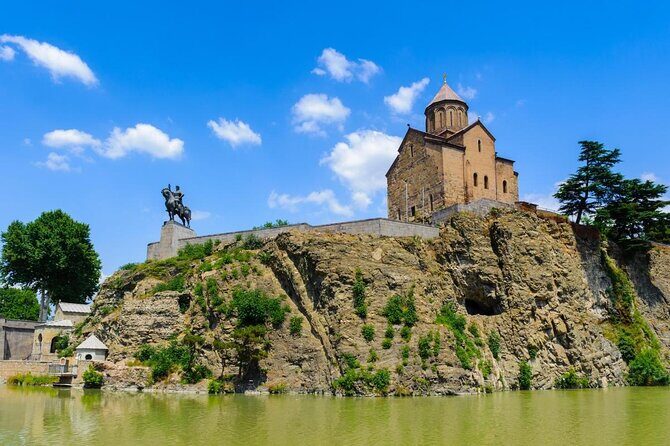
- Old Tbilisi story walk: Meidan Bazaar, Metekhi Cathedral, Rike Park, and Tbilisi Holy Trinity Cathedral, explained with legends and traditions
- Hands-on cooking: khinkali and khachapuri master class tied directly to what you’ll eat later
- Family winemakers setting: a hereditary wine family home where you can wander, snack, and take photos
- Supra etiquette lesson: the sequence of toasts and horn-drinking basics
- Music you can join: songs, dance practice with professional dancers, and Georgian polyphony (UNESCO-listed)
The timing is smart: an evening that moves from streets to supper

Starting at 5:30 pm is a big part of why this works. You’re not stuck choosing between sightseeing and dinner. Instead, the trip flows like a Georgian evening should: a walking warm-up in historic parts of Tbilisi, then a home-hosted meal and cultural program that builds as the night gets going.
You also get a clear value blend for the price. For $150 per person, you’re not just buying food. You’re paying for transport, instruction, a guided culture lesson, and a full meal experience that includes alcoholic beverages, coffee or tea, and a big spread. It’s the kind of outing where you leave with both photos and skills, not just an “I ate something” memory.
Small group size (up to 8) matters here. When the group stays tight, your host/tamada can actually work the room, explain the rules of the feast, and make sure you’re not standing at the edge while everyone else joins in.
Other Georgian cooking classes we've reviewed in Tbilisi


Old Tbilisi walk: Meidan Bazaar to the Holy Trinity Cathedral
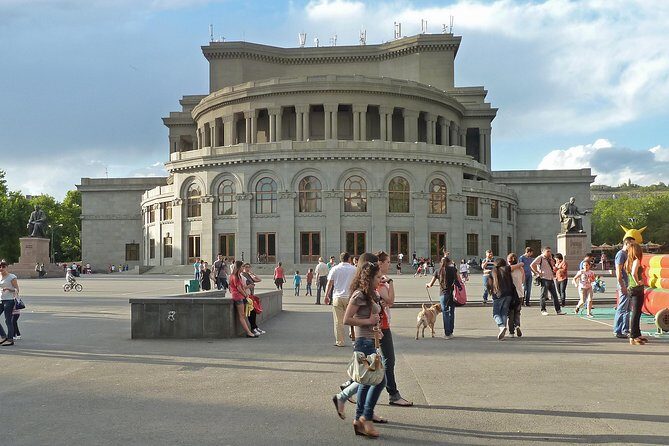
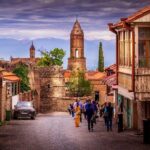
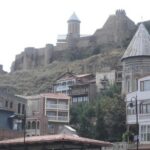
The tour begins with a guided walk through old Tbilisi, with your guide sharing history, legends, and traditions as you go. The stops are classic city anchors, and they’re placed in a logical order that feels like you’re getting your bearings fast.
Here’s what you’ll see during the walk:
- Meidan Bazaar
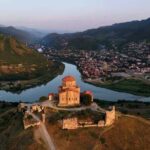
- Metekhi Cathedral
- Rike Park
- Tbilisi Holy Trinity Cathedral
What I like about this approach is that you’re learning context while you’re still outside. You don’t wait until dinner to understand what you’re looking at. By the time you reach the family home later, the stories make the meal feel connected to the place, not like you got bused somewhere generic.
Practical tip: wear comfortable shoes. Even though it’s only about 4 hours total, a walking tour inside historic areas can add up, and you’ll likely want your feet ready for the evening itself (plus moving between photo stops).
The khinkali and khachapuri master class that actually sticks
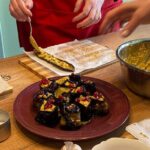
This is where the evening turns from “tour” to “you can do this.” Before the feast fully kicks off, you watch and then take part in a master class focused on two Georgian favorites: khinkali and Adjarian khachapuri.
Khinkali is the signature dumpling, and you’ll get a feel for how it’s handled as part of the cooking process. Khachapuri—especially the Adjarian style—is known for its dough, cheese, and eggs served hot. In other words, this isn’t a dry lecture. You’re learning skills that match what will land on your table afterward.
I also like the pacing: while the hosts prepare cooking and the meal is coming together, you get time to inspect the house territory and take pictures. That wait isn’t empty time. It’s built in so you can settle, look around, and catch the vibe of the home before you sit down to eat.
If you’re the type who enjoys food culture beyond recipes—this works. You learn technique and you learn meaning. Georgian food is often served with stories attached, and this setup makes those connections.
Visiting hereditary winemakers: the host energy matters
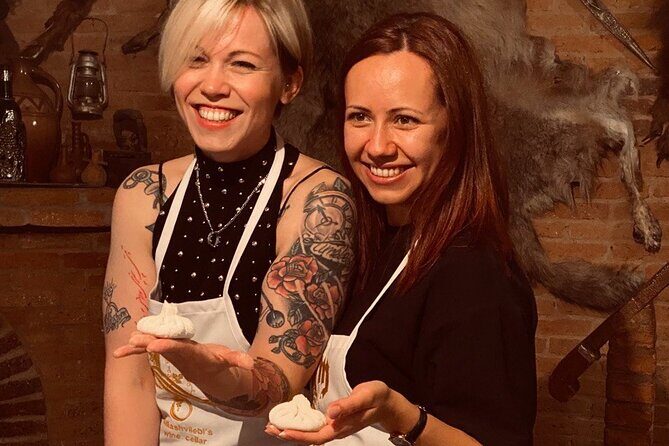
A key part of the experience is that you’re not just eating in a restaurant. You’re visiting a Georgian family of hereditary winemakers and culinary specialists. That “arriving to friends” feeling comes from the atmosphere: you’re guided, you’re brought into the rhythm of the house, and the evening has a social flow, not a formal dining line.
This also explains why the small-group format is so important. When the host/tamada is running the show, fewer people means you’re easier to involve—whether that’s asking questions, trying a toast rhythm, or getting encouraged to join dance practice later.
During the cooking stage, you’ll also have time to explore the property and take photos. The views from the home area are described as unrealistically beautiful, and it’s the kind of photo moment that doesn’t feel staged. It’s earned by being there in person, before the loud part of the program starts.
Practical tip: bring a phone with enough battery. With the walk, the home photos, and then the dance and polyphony portion, you’ll likely want to capture more than you expect.
The supra meal: what’s on the table and how you’re taught to eat

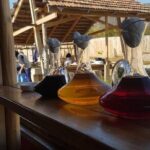
Once the master class is done, the evening becomes a full-on Georgian supra—a feast that mixes food, ceremony, and conversation. You’re served a variety of snacks and hot dishes, plus homemade wine and chacha.
Here’s a sample menu to give you a concrete idea of what you’re eating:
- Starter: Georgian Salad (cucumbers, tomatoes, herbs)
- Starter: Pickles (pickled cucumbers, pickled tomatoes, sauerkraut, Colchis klekachka)
- Main: Georgian Khinkali (meat, mushrooms, or cheese)
- Main: Aubergine
- Main: Adjarian Khachapuri (dough, cheese, eggs; served hot)
- Main: Georgian Shashlik (Mtsvadi) (meat on skewers, cooked on coals)
- Dessert: Georgian Cheese (Imeretian cheese)
- Dessert: Churchkhela (grape juice and walnuts)
This menu is practical for a few reasons. It gives you classic Georgian flavors in an order that builds: fresh starters, filling mains (including both dumplings and grilled meat), then sweet finishes. And because you already learned about khinkali and khachapuri earlier, you’ll understand what you’re tasting instead of just guessing.
A few more Tbilisi tours and experiences worth a look

Supra etiquette: toasts in order, horn drinking basics
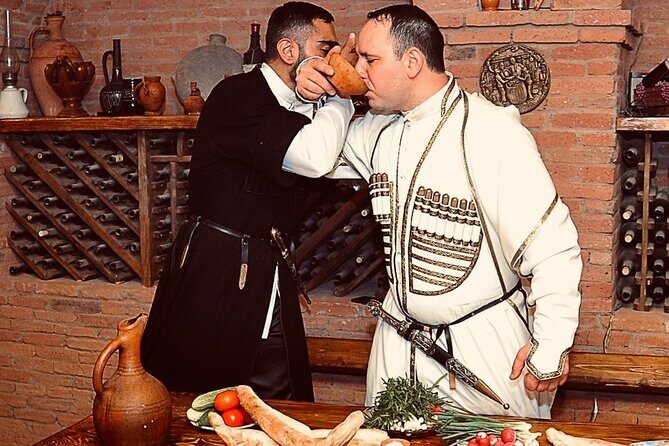
One of the most memorable parts is that you’re taught how Georgian feasts work as you’re eating. You’ll get an explanation of the sequence of toasts at an easy pace, and you’ll also learn the basic horn-drinking rules.
Even if you’ve been to other cultural dinners, don’t assume you’ll “figure it out.” The whole point here is structured guidance. That turns potential confusion into participation. You’ll know when to raise your voice, when to listen, and how the horn ritual is handled in a respectful, traditional way.
Alcohol included, so plan your pace
Alcoholic beverages are included, and the homemade wine and chacha are part of the feast. I strongly suggest you drink slowly and taste intentionally. Food is coming in courses, but the program also includes music and dancing, so pacing makes the whole evening more fun and less blurry.
Coffee and/or tea are included too. That’s a nice touch if you want to come back to earth after the toast portion.
Songs, polyphony, and dance practice you can join

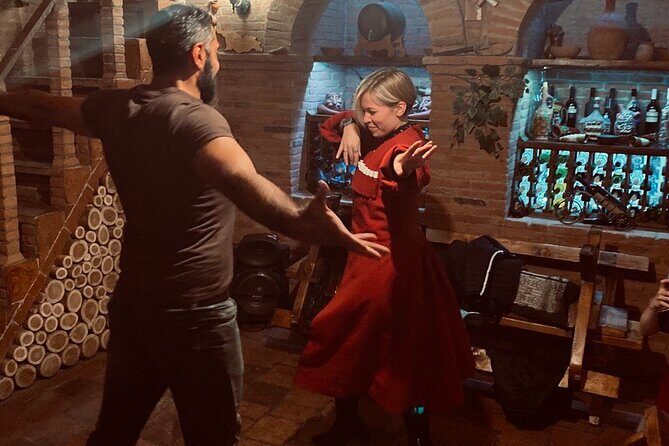
After the meal, the program shifts from eating to performing. You’ll hear dances and songs, and you’ll also practice basic movements in Georgian folk dance, accompanied by professional dancers.
This is one of those activities where you don’t need to be athletic or experienced. The goal is participation, not perfection. If you can move your feet and listen to the rhythm, you’ll have a great time.
You’ll also experience Georgian polyphony, which is included in the UNESCO cultural heritage list. Polyphony is meaningful because it’s not just background music. It’s structured group singing, often layered, and it’s the kind of cultural tradition that makes the night feel like more than a dinner party.
If you’re watching your group energy, this portion is the payoff. After food and toasts, the room often shifts into a shared mood: singing, laughing, and moving together. That’s exactly the kind of “culture lesson” you can feel in your body, not just your brain.
Price and logistics: where the $150 really goes

Let’s talk value without hand-waving.
At $150 per person for about 4 hours, you get:
- Dinner (a full spread, not light snacks)
- Alcoholic beverages
- Coffee and/or tea
- Private transportation
- A guided Old Tbilisi walk with storytelling
- A khinkali and khachapuri master class
- Teaching on supra toast sequence and horn-drinking basics
- Songs and dances, plus polyphony performance
- Small group size (max 8)
A normal meal plus a guided walk usually costs less than a full program like this, but you wouldn’t get the cooking instruction, horn-toast lesson, or the dance and polyphony elements. Here, the experience is bundled: you’re paying for multiple cultural “stations” in one evening, with you actually doing things at each stop.
One consideration: it’s not a quiet, sit-back-at-a-museum kind of tour. This is an interactive feast with performance. If you want a calm, low-volume evening, you might find it too social. If you like food, music, and active participation, it’s a good fit.
Also note the meeting point: the tour starts at the I Love Tbilisi sign (MRQ5+WG9) and ends back there. That makes it easier for you to plan afterward without hunting for a new drop-off spot.
Who should book this famous Georgian supra feast
I’d put this tour on your shortlist if you match one of these profiles:
- You want hands-on Georgian cooking, not just tasting
- You like cultural traditions with clear structure (like toast sequences) so you can participate respectfully
- You enjoy food + music + movement in one evening
- You prefer a small group and a more personal host-led atmosphere
- You’re traveling with friends or solo and want help connecting with people through shared activities
It may feel less ideal if you’re looking for a purely historical sightseeing tour with long museum-style explanations. This evening is centered on food and performance. The city walk is there to set context, but the meal and cultural program are the main event.
Language note: the tour is offered in English. If your group mix needs extra help, an English translator can be arranged, and the host role (tamada/toastmaster) is set up to guide the evening through the cultural parts.
Should you book it?
Yes, I’d book it if your idea of a great evening includes food you’ll remember, a cooking lesson tied to what you eat, and a clear invitation to join songs and dance. The small group size and the family-host setting make it feel like an authentic Georgian night, not a scripted restaurant show.
Skip it only if you want a quiet, strictly informational tour with minimal interaction. This is meant to get you involved—starting with the cooking class and ending with polyphony and dance practice.
If you’re okay with an active, social evening (and you’re ready for wine and chacha as part of the feast), this one is worth planning around.
FAQ
What time does the Half-Day Famous Georgian Supra Feast start?
It starts at 5:30 pm and lasts about 4 hours.
How long is the tour?
The duration is approximately 4 hours.
What’s the price per person?
The price is $150.00 per person.
Is the tour in English?
Yes, it is offered in English.
What’s included in the price?
Dinner is included, along with alcoholic beverages, coffee and/or tea, and private transportation.
Can I cancel for a full refund?
Yes. You can cancel up to 24 hours in advance for a full refund.