REVIEW · TBILISI
Tbilisi and Mtskheta – Private city tours
Book on Viator →Operated by Travel Door · Bookable on Viator
Medieval churches and big-city views in one sweep. This is a private Tbilisi-and-Mtskheta tour built for a smooth, comfortable day, with hotel pickup, air-conditioned transport, and an English-speaking guide-driver moving you between major landmarks and local streets. You’ll see medieval religious sites near Mtskheta, then shift into Tbilisi’s viewpoints, bridges, fortress views, and the Abanotubani quarter.
I love the clean pacing here: each stop is short enough that you can take photos, look around, and still keep the day from dragging. I also really like the mix of famous sights and the smaller-feeling areas most visitors skip, especially around Mtskheta and the walk into Abanotubani and Leghvtakhevi waterfall.
One possible drawback: the experience can lean more toward friendly logistics than deep, story-heavy history, so you’ll get the best value if you actively ask questions and point out what you want to understand. If you’re the type who wants lecture-style explanations the whole time, plan to supplement.
In This Review
- Key things to know before you go
- A smart day plan: Tbilisi plus Mtskheta without the chaos
- Pickup, air-conditioning, and an English guide-driver who keeps things moving
- Jvari Monastery: the calm start with medieval architecture
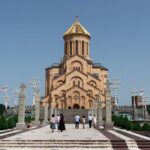
- Svetitskhoveli Cathedral in Mtskheta: a major Eastern Orthodox stop
- Mtskheta souvenir market: the short stop that can be fun
- Metekhi Church on the cliff: Georgia’s river-meets-sacred vibe
- Peace Bridge, Rike Park, and a cable car to Narikala
- Narikala Fortress: panoramic views and Mother Georgia
- Abanotubani and Leghvtakhevi waterfall: the old streets after the views
- What this tour really costs—and why it can be good value
- How to get the most out of it (especially if history depth matters)
- Who should book this tour?
- Should you book this Tbilisi and Mtskheta private tour?
- FAQ
- How long is the Tbilisi and Mtskheta private city tour?
- What does the tour include for transportation?
- Is pickup and drop-off included?
- Is this tour private?
- What language is the tour offered in?
- Are entrance tickets included?
- Are meals included?
- Is there a place to buy tickets on your phone?
- What are the tour’s operating hours?
- What’s the cancellation policy?
Key things to know before you go
- Private group, your pace with only your group joining—no merging into strangers’ conversations.
- Hotel pickup and drop-off means less time hunting for meeting points in a new city.
- Air-conditioned transportation plus water keeps the day comfortable, especially on warmer days.
- A day that mixes big-name churches with local streets (Mtskheta + Tbilisi viewpoints + Abanotubani area).
- Cable car included in the route to get you up to Narikala Fortress efficiently.
- Free admission noted for each stop in the plan, so you’re not constantly budgeting entrance fees.
A smart day plan: Tbilisi plus Mtskheta without the chaos
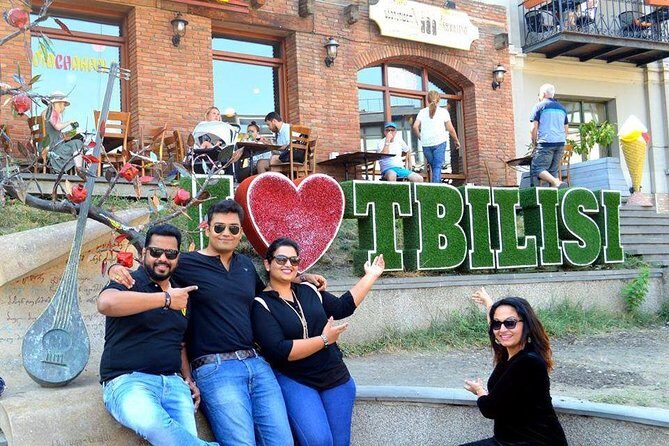
This tour works because it’s designed as one connected loop. You start at a big spiritual landmark outside Tbilisi (Jvari), then move into Mtskheta, and only after that you swing back to Tbilisi for the river cliffs, the Peace Bridge area, and the fortress viewpoint.
The order also helps you feel how the region changes. Early on, you’re surrounded by older Georgian Orthodox sites in and around Mtskheta. Later, you’re looking down over Tbilisi from above and walking through compact old-town streets, with cafés and wine tasting spots in the mix.
Timing matters. With about 6 to 7 hours total, you’re not trying to do everything in one frantic sprint—you’re getting focused time blocks that are long enough to look, but short enough to keep momentum.
Other Mtskheta tours we've reviewed in Tbilisi

Pickup, air-conditioning, and an English guide-driver who keeps things moving
The comfort factor here is real. You get an air-conditioned vehicle, plus pickup and drop-off to your hotel before and after the tour. That’s the difference between a relaxed day and one where you’re spending half your time figuring out where you are.
You’ll also have an English-speaking guide-driver. In practice, that can mean anything from clear explanations at each stop to a more hands-on “drive and wait while you explore” approach—so set yourself up for success by asking for specific details at the beginning.
Bring your questions early. If you care about why a church matters, ask at Stop 1 and keep the questions going as you move from Jvari to Svetitskhoveli. This is how you turn a transport-focused day into a genuinely informative one.
Jvari Monastery: the calm start with medieval architecture
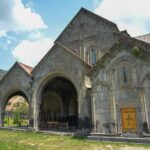
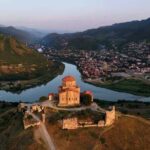
Your first stop is Jvari Monastery, dated to the 6th–7th centuries. The plan describes it as Georgia’s most important religious center and an architectural masterpiece of medieval Georgia.
You’ll have about 30 minutes here. That’s a good amount of time for a first look: long enough to take in the structure and surroundings, short enough that you don’t feel stuck waiting for others to move.
Practical tip: wear shoes you trust. You’ll be walking as part of the visit, and this is the kind of site where you’ll want to move slowly and look from different angles. If you want more context, ask your guide-driver to explain what makes the architecture stand out and what the site’s role is in Georgian Orthodox life.
Svetitskhoveli Cathedral in Mtskheta: a major Eastern Orthodox stop
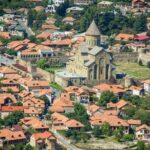
Next up is Svetitskhoveli Cathedral in Mtskheta. It’s an Eastern Orthodox cathedral in the historic town of Mtskheta, and it’s one of those places that tends to feel like a true centerpiece once you’re standing in front of it.
Plan on another 30 minutes. For me, the sweet spot at stops like this is: look first, then read what you can, then ask one key question. That’s how you avoid turning a cathedral visit into a quick photo-and-go.
Also, keep an eye on your energy. Mtskheta is calm, but religious sites can be emotionally heavy and visually intense. Give yourself the full half-hour instead of rushing—then you’ll enjoy the next stop more.
Mtskheta souvenir market: the short stop that can be fun
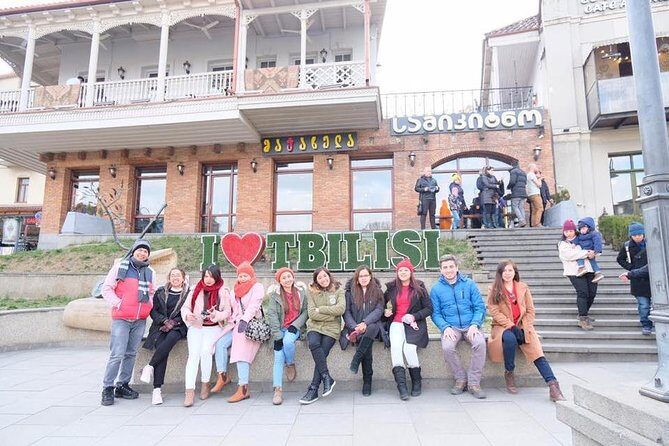
After the cathedral, you’ll have about 15 minutes at a souvenir market in Mtskheta near Svetitskhoveli Cathedral. This isn’t a long shopping detour, so treat it like a chance to pick up small gifts—or just soak in the street-life around a landmark.
Because the time is brief, you’ll get more out of this if you go in with a plan. Decide what you want (small snacks, simple crafts, a magnet, a postcard) so you don’t lose time browsing everything.
This stop also adds a local rhythm to the day. You’re not only seeing monuments; you’re seeing how people move through the area right outside them.
Other Tbilisi city tours we've reviewed in Tbilisi




Metekhi Church on the cliff: Georgia’s river-meets-sacred vibe
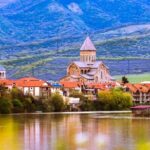
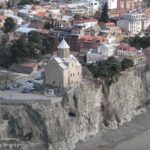
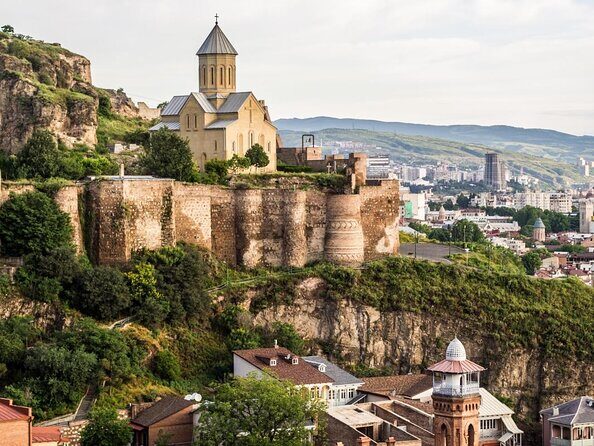
Then you head to Metekhi Cathedral, also known as the Metekhi Virgin Mary Assumption Church. The church sits on the left bank of the Mtkvari River on Metekhi Cliff.
You’ll get about 30 minutes. This is a great “pause and look” stop—because the setting helps you connect Tbilisi’s geography to its religious and civic identity. Even if you’re not an expert on architectural details, the placement is usually what grabs you first.
Tip: if you’re prone to walking fast, slow down here. The cliffside location is part of the experience. Take a few minutes to stand back, orient yourself, and then get closer for a closer look.
Peace Bridge, Rike Park, and a cable car to Narikala
From Metekhi, the route shifts into a very practical Tbilisi pattern: bridge walk, park views, then a lift up to the fortress.
You’ll walk down toward Rike Park and cross the Bridge of Peace, then take the cable car from Rike Park to Narikala Fortress. This is a smart use of time because it avoids the steep climb feeling like a workout you didn’t plan for.
The plan gives you about 20 minutes for this portion, which is enough to do the bridge walk and reposition yourself for the fortress. If you’re traveling in warmer months, the cable car helps you conserve energy for the steps and walking once you arrive.
If you’re someone who hates rushing, take a slower pace on the bridge. It’s one of the easiest places in Tbilisi to get your bearings quickly.
Narikala Fortress: panoramic views and Mother Georgia
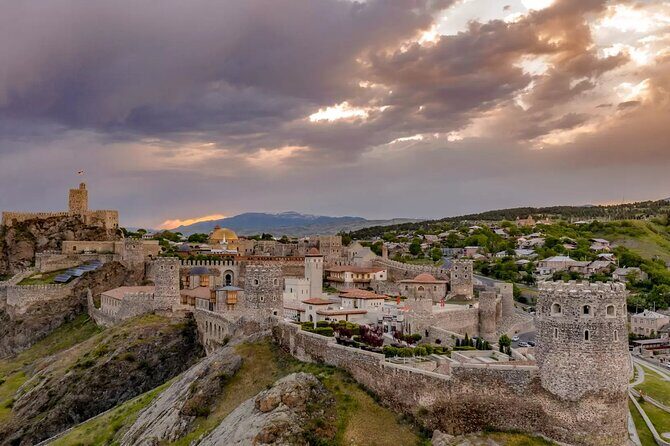
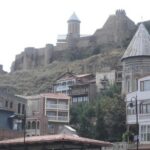
At Narikala Fortress, you’ll have about 30 minutes and a chance to enjoy panoramic views of the city. The plan also calls out the statue of Mother Georgia standing above old Tbilisi, which is one of those visuals that helps the skyline make sense.
Fortresses are best when you treat them like viewpoints, not just ruins you pass through. Look in all directions for a minute, then pick one view to focus on—bridge area, old town streets, or the river curve. With only 30 minutes, choosing a “main” direction keeps things satisfying.
Practical note: fortress areas can be uneven. Wear shoes with grip, especially if weather isn’t ideal. And if you’re visiting during a busy time, arrive mentally prepared to share space near the best angles.
Abanotubani and Leghvtakhevi waterfall: the old streets after the views
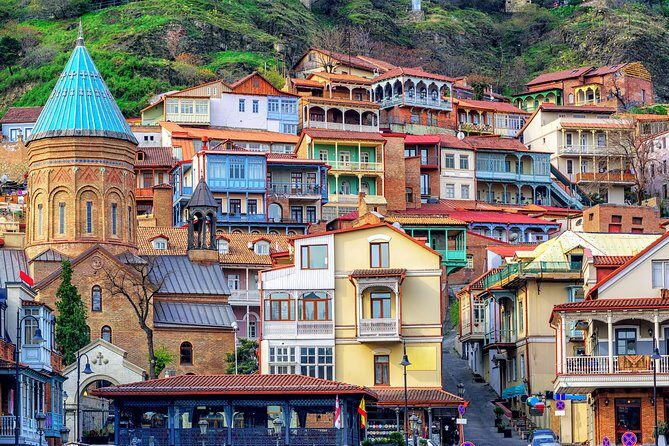
Your last stretch is Abanotubani and the Leghvtakhevi waterfall, reached by walking down. The plan includes time to stroll around Meidan Square too, with narrow streets, cozy cafés, wine tasting bars, and souvenir shops.
You’ll have around 30 minutes here. This is the kind of finish that feels different from the cathedral-heavy first half. It’s more about atmosphere—walking, pausing for a drink or a snack if you want, and letting the old-town lanes pull you along.
One reason I like ending here: you can relax after viewpoints. You’ve already “done the look” from Narikala, and now you can enjoy “being in it” in street-level detail.
If you want a useful tip: don’t schedule anything right after this tour. Give yourself time to keep wandering on foot if the area pulls you in.
What this tour really costs—and why it can be good value
The price is $45 per person for a private 6 to 7 hour experience. On paper, that’s a fair deal when you compare it to the cost of transport and individual guides, but the value comes from what’s bundled.
You’re getting:
- Air-conditioned vehicle
- English-speaking guide-driver
- 1 bottle of water per person
- Hotel pickup and drop-off
- Stops where admission is noted as free in the plan
Meals are not included, so you’ll still want to budget for lunch/snacks in Mtskheta and/or a drink in the Abanotubani area. But the fact that major entrance fees aren’t a constant factor makes planning simpler.
The private element also matters. You won’t be waiting around for other groups, and the day stays geared to your pace and your interests—at least in theory, and as long as you communicate what you want at each stop.
How to get the most out of it (especially if history depth matters)
Since one limitation can be that the guide-driver may focus more on logistics than on detailed history, I suggest you steer the day with clear prompts.
Here are a few questions that fit the stops on this route:
- At Jvari: what should I notice first about the medieval architecture?
- At Svetitskhoveli: what makes this cathedral special in Georgian Orthodox tradition?
- At Metekhi: what’s the significance of the cliffside setting?
- At Narikala: what’s the quickest way to read the city from the fortress viewpoints?
- At Abanotubani: what’s the best way to experience the area in the time we have?
You’ll get better answers if you ask something specific, not just how old something is. Even a friendly guide-driver can do a lot with your direction.
Who should book this tour?
This is a strong pick if you:
- Want a first-timer-friendly introduction to both Mtskheta and Tbilisi without chaotic logistics
- Prefer a comfortable, scheduled day with hotel pickup
- Like a mix of major landmarks and more casual old-town strolling
- Appreciate viewpoints and church architecture, but don’t need a full-day museum lecture
It’s also a good choice for people who want to avoid the hassle of figuring out transport between far-flung stops on their own.
If you’re a serious history enthusiast who wants extended explanations at every stop, go in with your expectations calibrated. You’ll still see the key sites, but you may want additional time or a more specialist guide to get the deep narrative you’re craving.
Should you book this Tbilisi and Mtskheta private tour?
I’d book it if you want a smooth, comfortable day with a clear route and time to actually look at each place—without the stress of organizing a multi-stop day. The private format, air-conditioned transport, and hotel pickup make it feel easy from start to finish, and the route covers both major monuments and the street-level end-of-day atmosphere.
I wouldn’t book it as your only plan for history if you’re the type who expects a running lecture. In that case, book this for the sights and then add your history fix elsewhere—or ask for more context early so the guide-driver knows what you want.
If the weather is poor, the experience may be adjusted or refunded, so keep a flexible mindset.
FAQ
How long is the Tbilisi and Mtskheta private city tour?
It runs about 6 to 7 hours.
What does the tour include for transportation?
You get an air-conditioned vehicle and an English-speaking guide-driver service.
Is pickup and drop-off included?
Yes, pickup and drop-off to your hotel before and after the tour are included.
Is this tour private?
Yes. Only your group participates.
What language is the tour offered in?
The tour is offered in English.
Are entrance tickets included?
The tour details list admission ticket free for the stops included in the plan.
Are meals included?
No, meals are not included.
Is there a place to buy tickets on your phone?
A mobile ticket is offered.
What are the tour’s operating hours?
The tour operates Monday to Sunday from 10:00 AM to 5:00 PM.
What’s the cancellation policy?
You can cancel for free up to 24 hours in advance for a full refund. If canceled due to poor weather, you’ll be offered another date or a full refund.