REVIEW · TBILISI
Enjoy a Traditional Georgian Cooking Class and Meal with a Local in Tbilisi
Book on Viator →Bookable on Viator
Tbilisi cooking gets personal fast. You step into Tina’s home kitchen and learn Georgian comfort food from the source, not a demo booth. I love how warm and relaxed it feels, even though you’re actually working—chopping, stirring, tasting, and learning by doing.
Two things I really liked: the hands-on cooking (you make the food, not just watch), and the family-style meal afterward at the dining table. One possible drawback: there’s no hotel pickup, so you’ll need to get yourself to the meeting point and be ready for a home setting where the pace is “real life,” not a staged production.
In This Review
- Key things to know before you go
- Entering Teo and Tina’s Tbilisi home: why it feels real
- The class flow in 3 hours: from greeting to finished dishes
- What you’ll cook: chakhokhbili, khinkali, khachapuri, and salad
- Fresh tomato and cucumber salad
- Chakhokhbili (stewed chicken with fresh herbs)
- Khachapuri (cheese-filled bread)
- Khinkali (Georgian dumplings)
- Market time and regional context: Lechkhumi and Samegrelo flavors
- From kitchen to dining table: how the meal is served
- Local alcohol and non-alcoholic drinks: what’s included
- The churchkhela finish: nuts, grape juice, and the sweet logic
- Price and what you really get for $152 in a private 3-hour class
- Who should book this Georgian cooking class—and who might skip it
- Quick practical tips before you go
- Should you book Teo and Tina’s cooking class in Tbilisi?
- FAQ
- How long is the Georgian cooking class experience?
- Do I cook, or do I just watch?
- What kind of meal do I get at the end?
- Is lunch or dinner included?
- Is alcohol included?
- Is the tour private?
- Can I cancel and get a refund?
Key things to know before you go
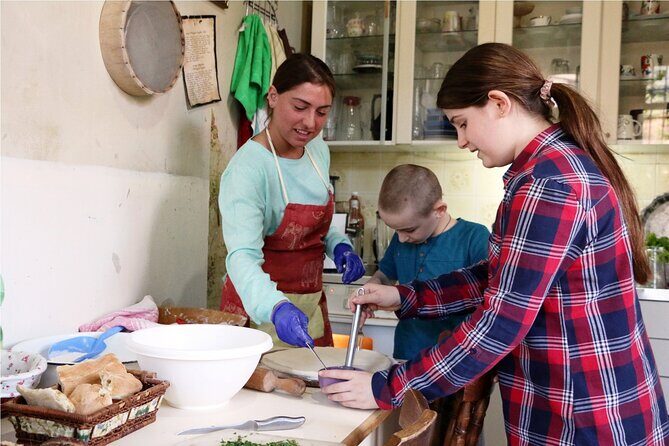
- Private, intimate format: only your group joins Teo and Tina in their home.
- Hands-on Georgian dishes: you cook 2–3 classics with guidance in the kitchen.
- Local family table meal: you eat what you helped make, served family style.
- Regional flavors from Lechkhumi and Samegrelo: the menu leans toward what Tina’s parents grew up with.
- A sweet ending with churchkhela: the nut-and-grape-juice candy finish is part of the experience.
Entering Teo and Tina’s Tbilisi home: why it feels real
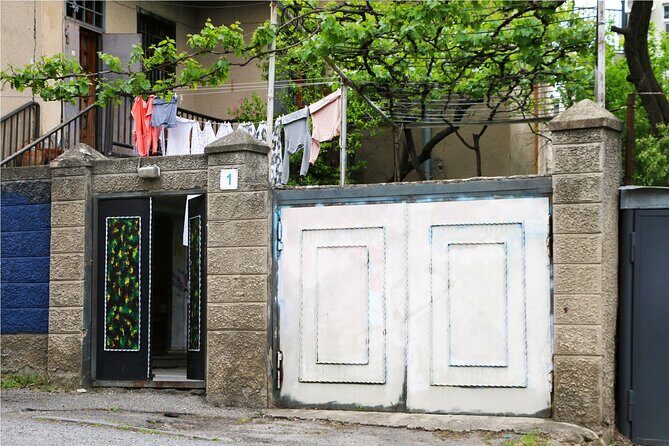
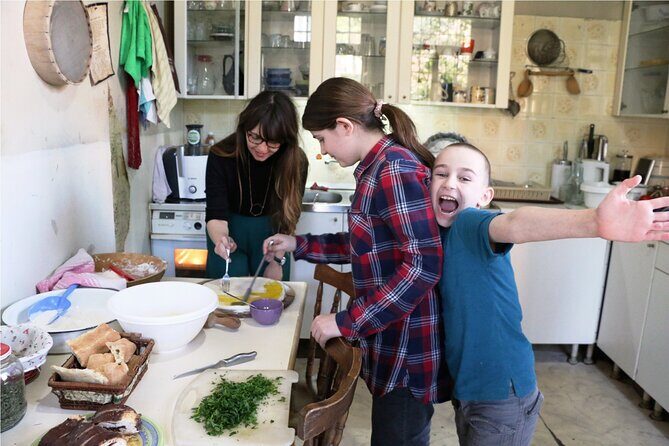
This class works because it’s hosted inside a lived-in home. Tina lives with her parents and six siblings, so the atmosphere is cozy and easy. You’re not just a customer passing through. You’re a temporary part of the family’s evening—guided by Teo (and sometimes other family members, depending on who’s around).
In practice, that changes the whole vibe. You can ask questions without feeling rushed. You can taste, adjust, and learn at human speed. From the way the hosts greet you—with smiles from Tina, plus Teo and children if they’re around—you’ll feel the difference right away.
You should also expect a “home kitchen” setup. That’s not a downside, it’s the point. Ingredients may be handled the way Georgians actually handle them, and the teaching comes in layers: what you’re making, why it matters, and how to get to the right texture.
Other Tbilisi city tours we've reviewed in Tbilisi



The class flow in 3 hours: from greeting to finished dishes
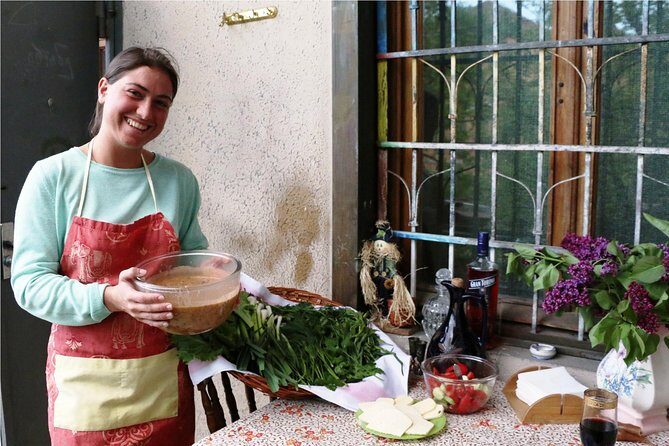
The experience is about 3 hours. It’s built around a simple rhythm: welcome, cook together, eat together. Since it’s private, you won’t have to negotiate space with strangers in a tight kitchen.
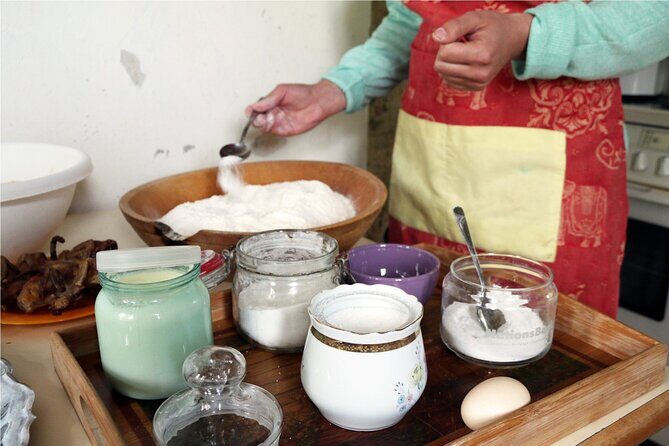
After you meet Tina and Teo, you’ll cook along with them. You’ll learn how to prepare 2–3 Georgian dishes, with step-by-step help while you do the work. This is the part that’s most valuable if you want more than a photo and a vague idea of what to cook later.
Then you sit down as a group and share the meal you helped prepare. The family table part matters more than you might think. It turns the cooking into something you understand with your mouth, not just your hands. And because Tina serves food connected to her parents’ home region, you’re tasting dishes with a backstory, not just a random Georgian menu.
Lunch or dinner is available. If you care about mood, pick dinner if you like a more relaxed, evening feel, and pick lunch if you want to stay energized for the rest of your day.
What you’ll cook: chakhokhbili, khinkali, khachapuri, and salad
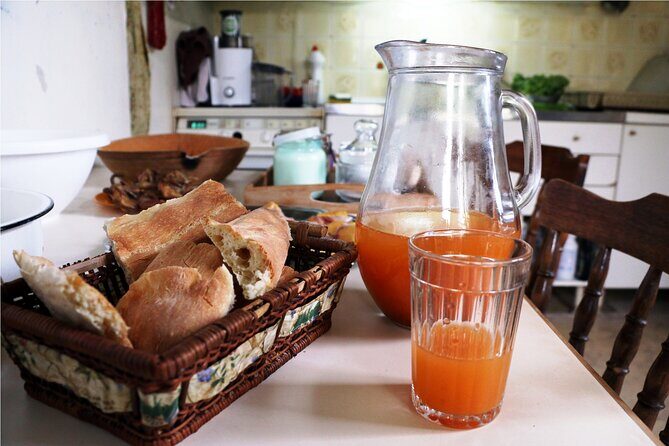
The menu can vary by season, but the core dishes are classic. Based on what you’ll likely taste and cook, you can expect a mix of fresh, savory, and bread-based comfort food.
Here are the standouts you may make and definitely may enjoy at the meal:
Fresh tomato and cucumber salad
This is the kind of salad that feels simple until you pay attention to the balance. You’ll usually see it as a bright starter—cool, crisp, and built to wake up your taste buds before heavier dishes.
Chakhokhbili (stewed chicken with fresh herbs)
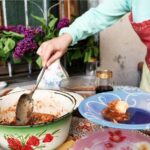
Chakhokhbili is all about herbs and depth. In Georgian cooking, the herbs aren’t an afterthought. They show up as part of the flavor structure. When you help make this, you learn how the dish develops and how the herbs change what you perceive in each bite.
Other Georgian cooking classes we've reviewed in Tbilisi


Khachapuri (cheese-filled bread)
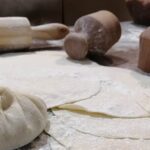
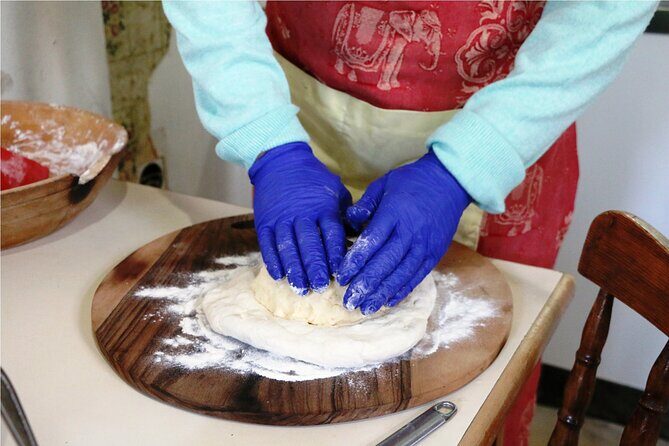
Khachapuri is one of Georgia’s most recognizable foods, but the real learning is in the process—handling dough and balancing cheese so it melts the way you want rather than turning heavy or rubbery. If you love cheese breads, you’ll enjoy getting your hands on the dough.
Khinkali (Georgian dumplings)
Khinkali is the dish people associate with Georgia. Here, the value is not only eating dumplings. It’s learning how Georgian dumplings come together—portioning, shaping, and understanding what makes them feel right.
A practical note: you’re not guaranteed the exact same menu every day. Tina’s kitchen is family-run, and the menu may shift with what’s best in season. If you have dietary needs, tell them at booking so the class can adjust.
Market time and regional context: Lechkhumi and Samegrelo flavors
One of the most memorable extras from past sessions is that the experience may include a stop at a local market. In at least some versions of the class, Teo brings you along and explains differences between local cheeses, fresh herbs, and sweets.
Even if your specific day doesn’t include a market stop, you’ll still learn the same idea: Georgian cooking is ingredient-led. You’re not just making a dish. You’re learning how Georgians choose what goes into it.
Tina serves a meal from the Lechkhumi and Samegrelo region—areas shaped by the traditions and food her parents grew up with. That matters because Georgia isn’t one uniform style of cooking. Regional families develop their own preferences for herbs, the way sauces are built, and how desserts are finished.
So when you taste dishes after cooking them, you’re also tasting family tradition. That’s why this class feels more authentic than a standard “cook-along.”
From kitchen to dining table: how the meal is served
The biggest payoff comes after cooking: you sit down and share the family meal together. Instead of a quick handoff—here’s your finished plate—you stay with Tina at the dining table.
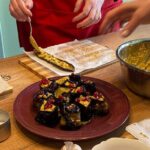
You’ll likely be served items that match what you prepared, including a mix such as tomato-cucumber salad, chakhokhbili, khachapuri, and khinkali. Then you move into dessert.
This setup does two smart things:
- It helps you understand what you did in the kitchen.
- It gives you a natural way to talk—about cooking choices, ingredients, and what you’re noticing in flavor.
You’ll also have time to taste and ask follow-ups. In one past experience, Teo walked the group through what they were making and explained the cooking steps as they happened. That’s exactly the kind of guidance that sticks when you cook at home later.
Local alcohol and non-alcoholic drinks: what’s included
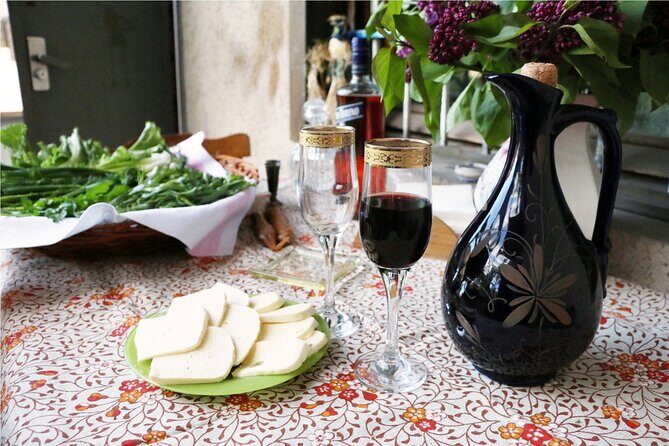
Food is the center of the evening, but the class also includes drinks. You’ll get local alcohol (1–2 glasses) plus non-alcoholic beverages. Past sessions have included wine and chacha being served and discussed.
This inclusion changes the “value” angle. You’re not paying extra just to enjoy the Georgian drinks that naturally fit with the meal. It also makes the conversation feel less formal—something you notice when you’re sitting at a family table.
If you don’t drink alcohol, that’s easy to handle since non-alcoholic beverages are included too. Just tell Tina and Teo what you prefer when you arrive.
The churchkhela finish: nuts, grape juice, and the sweet logic
No Georgian dinner cooking class feels complete without something sweet. Here, you end with churchkhela, a traditional candy made by repeatedly dipping a long string of nuts in a mixture (often tatara, made with flour, sugar and badagi, concentrated grape juice) or with dry fruit variations.
What I like about churchkhela is that it’s not just dessert. It’s an ingredient lesson. Georgian sweets often rely on grape products and nuts rather than frosting-and-chocolate ideas. When you taste it at the end of a meal you cooked, it feels like the right final note: hearty flavors, then something chewy and grape-forward.
You’ll leave with a clearer picture of how Georgians think about balancing rich savory dishes with a sweet that’s built from fruit and nuts.
Price and what you really get for $152 in a private 3-hour class
At $152 per person for about 3 hours, the sticker price looks high if you’re comparing it to group cooking demos. But the value story here is different.
You’re paying for:
- a private class with your host Tina
- hands-on coaching while you cook 2–3 dishes
- a full family-style meal using food from her family region
- drinks included, including local alcohol (1–2 glasses)
- taxes, fees, and handling charges included
- gratuities included
- mobile ticket convenience and a confirmation at booking
In other words, you’re not only paying for instruction. You’re paying for the entire evening of food, teaching, and hospitality in a home setting.
One practical “value caution” though: there’s no hotel pickup. That doesn’t make it bad, but it can add cost in time or transport if you’re staying far from where you meet. If you can easily reach the start point with public transportation, the price feels much fairer.
Also, the menu may vary by season. That keeps things fresh, but if you have a strict dish wish list, consider messaging your preferences early.
Who should book this Georgian cooking class—and who might skip it
This is a great fit if you:
- want real home-cooked Georgian food, not a lecture-only format
- enjoy practical skills (you’ll actually cook, not just taste)
- like intimate settings where you can talk with the host, like Tina and Teo
- want a cozy cultural evening that includes local drinks and a dessert you can’t easily replicate elsewhere
You might skip it if:
- you want a very schedule-tight, check-in/check-out experience with no home-kitchen variability
- your group relies on hotel pickup and can’t handle transport to the meeting point easily
- you’re only after a quick snack experience rather than a full 2–3 dish meal session
If you’re traveling with curiosity—food, culture, family stories—you’ll probably feel like this class gives you something you can’t buy in a restaurant.
Quick practical tips before you go
A few small choices will make your evening smoother:
- Tell Tina and Teo about allergies or dietary restrictions when booking. The class is designed to be personalized, and adjustments are easier when you share ahead of time.
- Wear something you’ll be comfortable cooking in. Even if you’re not doing heavy cleaning, you’ll be in a kitchen environment.
- If you care about taste balance, be ready to pay attention while you cook. You’ll learn by watching how Tina guides flavor decisions.
- If you’re choosing between lunch and dinner, think about your energy. Either works, but dinner often feels more “family table” in rhythm.
Should you book Teo and Tina’s cooking class in Tbilisi?
I think you should book it if you want the best kind of souvenir: a skill you keep using. The hands-on cooking, the family-style meal, and the way Tina and Teo make you feel welcome in their home create a strong “why this was worth it” feeling.
It’s also a smart pick for food lovers who want Georgian regional flavor. The Lechkhumi and Samegrelo angle gives the meal a specific identity, so it doesn’t feel generic.
The main reason not to book is simple: no hotel pickup. If you can’t get to the meeting point easily, choose another experience with easier logistics.
If you’re flexible on the exact menu (since it can vary seasonally) and you like learning by doing, this is one of the more memorable ways to spend 3 hours in Tbilisi.
FAQ
How long is the Georgian cooking class experience?
It’s about 3 hours (approx.).
Do I cook, or do I just watch?
You’ll cook along with your host Tina. The class is hands-on, and you’ll learn to prepare 2–3 Georgian dishes.
What kind of meal do I get at the end?
After cooking, you’ll share a traditional Georgian meal at the family dining table. Dishes may include options like tomato-cucumber salad, chakhokhbili, khachapuri, khinkali, and the dessert churchkhela.
Is lunch or dinner included?
Lunch or dinner classes are available, and the meal is included as part of the experience. The menu may vary depending on the season.
Is alcohol included?
Yes. Local alcohol is included (about 1–2 glasses), along with non-alcoholic beverages.
Is the tour private?
Yes. It’s a private, personalized experience where only your group participates.
Can I cancel and get a refund?
You can cancel up to 2 days in advance for a full refund. If you cancel less than 2 days before the start time, the amount paid is not refunded.